Endless Spring

SunflowerSunflower

Sunflower

We’ve enjoyed an endless spring for the last two and half months starting with the first few ground flowers and trees covered in bracts all the way back in Georgia in late March. In the course of that time we’ve moved through valleys, up to mountain ridges, drove all the way to 47th parallel north, back down to the 37th and spent the last two weeks mostly above 8000 ft. Driving up highway 119 from Boulder, CO to our friends house in Nederland we could see the snow on all the high peaks. A week later a bright pop of orange caught my eye as we once again took that trip up. I know it wasn’t there just a few days before. Sure enough huge poppies had bloomed. Higher up in town the fuzzy poppy pods were just beginning to form. All the aspen trees in town shook and shimmied in the breeze but on our drive through Rocky Mountain National Park the aspen trees were working ever so hard to get their leaves out in the short growing period there is to be had that high. With the late snow pack and the deluge of May rain in Colorado the grasses are a bright green dotted and highlighted by the yellows, red, whites, pinks and purples of flowers.
20150618_Catepillar20150618_Catepillar

20150618_Catepillar

Truth be told I don’t have that good of a camera. Don’t get me wrong it’s a good overall camera however, anytime I want it to do something specific things get weird. Luckily I seem to do ok with the camera for macro images and seeing as how I love taking pictures of flowers I manage a few good pics every now and then.

DogbaneBeetlesDogbaneBeetles

DogbaneBeetles

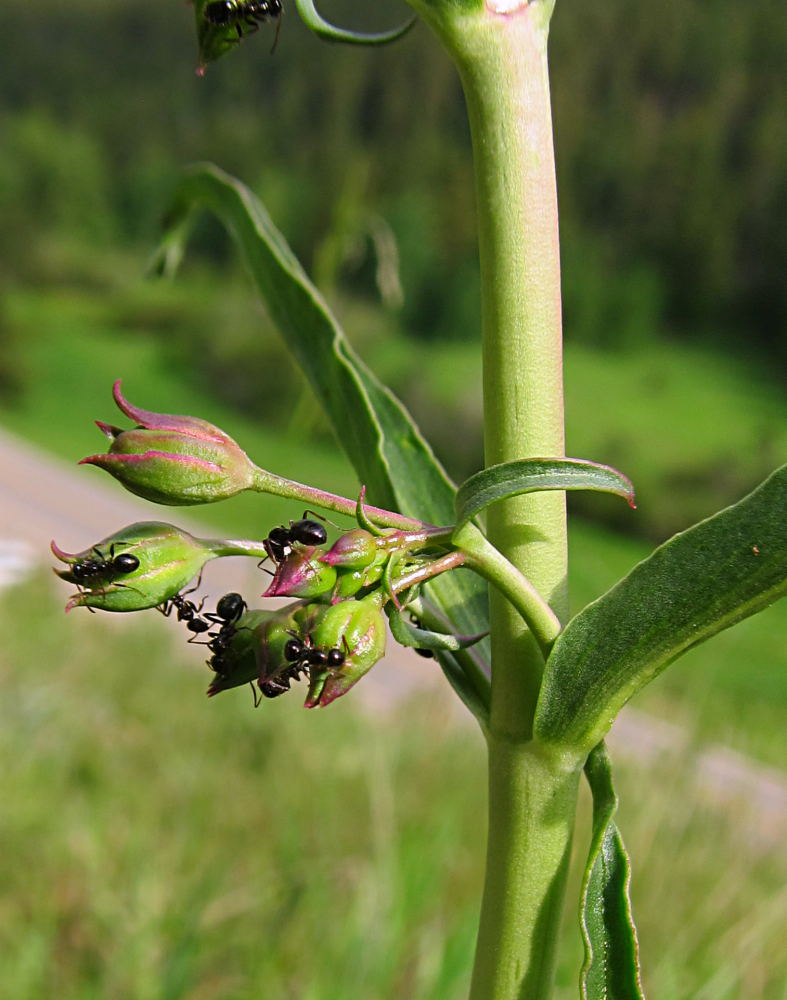
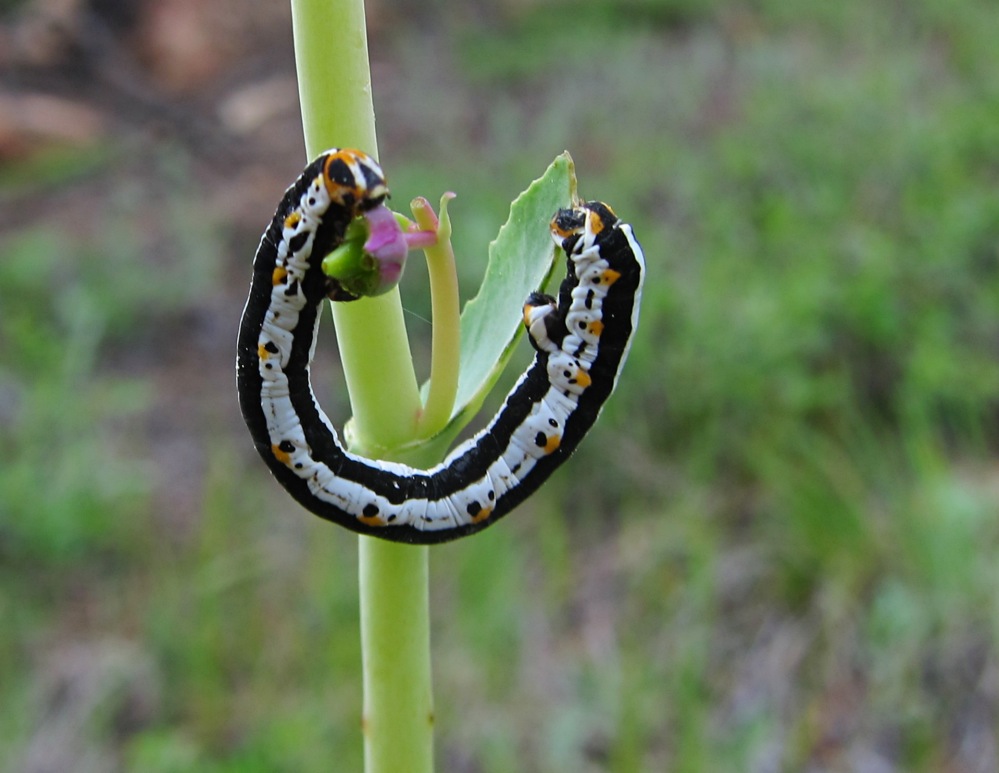
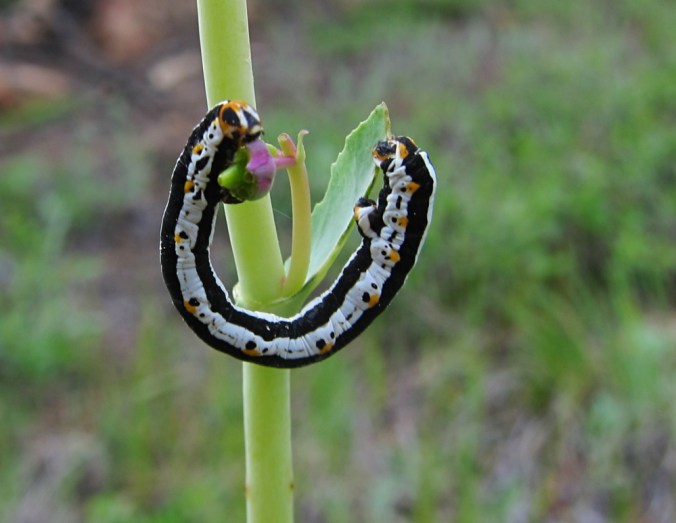
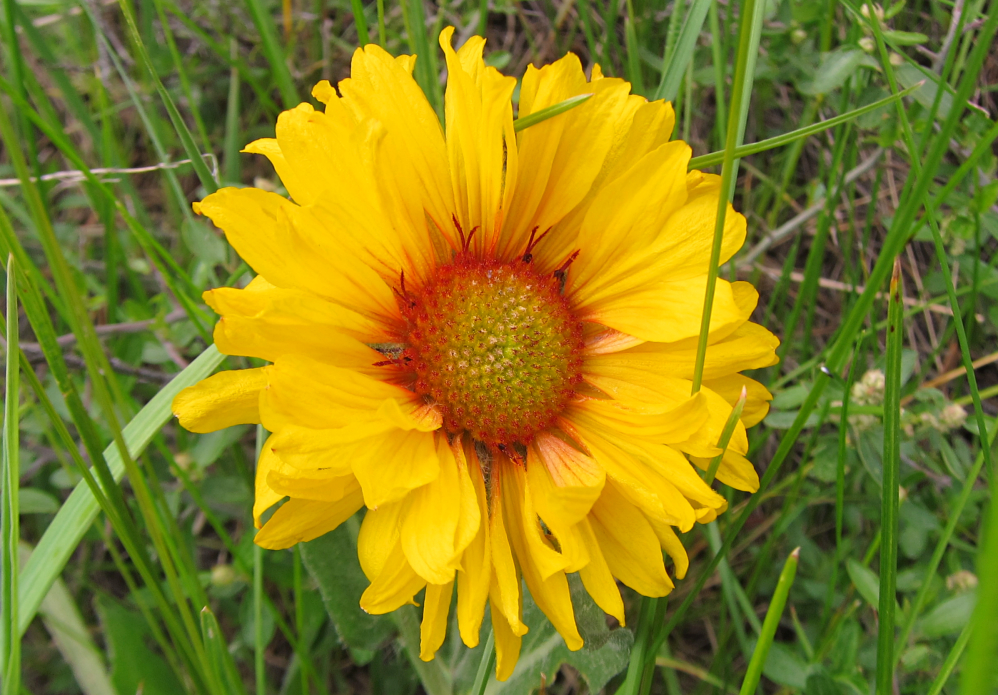
A few days ago while out for a quick jaunt down a trail I stopped to document some of the floral kaleidoscope. At the first set of bright pink-purple flowers (Beardtongue) I also noticed a tiny black and white caterpillar so I took his picture too. After this I meant to catch up with my hiking partners but then I noticed a pretty little sunflower and one of the biggest ladybug beetles I’ve ever seen. Naturally I had to take his picture as well. At this point I figure I better just keep taking pictures while waiting for my friends to make their way back. One plant, just beginning to bud out, was covered in ants, must have had some sticky sweetness to attract them. In attempting to take their picture my eyes got caught a shiny congregation of Dogbane Beetles on the grasses directly behind the ants.

AntsAnts

Ants

A hike is a fun form of “exercise”. One hopes to see pretty trees, vistas and if you’re lucky some charismatic mega-fauna. A botany walk gets one down to the ground. One hopes to see pretty flowers, neat plants (hopefully a rare one) and most likely a lot of bugs. On a hike you might get a few miles or more in, on my impromptu botany walk I went all of five feet. Both give me the satisfaction of being outdoors. I do love stopping to acknowledge the tiny world near my feet every once in awhile. I suppose it’s the closest to the Fairy world that this believer will ever get.
Endless Spring

SunflowerWe’ve enjoyed an endless spring for the last two and half months starting with the first few ground flowers and trees covered in bracts all the way back in Georgia in late March. In the course of that time we’ve moved through valleys, up to mountain ridges, drove all the way to 47th parallel north, back down to the 37th and spent the last two weeks mostly above 8000 ft. Driving up highway 119 from Boulder, CO to our friends house in Nederland we could see the snow on all the high peaks. A week later a bright pop of orange caught my eye as we once again took that trip up. I know it wasn’t there just a few days before. Sure enough huge poppies had bloomed. Higher up in town the fuzzy poppy pods were just beginning to form. All the aspen trees in town shook and shimmied in the breeze but on our drive through Rocky Mountain National Park the aspen trees were working ever so hard to get their leaves out in the short growing period there is to be had that high. With the late snow pack and the deluge of May rain in Colorado the grasses are a bright green dotted and highlighted by the yellows, red, whites, pinks and purples of flowers.

Truth be told I don’t have that good of a camera. Don’t ge20150618_Catepillart me wrong it’s a good overall camera however, anytime I want it to do something specific things get weird. Luckily I seem to do ok with the camera for macro images and seeing as how I love taking pictures of flowers I manage a few good pics every now and then.

A few days ago while out for a quick jaunt down a trail I stopped to document some of the floral kaleidoscope. At the first set of bright pink-purple flowers (Beardtongue) I also noticed a tiny black and white caterpillar so I took his picture too. After this I meant to catch up with my hiking partners but then I noticed a pretty little sunflower and one of the biggest ladybug beetles I’ve ever seen. Naturally I had to take his picture as well. At this point I figure I better just keep taking pictures while waiting for my friends to make their way back. One plant, just beginning toDogbaneBeetles bud out, was covered in ants, must have had some sticky sweetness to attract them. In attempting to take their picture my eyes got caught a shiny congregation of Dogbane Beetles on the grasses directly behind the ants.

A hike is a fun form of “exercise”. One hopes to see pretty trees, vistas and if you’re lucky some charismatic mega-fauna. A botany walk gets one down to the ground. One hopes to see pretty flowers, neat plants (hopefully a rare one) and most likely a lot of bugs. On a hike you might get a few miles or more in, on my impromptu botany walk I went all of five feet. Both give me the satisfaction of being outdoors. I do love stopping to acknowledge the tiny world near my feet every once in awhile. I suppose it’s the closest to the Fairy world that this believer will ever get. Ants

Natural History of Lil’ Squatch (Part 1)

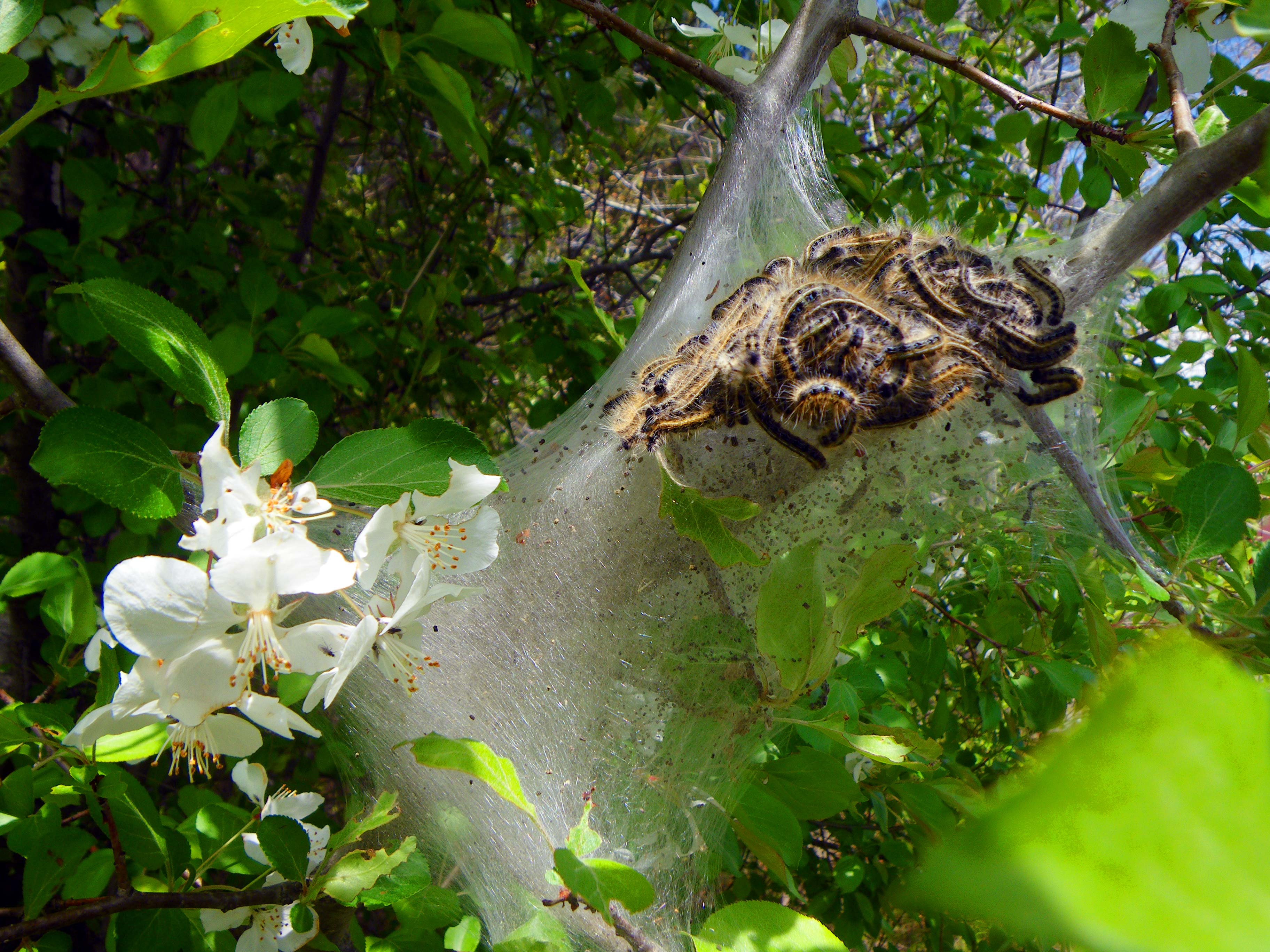
Tent Caterpillars, Delmarva Peninsula - Photo by Tim GillerTent Caterpillars, Delmarva Peninsula - Photo by Tim Giller

Tent Caterpillars, Delmarva Peninsula – Photo by Tim Giller

Lil’ Squatch frightens the birds. At least that’s what Rachael likes to say. I’d like to think that his charisma extends to the animal kingdom but I have to admit that she seems to be right. Countless times we’ve slowed down or pulled over to get a better look at some unknown animal near the road only to have it scamper away at the sight of our strange contraption. Roadside wildlife is often indifferent to the vehicles rolling by, but we’ve seen deer, squirrels and all types of birds do a double take when we round the corner. A staid and well hidden Barred Owl taking flight when we meandered by, Pronghorn dashing off when we break the horizon. I’ve learned that trying to be a naturalist at 50 mph is not very fruitful. Holding binoculars in a moving vehicle can be nausea inducing especially if you are behind the wheel. However, when you’re laying down a lot of backroad highway miles you’ll inevitably see plants and animals that demand a closer look.

We drove over a 1000 miles in the south before we finally got a close look at a tree with red draping from it in late winter, realizing that it wasn’t old leaves but the flowers and seeds of the Red Maple. Lately it has been the American Larch, a strange deciduous conifer that is unfamiliar in my part of the west. It seems to favor a boggy soil that infrequently lined the road and we breezed out of its range in Minnesota without finding a spot to pull over for one. Earlier this spring a mysterious gauzy web was catching our eyes, wedged in the crotch of certain trees and glowing in the sunlight. A little effort revealed that it was the silk of the Eastern tent caterpillar, an unusual species that gathers by the hundreds for warmth and increased metabolism before going off separately to metamorphose into moths.

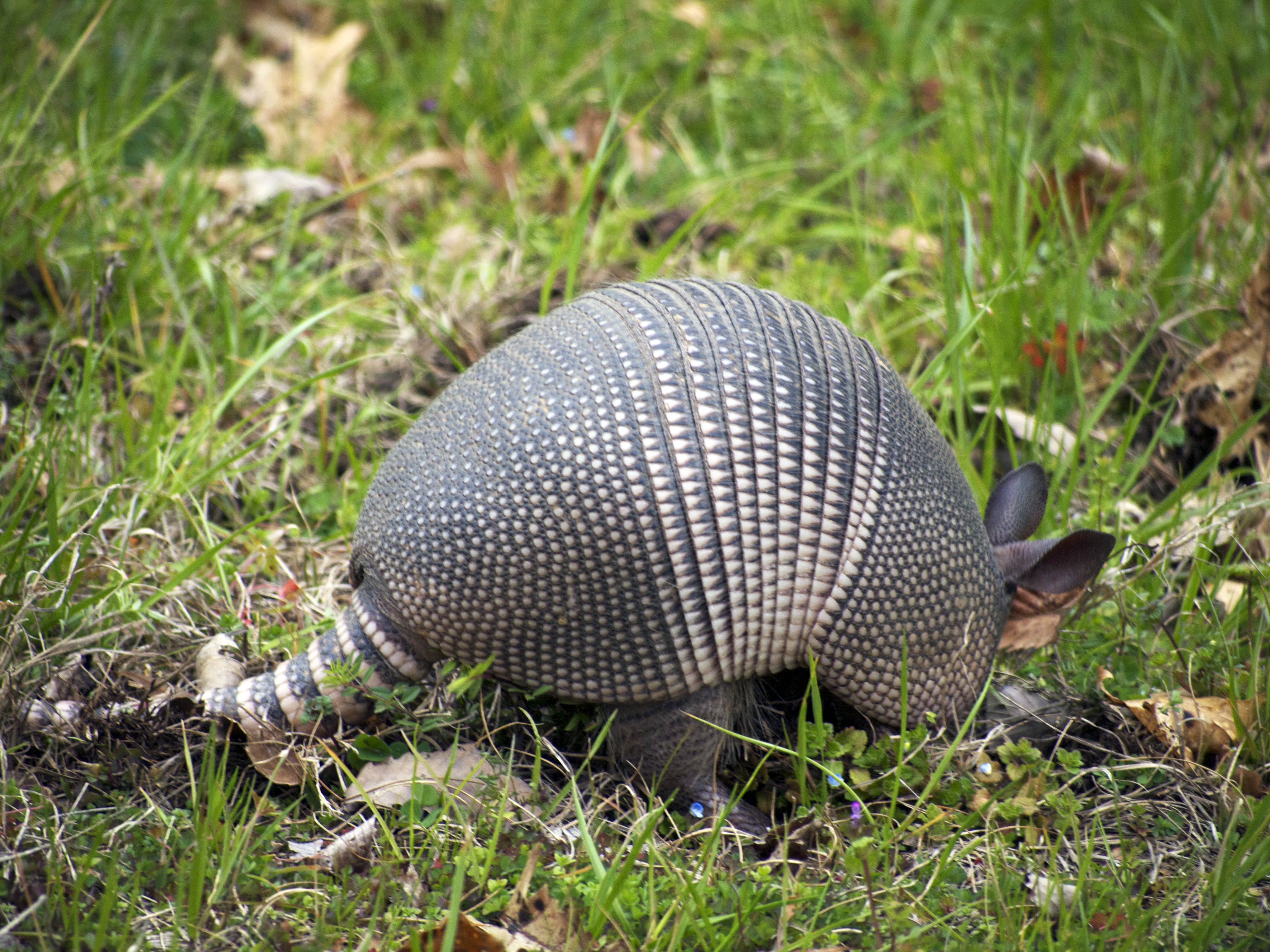
Nine-banded armadillo, Mississippi - Photo by Tim GillerNine-banded armadillo, Mississippi - Photo by Tim Giller

Nine-banded armadillo, Mississippi – Photo by Tim Giller

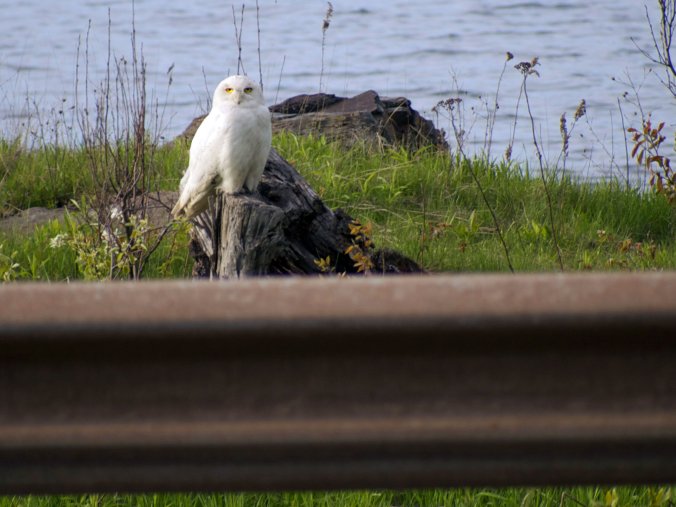
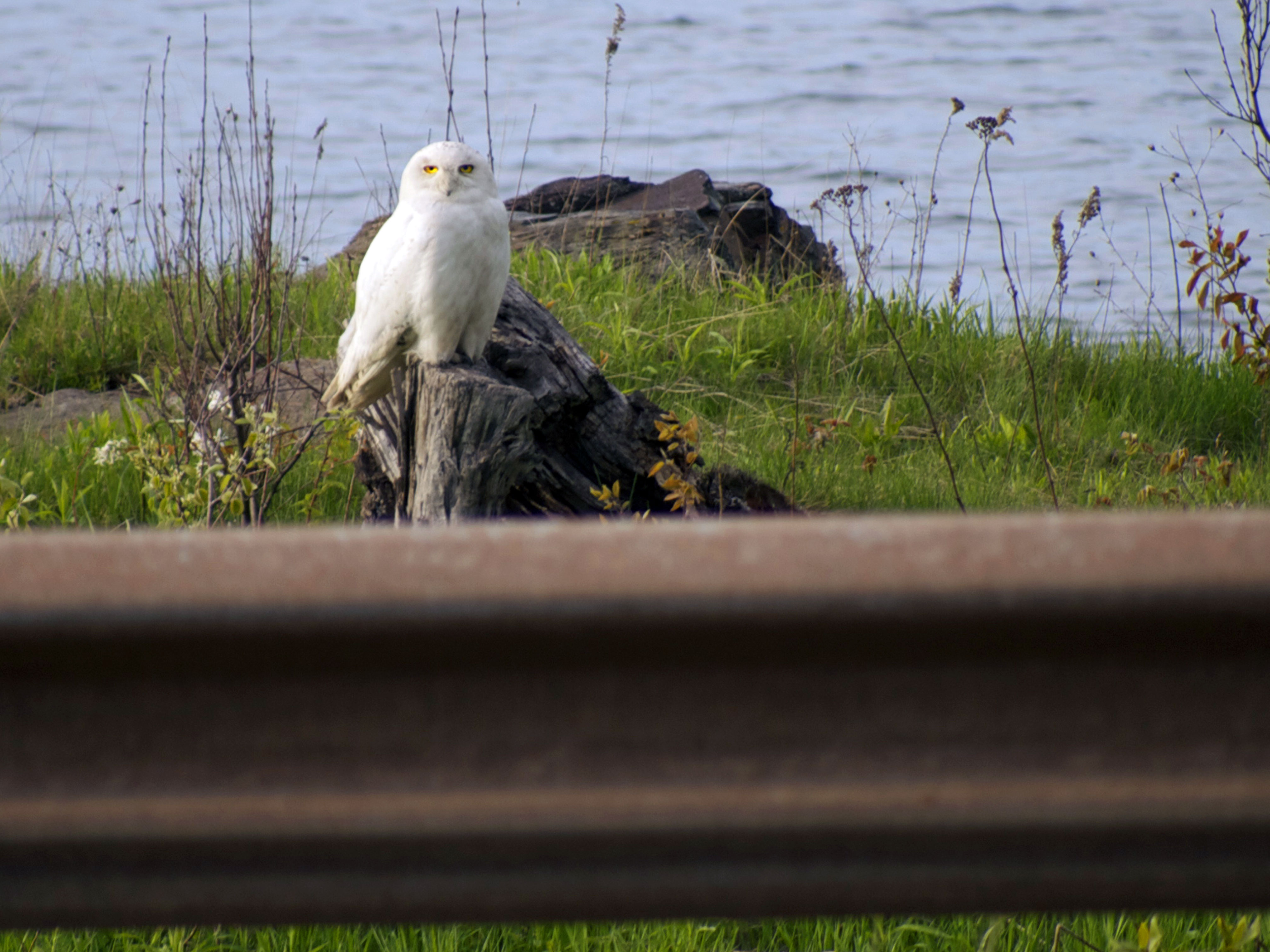
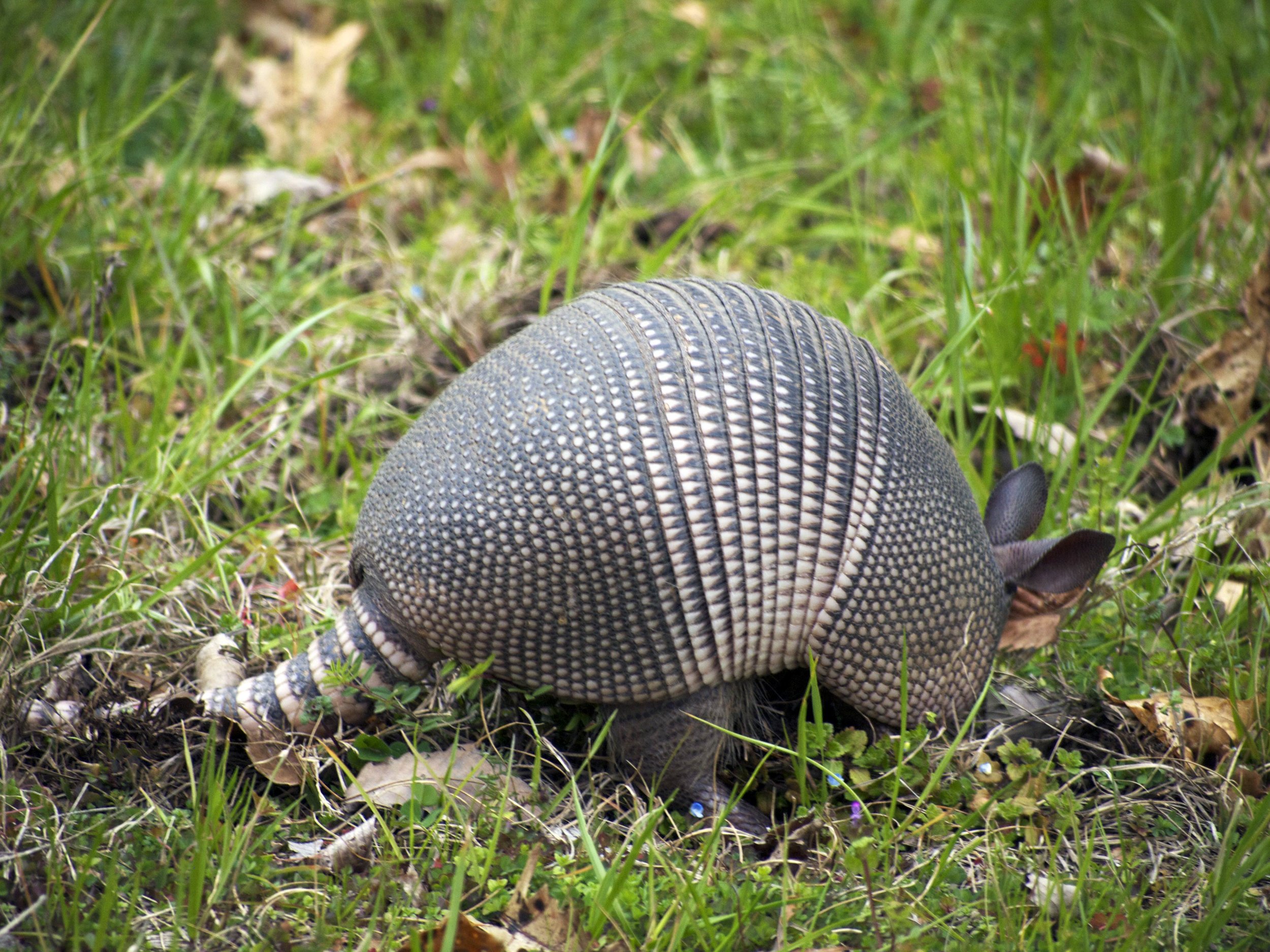
Not all the creatures we hit the brakes for are elusive or easily frightened. Back in Mississippi, in the neatly landscaped roadside of the Natchez Trace we spotted armadillos foraging inches from the road. As we pulled up and put Squatch into neutral one little guy couldn’t be bothered to pull his nose out of the soil in his search of earthworms or whatnot. More recently, while traversing Michigan’s Upper Peninsula an anomalous stately white bird caused Rachael enough excitement that I was compelled to make a u-turn.

Snowy Owl, Michigan - Photo by Tim GillerSnowy Owl, Michigan - Photo by Tim Giller

Snowy Owl, Michigan – Photo by Tim Giller

I quickly stepped out to the guardrail leaving our little home in idle and the beautiful Snowy Owl could barely be bothered to briefly rotate his head in my direction before calmly returning to his meditative pose.

When we get Little Squatch parked and calmed down for a bit he actually makes a passable wildlife viewing blind. Any number of skittish little birds have wandered up below our large rear window. When the day fades if we leave the interior lights dimmed we can watch and hear the beginnings of the evening prowl heralded by the chorus of coyote. Back in New Mexico we voyeuristically observed the courting and mating of a pair of Great Horned Owls in the grove of cottonwoods we had chosen to camp among. As I write this on a blustery spring morning down a lonely backroad in a remote section of Badlands National Park, a lumbering wooly beast, with an entourage of tag-a-long black birds, has browsed his way over giving our white and orange vessel only the slightest wary glance from its dark eyes.

Bison, South Dakota - Photo by Tim GillerBison, South Dakota - Photo by Tim Giller

Bison, South Dakota – Photo by Tim Giller

The stoic and hefty American Bison have seen their share of hardship. They adapted to all the extremes of North America from dry deserts to the bitter winters of the High Plains. They survived Paleo-hunters when many large mammals like mammoths and short-faced bear could not, even with the technique of coercing them to stampede by the hundreds off of cliffs. Slated to wholesale slaughter for the sake of “opening up” the west, they are still here thanks to conservation efforts and their own hardy stature. Calmly wandering across this open landscape, oblivious to the alarm chirps as they saunter across a Prairie Dog town, they animate the landscape with their 10,000-year gait. Massive heads and shoulders somehow graceful on slender legs when at a gallop. After all that maybe our little relic of the late 1970’s seems quaint to them too.

Natural History of Lil’ Squatch (Part 1)

Lil’ Squatch frightens the birds. At least that’s what Rachael likes to say. I’d like to think that his charisma extends to the animal kingdom but I have to admit that she seems to be right. Countless times we’ve slowed down or pulled over to get a better look at some unknown animal near the road only to have it scamper away at the sight of our strange contraption. Roadside wildlife is often indifferent to the vehicles rolling by, but we’ve seen deer, squirrels and all types of birds do a double take when we round the corner. A staid and well hidden Barred Owl taking flight when we meandered by, Pronghorn dashing off when we break the horizon. I’ve learned that trying to be a naturalist at 50 mph is not very fruitful. Holding binoculars in a moving vehicle can be nausea inducing especially if you are behind the wheel. However, when you’re laying down a lot of backroad highway miles you’ll inevitably see plants and animals that demand a closer look.

Tent Caterpillars, Delmarva Peninsula - Photo by Tim Giller

Tent Caterpillars, Delmarva Peninsula – Photo by Tim Giller

We drove over a 1000 miles in the south before we finally got a close look at a tree with red draping from it in late winter, realizing that it wasn’t old leaves but the flowers and seeds of the Red Maple. Lately it has been the American Larch, a strange deciduous conifer that is unfamiliar in my part of the west. It seems to favor a boggy soil that infrequently lined the road and we breezed out of its range in Minnesota without finding a spot to pull over for one. Earlier this spring a mysterious gauzy web was catching our eyes, wedged in the crotch of certain trees and glowing in the sunlight. A little effort revealed that it was the silk of the Eastern tent caterpillar, an unusual species that gathers by the hundreds for warmth and increased metabolism before going off separately to metamorphose into moths.

Nine-banded armadillo, Mississippi - Photo by Tim Giller

Nine-banded armadillo, Mississippi – Photo by Tim Giller

Not all the creatures we hit the brakes for are elusive or easily frightened. Back in Mississippi, in the neatly landscaped roadside of the Natchez Trace we spotted armadillos foraging inches from the road. As we pulled up and put Squatch into neutral one little guy couldn’t be bothered to pull his nose out of the soil in his search of earthworms or whatnot. More recently, while traversing Michigan’s Upper Peninsula an anomalous stately white bird caused Rachael enough excitement that I was compelled to make a u-turn.

Snowy Owl, Michigan - Photo by Tim Giller

Snowy Owl, Michigan – Photo by Tim Giller

I quickly stepped out to the guardrail leaving our little home in idle and the beautiful Snowy Owl could barely be bothered to briefly rotate his head in my direction before calmly returning to his meditative pose.

When we get Little Squatch parked and calmed down for a bit he actually makes a passable wildlife viewing blind. Any number of skittish little birds have wandered up below our large rear window. When the day fades if we leave the interior lights dimmed we can watch and hear the beginnings of the evening prowl heralded by the chorus of coyote. Back in New Mexico we voyeuristically observed the courting and mating of a pair of Great Horned Owls in the grove of cottonwoods we had chosen to camp among. As I write this on a blustery spring morning down a lonely backroad in a remote section of Badlands National Park, a lumbering wooly beast, with an entourage of tag-a-long black birds, has browsed his way over giving our white and orange vessel only the slightest wary glance from its dark eyes.

Bison, South Dakota - Photo by Tim Giller

Bison, South Dakota – Photo by Tim Giller

The stoic and hefty American Bison have seen their share of hardship. They adapted to all the extremes of North America from dry deserts to the bitter winters of the High Plains. They survived Paleo-hunters when many large mammals like mammoths and short-faced bear could not, even with the technique of coercing them to stampede by the hundreds off of cliffs. Slated to wholesale slaughter for the sake of “opening up” the west, they are still here thanks to conservation efforts and their own hardy stature. Calmly wandering across this open landscape, oblivious to the alarm chirps as they saunter across a Prairie Dog town, they animate the landscape with their 10,000-year gait. Massive heads and shoulders somehow graceful on slender legs when at a gallop. After all that maybe our little relic of the late 1970’s seems quaint to them too.


Spring in the east

Red Trillium (Trillium erectum)Red Trillium (Trillium erectum)

Red Trillium (Trillium erectum)

As a coastal California native I’ve learned not only to see but appreciate the subtlety of the change in seasons. These last few weeks have afforded me the opportunity to see a slow progression of the shift into spring where the seasons are much more distinct. First with a ground flower here or there such as the red, white and sessile trilliums. Then we started to see a carpet of green under the still bare forest. Slowly the trees started not only to leaf out but trees like the Eastern Redbud (Cercis canadensis) and the white or pink Flowering Dogwood (Cornus florida) brightened up our paths.

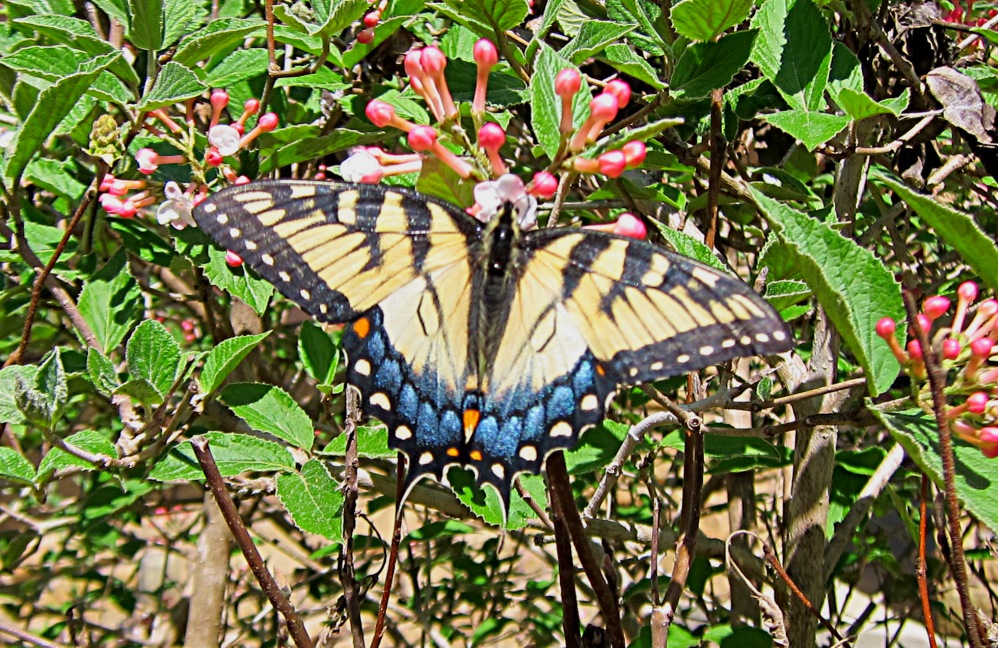
While we have begun our northern migration ahead of many birds the Cardinal, Mockingbird and Robin sing our wake up calls. Red wing black birds trade off singing with the Grackles and Swallows zip by our heads plucking insects from the air. Butterflies have unfurled their wings to meet the early flowers. We’ve seen the Eastern Tiger Swallowtail (Papilio glaucus), Zebra Swallowtail (Protographium marcellus) and beautiful Luna Moth (Actius luna).

Eastern Tiger SwallotailEastern Tiger Swallotail

Eastern Tiger Swallotail

The warm and cold days trade off in a battle of weather fronts. One day it’s tank tops and the next my down jacket. While trees on the mountain tops are still bare the trees in the lower elevations are now beginning to fill out and it’s getting harder to see through the branches. Green is everywhere. If it’s not in the forest then it’s the bright green grasses these states are famous for.

WhalesWhales

Whales

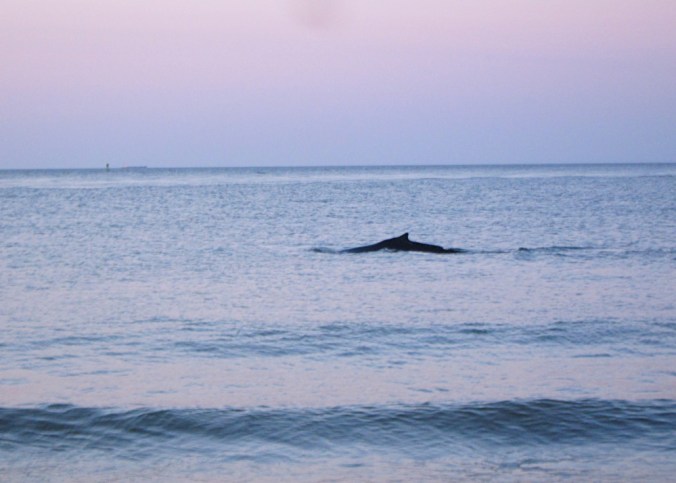
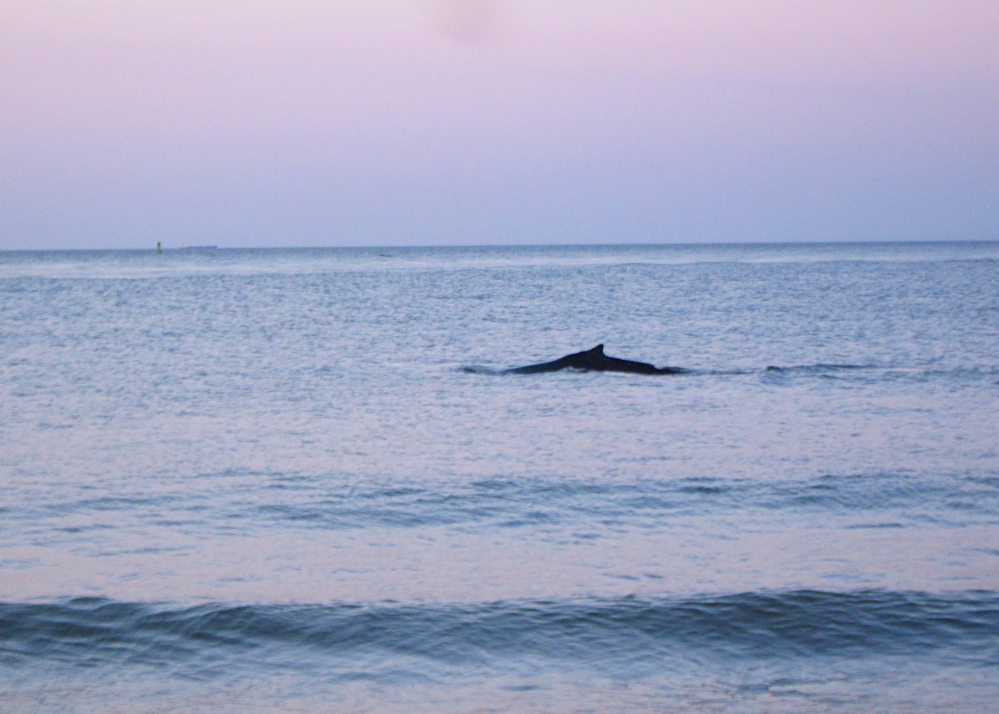
On the coast of Delaware the signs of spring show up in a different way. During a cold but lovely walk along the beach we stopped to notice a beached horseshoe crab. In our delay we not only caught the spring migrating dolphins and local porpoises hunting together but we also saw a humpback whale and it’s baby fishing not 40 yards from where we stood. It was an incredible sight.

Soon we’ll be in DC to explore our nations capital. An experience I am truly excited about. It’s sure to be a whole different kind of ecology than we’ve been seeing these last few months.

Spring in the east

Red Trillium (Trillium erectum)

Red Trillium (Trillium erectum)

As a coastal California native I’ve learned not only to see but appreciate the subtlety of the change in seasons. These last few weeks have afforded me the opportunity to see a slow progression of the shift into spring where the seasons are much more distinct. First with a ground flower here or there such as the red, white and sessile trilliums. Then we started to see a carpet of green under the still bare forest. Slowly the trees started not only to leaf out but trees like the Eastern Redbud (Cercis canadensis) and the white or pink Flowering Dogwood (Cornus florida) brightened up our paths.

While we have begun our northern migration ahead of many birds the Cardinal, Mockingbird and Robin sing our wake up calls. Red wing black birds trade off singing with the Grackles and Swallows zip by our heads plucking insects from the air. Butterflies have unfurled their wings to meet the early flowers. We’ve seen the Eastern Tiger Swallowtail (Papilio glaucus), Zebra Swallowtail (Protographium marcellus) and beautiful Luna Moth (Actius luna).

Eastern Tiger Swallotail

Eastern Tiger Swallowtail

The warm and cold days trade off in a battle of weather fronts. One day it’s tank tops and the next my down jacket. While trees on the mountain tops are still bare the trees in the lower elevations are now beginning to fill out and it’s getting harder to see through the branches. Green is everywhere. If it’s not in the forest then it’s the bright green grasses these states are famous for.

On the coast of Delaware the signs of spring show up in a different way. During a cold but lovely walk along the beach we stopped to notice a beached horseshoe crab. In our delay we not only caught the spring migratingWhales dolphins and local porpoises hunting together but we also saw a humpback whale and it’s baby fishing not 40 yards from where we stood. It was an incredible sight.

Soon we’ll be in DC to explore our nations capital. An experience I am truly excited about. It’s sure to be a whole different kind of ecology than we’ve been seeing these last few months.

A colorful surprise

BigBend_DesertMarigoldBigBend_DesertMarigold

BigBend_DesertMarigold

BigBend_TorreyYuccaBigBend_TorreyYucca

BigBend_TorreyYucca

“Flowers!” I exclaimed. I like flowers as much as the next flower liking person but, it’s not typical me to get so excited and my sudden outburst startled Tim. It was just at that moment realized that I hadn’t seen a wild flower for over five weeks. Coastal California doesn’t necessarily give you much time to miss flowers. At almost any time of year there is one to see in full bloom. Last week right after a soggy night we woke up in the clouds.
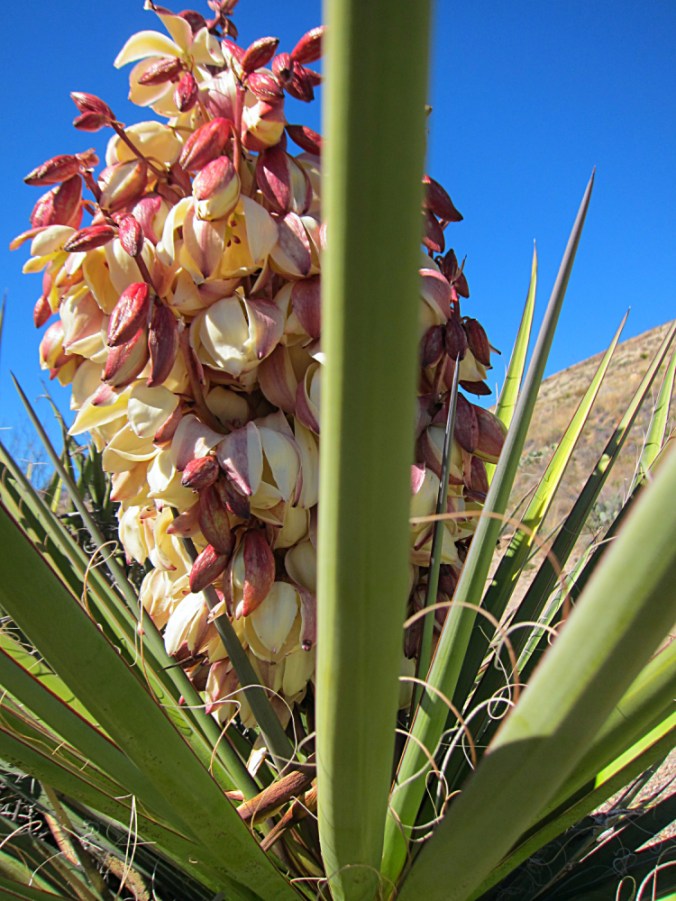
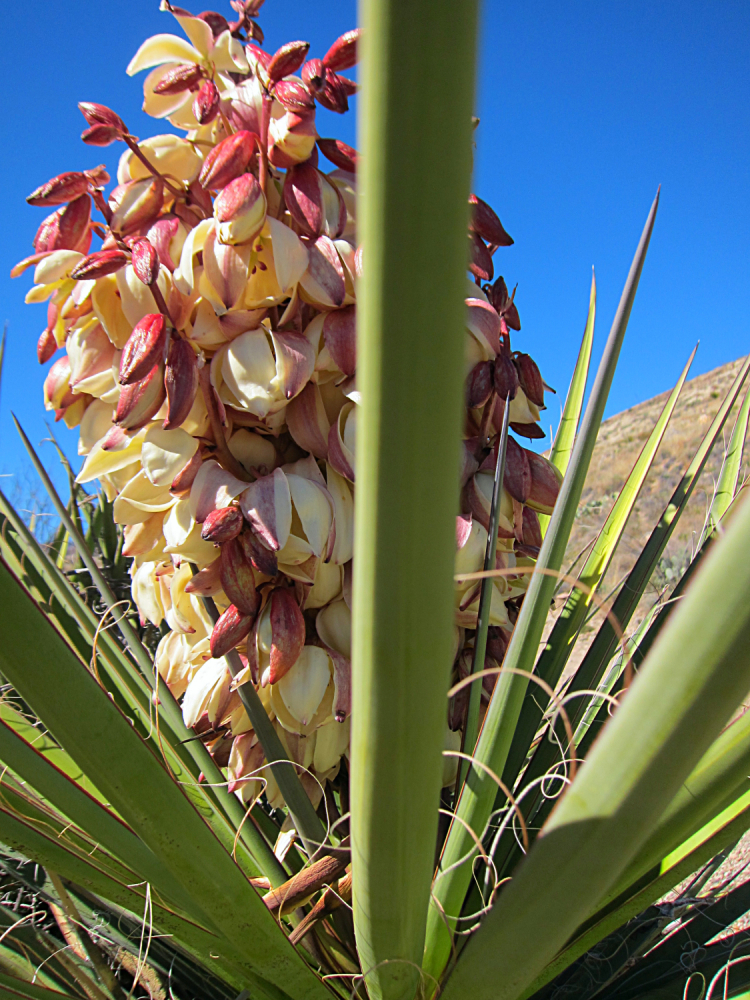
As we drove from the Guadalupe Mountains down into the west Texas valley below we could smell, windows rolled up and all, the strong resinous scent of the creosote plantation spread out before us. I didn’t think too much of this rain as we’ve had rain on and off all winter, as to be expected. Yet there we were a few days later driving along the fluid international border in Rio Grande Ranch State Park where I saw the flowers that got me so excited. Bright yellow Desert Marigolds (Baileya multiradiata) and deep purple Bluebonnet Lupines (Lupinus havardii) standing tall as if spring hit as soon as I turned the calendar to February. I wondered then at the psychology of flowers. I thought about how each year as we go through the cycle of the seasons. We watch the trees and shrubs die back, the days become darker, colder, shorter. It doesn’t take a study to tell me that the effect of wildflowers is simply a rebirth of the land. We’ve been through many spots where I could imagine a warm summer day with fully leaved trees creating a dappled sun effect on hikes that currently felt a little like walking towards the witches house in the woods with dark tree trunks and spiky branches protruding into the trails. We’ve seen the bare branches of ocotillos, acacias and mesquites outside with pictures and videos of the bright pops of a blooming desert inside many of the visitor centers. Flowers also mean the warmth of sun. For the past several days we’ve been in Big Bend National Park soaking up the warm sun and flowers. We’ve seen Bi-colored Mustards (Nerisyrenia camporum), Mock Vervain (Glandularia bipinnatifida), blooming creosote and yuccas and many more yellows, whites, purples and pinks amongst all the greens and browns. With flowers comes pollinators and the many colors of butterflies flitting about didn’t disappoint either.

Even though no one needs a study to tell us that flowers (generally) make us happy I did look into it and it turns out that Rutgers recently published a scientific study on the emotional impact of flowers. The findings show that flowers trigger positive emotions and lower stress levels. So yeah, duh. I thought I’d also look into butterflies since there were so many around and was reminded that the greek word for butterfly is “phyche” and that it’s the root of the word psychology. This all seemed very significant for me because January was pretty dark, cold and often times frustrating as we learned the ropes of life on the road. The rebirth of color is showing up in more places than just the ground under my feet.

As we head out of Big Bend tomorrow we begin desert departure. The weather took a dramatic turn this afternoon and I can feel the next storm blowing in as Squatch rocks in the wind. I’m sure there are many more beautiful floral surprises and springs ahead in our journey east.

A colorful surprise

BigBend_DesertMarigold“Flowers!” I exclaimed. I like flowers as much as the next flower liking person but, it’s not typical me to get so excited and my sudden outburst startled Tim. It was just at that moment realized that I hadn’t seen a wild flower for over five weeks. Coastal California doesn’t necessarily give you much time to miss flowers. At almost any time of year there is one to see in full bloom. Last week right after a soggy night we woke up in the clouds.

As we drove from the Guadalupe Mountains down into the west Texas valley below we could smell, windows rolled up and all, the strong resinous scent of the creosote plantation spread out before us. I didn’t think too much of this rain as we’ve had rain on and off all winter, as to be expected. Yet there we were a few days later driving along the fluid international border in Rio Grande Ranch State Park where I saw the flowers that got me so excited. Bright yellow Desert Marigolds (Baileya multiradiata) and deep purple Bluebonnet Lupines (Lupinus havardii) standing tall as if spring hit as soon as I turned the calendar to February. I wondered then at the psychology of flowers. I thought about how each year as we go through the cycle of the seasons. We watch the trees and shrubs die back, the days become darker, colder, shorter. It doesn’t take a study to tell me that the effect of wildflowers is simply a rebirth of the land. We’ve been through many spots where I could imagine a warm summer day with fully leaved trees creating a dappled sun effect on hikes that currently felt a little like walking towards the witches house in the woods with dark tree trunks and spiky branches protruding into the trails. We’ve seen the bare branches of ocotillos, acacias and mesquites outside with pictures and videos of the bright pops of a blooming desert inside many of the visitor centers. Flowers also mean the warmth of sun. For the past several days we’ve been in Big Bend National Park soaking up the warm sun and flowers. We’ve seen Bi-colored Mustards (Nerisyrenia camporum), Mock Vervain (Glandularia bipinnatifida), blooming creosote and yuccas and many more yellows, whites, purples and pinks amongst all the greens and browns. With flowers comes pollinators and the many colors of butterflies flitting about didn’t disappoint either.BigBend_TorreyYucca

Even though no one needs a study to tell us that flowers (generally) make us happy I did look into it and it turns out that Rutgers recently published a scientific study on the emotional impact of flowers. The findings show that flowers trigger positive emotions and lower stress levels. So yeah, duh. I thought I’d also look into butterflies since there were so many around and was reminded that the greek word for butterfly is “phyche” and that it’s the root of the word psychology. This all seemed very significant for me because January was pretty dark, cold and often times frustrating as we learned the ropes of life on the road. The rebirth of color is showing up in more places than just the ground under my feet.

As we head out of Big Bend tomorrow we begin desert departure. The weather took a dramatic turn this afternoon and I can feel the next storm blowing in as Squatch rocks in the wind. I’m sure there are many more beautiful floral surprises and springs ahead in our journey east.