Sharing Space

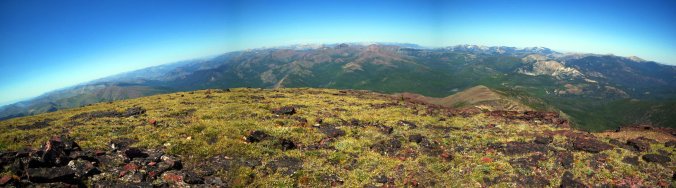
The Scapegoat Wilderness from Red Mountain - Photo by Tim GillerThe Scapegoat Wilderness from Red Mountain - Photo by Tim Giller

The Scapegoat Wilderness from Red Mountain – Photo by Tim Giller

I hadn’t walked 100 yards before I considered that maybe we should have brought two cans of bear spray. I had left our ursine strength pepper spray with Rachael at the ridgeline and hurried off alone to the top of Red Mountain.

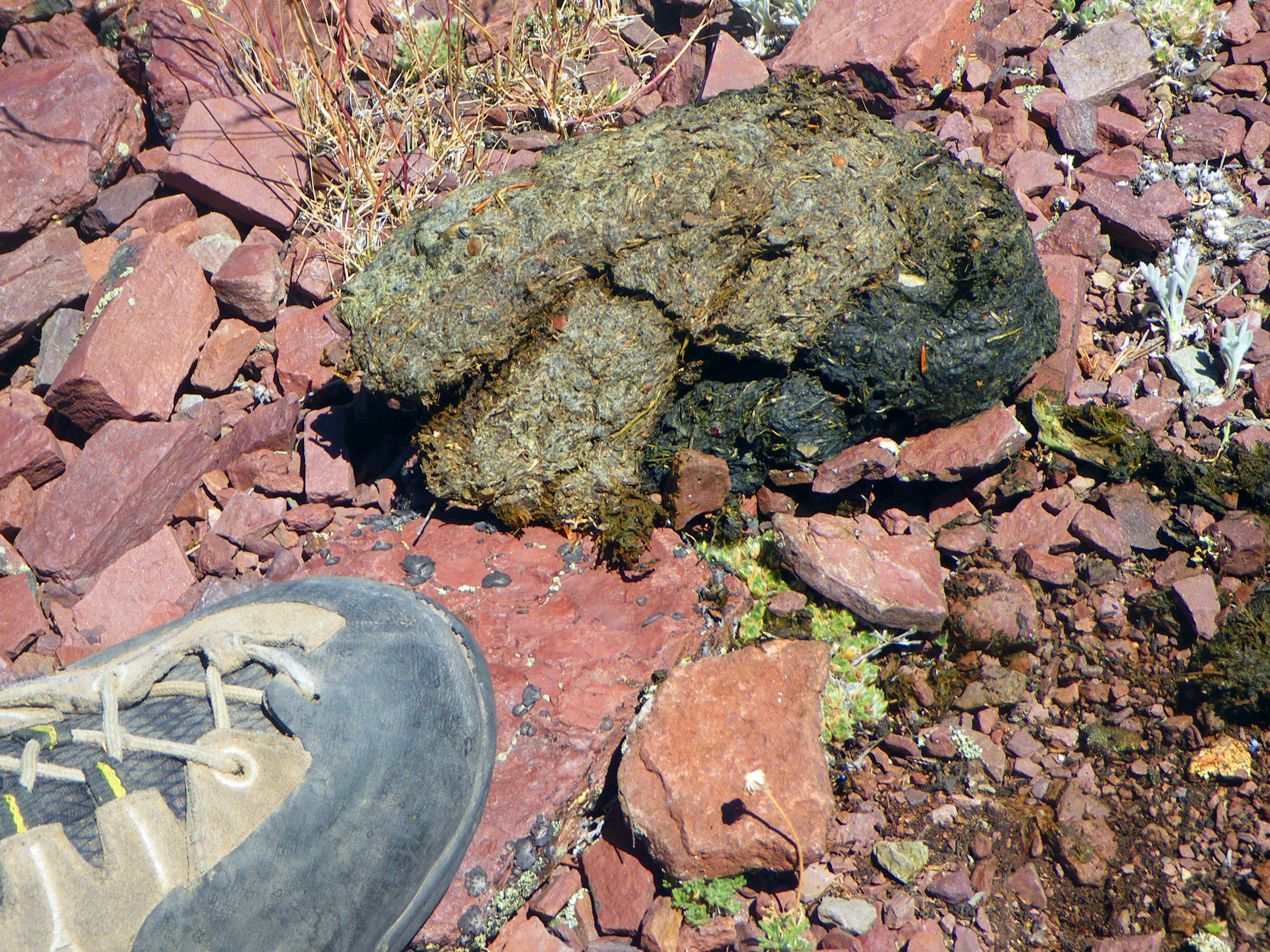
Grizzly ScatGrizzly Scat

Grizzly Scat

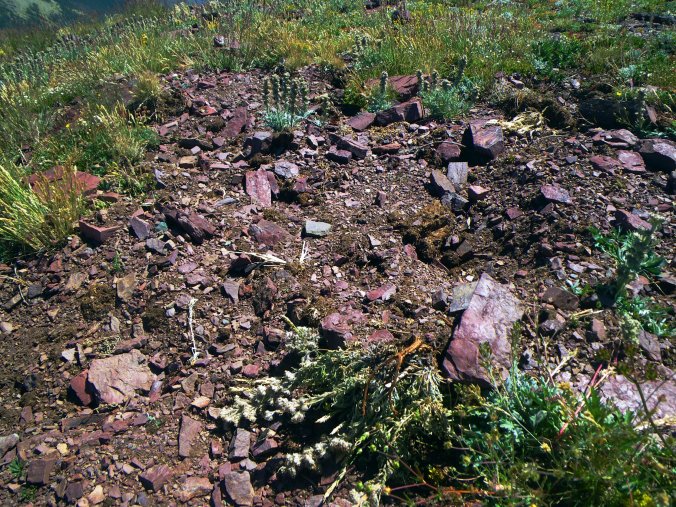
When my boot kicked a cow-patty sized lump of partially dried Grizzly dung I took in my surroundings and noticed that something had been busy tearing into the stony ground to get at the roots of the low lying tundra plants on this high slope.
Grizzly DiggingGrizzly Digging

Grizzly Digging

I could see most of this wide-open country above tree line but I thought maybe I should be shouting “Hey bear!” more loudly and frequently just in case there was anything tucked into the folds of the mountain. With a stiff wind it would be unlikely that I would be heard or smelled and surprising a nearsighted animal with 4-inch claws that can weigh 500lbs or more is bad idea.

From the summit of Red Mountain, the highest point in the Scapegoat Wilderness, you can look north into one of the biggest chunks of wildland in America. The Bob Marshal Wilderness Complex, or “The Bob” includes the Scapegoat and abuts Glacier National Park, protected land stretching 150 miles to the Canadian border, with plenty of wildland on the other side as well. This is the kind of space that Grizzlies need. A male might wander over a 1000 square mile range and can be choosy about who he shares it with. The land before me is a complicated topography of dispersed jagged peaks and rounded domes with no clear central spine all rising up in a massif with innumerable valleys and grottos. I could only imagine the rich variety of wild things in there. Some I didn’t have to imagine, Elk and White-tailed deer had shown themselves on the hike in and at lakeside near our camp. A Bald Eagle was stationed in the snag above us as we picked a spot for our tent. He gave me a stern and regal look over his shoulder before flying off, clearly annoyed that we had to put our tent right there. But what else might be out deeper in this wilderness? Grizzly of course and plenty of his cousin the Black Bear. This land must be rich territory for Grey Wolves if we have the humility to share it. I love the thought of our most elusive wild creature, the Wolverine, lurking somewhere no more than a days walk away. A human days walk that is. Wolverines are obsessive and fast-paced wanderers that can cover 40 plus miles over peaks and cliffs while I’m slugging away on a well-maintained trail for 12 miles.

These creatures need elbow room. And we’ve had the wisdom to set some aside. We get into debates about owls or fish or snails but it’s never about some single species that may be on the brink. Each of these animals represents an array life that shapes the web of an intact ecosystem. Having the courage to protect a rare butterfly means that we are also protecting the life it shares space with. When we can save enough space for wide-ranging and charismatic animals it almost always means that a whole host of species gets roped in for protection. Outside of Alaska this region is one of the best we’ve got when we are ready to think big, and some of us are ready. America stakes its identity on bold ideas, democracy, civil liberties, the National Park System. Bold ideas have been shaping over the past 30 years or more of preserving the wilderness we have left and finding ways of co-existing in the places that have been or will be developed. Habitat loss and fragmentation is the most common cause of species decline and extinction. It seems that we are going to have to re-learn how to share, if only for the fact that if you take out too many of our ecological puzzle pieces the whole thing that make this place habitable may crumble away. Large scale wildlife corridors, rewilding the landscape and cross continent proposals like the Yellowstone to Yukon Conservation Initiative (Y2Y) and The Algonquin to Adirondacks (A2A) Collaborative are a just a few of the things on the table.
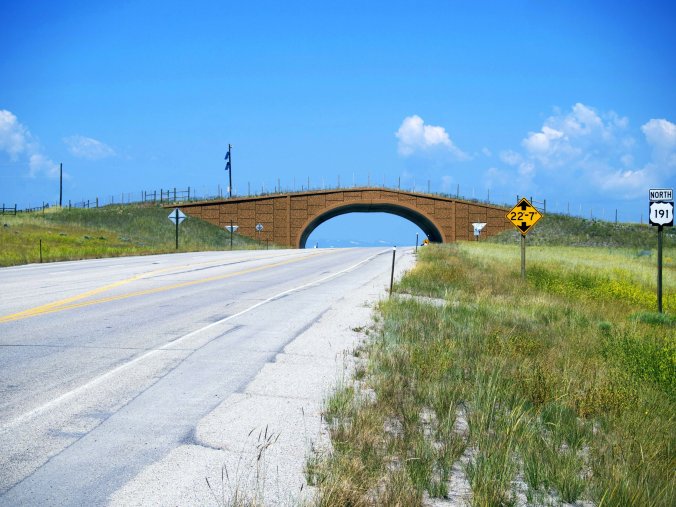
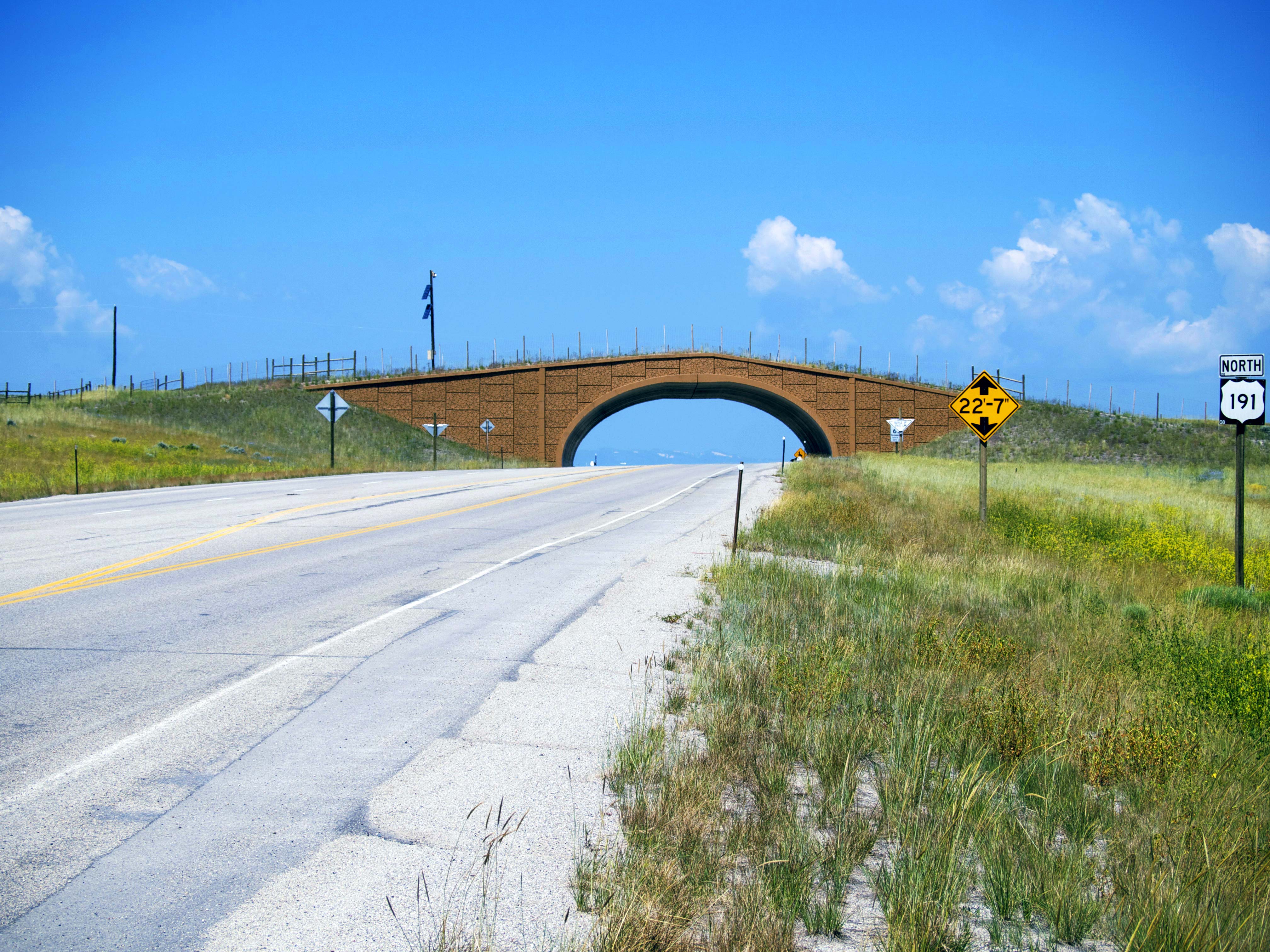
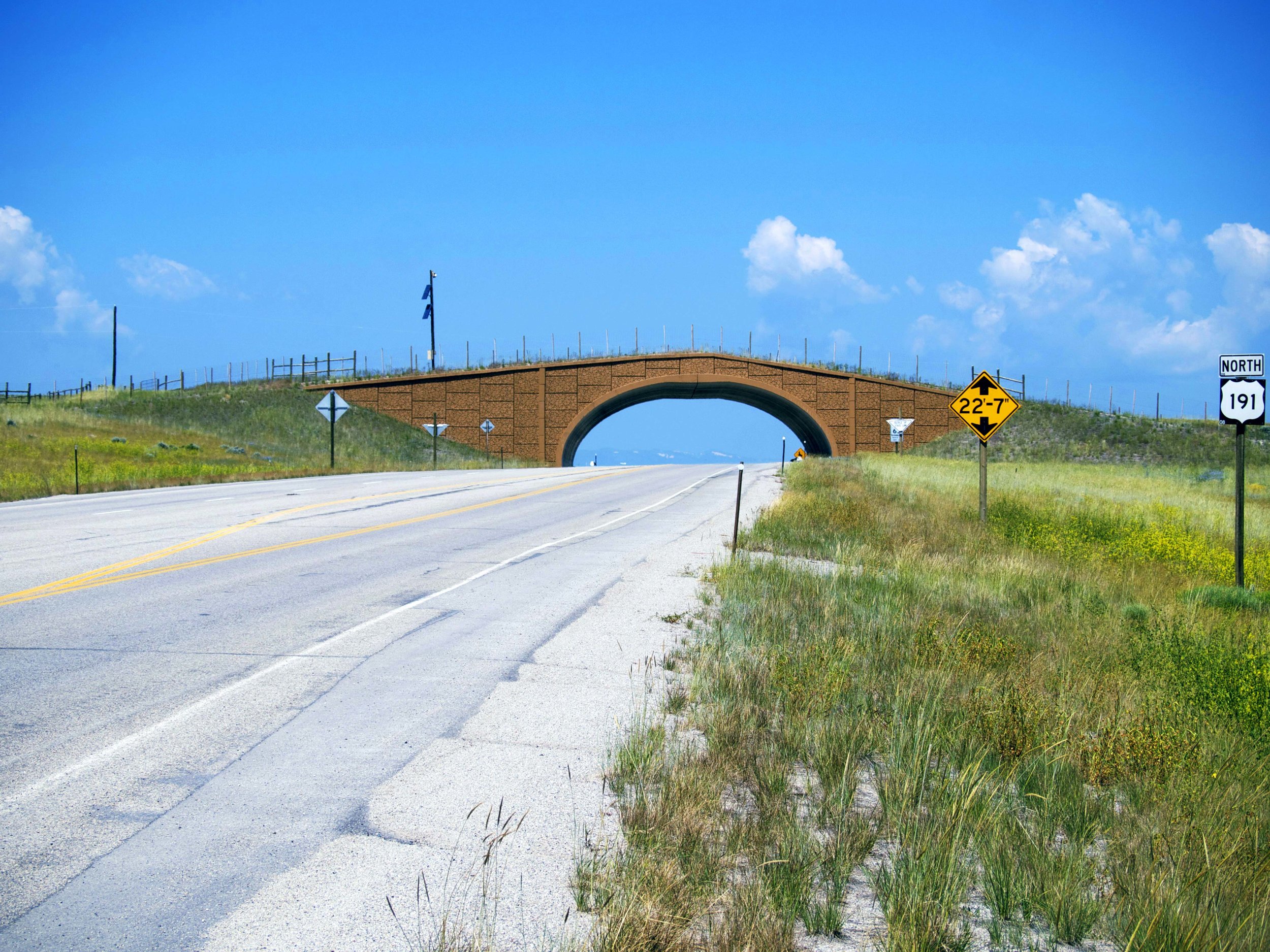
Pronghorn Overpass, WY - Photo by Tim GillerPronghorn Overpass, WY - Photo by Tim Giller

Pronghorn Overpass, WY – Photo by Tim Giller

While in Wyoming we learned that the state hosts the most dramatic migration event south of the Arctic. Pronghorn here migrate over 200 miles between summer grounds around Grand Teton National Park and winter grounds in the Red Desert south of the Wind River Range. Unfortunately we have been accumulating obstacles for them across the landscape like roads, homesteads, petrochemical wells and cattle fencing. Shaped by the now-extinct North American Cheetah, these are the fastest animals on the continent. They evolved to move quickly and widely in the vast open spaces of the west. They did not evolve with the need to jump. With the thousands of miles of barbed wire stretched across the cattle lands this is a huge liability. They can easily become trapped on the wrong side or entangled when trying to cross ranch land. By collaborating with ranchers and other landowners there are some simple solutions like removing the bottom row of wire or replacing it with a barb-less one. These svelte animals are quite good at slipping underneath. We can also use this liability to help them get through our lethal tangle of highways safely. A number of well-designed “animal overpasses” have been created at crucial migration points in the region. Robust fencing has been installed to funnel Pronghorn to these allowing them to avoid crossing busy stretches of road.
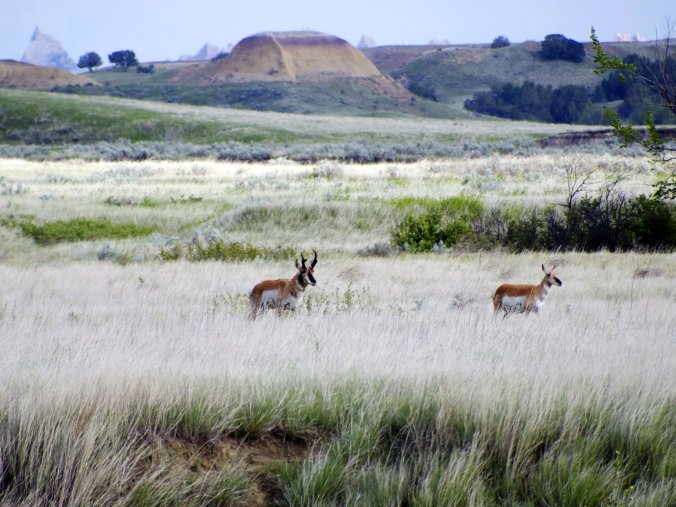
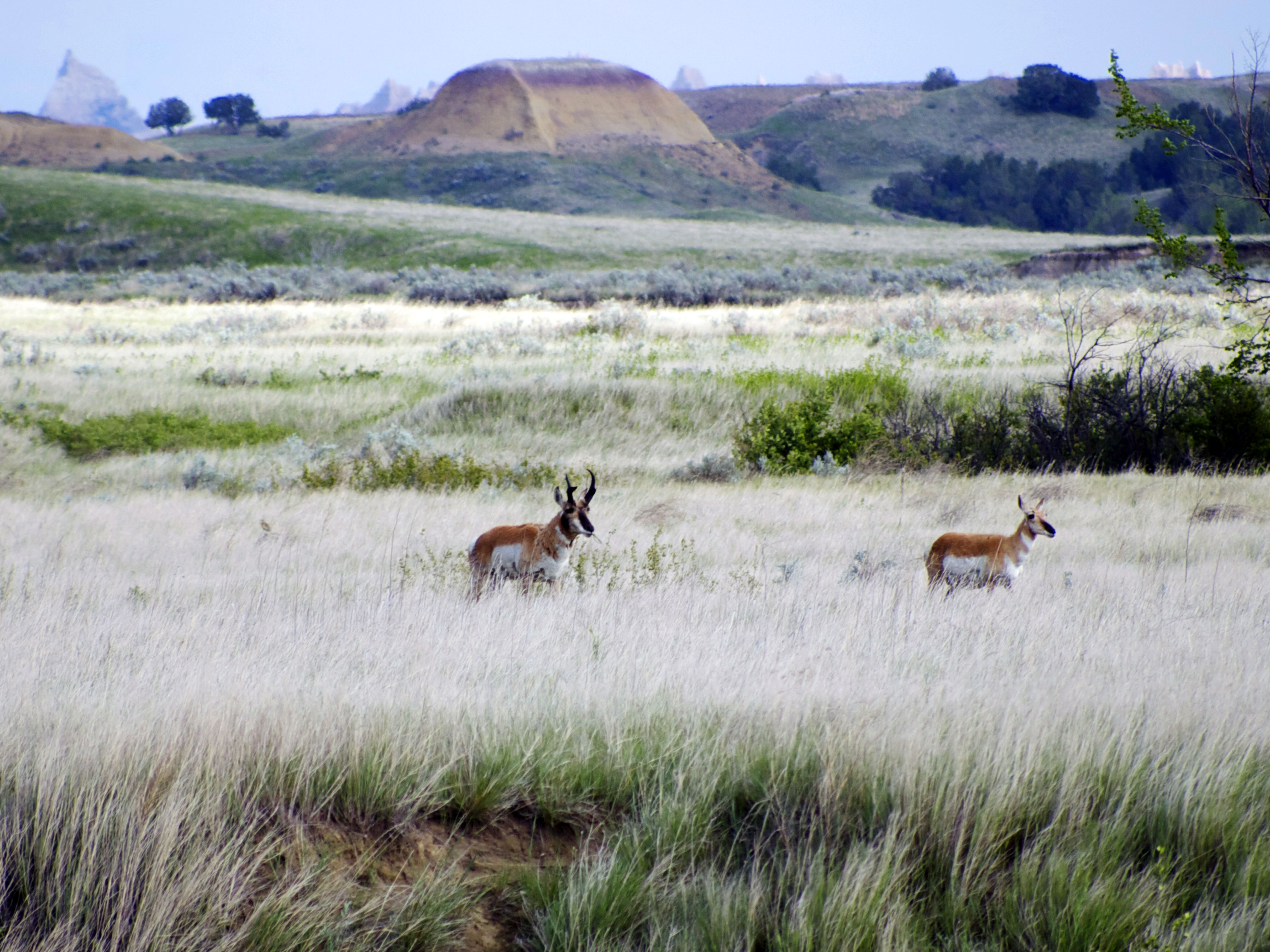
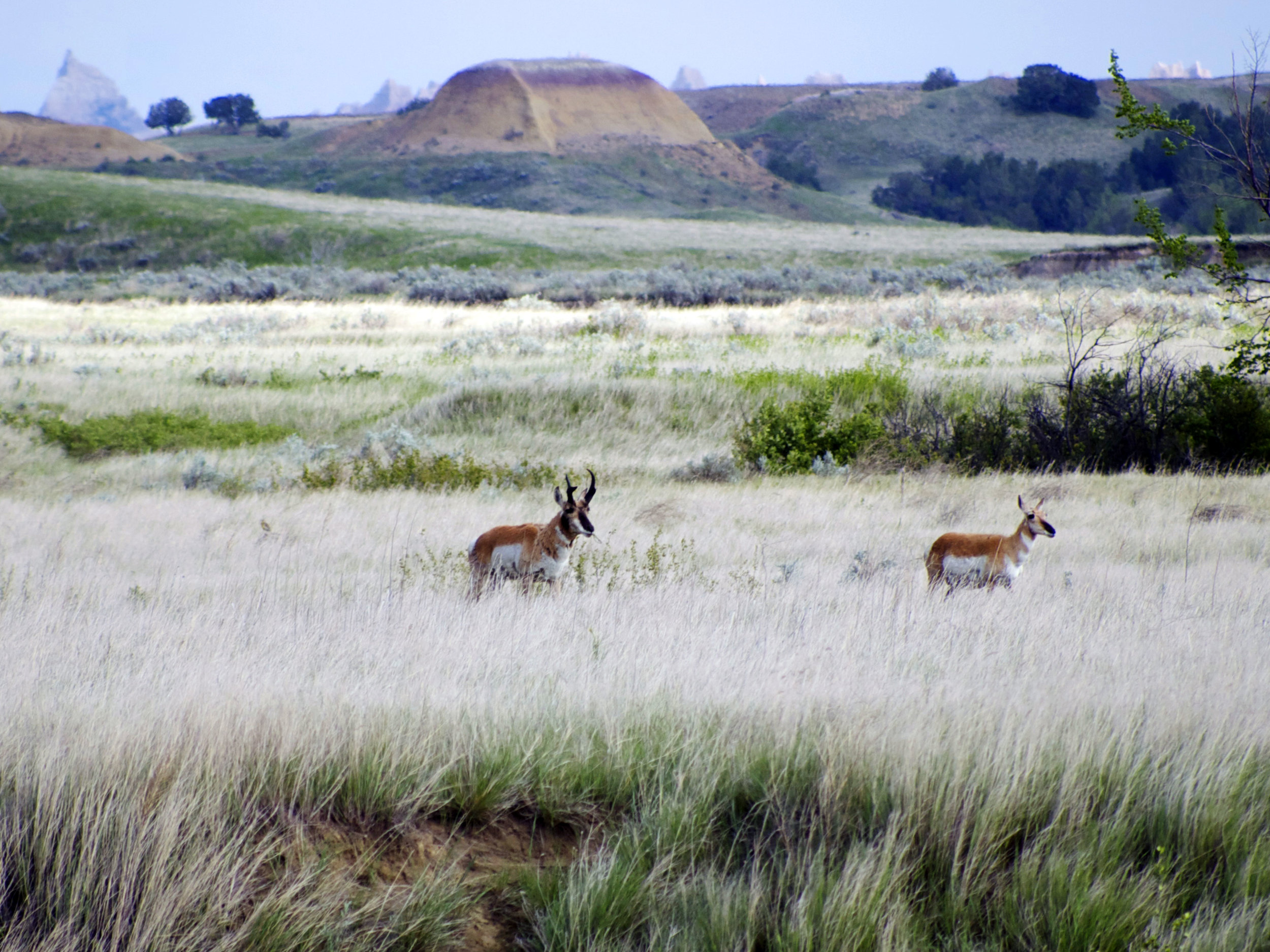
Pronghorn in South Dakota - Phot by Tim GillerPronghorn in South Dakota - Phot by Tim Giller

Pronghorn in South Dakota – Phot by Tim Giller

It’s hard to imagine an animal that better represents the challenges and rewards involved in sharing the landscape. Commonly referred to as the American or Pronghorn Antelope this species is uniquely American and literally in a class of it’s own. It is also a beautiful animal and respected by hunters, wildlife watchers and even ranchers. They seem to be asking so little from us in order to co-exist. In their tawny and white coats offset by the sage expanses they are visible. It as though, knowing they are the quickest thing out there, they are unafraid to be the emblem of the wild and free possibilities that are also uniquely American.

For more info on the Pronghorn migration and some wonderful photos take a look at this National Geographic article:

http://news.nationalgeographic.com/news/2009/08/photogalleries/pronghorn-antelope-migration-missions-pictures/index.html

Sharing Space

The Scapegoat Wilderness from Red Mountain - Photo by Tim Giller

The Scapegoat Wilderness from Red Mountain – Photo by Tim Giller

I hadn’t walked 100 yards before I considered that maybe we should have brought two cans of bear spray. I had left our ursine strength pepper spray with Rachael at the ridgeline and hurried off alone to the top of Red Mountain.

Grizzly Scat

Grizzly Scat

When my boot kicked a cow-patty sized lump of partially dried Grizzly dung I took in my surroundings and noticed that something had been busy tearing into the stony ground to get at the roots of the low lying tundra plants on this high slope.

Grizzly Digging

Grizzly Digging

I could see most of this wide-open country above tree line but I thought maybe I should be shouting “Hey bear!” more loudly and frequently just in case there was anything tucked into the folds of the mountain. With a stiff wind it would be unlikely that I would be heard or smelled and surprising a nearsighted animal with 4-inch claws that can weigh 500lbs or more is bad idea.

From the summit of Red Mountain, the highest point in the Scapegoat Wilderness, you can look north into one of the biggest chunks of wildland in America. The Bob Marshal Wilderness Complex, or “The Bob” includes the Scapegoat and abuts Glacier National Park, protected land stretching 150 miles to the Canadian border, with plenty of wildland on the other side as well. This is the kind of space that Grizzlies need. A male might wander over a 1000 square mile range and can be choosy about who he shares it with. The land before me is a complicated topography of dispersed jagged peaks and rounded domes with no clear central spine all rising up in a massif with innumerable valleys and grottos. I could only imagine the rich variety of wild things in there. Some I didn’t have to imagine, Elk and White-tailed deer had shown themselves on the hike in and at lakeside near our camp. A Bald Eagle was stationed in the snag above us as we picked a spot for our tent. He gave me a stern and regal look over his shoulder before flying off, clearly annoyed that we had to put our tent right there. But what else might be out deeper in this wilderness? Grizzly of course and plenty of his cousin the Black Bear. This land must be rich territory for Grey Wolves if we have the humility to share it. I love the thought of our most elusive wild creature, the Wolverine, lurking somewhere no more than a days walk away. A human days walk that is. Wolverines are obsessive and fast-paced wanderers that can cover 40 plus miles over peaks and cliffs while I’m slugging away on a well-maintained trail for 12 miles.

These creatures need elbow room. And we’ve had the wisdom to set some aside. We get into debates about owls or fish or snails but it’s never about some single species that may be on the brink. Each of these animals represents an array life that shapes the web of an intact ecosystem. Having the courage to protect a rare butterfly means that we are also protecting the life it shares space with. When we can save enough space for wide-ranging and charismatic animals it almost always means that a whole host of species gets roped in for protection. Outside of Alaska this region is one of the best we’ve got when we are ready to think big, and some of us are ready. America stakes its identity on bold ideas, democracy, civil liberties, the National Park System. Bold ideas have been shaping over the past 30 years or more of preserving the wilderness we have left and finding ways of co-existing in the places that have been or will be developed. Habitat loss and fragmentation is the most common cause of species decline and extinction. It seems that we are going to have to re-learn how to share, if only for the fact that if you take out too many of our ecological puzzle pieces the whole thing that make this place habitable may crumble away. Large scale wildlife corridors, rewilding the landscape and cross continent proposals like the Yellowstone to Yukon Conservation Initiative (Y2Y) and The Algonquin to Adirondacks (A2A) Collaborative are a just a few of the things on the table.

Pronghorn Overpass, WY - Photo by Tim Giller

Pronghorn Overpass, WY – Photo by Tim Giller

While in Wyoming we learned that the state hosts the most dramatic migration event south of the Arctic. Pronghorn here migrate over 200 miles between summer grounds around Grand Teton National Park and winter grounds in the Red Desert south of the Wind River Range. Unfortunately we have been accumulating obstacles for them across the landscape like roads, homesteads, petrochemical wells and cattle fencing. Shaped by the now-extinct North American Cheetah, these are the fastest animals on the continent. They evolved to move quickly and widely in the vast open spaces of the west. They did not evolve with the need to jump. With the thousands of miles of barbed wire stretched across the cattle lands this is a huge liability. They can easily become trapped on the wrong side or entangled when trying to cross ranch land. By collaborating with ranchers and other landowners there are some simple solutions like removing the bottom row of wire or replacing it with a barb-less one. These svelte animals are quite good at slipping underneath. We can also use this liability to help them get through our lethal tangle of highways safely. A number of well-designed “animal overpasses” have been created at crucial migration points in the region. Robust fencing has been installed to funnel Pronghorn to these allowing them to avoid crossing busy stretches of road.

Pronghorn in South Dakota - Phot by Tim Giller

Pronghorn in South Dakota – Phot by Tim Giller

It’s hard to imagine an animal that better represents the challenges and rewards involved in sharing the landscape. Commonly referred to as the American or Pronghorn Antelope this species is uniquely American and literally in a class of it’s own. It is also a beautiful animal and respected by hunters, wildlife watchers and even ranchers. They seem to be asking so little from us in order to co-exist. In their tawny and white coats offset by the sage expanses they are visible. It as though, knowing they are the quickest thing out there, they are unafraid to be the emblem of the wild and free possibilities that are also uniquely American.

For more info on the Pronghorn migration and some wonderful photos take a look at this National Geographic article:

http://news.nationalgeographic.com/news/2009/08/photogalleries/pronghorn-antelope-migration-missions-pictures/index.html

Mountain Mysteries

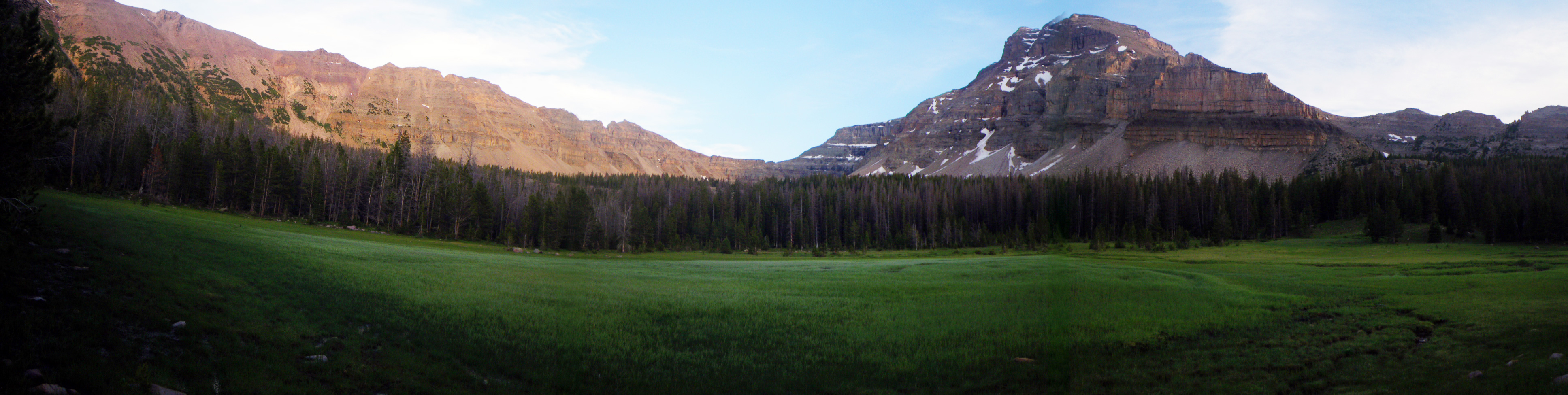
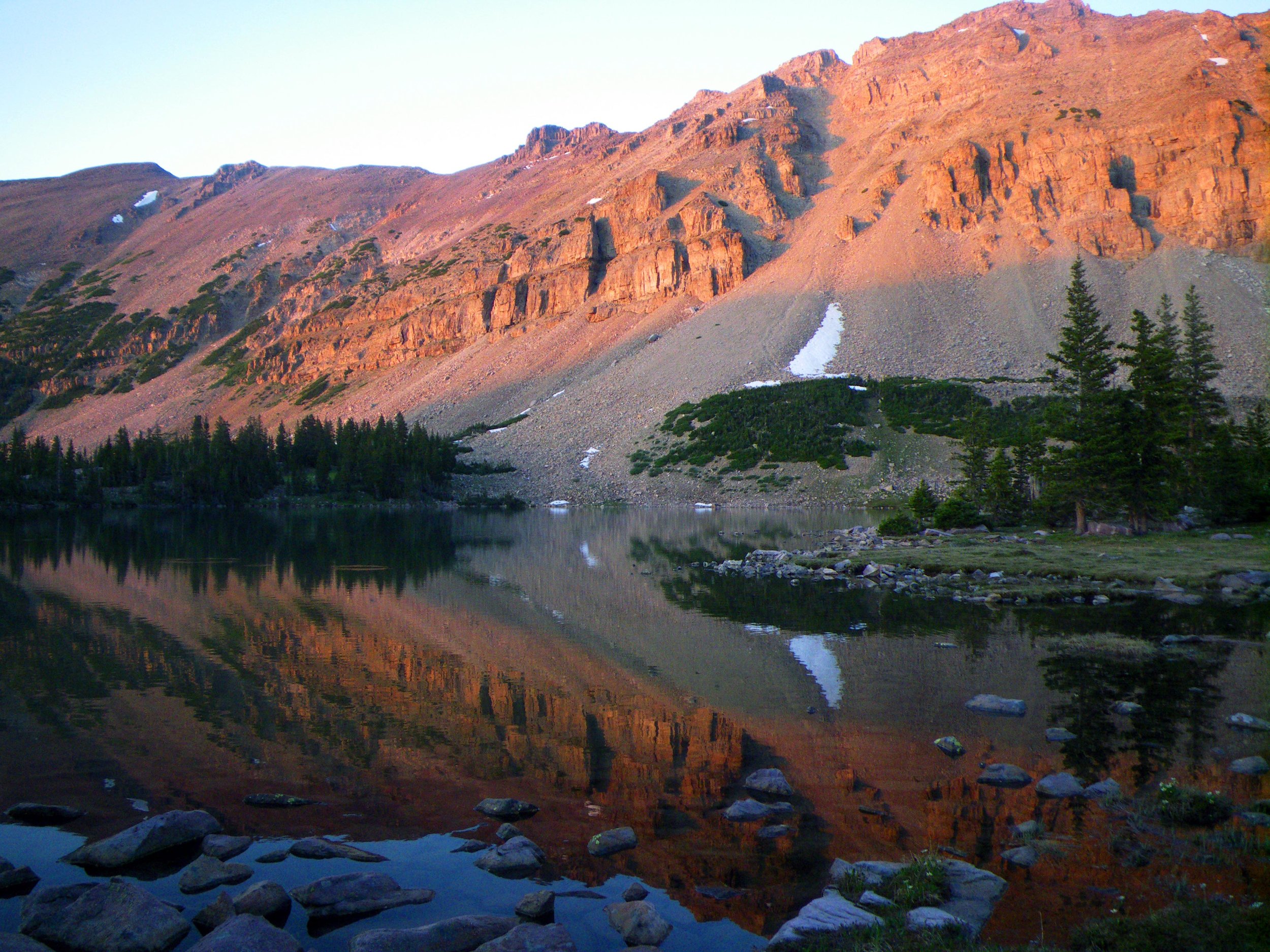
Amethyst Basin, High Uinta Wilderness - Photo by Tim GillerAmethyst Basin, High Uinta Wilderness - Photo by Tim Giller

Amethyst Basin, High Uinta Wilderness – Photo by Tim Giller

The Toiyabes, the Virginia Range, the Ruby Mountains. I learned from my 7th grade Nevada history teacher, Mr Gandolfo, that the state has the most distinct mountain ranges in the U.S. The Pah Rah Range, the Jarbridge Mountains, the Clan Alpine. Basin and Range. Broad valleys of sagebrush flats, a fragrant plant community of subtle color covering vast fans of alluvial outwash thousands of feet deep riding downward on enormous slabs of the Earth’s crust. The valley edges contour almost imperceptibly up to meet the abrupt escarpments of fault block ranges pushing upward. These are deep and wide valleys alternating with steep and rugged mountains are where I first encountered islands-in-the-sky. Mountain ecosystems once connected in cooler and wetter times are now separated by inhospitably dry lowlands. Trees and mammals and reptiles, evolving separately become just different enough to earn new names. Maybe someday the climate may cool again and these cousins will mix, sharing what new traits they’ve acquired.

Amethyst Lake, High Uinta Wilderness - Photo by Tim GIllerAmethyst Lake, High Uinta Wilderness - Photo by Tim GIller

Amethyst Lake, High Uinta Wilderness – Photo by Tim GIller

The Brooks Range, the Atlas Mountains, Annapurna Sanctuary. Throughout my travels, or while scanning over maps I can’t help looking at the different ranges of the world and wonder what secrets they might have, what hidden treasures are concealed in their folds and crevices. Mountains have complex topography that can only be hinted at when viewed from the flatlands below. Each acre of the Rockies has double the landmass of its prairie neighbor. Hiding behind all those ridges and inside the creases are pocket meadows, beaver ponds, rippling cascades and grotto waterfalls. The only way to know this is by going in and up. Standing knee high in the sagebrush below on a hot afternoon you might never imagine the cool aspen glades above in some hanging valley surrounded by cliffs and lying just out of your vision.

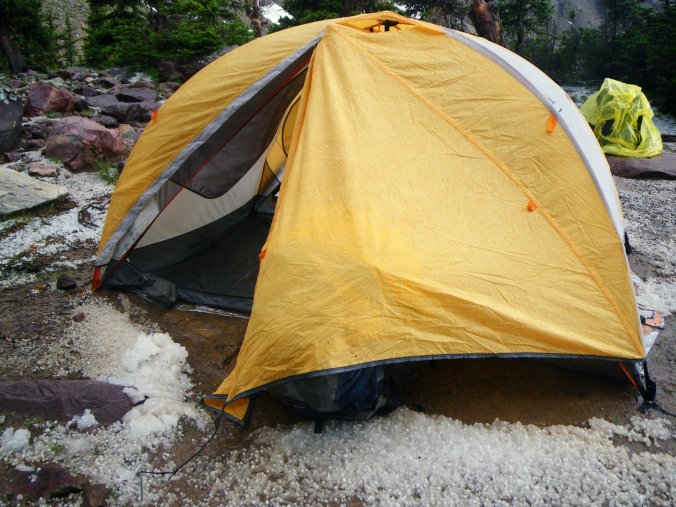
TentTent

Tent

            The Bighorn Mountains, the Absaroka Range, the Gros Ventre. When I imagined the Uinta Mountains of eastern Utah I pictured a broad hunchback of open country with low vegetation to match the rocky deserts to the south. What Rachael and I found was a cool and heavily forested extension of the greater Rockies with layered and pyramidal peaks. We spend three days hiking into the high country and it was a welcome respite from the summer heat. That heat below did generate some dramatic thunderstorms and we once again found ourselves in the midst of a hailstorm, this time with only the shelter of our nylon tent. It passed quickly though and the sun returned just in time to dry our gear.

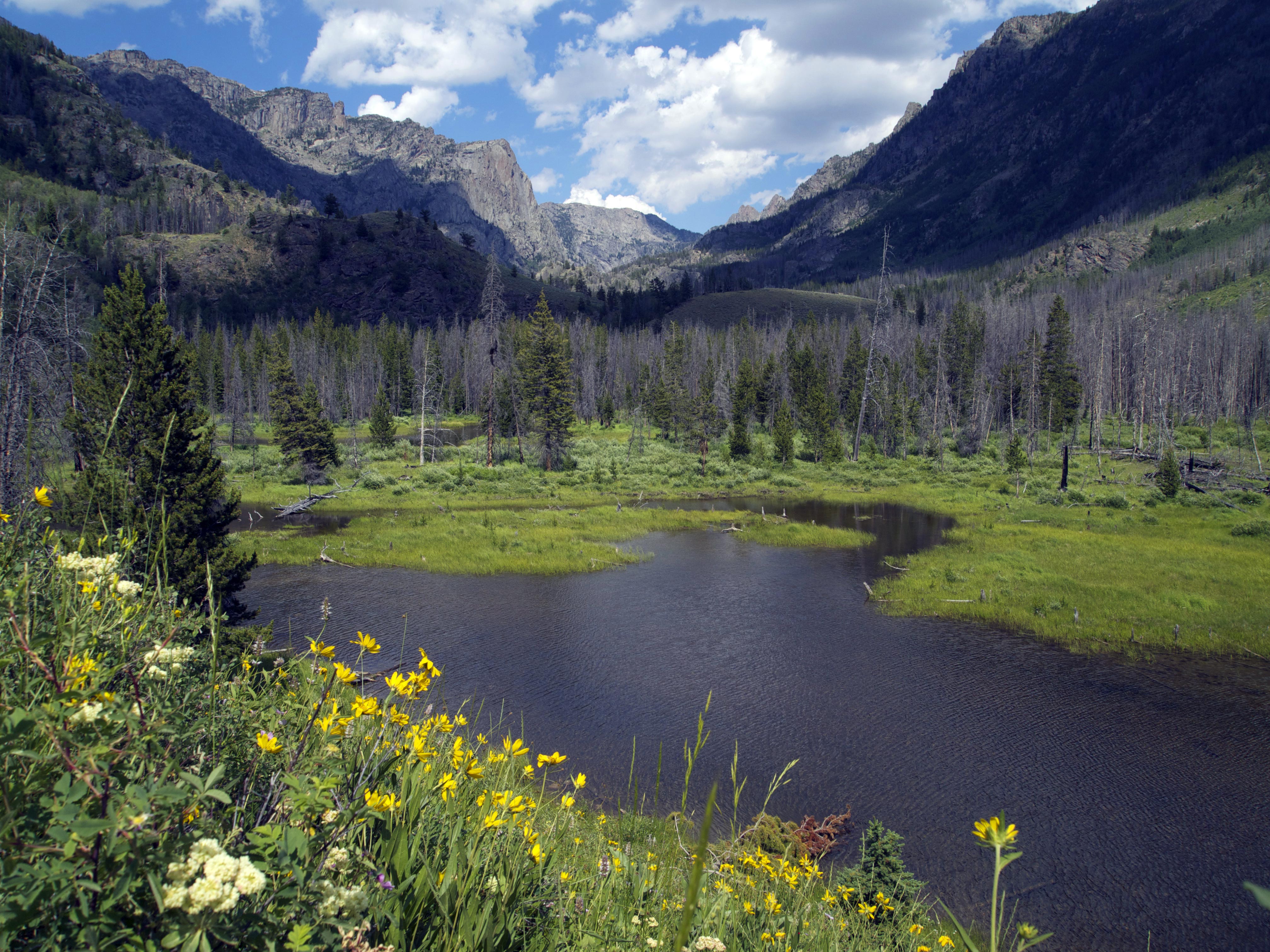
Wind River Range, Wyoming - Photo by Tim GillerWind River Range, Wyoming - Photo by Tim Giller

Wind River Range, Wyoming – Photo by Tim Giller

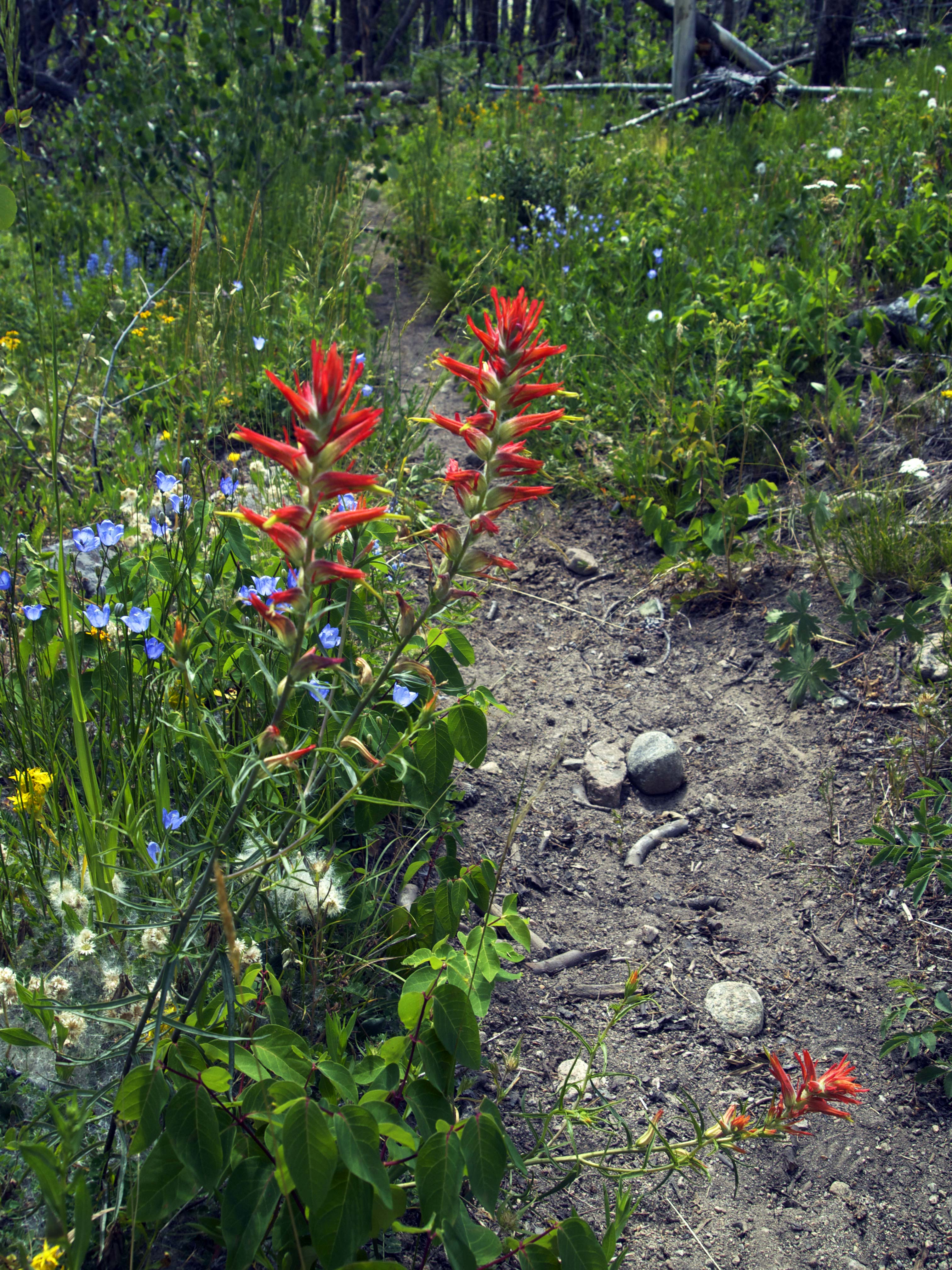
The Sawtooth Range, the Calico Mountains, the Sangre de Cristos. A couple of days later while walking into the Wind River Range of Wyoming our discoveries were wildflowers. I don’t think I’ve ever seen such an abundance of flowers. They lined the trail often if a full variety of color or hillsides would be covered in an unbroken field of yellow or lavender.

Bridger Wilderness, Wind River Range - Photo by Tim GillerBridger Wilderness, Wind River Range - Photo by Tim Giller

Bridger Wilderness, Wind River Range – Photo by Tim Giller

The mixing palette included fragrance that shifted around each bend as different flowers predominated. Climbing higher into the deep canyon it was hard to resist the compulsion to see what the next bend might reveal but we had to turn back as the day was getting late. Fortunately we should have plenty of opportunities to see more mountains during the next couple of months as our path follows the Rockies into Canada and up to Alaska. There should be no shortage of surprises amidst those peaks.

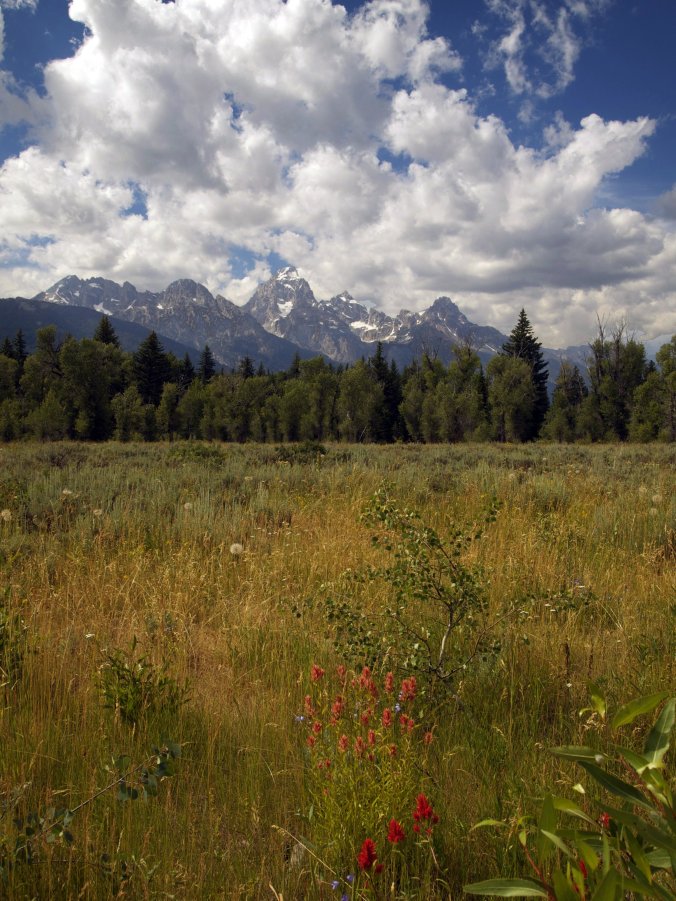
Tetons, Wyoming - Photo by Tim GillerTetons, Wyoming - Photo by Tim Giller

Tetons, Wyoming – Photo by Tim Giller

Mountain Mysteries

Amethyst Basin, High Uinta Wilderness - Photo by Tim Giller

Amethyst Basin, High Uinta Wilderness – Photo by Tim Giller

The Toiyabes, the Virginia Range, the Ruby Mountains. I learned from my 7th grade Nevada history teacher, Mr Gandolfo, that the state has the most distinct mountain ranges in the U.S. The Pah Rah Range, the Jarbridge Mountains, the Clan Alpine. Basin and Range. Broad valleys of sagebrush flats, a fragrant plant community of subtle color covering vast fans of alluvial outwash thousands of feet deep riding downward on enormous slabs of the Earth’s crust. The valley edges contour almost imperceptibly up to meet the abrupt escarpments of fault block ranges pushing upward. These are deep and wide valleys alternating with steep and rugged mountains are where I first encountered islands-in-the-sky. Mountain ecosystems once connected in cooler and wetter times are now separated by inhospitably dry lowlands. Trees and mammals and reptiles, evolving separately become just different enough to earn new names. Maybe someday the climate may cool again and these cousins will mix, sharing what new traits they’ve acquired.


Amethyst Lake, High Uinta Wilderness - Photo by Tim GIller

Amethyst Lake, High Uinta Wilderness – Photo by Tim GIller

The Brooks Range, the Atlas Mountains, Annapurna Sanctuary. Throughout my travels, or while scanning over maps I can’t help looking at the different ranges of the world and wonder what secrets they might have, what hidden treasures are concealed in their folds and crevices. Mountains have complex topography that can only be hinted at when viewed from the flatlands below. Each acre of the Rockies has double the landmass of its prairie neighbor. Hiding behind all those ridges and inside the creases are pocket meadows, beaver ponds, rippling cascades and grotto waterfalls. The only way to know this is by going in and up. Standing knee high in the sagebrush below on a hot afternoon you might never imagine the cool aspen glades above in some hanging valley surrounded by cliffs and lying just out of your vision.

Tent            The Bighorn Mountains, the Absaroka Range, the Gros Ventre. When I imagined the Uinta Mountains of eastern Utah I pictured a broad hunchback of open country with low vegetation to match the rocky deserts to the south. What Rachael and I found was a cool and heavily forested extension of the greater Rockies with layered and pyramidal peaks. We spend three days hiking into the high country and it was a welcome respite from the summer heat. That heat below did generate some dramatic thunderstorms and we once again found ourselves in the midst of a hailstorm, this time with only the shelter of our nylon tent. It passed quickly though and the sun returned just in time to dry our gear.

Wind River Range, Wyoming - Photo by Tim Giller

Wind River Range, Wyoming – Photo by Tim Giller

The Sawtooth Range, the Calico Mountains, the Sangre de Cristos. A couple of days later while walking into the Wind River Range of Wyoming our discoveries were wildflowers. I don’t think I’ve ever seen such an abundance of flowers. They lined the trail often if a full variety of color or hillsides would be covered in an unbroken field of yellow or lavender.

Bridger Wilderness, Wind River Range - Photo by Tim Giller

Bridger Wilderness, Wind River Range – Photo by Tim Giller

The mixing palette included fragrance that shifted around each bend as different flowers predominated. Climbing higher into the deep canyon it was hard to resist the compulsion to see what the next bend might reveal but we had to turn back as the day was getting late. Fortunately we should have plenty of opportunities to see more mountains during the next couple of months as our path follows the Rockies into Canada and up to Alaska. There should be no shortage of surprises amidst those peaks.

Tetons, Wyoming - Photo by Tim Giller

Tetons, Wyoming – Photo by Tim Giller

Nederland Exposure

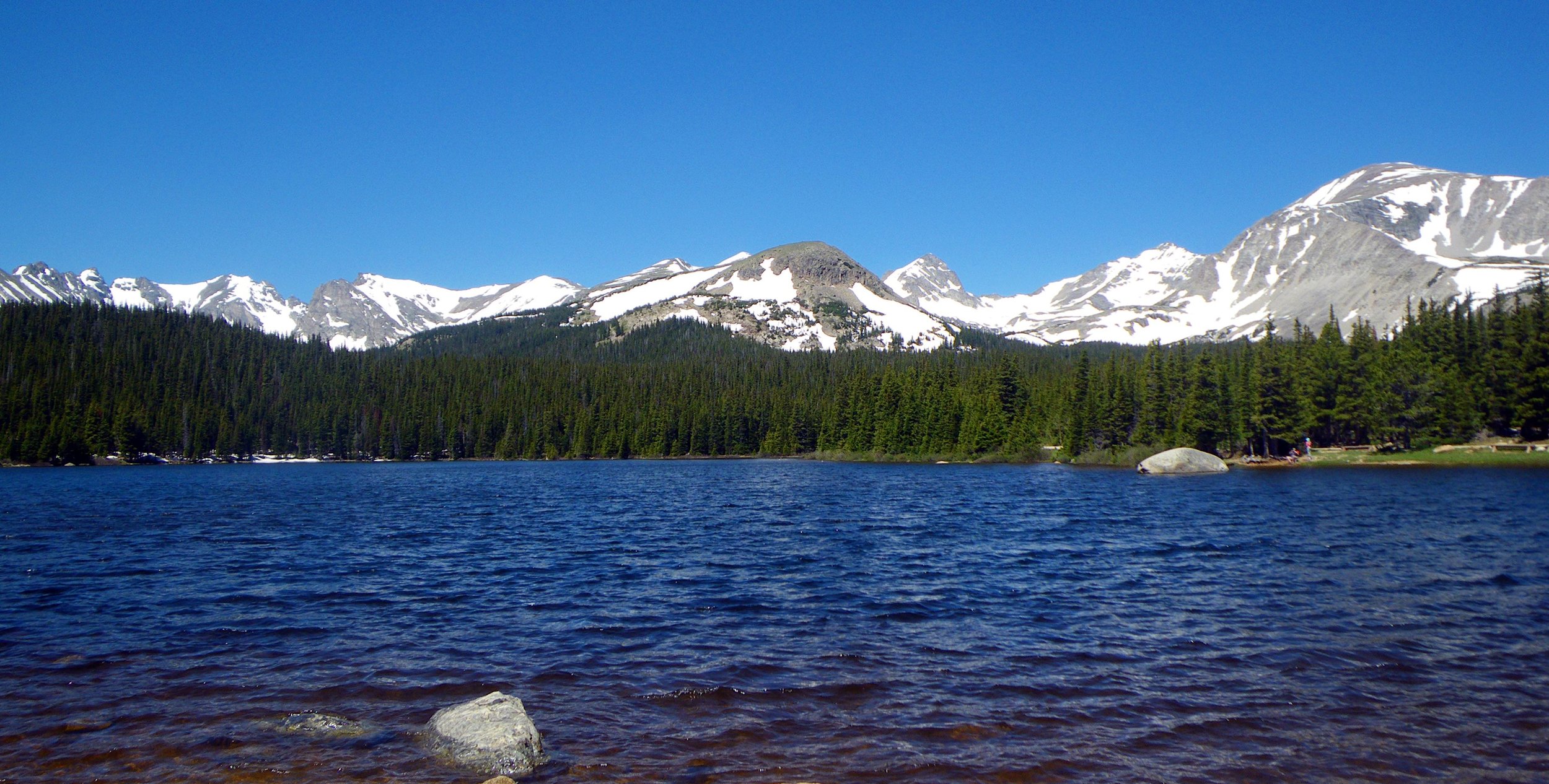
Brainard Lake, Co - Photo by Tim GillerBrainard Lake, Co - Photo by Tim Giller

Brainard Lake, Co – Photo by Tim Giller

Nederland, CO - Photo by Tim GillerNederland, CO - Photo by Tim Giller

Nederland, CO – Photo by Tim Giller

WeedsWeeds

Weeds

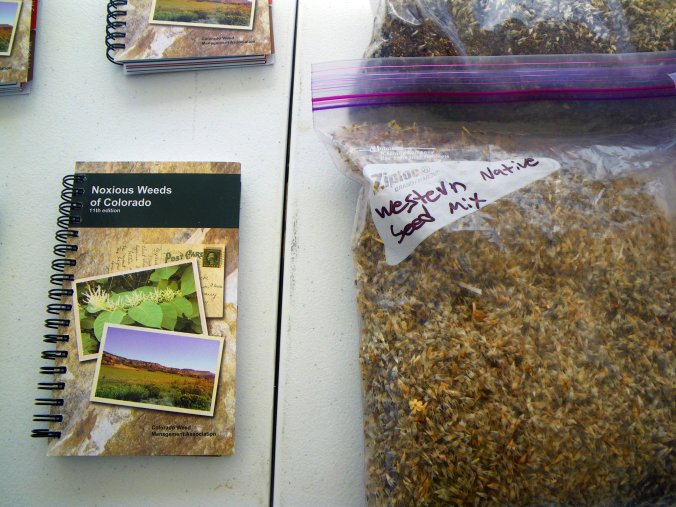
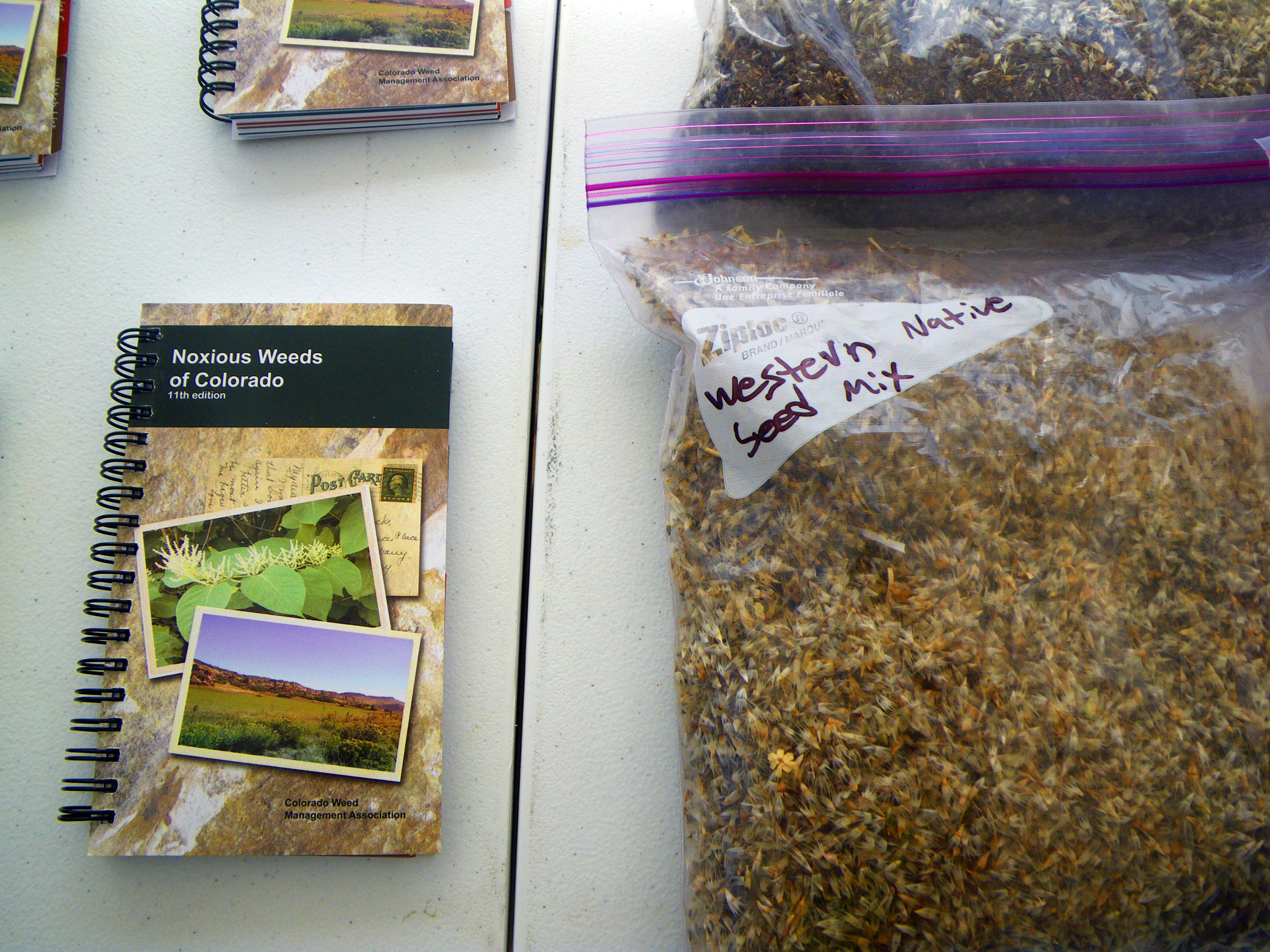
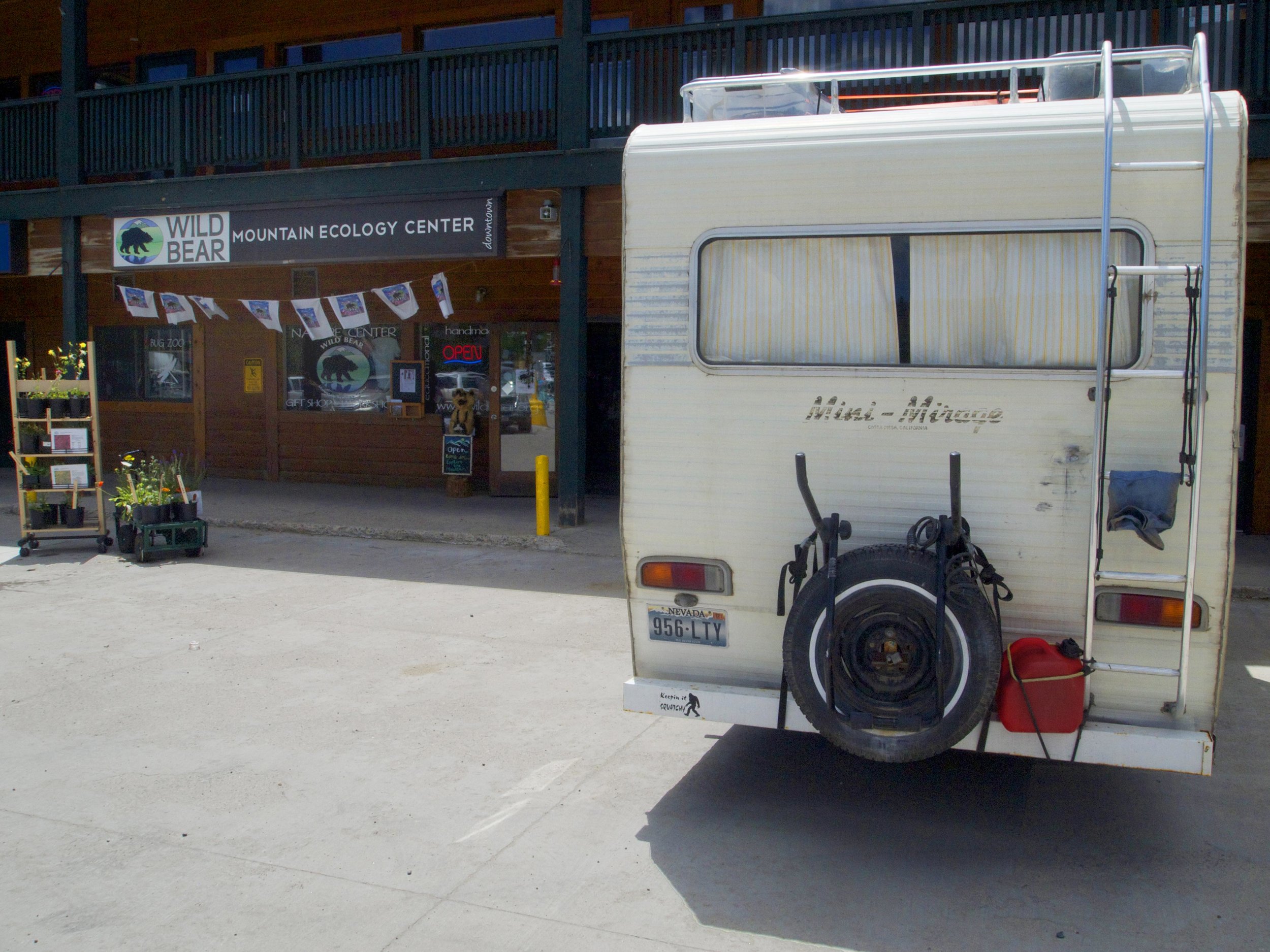
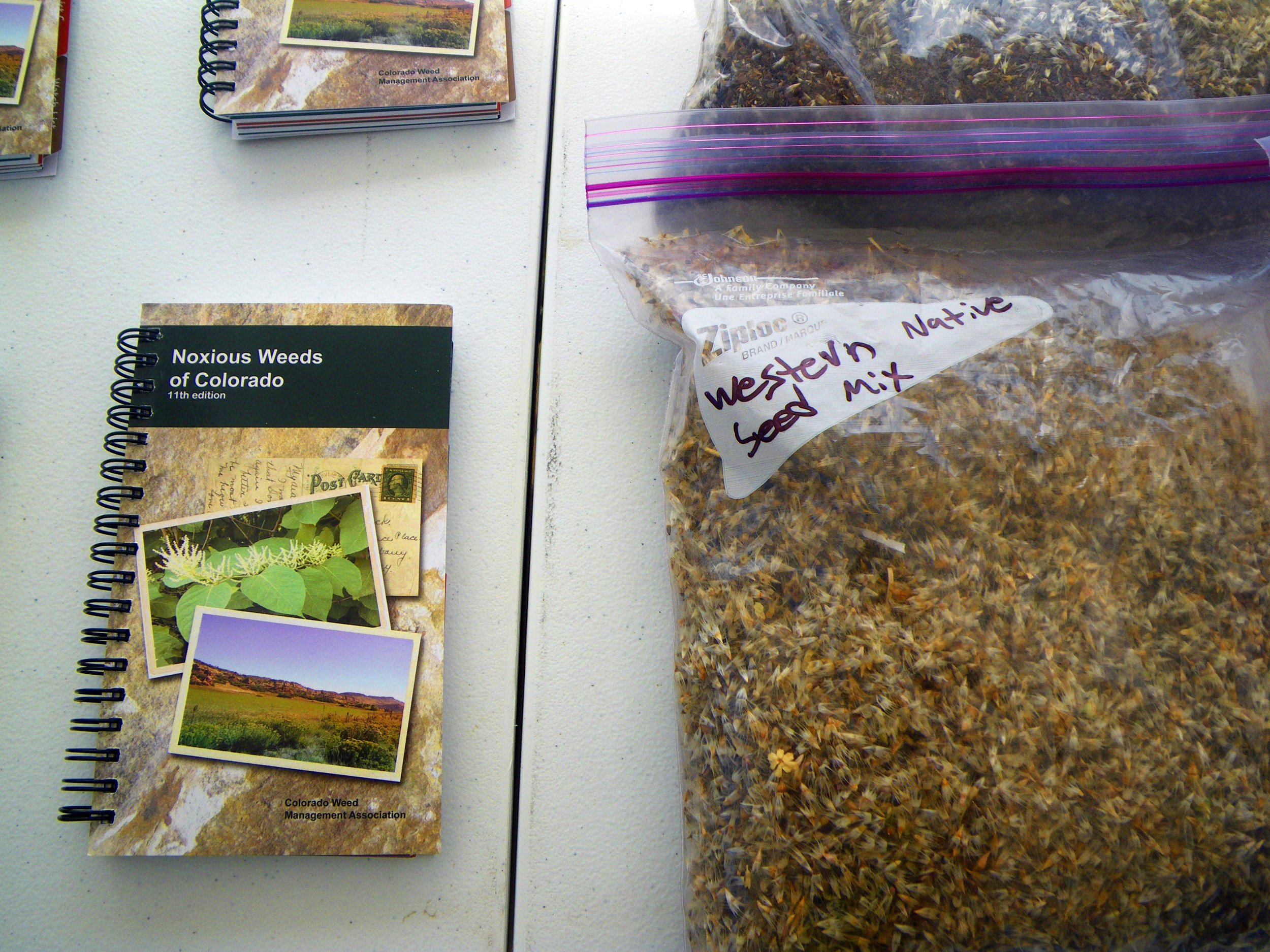
There is a nature center right next door to the Mountain Man Outdoor store in Nederland, Colorado. Actually, right next door is the brew pub which, at less than ten paces away, is dangerously close for my old friend John who opened the Mountain Man store with his wife Sasha two years ago. No, a couple doors down in the other direction is the Wild Bear Mountain Ecology Center. Wild Bear is a cozy, walk-in nature center with exhibits on the local ecology. They offer a variety of workshops primarily for children, but there are many adult and family programs as well, with the goal of “fostering a lifelong appreciation of the environment”. Wild Bear also sponsored a volunteer opportunity just hours after we arrived in town to visit our friends. It seemed like the perfect opportunity to get to know the town and some of its residents so we joined in on a clean up of the creek that flows through town and the lakefront it drains into. Like all the creeks and rivers along the Front Range of Colorado, Boulder Creek was running very high with spring runoff from winter snows and the wettest May on record. Because we ended up staying in and around the region for just over two weeks we got to see the town make the transition from spring to summer, the unpredictable period of thunderstorms, clouds, sunny hot afternoons and crisp cool evenings. As the snows that covered the high peaks and shadowed canyons gradually faded away we got the see the creek rise and fall with the daily snowmelt as slowly more mountain rock revealed itself. Exactly two weeks after we cleared the trash from the lakefront we also got the chance to return with another group of locals to remove a few hundred pounds of invasive plants and spread an abundance of native seeds. With all the great vagabonding we’ve been doing it was nice to get our hands dirty in the same spot a couple times.

Nederland, Co - Photo by Tim GillerNederland, Co - Photo by Tim Giller

Nederland, Co – Photo by Tim Giller

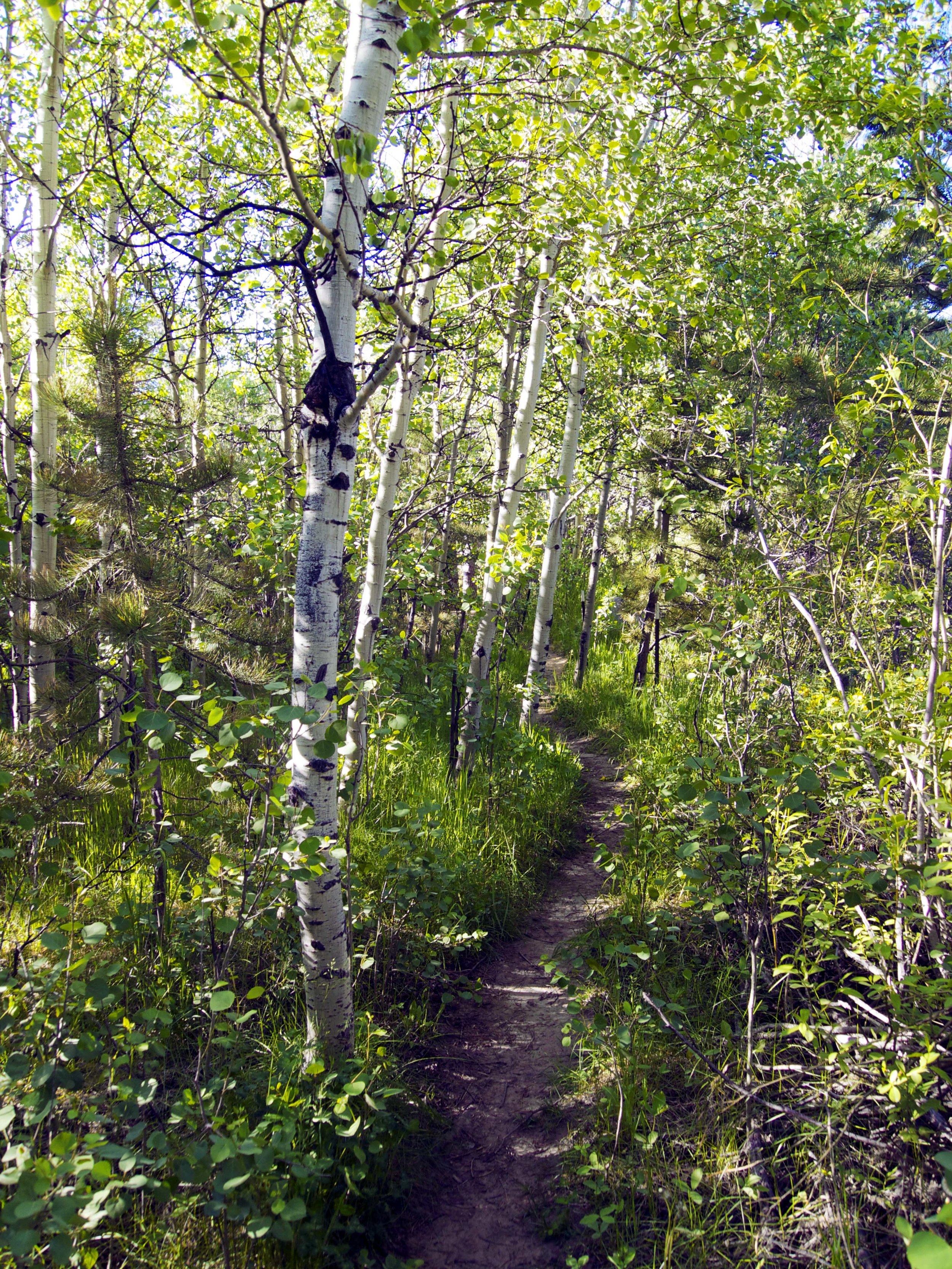
Perhaps Ned is the perfect small mountain town. John and Sasha seem to love it here. There is a community of about 1500 friendly and quirky people nestled at 8300ft on Colorado’s “Peak-to-Peak Highway”. You can see the 13,000ft crests of the continental divide from almost any point in town and much of the land to the west is national forest including the rugged and beautiful Indian Peaks Wilderness. Our friends live a five minute walk from their store, and have a half dozen backcountry trailheads within a 15 minute drive. They don’t even need to drive. Hopping on a bike or walking out the door gets you to the nearest trails in just a few minutes. In winter it’s snowshoeing, cross-country skiing or hitting the slopes at the small ski area, Eldora where within ten minutes of leaving your door you can be on the first ski chair up the mountain. In a short radius from town we saw people fishing, kayaking, white-water rafting, paragliding, and dozens of folks road cycling. In other words it is exactly what you expect from the Rocky Mountains of Colorado.

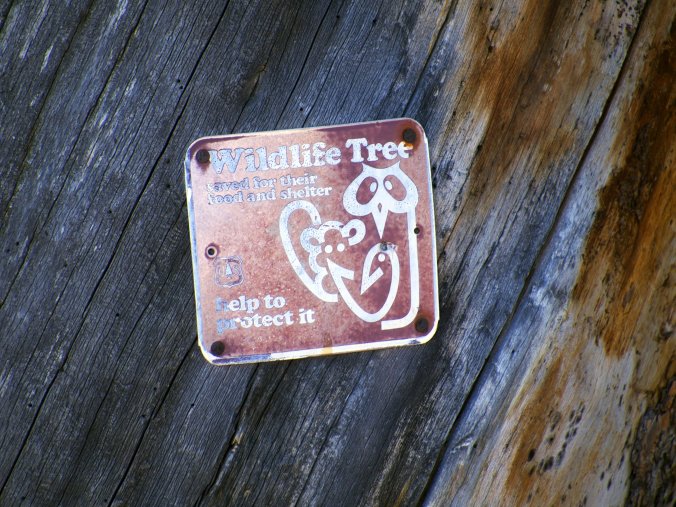
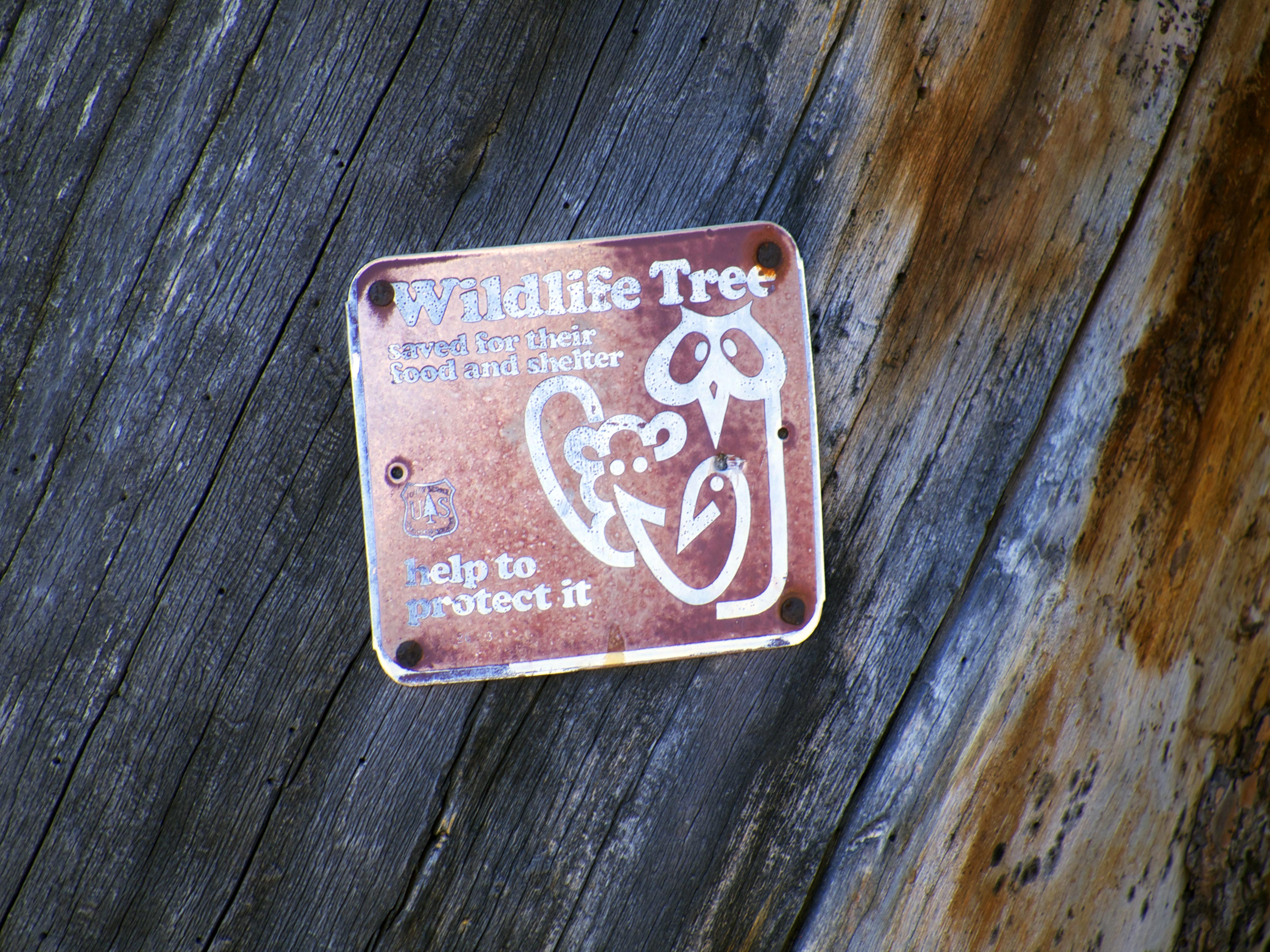
Wildlife Tree, CO - Photo by Tim GillerWildlife Tree, CO - Photo by Tim Giller

Wildlife Tree, CO – Photo by Tim Giller

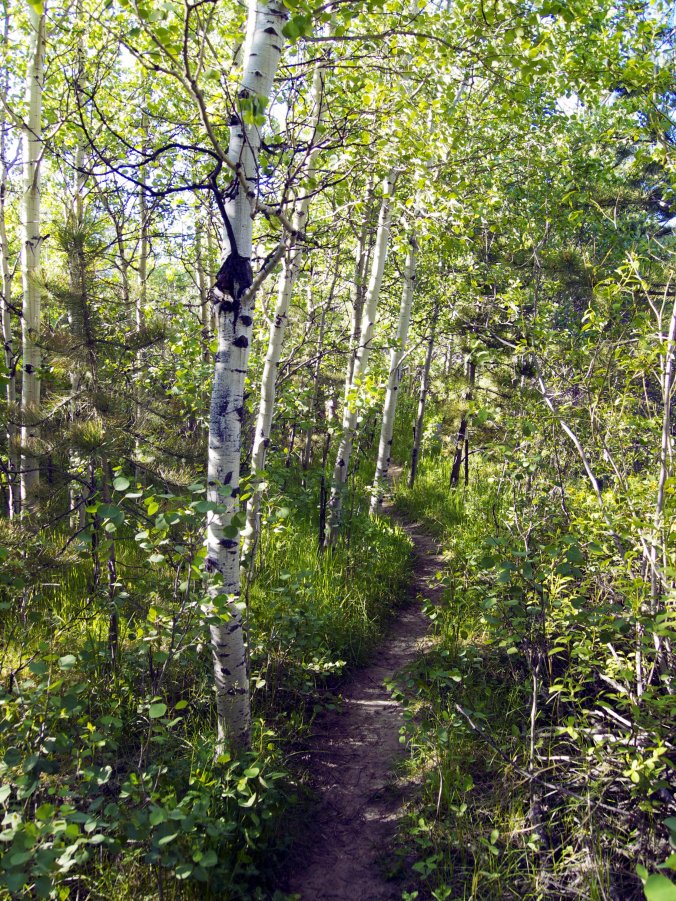
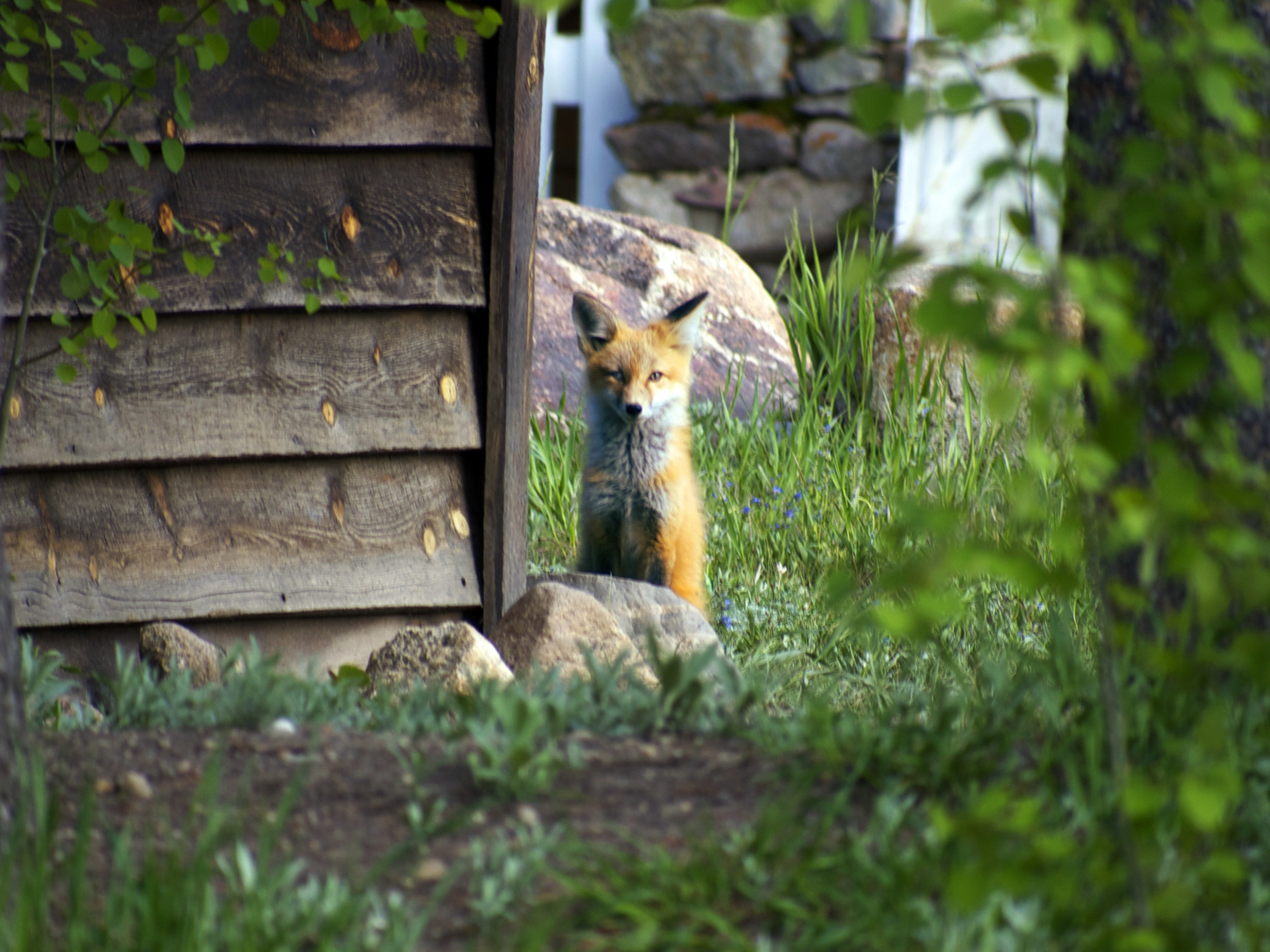
The boundary between wild nature and civilization is much fuzzier in a place where a moose might wander into town and when your unruly dogs get its attention it might leave a dent in your hood. It’s a place where many town blocks are occupied by aspen groves and wildflowers. A bold young family of foxes dens about 50 yards from where we had Lil’ Squatch parked. We saw one or more of them almost daily making their rounds. I sensed a casual acceptance from the people in town. It’s not so much that the foxes were taken for granted, but that it was the most natural thing to enjoy sharing your neighborhood with these handsome creatures.

Fox, Nederland, Co - Photo by Tim GillerFox, Nederland, Co - Photo by Tim Giller

Fox, Nederland, Co – Photo by Tim Giller

Nederland Exposure

Brainard Lake, Co - Photo by Tim Giller

Brainard Lake, Co – Photo by Tim Giller


Nederland, CO - Photo by Tim Giller

Nederland, CO – Photo by Tim Giller

There is a nature center right next door to the Mountain Man Outdoor store in Nederland, Colorado. Actually, right next door is the brew pub which, at less than ten paces away, is dangerously close for my old friend John who opened the Mountain Man store with his wife Sasha two years ago. No, a couple doors down in the other direction is the Wild Bear Mountain Ecology Center. Wild Bear is a cozy, walk-in nature center with exhibits on the local ecology. They offer a variety of workshops primarily for children, but there are many adult and family programs as well, with the goal of “fostering a lifelong appreciation of the environment”. Wild Bear also sponsored a volunteer opportunity just hours after we arrived in town to visit our friends. It seemed like the perfect opportunity to get to know the town and some of its residents so we joined in on a clean up of the creek that flows through town and the lakefront it drains into. Like all the creeks and rivers along the Front Range of Colorado, Boulder Creek was running very high with spring runoff from winter snows and the wettest May on record. Because we ended up staying in and around the region for just over two weeks we got to see the town make the transition from spring to summer, the unpredictable period of thunderstorms, clouds, sunny hot afternoons and crisp cool evenings. As the snows that covered the high peaks and shadowed canyons gradually faded away we got the see the creek rise and fall with the daily snowmelt as slowly more mountain rock revealed itself. Exactly two weeks after we cleared the Weedstrash from the lakefront we also got the chance to return with another group of locals to remove a few hundred pounds of invasive plants and spread an abundance of native seeds. With all the great vagabonding we’ve been doing it was nice to get our hands dirty in the same spot a couple times.


Nederland, Co - Photo by Tim Giller

Nederland, Co – Photo by Tim Giller

Perhaps Ned is the perfect small mountain town. John and Sasha seem to love it here. There is a community of about 1500 friendly and quirky people nestled at 8300ft on Colorado’s “Peak-to-Peak Highway”. You can see the 13,000ft crests of the continental divide from almost any point in town and much of the land to the west is national forest including the rugged and beautiful Indian Peaks Wilderness. Our friends live a five minute walk from their store, and have a half dozen backcountry trailheads within a 15 minute drive. They don’t even need to drive. Hopping on a bike or walking out the door gets you to the nearest trails in just a few minutes. In winter it’s snowshoeing, cross-country skiing or hitting the slopes at the small ski area, Eldora where within ten minutes of leaving your door you can be on the first ski chair up the mountain. In a short radius from town we saw people fishing, kayaking, white-water rafting, paragliding, and dozens of folks road cycling. In other words it is exactly what you expect from the Rocky Mountains of Colorado.


Wildlife Tree, CO - Photo by Tim Giller

Wildlife Tree, CO – Photo by Tim Giller

The boundary between wild nature and civilization is much fuzzier in a place where a moose might wander into town and when your unruly dogs get its attention it might leave a dent in your hood. It’s a place where many town blocks are occupied by aspen groves and wildflowers. A bold young family of foxes dens about 50 yards from where we had Lil’ Squatch parked. We saw one or more of them almost daily making their rounds. I sensed a casual acceptance from the people in town. It’s not so much that the foxes were taken for granted, but that it was the most natural thing to enjoy sharing your neighborhood with these handsome creatures.

Fox, Nederland, Co - Photo by Tim Giller

Fox, Nederland, Co – Photo by Tim Giller

Hail Cocktail Party

Spanish Peaks, CO - Photo by Tim GillerSpanish Peaks, CO - Photo by Tim Giller

Spanish Peaks, CO – Photo by Tim Giller

Leaving the Pawnee Grasslands we were listing to starboard because we had a stiff crosswind from the southeast. As we approached Fort Collins we met up with a strong and gusty headwind out of the west pushing down off the Rockies onto the prairie. These converging winds whipped up dust devils and stench across cattle feedlots forcing me to grip the wheel more tightly and downshift. Our little box on wheels can really get pushed around. Ominous thunderclouds dominated the sky and we had entered “Hail Alley”, not to be confused with the nearby “Tornado Alley”. This is a tough neighborhood.

Badlands National Park - Photo by Tim GillerBadlands National Park - Photo by Tim Giller

Badlands National Park – Photo by Tim Giller

Our ground level experience is a smaller scale representation of bigger phenomena and some of the most dynamic weather on the planet. This nice hot day on the prairie was heating up some moist air blown up from the Gulf of Mexico. As this rises to meet cold dry air rushing off the western mountains any and all chaotic thunderstorm participants can show up. Moisture rises into colder upper air condensing and building into massive expanding 40,000 ft towers of cumulonimbus thunderheads. Sheets of rain can develop, often as ethereal virga curtains across a horizon so dry that they evaporate before reaching the ground. If updraft winds are steady and strong the condensing water is held aloft in subfreezing air forming hailstones. When that vertical wind holds at over 100 mph those stones can become baseballs or bigger before they outgrow that wind and fall disastrously to earth. All this water changing states and moving through the clouds creates huge amounts of static electricity and brings some loud and flashy cohorts to the party, lightning shortly followed by his boisterous partner thunder. These are all overshadowed if a tornado shows up. The high speed winds meeting at opposing angles creates a log roll of air that when tilted vertically makes a force so devastating that we have yet contrive a sturdy enough device to accurately measure it.

With these characters in mind, we were grateful to have a cozy home to arrive at, though Nancy cautioned us that her property had twice been hit by lightning with some unpleasant consequences. I decided to go out and cover our solar panels in case those consequences included icy foul balls from the sky. Curious about the what the meteorologists had to say about all this we cut on the TV to find that the local station had preempted everything to show one of their storm-chasers tracking an active supercell a couple hours south of us. We watched live as a dark grey funnel dropped to the ground forming a tornado as our videographer wisely put his vehicle in reverse to find safer ground. The drama continued for over an hour and thankfully no one was harmed. Shutting off the television didn’t end the show with lightning flashes brightening the darkened house into the wee hours.

Hailstones, Fort Collins, CO - Photo by Tim GillerHailstones, Fort Collins, CO - Photo by Tim Giller

Hailstones, Fort Collins, CO – Photo by Tim Giller

The morning broke to another crisp clear Colorado day. However it was warm and that brings the key player in all this. Heat is the driver of this atmospheric activity and as the wide prairie bakes in the sun that energy inspires another round of afternoon puffy clouds. I had been thinking about how the previous day all we got was wet and that maybe I should uncover the panels and put the tarp away. I guess I hadn’t noticed that the puffy clouds had brought some friends and that they had all grown up into puffy white mountains. No sooner had I folded back most of the protective covering than I heard the first metallic “clinks”. Before I could confirm that sound, something cold and hard bounced off the back of my head. I got the tarp back on and was under the cover of Nancy’s garage just in time enjoy the chaos of a hundred thousand frozen nickels and quarters pummeling the neighborhood, wild sounds of hail impacting metal, wood, concrete and asphalt, bouncing and rebounding. As they began to collect it occurred to me that this is a lot of underutilized ice. So I got a glass, a little gin and a splash of bitters.  How often does one get a chance to have a cocktail served over natural ice cubes from the gods?

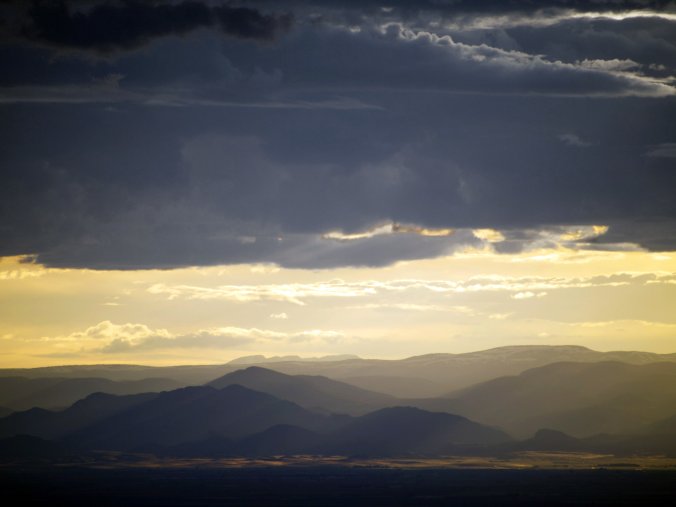
San Luis Valley, CO - Photo by Tim GillerSan Luis Valley, CO - Photo by Tim Giller

San Luis Valley, CO – Photo by Tim Giller

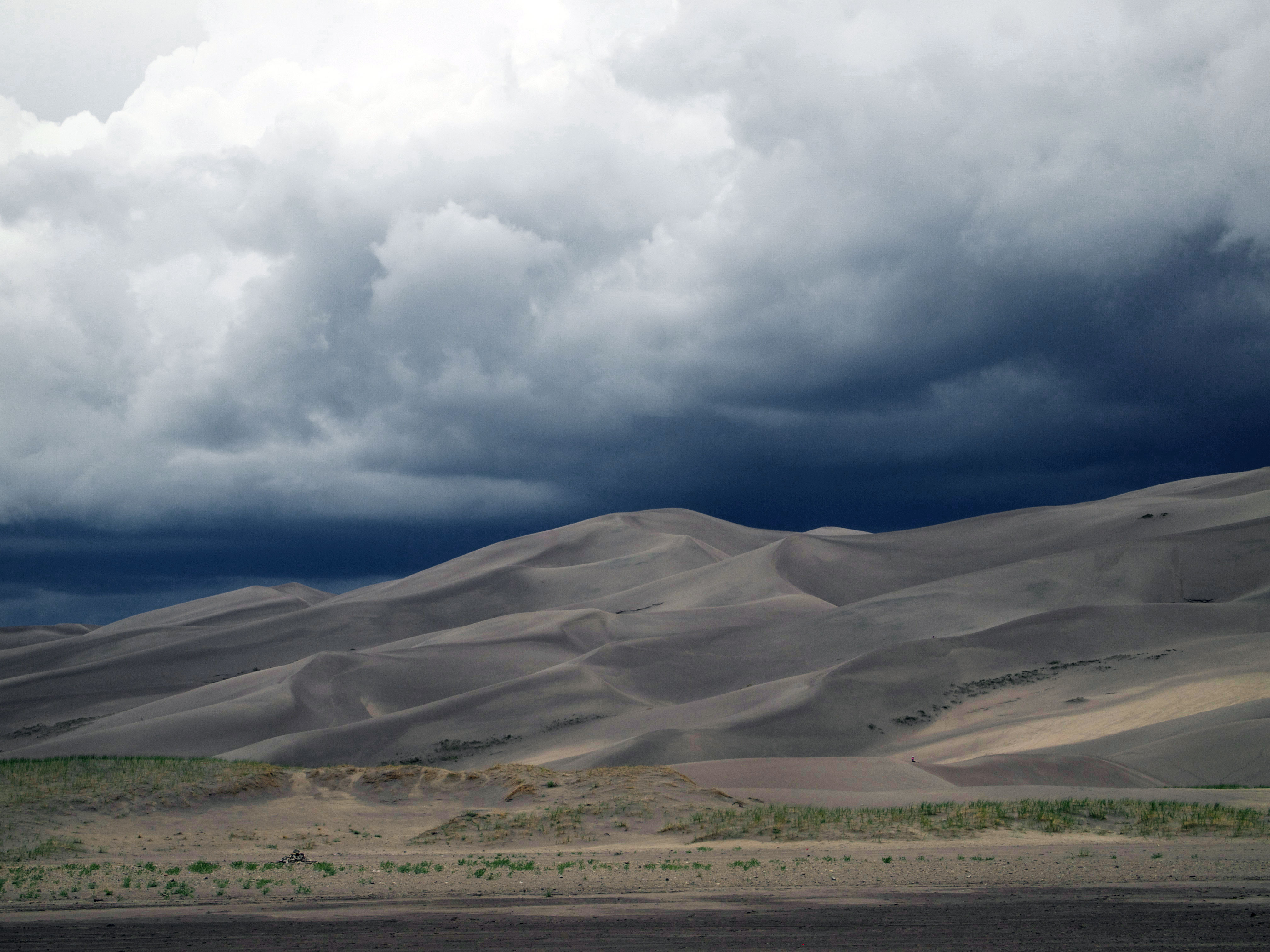
Great Sand Dunes National Park - Photo by Tim GillerGreat Sand Dunes National Park - Photo by Tim Giller

Great Sand Dunes National Park – Photo by Tim Giller

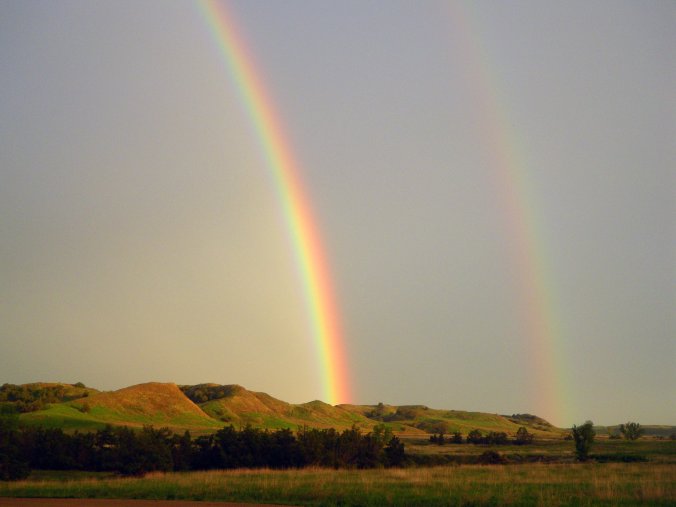
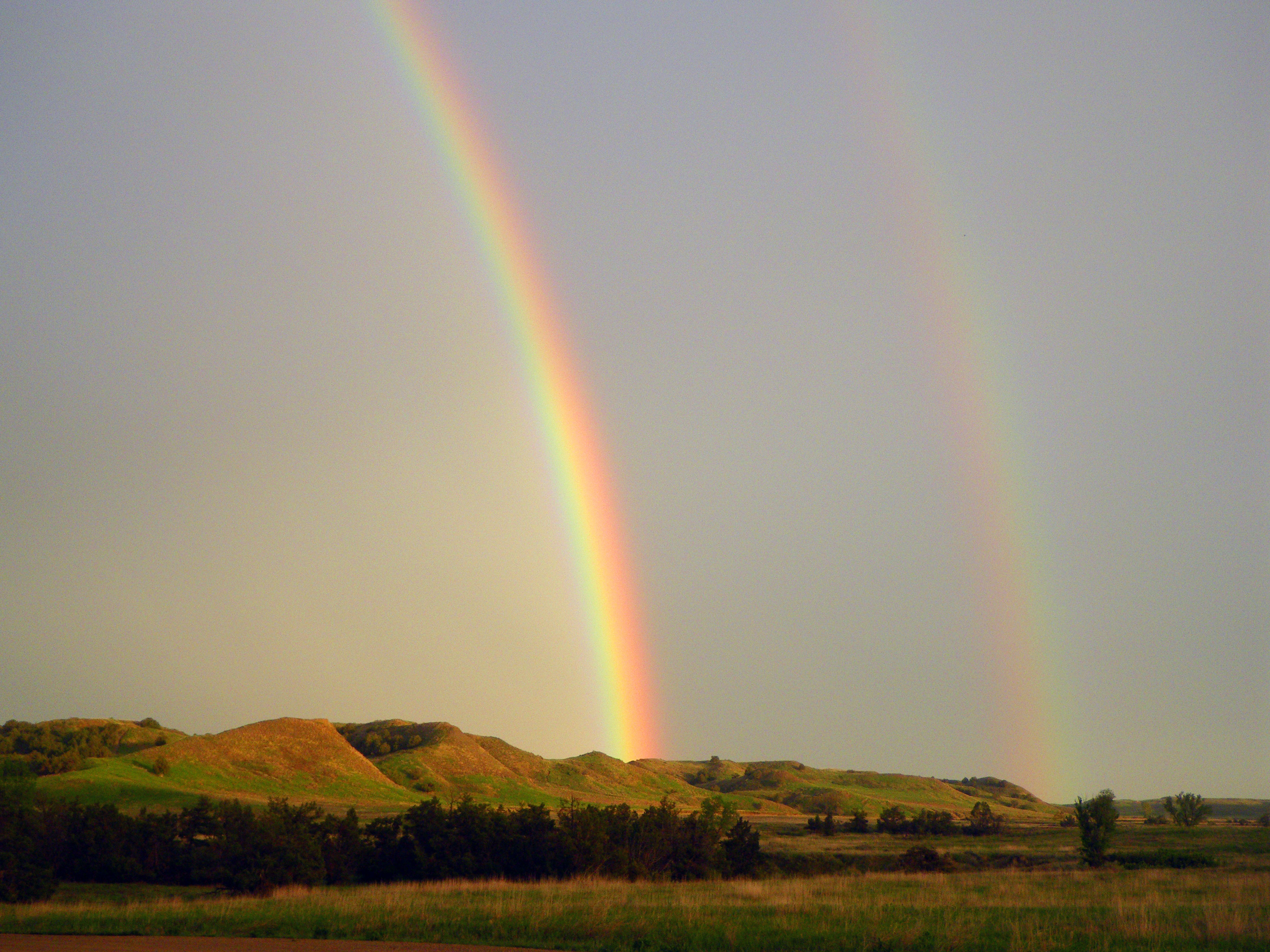
Springtime in the Rockies means that this is an almost daily cycle. Each afternoon mythical castles of white clouds are built up then blown away overnight. Days later in the wide San Luis valley we had perhaps the best venue for the performance. Sitting in a hot spring on the north end of the valley our stage was 70 miles wide framed by the San Juan Mountains on stage right, the Sangre de Cristo Range on the left. Fast moving thunderheads extending from the valley rim to the Jet Stream cruised across the landscape, their dark underbellies shooting white thunderbolts to the ground every few miles, alternating with the strobing purple of interior cloud lightning. With the sun dropping behind the mountains the towering clouds remain illuminated by the last rays of the day. Billowing folds of pastel pink and peach and constantly morphing domes of richer oranges and reds. All this drama could make you forget that there is still another quiet member of our party. A rainbow must always arrive as a surprise guest, pleasantly catching the corner of our eye as the last low rays of sun sneak under the clouds of a darkening sky.

Badlands National Park, SD - Photo by Tim GillerBadlands National Park, SD - Photo by Tim Giller

Badlands National Park, SD – Photo by Tim Giller

Hail Cocktail Party

Spanish Peaks, CO - Photo by Tim Giller

Spanish Peaks, CO – Photo by Tim Giller

Leaving the Pawnee Grasslands we were listing to starboard because we had a stiff crosswind from the southeast. As we approached Fort Collins we met up with a strong and gusty headwind out of the west pushing down off the Rockies onto the prairie. These converging winds whipped up dust devils and stench across cattle feedlots forcing me to grip the wheel more tightly and downshift. Our little box on wheels can really get pushed around. Ominous thunderclouds dominated the sky and we had entered “Hail Alley”, not to be confused with the nearby “Tornado Alley”. This is a tough neighborhood.

Badlands National Park - Photo by Tim Giller

Badlands National Park – Photo by Tim Giller

Our ground level experience is a smaller scale representation of bigger phenomena and some of the most dynamic weather on the planet. This nice hot day on the prairie was heating up some moist air blown up from the Gulf of Mexico. As this rises to meet cold dry air rushing off the western mountains any and all chaotic thunderstorm participants can show up. Moisture rises into colder upper air condensing and building into massive expanding 40,000 ft towers of cumulonimbus thunderheads. Sheets of rain can develop, often as ethereal virga curtains across a horizon so dry that they evaporate before reaching the ground. If updraft winds are steady and strong the condensing water is held aloft in subfreezing air forming hailstones. When that vertical wind holds at over 100 mph those stones can become baseballs or bigger before they outgrow that wind and fall disastrously to earth. All this water changing states and moving through the clouds creates huge amounts of static electricity and brings some loud and flashy cohorts to the party, lightning shortly followed by his boisterous partner thunder. These are all overshadowed if a tornado shows up. The high speed winds meeting at opposing angles creates a log roll of air that when tilted vertically makes a force so devastating that we have yet contrive a sturdy enough device to accurately measure it.

With these characters in mind, we were grateful to have a cozy home to arrive at, though Nancy cautioned us that her property had twice been hit by lightning with some unpleasant consequences. I decided to go out and cover our solar panels in case those consequences included icy foul balls from the sky. Curious about the what the meteorologists had to say about all this we cut on the TV to find that the local station had preempted everything to show one of their storm-chasers tracking an active supercell a couple hours south of us. We watched live as a dark grey funnel dropped to the ground forming a tornado as our videographer wisely put his vehicle in reverse to find safer ground. The drama continued for over an hour and thankfully no one was harmed. Shutting off the television didn’t end the show with lightning flashes brightening the darkened house into the wee hours.


Hailstones, Fort Collins, CO - Photo by Tim Giller

Hailstones, Fort Collins, CO – Photo by Tim Giller

The morning broke to another crisp clear Colorado day. However it was warm and that brings the key player in all this. Heat is the driver of this atmospheric activity and as the wide prairie bakes in the sun that energy inspires another round of afternoon puffy clouds. I had been thinking about how the previous day all we got was wet and that maybe I should uncover the panels and put the tarp away. I guess I hadn’t noticed that the puffy clouds had brought some friends and that they had all grown up into puffy white mountains. No sooner had I folded back most of the protective covering than I heard the first metallic “clinks”. Before I could confirm that sound, something cold and hard bounced off the back of my head. I got the tarp back on and was under the cover of Nancy’s garage just in time enjoy the chaos of a hundred thousand frozen nickels and quarters pummeling the neighborhood, wild sounds of hail impacting metal, wood, concrete and asphalt, bouncing and rebounding. As they began to collect it occurred to me that this is a lot of underutilized ice. So I got a glass, a little gin and a splash of bitters.  How often does one get a chance to have a cocktail served over natural ice cubes from the gods?

San Luis Valley, CO - Photo by Tim Giller

San Luis Valley, CO – Photo by Tim Giller

Great Sand Dunes National Park - Photo by Tim Giller

Great Sand Dunes National Park – Photo by Tim Giller

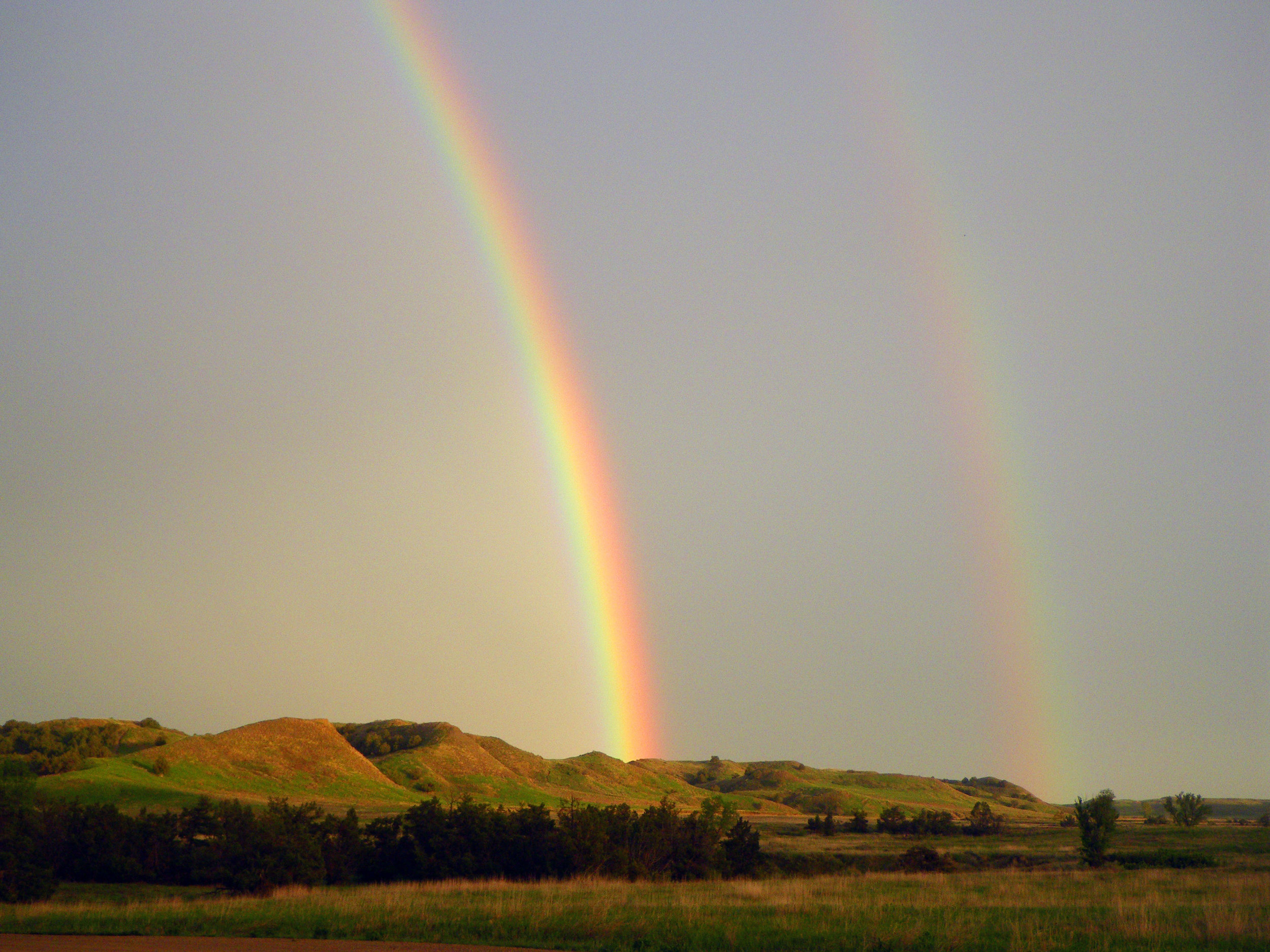
Springtime in the Rockies means that this is an almost daily cycle. Each afternoon mythical castles of white clouds are built up then blown away overnight. Days later in the wide San Luis valley we had perhaps the best venue for the performance. Sitting in a hot spring on the north end of the valley our stage was 70 miles wide framed by the San Juan Mountains on stage right, the Sangre de Cristo Range on the left. Fast moving thunderheads extending from the valley rim to the Jet Stream cruised across the landscape, their dark underbellies shooting white thunderbolts to the ground every few miles, alternating with the strobing purple of interior cloud lightning. With the sun dropping behind the mountains the towering clouds remain illuminated by the last rays of the day. Billowing folds of pastel pink and peach and constantly morphing domes of richer oranges and reds. All this drama could make you forget that there is still another quiet member of our party. A rainbow must always arrive as a surprise guest, pleasantly catching the corner of our eye as the last low rays of sun sneak under the clouds of a darkening sky.

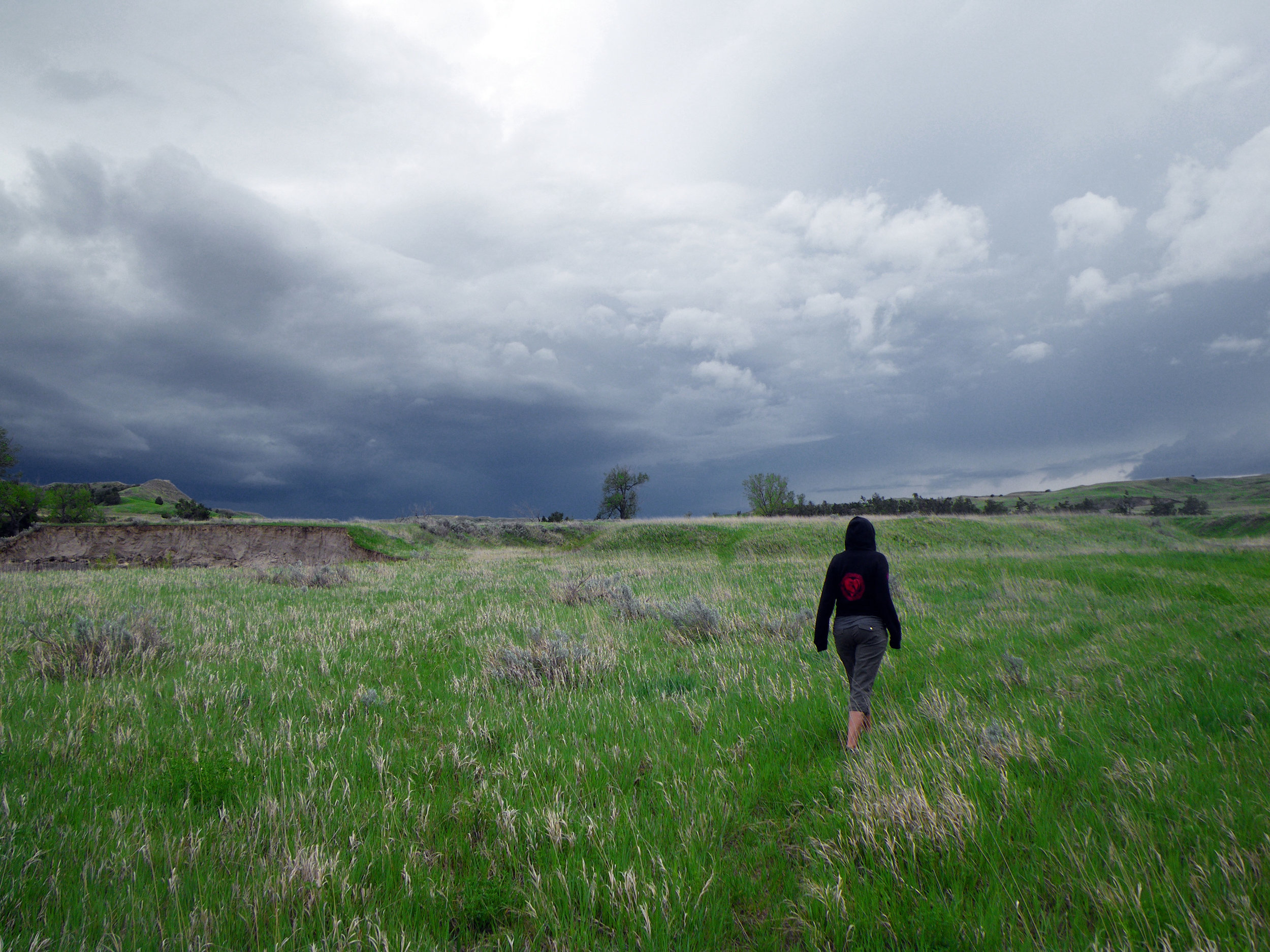
Badlands National Park, SD - Photo by Tim Giller

Badlands National Park, SD – Photo by Tim Giller