Sacred Places

Sacred_Anzo-BorregoSacred_Anzo-Borrego

Sacred_Anzo-Borrego

Sacred_PalmsSacred_Palms

Sacred_Palms

Never use a palm frond to pull yourself up. I learned this the hard way when I was 9 or 10 years old. I had become separated from my dad and siblings and, since they were up ahead, I needed to get up a large step on my own. Turns out palm fronds are sharply barbed and instead of lifting myself up I managed to slice my own palm as it slid down the frond. To be perfectly honest I don’t remember much of what happened after that. Such are my memories of the great many hikes I have done in Palm Canyon.
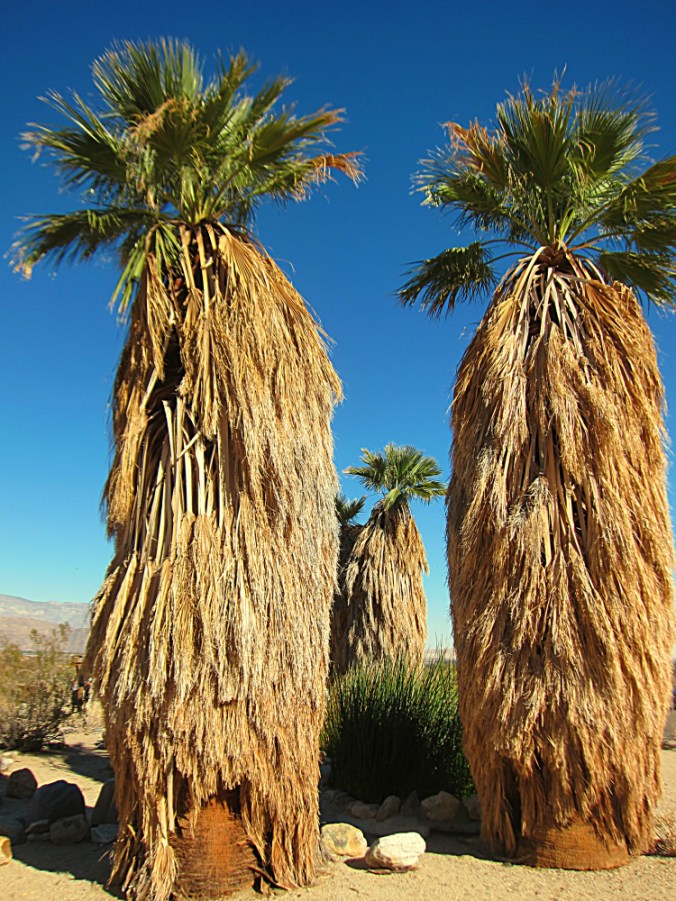
Palm Canyon oasis is located in Anza-Borrego State Park, which is in the Colorado Desert, which in turn is part of the greater Sonoran Desert. The California Fan Palm is rare, found only in a handful of canyons in the Mojave and Sonoran deserts. The only native palm in western North America was a source of food Native Americans and its berries are still for Orioles and Coyotes. The dead fronds that fall about the trunk like a layered hula skirt protect the trunk and create a protective roost for small birds.

Anza-Borrego was the former delta for the Colorado River and it’s common to find fossilized sea creatures. What used to be much less common was a glimpse of the Desert Bighorn Sheep which frequent the oasis. Borrego is the Spanish word for sheep. My dad would often bring binoculars and would scan the hillsides looking for the sheep. After so many years of no sheep sighting I just gave up looking. A couple of years ago after Christmas I, along with some family members, made the trek to the canyon. The man at the entrance booth enthusiastically told us to look out for the sheep as they’d been spotted many times recently. We more or less brushed it off since we’d had no luck in the past. We hadn’t walked more than two minutes when seven ewes and one ram walked 20 feet in front of us as they crossed the trail. My mom, niece, nephews and cousin stood very still while my sister grabbed her phone to video them go by. Incredible is a bit of an understatement. We couldn’t believe our eyes that after all these years we finally saw them and so close! Turns out the video didn’t take because my sister’s phone had a full memory. We laughed that no one would believe us.

The sheep populations are a constant struggle. When the populations seem to recover mountain lions eat well and can bring down the numbers pretty quickly. Worse than that is their susceptibility to illnesses from domestic sheep which are often allowed to graze on BLM land near Bighorn Sheep habitat. Because they have no natural resistance to these old world diseases they are much more lethal to the Bighorns, who often die within days of contracting the illnesses. There are some steps to trying to keep them separate and Bighorn introductions back into native habitats often have excellent results.

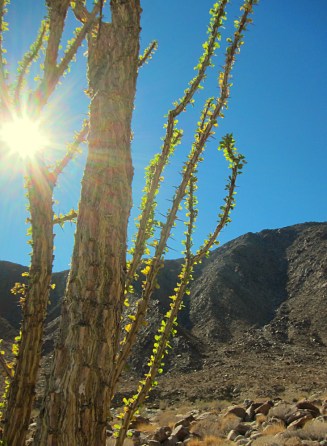
Sacred_OcotilloSacred_Ocotillo

Sacred_Ocotillo

Palm Canyon was such a wonderland and sacred place for my family that we never really explored Anza-Borrego beyond its walls. How could you not be drawn to the cool pools of water in the heat of summer? In 2004 a flash flood completely reshaped the canyon trail and the oasis. In my youth there was a deep pool a little ways before the Palm Oasis that one only wanted to swim in on the hottest of days. The large boulders that created the pool blocked most of the sun and the water always stayed chilly. The Palm Canyon of my childhood has been scoured and filled in and is gone forever but the specialness of the place remains.

Sacred_UpliftSacred_Uplift

Sacred_Uplift

Earlier this month was my birthday and even though it’s a bit of a drive from San Diego Tim, my mother and I made the trek out there. Due to time constraints we didn’t make it to the Oasis but that didn’t matter much. The Colorado Desert is a place worth the drive for just a few hours of enjoyment. Palm Canyon is a place of refuge, a soul nourishing place that even after my parents divorce they continued to individually still take us there. Over the years we’ve brought new family members and old friends to this beloved place. Early in my relationship with Tim we camped there with my siblings when my niece was just nine months old. My brother dutifully carried her on his back most of the hike. To go with her again at 5 years old and help her over big rocks and watch her girly shoes light up and sparkle as she hopped, jumped and climbed right behind her older cousins gave me great joy. Someday soon I’ll get to see her baby brother most likely leading the pack with all his energy to spare and I hope in the not to far future to bring my in-laws there to share my family’s special place they way they’ve shared theirs with me. After seeing and experiencing so many wonderful places this year it was nice to come back to see the place where my love of the outdoors was instilled.

Sacred Places

Sacred_Anzo-BorregoNever use a palm frond to pull yourself up. I learned this the hard way when I was 9 or 10 years old. I had become separated from my dad and siblings and, since they were up ahead, I needed to get up a large step on my own. Turns out palm fronds are sharply barbed and instead of lifting myself up I managed to slice my own palm as it slid down the frond. To be perfectly honest I don’t remember much of what happened after that. Such are my memories of the great many hikes I have done in Palm Canyon.

Palm Canyon oasis is located in Anza-Borrego State Park, whiSacred_Palmsch is in the Colorado Desert, which in turn is part of the greater Sonoran Desert. The California Fan Palm is rare, found only in a handful of canyons in the Mojave and Sonoran deserts. The only native palm in western North America was a source of food Native Americans and its berries are still for Orioles and Coyotes. The dead fronds that fall about the trunk like a layered hula skirt protect the trunk and create a protective roost for small birds.

Anza-Borrego was the former delta for the Colorado River and it’s common to find fossilized sea creatures. What used to be much less common was a glimpse of the Desert Bighorn Sheep which frequent the oasis. Borrego is the Spanish word for sheep. My dad would often bring binoculars and would scan the hillsides looking for the sheep. After so many years of no sheep sighting I just gave up looking. A couple of years ago after Christmas I, along with some family members, made the trek to the canyon. The man at the entrance booth enthusiastically told us to look out for the sheep as they’d been spotted many times recently. We more or less brushed it off since we’d had no luck in the past. We hadn’t walked more than two minutes when seven ewes and one ram walked 20 feet in front of us as they crossed the trail. My mom, niece, nephews and cousin stood very still while my sister grabbed her phone to video them go by. Incredible is a bit of an understatement. We couldn’t believe our eyes that after all these years we finally saw them and so close! Turns out the video didn’t take because my sister’s phone had a full memory. We laughed that no one would believe us.

The sheep populations are a constant struggle. When the populations seem to recover mountain lions eat well and can bring down the numbers pretty quickly. Worse than that is their susceptibility to illnesses from domestic sheep which are often allowed to graze on BLM land near Bighorn Sheep habitat. Because they have no natural resistance to these old world diseases they are much more lethal to the Bighorns, who often die within days of contracting the illnesses. There are some steps to trying to keep them separate and Bighorn introductions back into native habitats often have excellent results.

Sacred_OcotilloPalm Canyon was such a wonderland and sacred place for my family that we never really explored Anza-Borrego beyond its walls. How could you not be drawn to the cool pools of water in the heat of summer? In 2004 a flash flood completely reshaped the canyon trail and the oasis. In my youth there was a deep pool a little ways before the Palm Oasis that one only wanted to swim in on the hottest of days. The large boulders that created the pool blocked most of the sun and the water always stayed chilly. The Palm Canyon of my childhood has been scoured and filled in and is gone forever but the specialness of the place remains.

Earlier this month was my birthday and even though it’s a bit of a drive from San Diego Tim, my mother and I made the trek out there. Due to time constraints we didn’t make it to the Oasis but that didn’t matter much. The Colorado Desert is a place worth the drive for just a few hours of enjoyment. Palm Canyon is a place of refuge, a soul nourishing place that even after my parents divorce they continued to individually still take us there. Over the years we’ve brought new family members and old friends to this beloved place. Early in my relationship with Tim we camped there with my siblings when my niece was just nine months old. My brother dutifully carried her on his back most of the hike. To go with her again at 5 years old and help her over big rocks and watch her girly shoes light up and sparkle as she hopped, jumped and climbed right behind her older cousins gave me great joy. Someday soon I’ll get to see her baby brother most likely leading the pack with all his energy to spare and I hope in the not to far future to bring my in-laws there to share my family’s special place they way they’ve shared theirs with me. After seeing and experiencing so many wonderful places this year it was nice to come back to see the place where my love of the outdoors was instilled.Sacred_Uplift

Being Willing to See

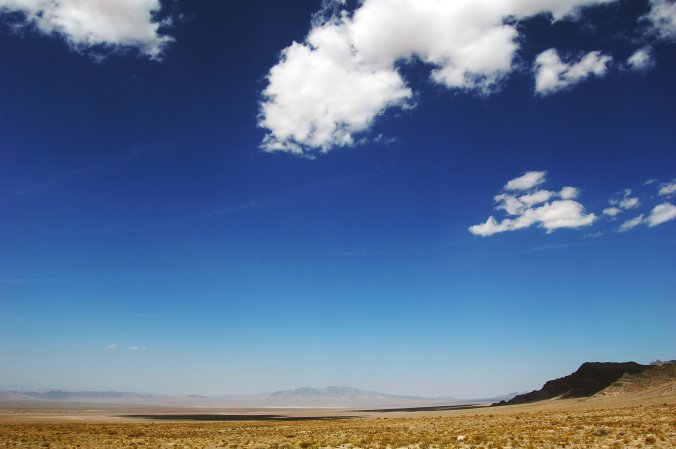
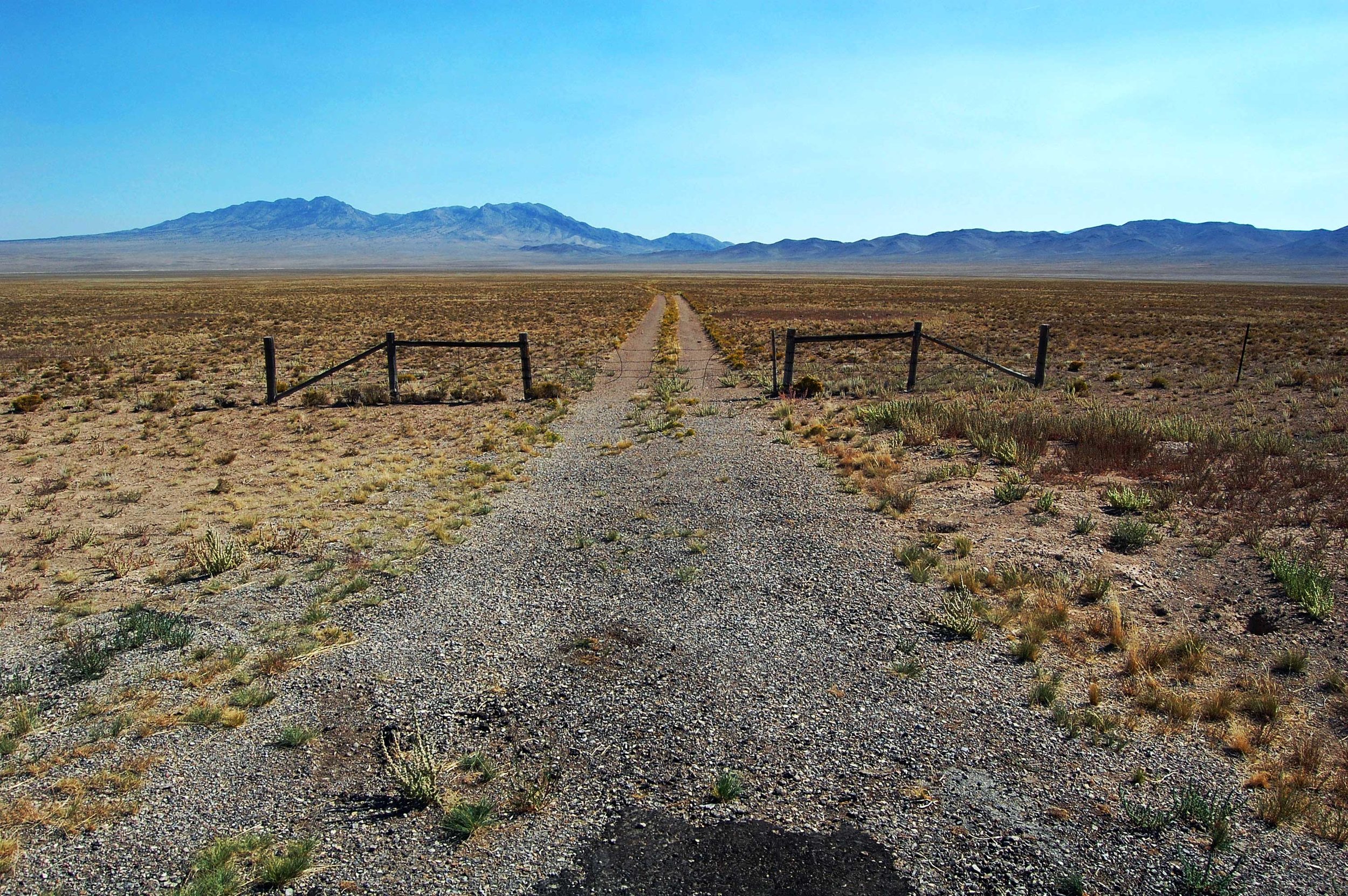
Wah Wah Valley, UT - Photo by Tim GillerWah Wah Valley, UT - Photo by Tim Giller

Wah Wah Valley, UT – Photo by Tim Giller

“When one of us says, ‘Look, there’s nothing out there,’ what we are really saying is, ‘I cannot see.’” – Terry Tempest Williams

NV1NV1

NV1

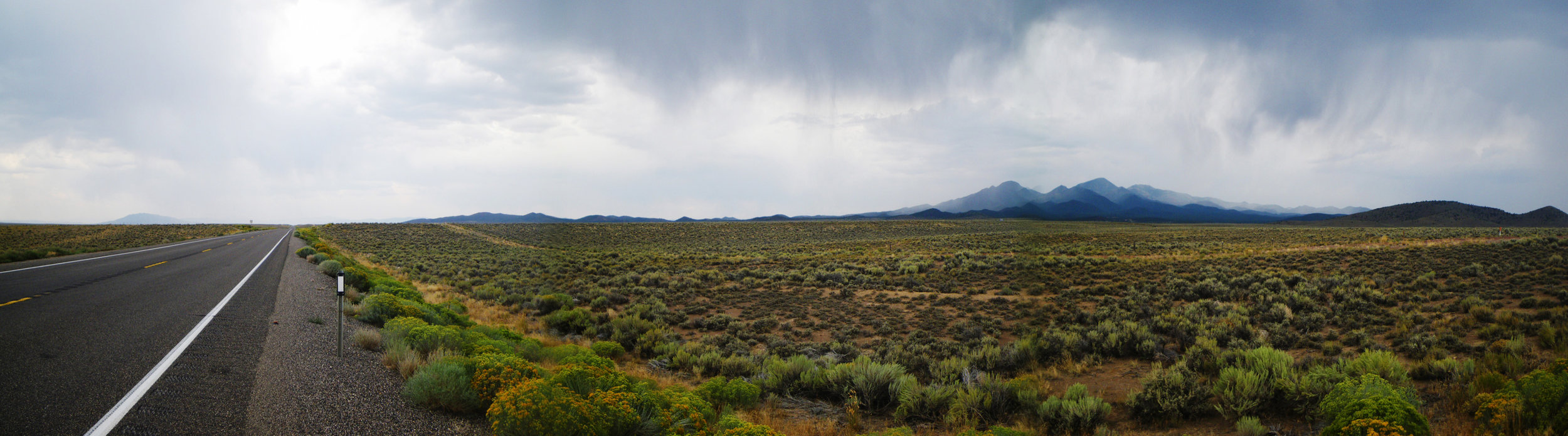
An open land can be remarkably good at hiding things. The low shrubs of the Great Basin offer cover and shade for all the scurrying creatures, most waiting for darkness or just a cooler quieter moment to move. Canyons winding back into dry ranges hold more secret aspen groves and high hidden meadows than any one person could ever know of in a hundred seasons of wandering. In a dry arroyo your boots will kick a thousand mysterious stones washed down at erratic intervals before touching that one stone flaked by an ancient hand into an elegant portable tool and lost to time. The stories are plainly but subtly written if we are willing to look. The land wants us to know that there was once a lush and expansive inland lake. Between pinyon-juniper slopes above and the flat alkali pans below this long arcing terrace was a shoreline. The bones are there of long vanished mammals that thrived. Rocks are carved with stories. Time has obscured the meaning but they can still speak. In remnant lakes prehistoric fish still swim.

Pleistocene lakes surrounded mountainous islands, the climate not so much wetter but cooler. A gradually warming planet gradually drew down the water into briny remnants. The mountains remain as islands their summits isolated by wide dry basins rarely crossed by plant or animal unless on the wing. Below, a new sea of muted green and soft yellows rises in tides of peppery fragrance, fleeting summer thunderstorms releasing the aromas of Big Sagebrush and flowering Rabbitbrush. I was once carried across a long Nevada valley on a cloud of that native smell. The sweat from pedaling my touring bicycle over the ranges and playas was washed clear by a sudden and brief afternoon downpour. The wide desert void illuminated by gaps in the clouds filled my vision as the moistened fragrance of a million September flowers and tiny fuzzy leaves filled my lungs. It was a joy to be in motion, exposed to the wide and open place.

Antelope Valley, NV - Photo by Tim GillerAntelope Valley, NV - Photo by Tim Giller

Antelope Valley, NV – Photo by Tim Giller

When we rolled off the boat from Alaska, back into the lower 48, a couple quick mountain passes brought us literally into the story of the Sage Grouse. East of the Cascade Range begins what is perhaps the largest plant community in North America, the Sagebrush-Steppe. It covers much of the land from Eastern Washington south to the Mojave Desert in Southern California and from the east slope of the Sierra Nevada across into Wyoming and Colorado. In fact every state west of the Mississippi has at least some pockets of sagebrush and associated plants. It is in the Great Basin though that this underappreciated plant truly finds its home often in unbroken swaths extending to all horizons. This is also the core home of the Sage Grouse. The birds are obligate residents of this ecosystem. This means that this is the only place they can live and they are wholly dependent on its health. To the causal eye the landscape looks self-same and unchanging. I’ve suffered through any number of people complaining that traveling across Nevada was “So Boring!” as if the endless interstate stripmalls of more civilized quarters offered something more than mind-numbing eye candy. Our unwillingness to see cannot be better illustrated than by the fact that this once unadulterated land could support tens of millions of these birds and they are down to no more than a quarter of their former numbers. The land seemed immutable and persistent so perhaps it wasn’t worth seeing more closely. It didn’t take armies of earthmoving machinery, fleets of D9 Caterpillars pushing earth and crushing plants, though there have been plenty of those out here. Benign indifference, a slow march of misuse on a place not worth looking at, a self-serving contradiction that there is nothing out there so we can take what we want from it. Over time this has left as much as 90% of the ecosystem degraded to some degree; habitat loss, widespread invasive plant species, overgrazing, a contaminated and fractured landscape from oil, gas and mineral extraction. These are sensitive birds. They need unmolested ground to do their exotic mating dance and create offspring. We’ve lacked the foresight and generosity to notice and give them their space.

Halfway Hills, UT - Photo by Tim GillerHalfway Hills, UT - Photo by Tim Giller

Halfway Hills, UT – Photo by Tim Giller

We arrived back in the West with the story of this otherwise obscure and strange bird on the tongues of the nightly news. This story has been known for years by those on the ground, but now the machines of bureaucracy and politics were waiting with bated breath to pat themselves on the back for doing something. After years of scrabbling and studying and cutting deals the Department of the Interior chose not to list the Greater Sage Grouse as an endangered species even though it had already determined that they deserved the status. The details are vast but the idea is that all the various stake holders, ranchers, oil & gas extractors, developers, environmental groups, local, state and federal agencies, have collaborated in order to walk a narrow path of continuing to take from the land while giving enough attention to its health to keep these bird from disappearing. They averted the most drastic and contentious option in favor of a pragmatic solution that offers tangible actions. There is optimism that a new atmosphere of best practices can be created through cooperation rather than confrontation. It has been called the biggest conservation framework ever patched together. Protections are intended to become more robust if and when the birds’ status is not improving. I have no doubt that some of these folks have learned to see this place better and care to keep it whole. Many ranchers have been taught the hard truth that this place can and will stop providing if it is treated as a wasteland. I’m not so convinced though that all the players would uphold their end of the bargain when push comes to shove. For some, guile is part of doing business and can be written off in the ledger at another time.
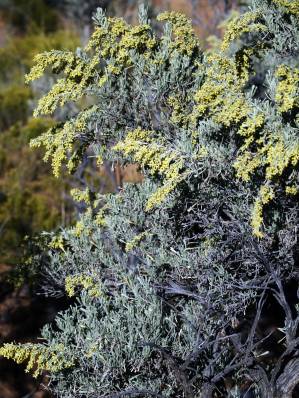
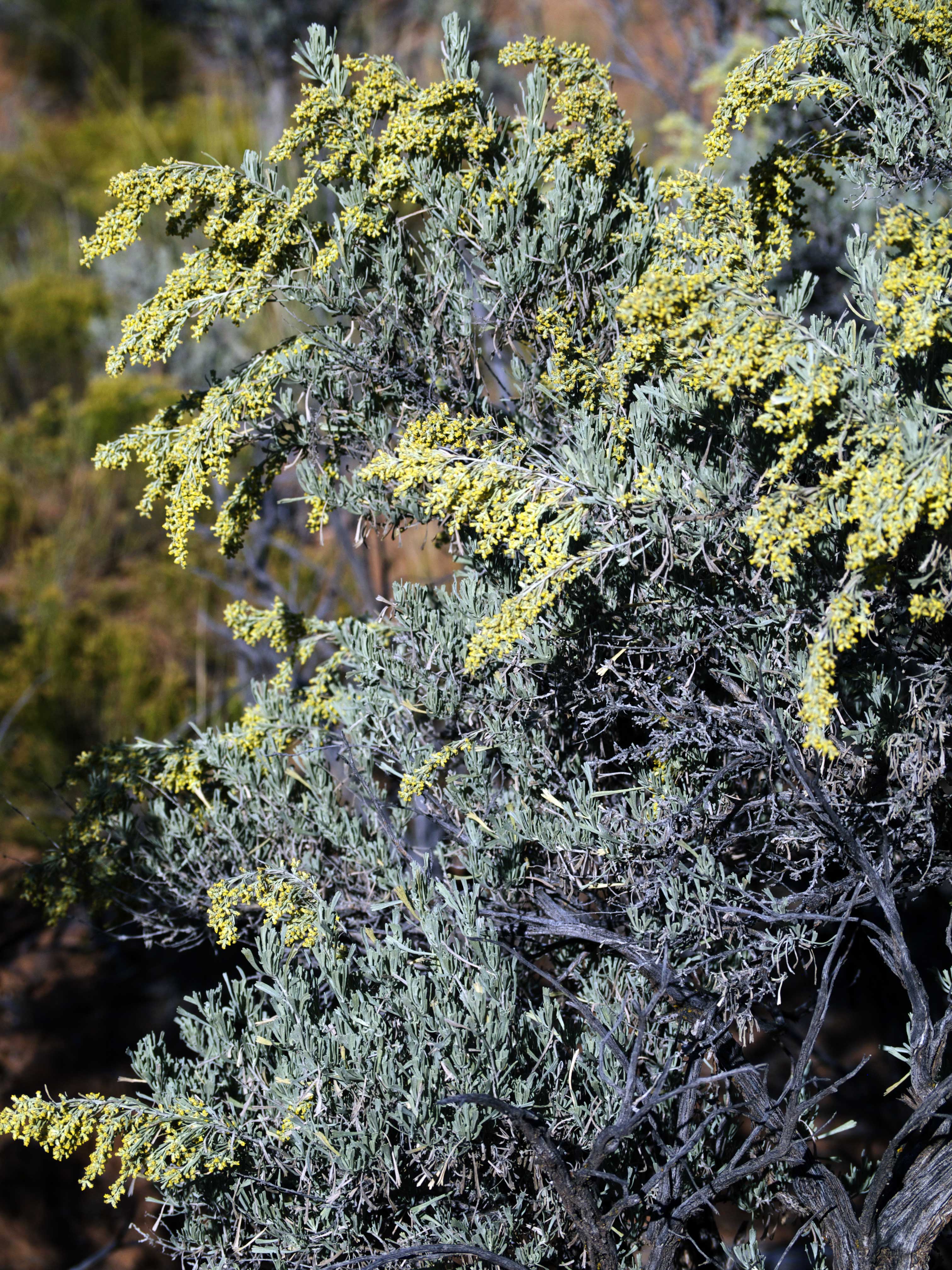
Artemisia tridentata - Photo by Tim GillerArtemisia tridentata - Photo by Tim Giller

Artemisia tridentata – Photo by Tim Giller

I seemed to be digging myself into a pit of cynicism and the best antidote for that is to get out onto the land and do some less metaphorical digging. Thankfully we learned that National Public Lands Day was coming so we signed up to join some folks out on the playa of the Black Rock Desert for a weekend of camping and service projects. Dusk was falling as we found the group and set up camp on the edge of the playa. Walking out onto the flat expanse you could convince yourself that you were walking on water, the edge curling away to the base of the dry and colorful mountains. I tried to imagine the clear waters of an extinct lake rising 500 feet above my head and laying this deep, fine bed of silt that I stood upon. In the distance dust rose from the footprint of the recently vacated Black Rock City, long streamers of dust marked the routes of vehicles tracing out in another direction towards the large camp of amateur rocketeers. This remote place has become popular, and though it is a durable landscape it’s not the lifeless waste suitable for abuse that some would like to believe. There really is no place on the planet that life hasn’t found a niche and waiting patiently beneath the crust of the playa are innumerable microbes and tiny fairy shrimp, possibly a spadefoot toad or two near the springs. When the infrequent downpours saturate the lakebed these creatures are resurrected and life briefly flourishes. These brief outbursts of life mean that even migrating birds can find much needed food in an otherwise inhospitable vastness.

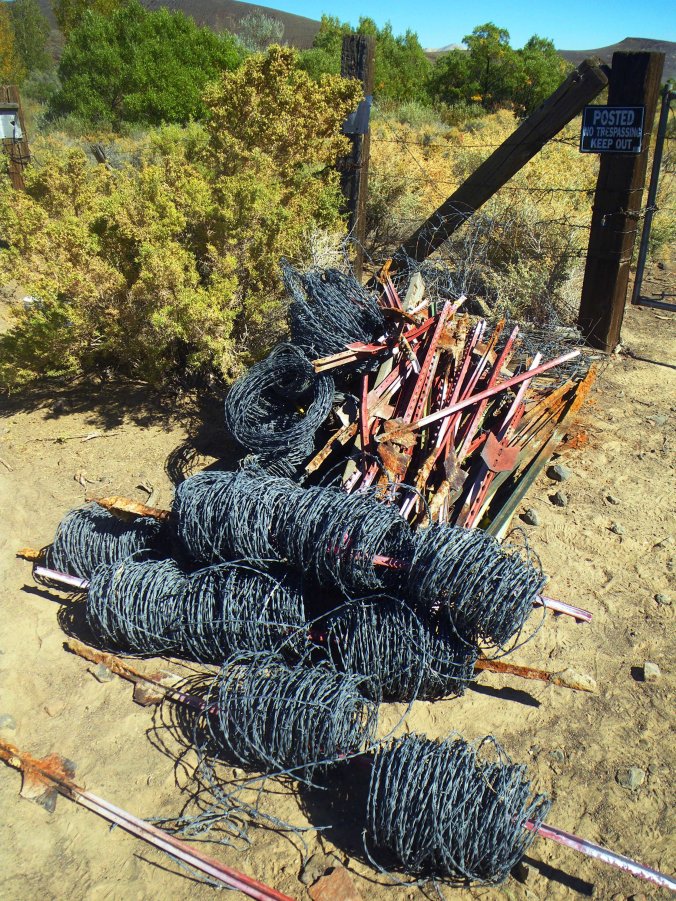
Barbed wire removal, NV - Photo by Tim GillerBarbed wire removal, NV - Photo by Tim Giller

Barbed wire removal, NV – Photo by Tim Giller

The playa is not Sage Grouse habitat. However, the surrounding hills and alluvial fans are covered with sagebrush rangeland. They are also crisscrossed with barbed wire, some of it improperly placed or out of use, but still creating an impediment to wildlife. Poorly located in sensitive areas it can also be lethal to Sage Grouse when they fly into it. On a hot morning our cheerful group of Friends of Black Rock/High Rock and Friends of Nevada Wilderness as well as some BLM folks loaded into a few trucks and bumped our way back into a riparian area on a local rancher’s property. Arrangements had been made to remove several hundred yards of problematic fencing. It was sweaty, dusty and scratchy work (“Everyone up to date of their tetanus shots?”). You realize that cowhands putting in these fences don’t spend a lot of time worrying about how they are going to be taken out. We found ourselves trapped in willow thickets and shoulder deep in Artemisia tridentata. Fortunately for me these are some of my favorite smelling plants and I had the joy getting dirty with great people in a rugged and natural place and I still have the scratch marks to prove it.

Back at camp a cold beer and a Dutch oven cook-off were my extra rewards. Late in the evening, steeping away from my new friends for a spell, I stood on the playa. The clear sky and a full moon meant that I could see far across the desert, just a few campsite lights on the long horizon. There is solace in this vastness. Opening our eyes means the pain of knowing the land has many wounds. It’s a big place though, and it is still full of life and mysteries, and with any luck you might find yourself there sharing a slumgullion stew with rowdy bunch of folks who give a damn about it.

Being Willing to See

“When one of us says, ‘Look, there’s nothing out there,’ what we are really saying is, ‘I cannot see.’” – Terry Tempest Williams

Wah Wah Valley, UT - Photo by Tim Giller

Wah Wah Valley, UT – Photo by Tim Giller

An open land can be remarkably good at hiding things. The low shrubs of the Great Basin offer cover and shade for all the scurrying creatures, most waiting for darkness or just a cooler quieter moment to move. Canyons winding back into dry ranges hold more secret aspen groves and high hidden meadows than any one person could ever know of in a hundred seasons of wandering. In a dry arroyo your boots will kick a thousand mysterious stones washed down at erratic intervals before touching that one stone flaked by an ancient hand into an elegant portable tool and lost to time. The stories are plainly but subtly written if we are willing to look. The land wants us to know that there was once a lush and expansive inland lake. Between pinyon-juniper slopes above and the flat alkali pans below this long arcing terrace was a shoreline. The bones are there of long vanished mammals that thrived. Rocks are carved with stories. Time has obscured the meaning but they can still speak. In remnant lakes prehistoric fish still swim.NV1

Pleistocene lakes surrounded mountainous islands, the climate not so much wetter but cooler. A gradually warming planet gradually drew down the water into briny remnants. The mountains remain as islands their summits isolated by wide dry basins rarely crossed by plant or animal unless on the wing. Below, a new sea of muted green and soft yellows rises in tides of peppery fragrance, fleeting summer thunderstorms releasing the aromas of Big Sagebrush and flowering Rabbitbrush. I was once carried across a long Nevada valley on a cloud of that native smell. The sweat from pedaling my touring bicycle over the ranges and playas was washed clear by a sudden and brief afternoon downpour. The wide desert void illuminated by gaps in the clouds filled my vision as the moistened fragrance of a million September flowers and tiny fuzzy leaves filled my lungs. It was a joy to be in motion, exposed to the wide and open place.

Antelope Valley, NV - Photo by Tim Giller

Antelope Valley, NV – Photo by Tim Giller

When we rolled off the boat from Alaska, back into the lower 48, a couple quick mountain passes brought us literally into the story of the Sage Grouse. East of the Cascade Range begins what is perhaps the largest plant community in North America, the Sagebrush-Steppe. It covers much of the land from Eastern Washington south to the Mojave Desert in Southern California and from the east slope of the Sierra Nevada across into Wyoming and Colorado. In fact every state west of the Mississippi has at least some pockets of sagebrush and associated plants. It is in the Great Basin though that this underappreciated plant truly finds its home often in unbroken swaths extending to all horizons. This is also the core home of the Sage Grouse. The birds are obligate residents of this ecosystem. This means that this is the only place they can live and they are wholly dependent on its health. To the causal eye the landscape looks self-same and unchanging. I’ve suffered through any number of people complaining that traveling across Nevada was “So Boring!” as if the endless interstate stripmalls of more civilized quarters offered something more than mind-numbing eye candy. Our unwillingness to see cannot be better illustrated than by the fact that this once unadulterated land could support tens of millions of these birds and they are down to no more than a quarter of their former numbers. The land seemed immutable and persistent so perhaps it wasn’t worth seeing more closely. It didn’t take armies of earthmoving machinery, fleets of D9 Caterpillars pushing earth and crushing plants, though there have been plenty of those out here. Benign indifference, a slow march of misuse on a place not worth looking at, a self-serving contradiction that there is nothing out there so we can take what we want from it. Over time this has left as much as 90% of the ecosystem degraded to some degree; habitat loss, widespread invasive plant species, overgrazing, a contaminated and fractured landscape from oil, gas and mineral extraction. These are sensitive birds. They need unmolested ground to do their exotic mating dance and create offspring. We’ve lacked the foresight and generosity to notice and give them their space.

Halfway Hills, UT - Photo by Tim Giller

Halfway Hills, UT – Photo by Tim Giller

We arrived back in the West with the story of this otherwise obscure and strange bird on the tongues of the nightly news. This story has been known for years by those on the ground, but now the machines of bureaucracy and politics were waiting with bated breath to pat themselves on the back for doing something. After years of scrabbling and studying and cutting deals the Department of the Interior chose not to list the Greater Sage Grouse as an endangered species even though it had already determined that they deserved the status. The details are vast but the idea is that all the various stake holders, ranchers, oil & gas extractors, developers, environmental groups, local, state and federal agencies, have collaborated in order to walk a narrow path of continuing to take from the land while giving enough attention to its health to keep these bird from disappearing. They averted the most drastic and contentious option in favor of a pragmatic solution that offers tangible actions. There is optimism that a new atmosphere of best practices can be created through cooperation rather than confrontation. It has been called the biggest conservation framework ever patched together. Protections are intended to become more robust if and when the birds’ status is not improving. I have no doubt that some of these folks have learned to see this place better and care to keep it whole. Many ranchers have been taught the hard truth that this place can and will stop providing if it is treated as a wasteland. I’m not so convinced though that all the players would uphold their end of the bargain when push comes to shove. For some, guile is part of doing business and can be written off in the ledger at another time.


Artemisia tridentata - Photo by Tim Giller

Artemisia tridentata – Photo by Tim Giller

I seemed to be digging myself into a pit of cynicism and the best antidote for that is to get out onto the land and do some less metaphorical digging. Thankfully we learned that National Public Lands Day was coming so we signed up to join some folks out on the playa of the Black Rock Desert for a weekend of camping and service projects. Dusk was falling as we found the group and set up camp on the edge of the playa. Walking out onto the flat expanse you could convince yourself that you were walking on water, the edge curling away to the base of the dry and colorful mountains. I tried to imagine the clear waters of an extinct lake rising 500 feet above my head and laying this deep, fine bed of silt that I stood upon. In the distance dust rose from the footprint of the recently vacated Black Rock City, long streamers of dust marked the routes of vehicles tracing out in another direction towards the large camp of amateur rocketeers. This remote place has become popular, and though it is a durable landscape it’s not the lifeless waste suitable for abuse that some would like to believe. There really is no place on the planet that life hasn’t found a niche and waiting patiently beneath the crust of the playa are innumerable microbes and tiny fairy shrimp, possibly a spadefoot toad or two near the springs. When the infrequent downpours saturate the lakebed these creatures are resurrected and life briefly flourishes. These brief outbursts of life mean that even migrating birds can find much needed food in an otherwise inhospitable vastness.


Barbed wire removal, NV - Photo by Tim Giller

Barbed wire removal, NV – Photo by Tim Giller

The playa is not Sage Grouse habitat. However, the surrounding hills and alluvial fans are covered with sagebrush rangeland. They are also crisscrossed with barbed wire, some of it improperly placed or out of use, but still creating an impediment to wildlife. Poorly located in sensitive areas it can also be lethal to Sage Grouse when they fly into it. On a hot morning our cheerful group of Friends of Black Rock/High Rock and Friends of Nevada Wilderness as well as some BLM folks loaded into a few trucks and bumped our way back into a riparian area on a local rancher’s property. Arrangements had been made to remove several hundred yards of problematic fencing. It was sweaty, dusty and scratchy work (“Everyone up to date of their tetanus shots?”). You realize that cowhands putting in these fences don’t spend a lot of time worrying about how they are going to be taken out. We found ourselves trapped in willow thickets and shoulder deep in Artemisia tridentata. Fortunately for me these are some of my favorite smelling plants and I had the joy getting dirty with great people in a rugged and natural place and I still have the scratch marks to prove it.

Back at camp a cold beer and a Dutch oven cook-off were my extra rewards. Late in the evening, steeping away from my new friends for a spell, I stood on the playa. The clear sky and a full moon meant that I could see far across the desert, just a few campsite lights on the long horizon. There is solace in this vastness. Opening our eyes means the pain of knowing the land has many wounds. It’s a big place though, and it is still full of life and mysteries, and with any luck you might find yourself there sharing a slumgullion stew with rowdy bunch of folks who give a damn about it.

The Orange Glow

Orange-SandpipeOrange-Sandpipe

Orange-Sandpipe

A couple of years ago on a fateful trip down the Green River with Tim we found ourselves on a sand bar on our bellies looking closely at the Sacred Datura plant. Our close inspection put us face to face with a large green caterpillar with large white spots that looked like eyes down its sectional body. Keep in mind we’d been in the depths of Canyonlands National Park of southeast Utah for five days when I tell you that looking at this perfectly plump juicy looking specimen that I had an overwhelming urge to pluck it from its protective roost and eat it. Such is the power of the desert that it can make a jack vegetarian want to be an insectivore.

Petrified Wood - Escalante Petrified Forest State ParkPetrified Wood - Escalante Petrified Forest State Park

Petrified Wood – Escalante Petrified Forest State Park

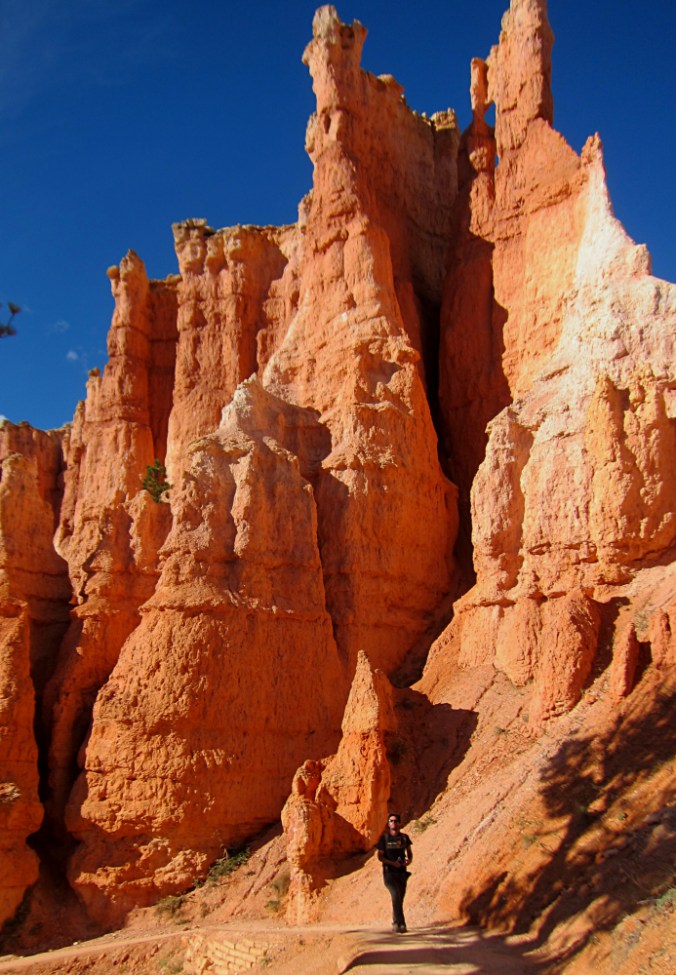
How is it that in a lunar landscape, shaped by wind and water, the massive sandstone layers that make up the Grand Staircase of the Colorado Plateau have not all but washed away? This desert filled with plateaus, canyons, slots, cliffs and such wondrous shapes as hoodoos, goblins and sandpipes, hints of ages long since past with dinosaur, plants and ocean fossils, entire petrified forests with old trunks emitting a rainbow of minerals. Thunderstorms fill the summer air and flash floods stir up rivers of red, winter brings snow at higher elevations and yet only 6-8 inches of water on average.

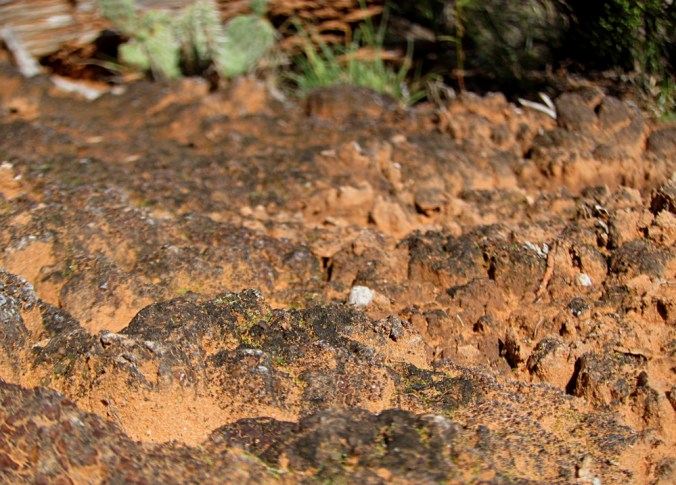
To understand how with all this weathering it manages to still be fecund, at least for those who have adapted to this desert turbulence, you have to watch where you step and maybe even get on your belly. Look closely at the ground. What you’ll eventually see is a community cyanobacteria, lichens, mosses, green-algae, micro-fungi and bacteria called Biological Soil Crust or Crypto-Biotic Soils. These crusts take years to form. Shaped but pale in color that crust may be 10 years old, dark thick crusts could be well over 100 years. National Parks like to remind us that one boot print can wipe out the whole thing. In other words “Don’t Bust the Crust”! Crypto-Biotic soil is credited with producing oxygen and pushing nitrogen into the soils. Also know as “nitrogen fixing” which is necessary for plants that need nitrogen to grow but cannot absorb the nitrogen from air. Without the Biological Soil Crust there would be nothing more than the blowing sands and towering stones.

Crypto-Biotic SoilCrypto-Biotic Soil

Crypto-Biotic Soil

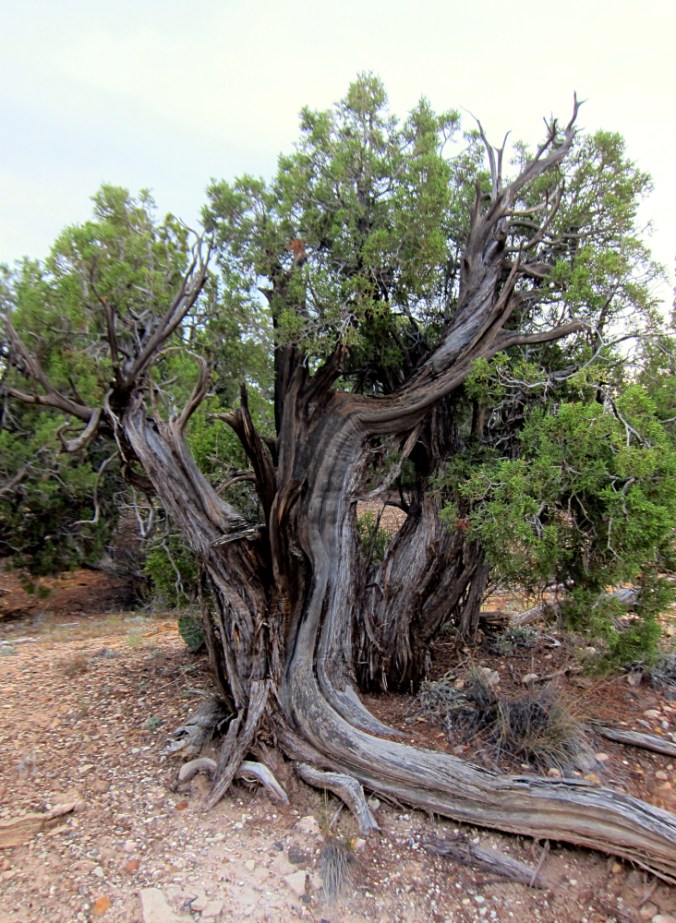
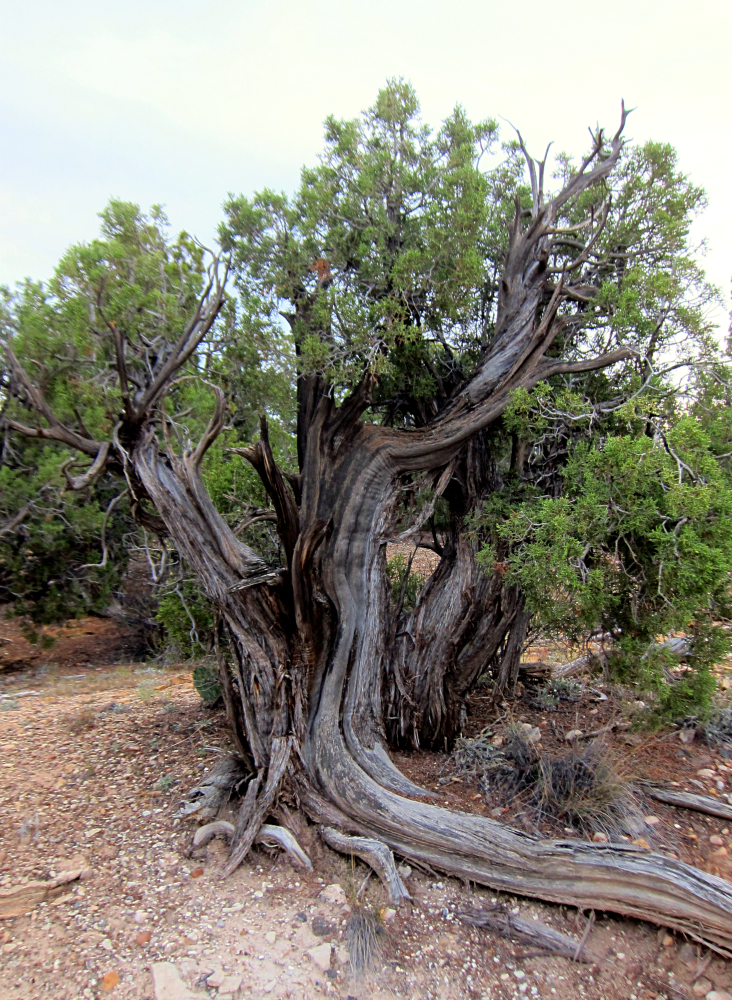
Utah JuniperUtah Juniper

Utah Juniper

In complimentary contrast the green of the junipers, pinyon pines, cottonwoods and willows only highlight the beauty of the red, pink and tan sandstone walls, stream-beds and soils. With the juniper/pinyon forests dominating the landscape you’re never far from the shade of the twisted, gnarled papery trunks of the Utah Juniper (Juniperus osteoperma). Due to the harsh growing conditions a 50 year old tree might not even top your head and a tree several hundred years older might only be double that height. The blue “berries” of a juniper are actually tiny cones covered in waxy protection. These berries are an important food source for birds, rabbits and coyotes alike. Traditionally the juniper was used as a medicine, fibers for shoes, beds and even toilet paper. The rot resistant wood has also been used for both fence posts and roofing. This strong scented tree manages to withstand the high winds and lack of water. Juniper trees can cut off water to one or several branches in order to keep other branches nourished and still producing seeds in times of drought. So well adapted as it is there are some who might call the juniper invasive, this is really an allowance of normal ecological succession with lack of fire disturbance to hold back the tree’s spread.

Orange-GlowOrange-Glow

Orange-Glow

Watching the orange glow of the fading sunlight on the steep walls of red I know the best part of this place is coming soon. After the smores are made and the coyotes have begun their call of carnage the night sky begins its show. Far from the city, suburban and industrial lights the milky-way illuminates the sky. Even on a moonless night there is enough light, if you let your eyes adjust, to take a little stroll. Late one night by the embers of our fire we both caught a shooting star followed by a dramatic fire ball.

After we’ve moved on I dump out sand from my boots. Red flakes dot the sidewalk, reminding me that I may come and go from southern Utah but that red sand and orange glow are forever with me.

The Orange Glow

Orange-Sandpipe

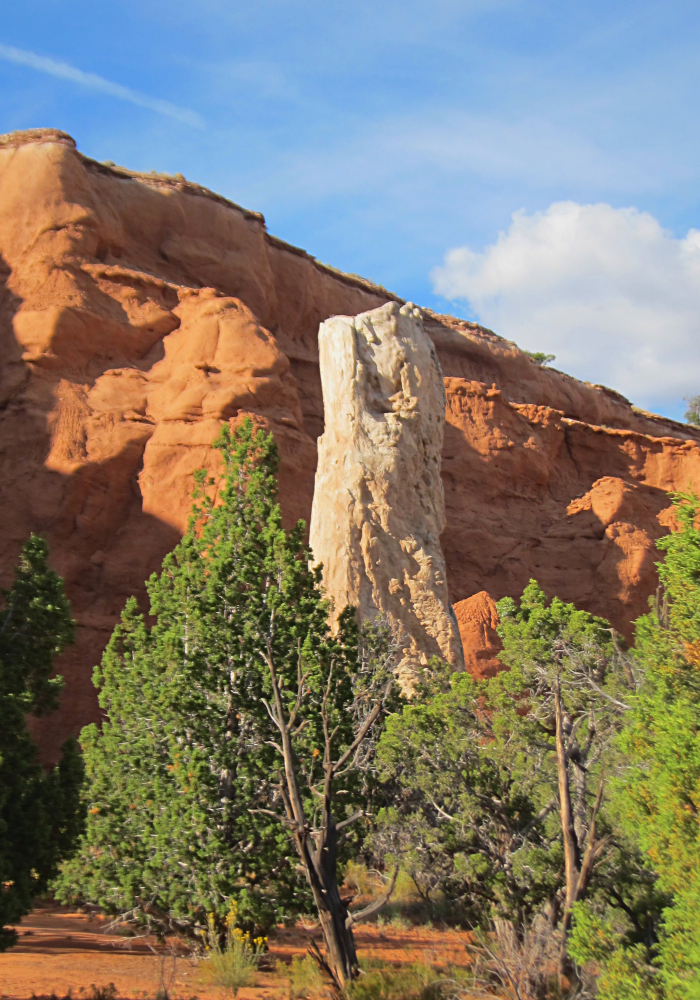
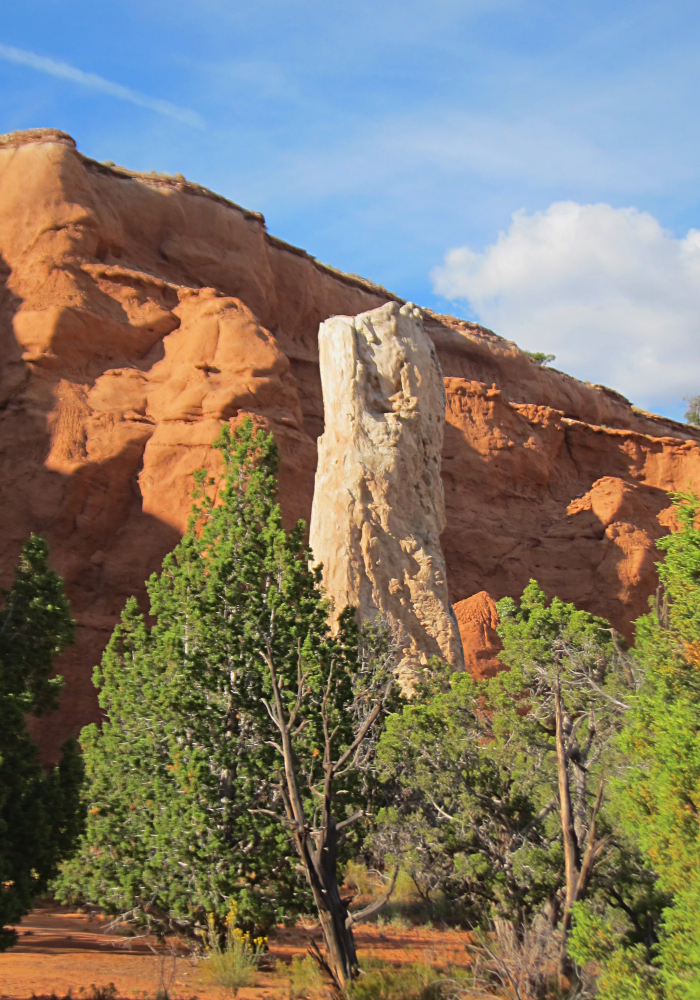
Sandpipe – Kodacrome State Park

A couple of years ago on a fateful trip down the Green River with Tim we found ourselves on a sand bar on our bellies looking closely at the Sacred Datura plant. Our close inspection put us face to face with a large green caterpillar with large white spots that looked like eyes down its sectional body. Keep in mind we’d been in the depths of Canyonlands National Park of southeast Utah for five days when I tell you that looking at this perfectly plump juicy looking specimen that I had an overwhelming urge to pluck it from its protective roost and eat it. Such is the power of the desert that it can make a jack vegetarian want to be an insectivore.

Petrified Wood - Escalante Petrified Forest State Park

Petrified Wood – Escalante Petrified Forest State Park

How is it that in a lunar landscape, shaped by wind and water, the massive sandstone layers that make up the Grand Staircase of the Colorado Plateau have not all but washed away? This desert filled with plateaus, canyons, slots, cliffs and such wondrous shapes as hoodoos, goblins and sandpipes, hints of ages long since past with dinosaur, plants and ocean fossils, entire petrified forests with old trunks emitting a rainbow of minerals. Thunderstorms fill the summer air and flash floods stir up rivers of red, winter brings snow at higher elevations and yet only 6-8 inches of water on average.

To understand how with all this weathering it manages to still be fecund, at least for those who have adapted to this desert turbulence, you have to watch where you step and maybe even get on your belly. Look closely at the ground. What you’ll eventually see is a community cyanobacteria, lichens, mosses, green-algae, micro-fungi and bacteria called Biological Soil Crust or Crypto-Biotic Soils. These crusts take years to form. Shaped but pale in color that crust may be 10 years old, dark thick crusts could be well over 100 years. National Parks like to remind us that one boot print can wipe out the whole thing. In other words “Don’t Bust the Crust”! Crypto-Biotic soil is credited with producing oxygen and pushing nitrogen into the soils. Also know as “nitrogen fixing” which is necessary for plants that need nitrogen to grow but cannot absorb the nitrogen from air. Without the Biological Soil Crust there would be nothing more than the blowing sands and towering stones.

Crypto-Biotic Soil

Crypto-Biotic Soil

Utah Juniper

Utah Juniper

In complimentary contrast the green of the junipers, pinyon pines, cottonwoods and willows only highlight the beauty of the red, pink and tan sandstone walls, stream-beds and soils. With the juniper/pinyon forests dominating the landscape you’re never far from the shade of the twisted, gnarled papery trunks of the Utah Juniper (Juniperus osteoperma). Due to the harsh growing conditions a 50 year old tree might not even top your head and a tree several hundred years older might only be double that height. The blue “berries” of a juniper are actually tiny cones covered in waxy protection. These berries are an important food source for birds, rabbits and coyotes alike. Traditionally the juniper was used as a medicine, fibers for shoes, beds and even toilet paper. The rot resistant wood has also been used for both fence posts and roofing. This strong scented tree manages to withstand the high winds and lack of water. Juniper trees can cut off water to one or several branches in order to keep other branches nourished and still producing seeds in times of drought. So well adapted as it is there are some who might call the juniper invasive, this is really an allowance of normal ecological succession with lack of fire disturbance to hold back the tree’s spread.

Orange-GlowWatching the orange glow of the fading sunlight on the steep walls of red I know the best part of this place is coming soon. After the smores are made and the coyotes have begun their call of carnage the night sky begins its show. Far from the city, suburban and industrial lights the milky-way illuminates the sky. Even on a moonless night there is enough light, if you let your eyes adjust, to take a little stroll. Late one night by the embers of our fire we both caught a shooting star followed by a dramatic fire ball.

After we’ve moved on I dump out sand from my boots. Red flakes dot the sidewalk, reminding me that I may come and go from southern Utah but that red sand and orange glow are forever with me.

Wild Caught

carcasscarcass

carcass

Alaska is literally made from salmon. At least a certain widely distributed portion of it is. Inland, thousands of river miles from the nearest ocean you can find deep sea nutrients, specific isotopes of nitrogen, carbon, sulfur and phosphorous, in the plants and soil. Every summer for millions of years, fish have returned from the Pacific to the streams from which they were born, powerfully compelled by some internal mechanism, following imperceptible chemical clues that bring them back to the exact stream where their mothers deposited eggs a few seasons before. Bodies transformed in color and shape by new hormones they no longer eat and are fixated on this ultimate act that culminates in death. The lucky ones that survive the gauntlet along the way successfully leave behind many millions of offspring. All are consumed by bears, birds, humans and a whole array of other scavengers. Carcasses decompose streamside nourishing their own spawning beds. Others are dragged abroad into forests, meadows and tundra bringing exotic nutrients to wider ecosystems. The drama plays out on innumerable rivers, streams, creeks and lakes along the 45,000 mile Alaskan coastline from the Inside Passage around to the high arctic. The five species, Chinook, Coho, Sockeye, Chum and Pinks have staggered timing throughout the season between thaw and freeze.

Alaska is metaphorically made from salmon. Many resources have been harvested from this wild land but it probably safe to say that over time none can match the value of these fish. Overfishing by industrialists from outside the region helped inspire the push for statehood and written into the state constitution is language that mandates the sustainable management of the fishery. Other fisheries around the world have collapsed, including formerly rich salmon runs in the Atlantic, Japan and California. Learning from these lessons the Alaskan fishery has been carefully managed and appears to be achieving sustainability. It is a huge part of the daily tapestry of life in Alaska. We’ve encountered conversations about whose turn it was on a local fish wheel. We’ve come across the weekly river sonar readings that determine daily catch limits. Dip nets and fishing tackle decorate cabins and country stores. After tuning in the on-air classifieds (“My black lab, Tug is still on the loose if anyone spots him let me know. Oh yeah I still have those burn barrels for sale too.”), we listen to a detailed fishery report on the local radio station. There are jobs on fishing boats and in canneries and a rich supply of healthy food on thousands of diner tables. The boisterous weekend-warrior fishermen who woke us at 3am at our creekside campsite are spending money in the local community. With restraint the resource is essentially infinite; we could expect these species to outlive ours.

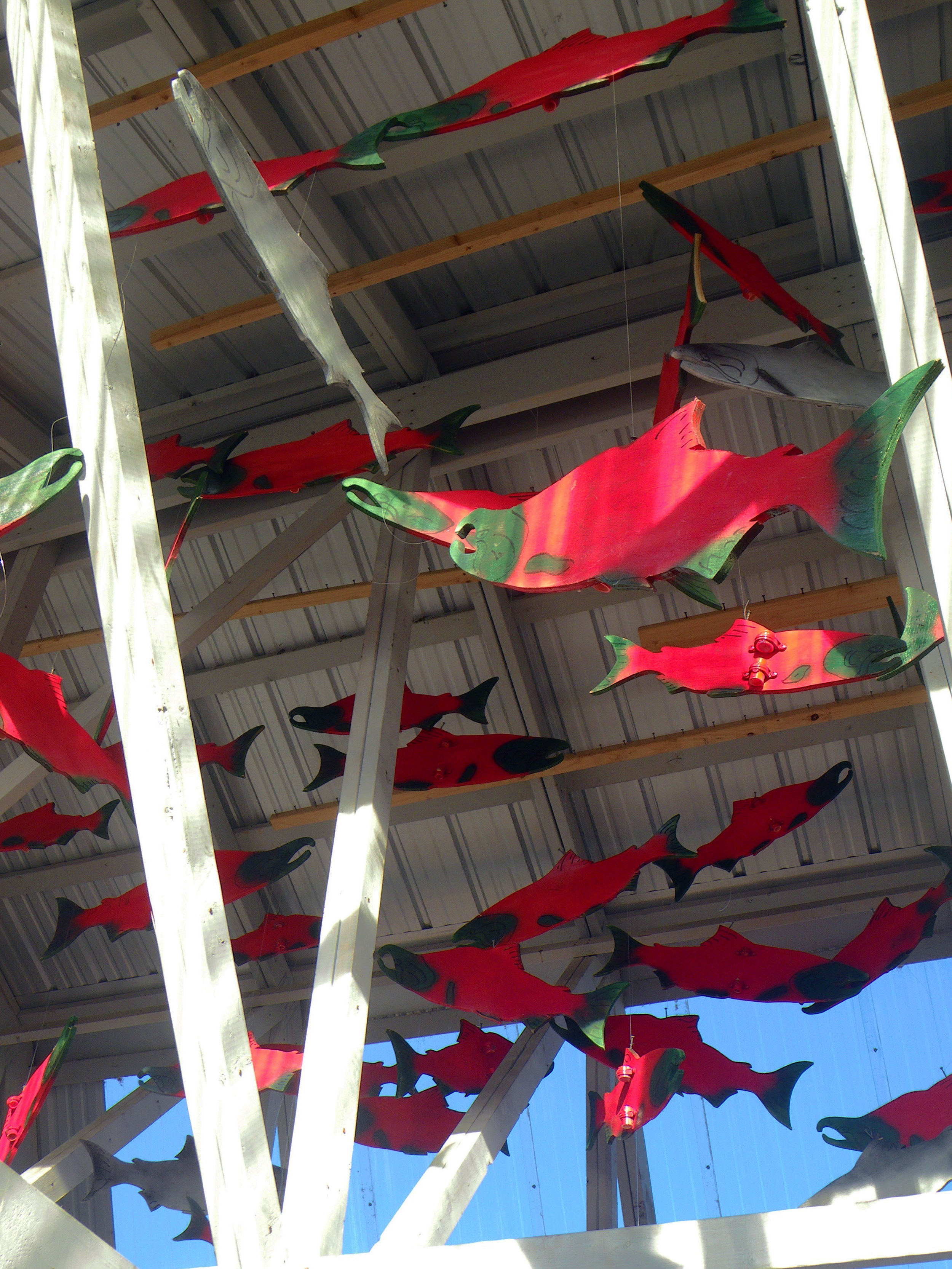
Sculpture, Ninilchik, AK Fairgrounds -Photo by Tim GillerSculpture, Ninilchik, AK Fairgrounds -Photo by Tim Giller

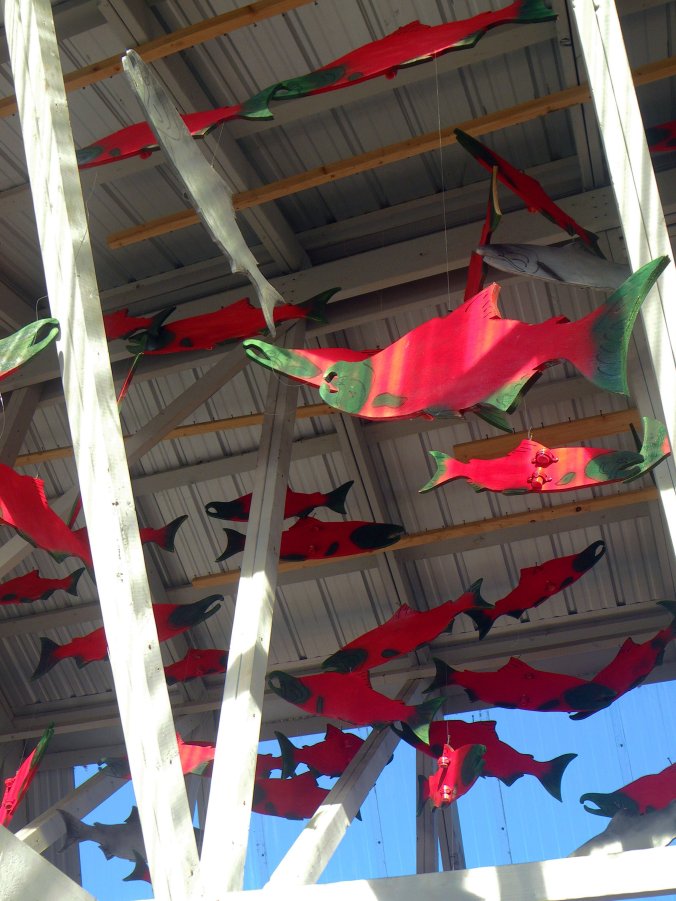
Sculpture, Ninilchik, AK Fairgrounds -Photo by Tim Giller

Alaska is spiritually made from salmon. The esteem for these animals is ancient. Tlingit totem poles honor them. Native songs are sung to them. They are thanked for giving themselves so abundantly. Modern folks have fetishized them with t-shirts, murals, sculptures, the earrings on a woman at the county fair. The first massive Chinook of the season is ceremonially flown into Seattle. When a creature is so abundant that the biggest version of Brown bear can cohabitate in large numbers peacefully sharing them, that is weighty mojo. Kodiak Brown bears know the power of salmon. By gorging on fish all summer they have become the largest carnivore on any continent. Their flesh also sustains us. Our spirits are thrilled when we see them leaping a four-foot beaver dam or an eight-foot waterfall. Rachael and I stood on the bank of the Chulitna River watching them, one after another darting up a rocky channel half out of the water, tails furiously thrashing, an embodiment of collective ambition. By feeding our bodies and our minds they also feed our souls.

Salmon2Salmon2

Salmon2

We are vulnerable if we don’t recognize this. This hard won balance of modern commerce with age-old subsistence and healthy ecosystems can only be sustained with vigilance. There seems to be a never-ending desire to trade this elegant system for short term gain. Every season there is pressure to allow for a larger catch. Clear-cutting in the Tongass National Forest has damaged spawning streams. A large scale gold mine is proposed in one of the richest areas of the Bristol Bay drainage. Dam projects, the clearest devastator of salmon are continually proposed. Oil is always the elephant in the room in Alaska. I write this aboard a ferry crossing Prince William Sound, Lil’ Squatch strapped down below decks while abundant sea life, including salmon swims beneath. We see the spouting of large sea mammals. Tall, intermittent clouds of mist are the exhalations of Humpback whales. Quick clusters just above water level mark the furtive risings of porpoises. The Exxon Valdez oil spill is still on the minds of locals here because its residue can still be found on the rocks. We can thank the raw fecundity of this place for the fact that it has rebounded. No place should be repeatedly asked to face such threats.

In the wild salmon of these northern waters there is no better example of the total interconnectedness of the natural world and how we are a part of it. It’s hard to imagine a better example of humans recognizing this and finding a solution. It’s hard not to want to apply this model further and it’s hard no to be worried that our collective memory is too short.

Wild Caught

carcass

Photo by Tim Giller

Alaska is literally made from salmon. At least a certain widely distributed portion of it is. Inland, thousands of river miles from the nearest ocean you can find deep sea nutrients, specific isotopes of nitrogen, carbon, sulfur and phosphorous, in the plants and soil. Every summer for millions of years, fish have returned from the Pacific to the streams from which they were born, powerfully compelled by some internal mechanism, following imperceptible chemical clues that bring them back to the exact stream where their mothers deposited eggs a few seasons before. Bodies transformed in color and shape by new hormones they no longer eat and are fixated on this ultimate act that culminates in death. The lucky ones that survive the gauntlet along the way successfully leave behind many millions of offspring. All are consumed by bears, birds, humans and a whole array of other scavengers. Carcasses decompose streamside nourishing their own spawning beds. Others are dragged abroad into forests, meadows and tundra bringing exotic nutrients to wider ecosystems. The drama plays out on innumerable rivers, streams, creeks and lakes along the 45,000 mile Alaskan coastline from the Inside Passage around to the high arctic. The five species, Chinook, Coho, Sockeye, Chum and Pinks have staggered timing throughout the season between thaw and freeze.

Alaska is metaphorically made from salmon. Many resources have been harvested from this wild land but it probably safe to say that over time none can match the value of these fish. Overfishing by industrialists from outside the region helped inspire the push for statehood and written into the state constitution is language that mandates the sustainable management of the fishery. Other fisheries around the world have collapsed, including formerly rich salmon runs in the Atlantic, Japan and California. Learning from these lessons the Alaskan fishery has been carefully managed and appears to be achieving sustainability. It is a huge part of the daily tapestry of life in Alaska. We’ve encountered conversations about whose turn it was on a local fish wheel. We’ve come across the weekly river sonar readings that determine daily catch limits. Dip nets and fishing tackle decorate cabins and country stores. After tuning in the on-air classifieds (“My black lab, Tug is still on the loose if anyone spots him let me know. Oh yeah I still have those burn barrels for sale too.”), we listen to a detailed fishery report on the local radio station. There are jobs on fishing boats and in canneries and a rich supply of healthy food on thousands of diner tables. The boisterous weekend-warrior fishermen who woke us at 3am at our creekside campsite are spending money in the local community. With restraint the resource is essentially infinite; we could expect these species to outlive ours.

Sculpture, Ninilchik, AK Fairgrounds -Photo by Tim Giller

Sculpture, Ninilchik, AK Fairgrounds -Photo by Tim Giller

Alaska is spiritually made from salmon. The esteem for these animals is ancient. Tlingit totem poles honor them. Native songs are sung to them. They are thanked for giving themselves so abundantly. Modern folks have fetishized them with t-shirts, murals, sculptures, the earrings on a woman at the county fair. The first massive Chinook of the season is ceremonially flown into Seattle. When a creature is so abundant that the biggest version of Brown bear can cohabitate in large numbers peacefully sharing them, that is weighty mojo. Kodiak Brown bears know the power of salmon. By gorging on fish all summer they have become the largest carnivore on any continent. Their flesh also sustains us. Our spirits are thrilled when we see them leaping a four-foot beaver dam or an eight-foot waterfall. Rachael and I stood on the bank of the Chulitna River watching them, one after another darting up a rocky channel half out of the water, tails furiously thrashing, an embodiment of collective ambition. By feeding our bodies and our minds they also feed our souls.

Salmon2

Sockeye -Photo by Tim Giller

We are vulnerable if we don’t recognize this. This hard won balance of modern commerce with age-old subsistence and healthy ecosystems can only be sustained with vigilance. There seems to be a never-ending desire to trade this elegant system for short term gain. Every season there is pressure to allow for a larger catch. Clear-cutting in the Tongass National Forest has damaged spawning streams. A large scale gold mine is proposed in one of the richest areas of the Bristol Bay drainage. Dam projects, the clearest devastator of salmon are continually proposed. Oil is always the elephant in the room in Alaska. I write this aboard a ferry crossing Prince William Sound, Lil’ Squatch strapped down below decks while abundant sea life, including salmon swims beneath. We see the spouting of large sea mammals. Tall, intermittent clouds of mist are the exhalations of Humpback whales. Quick clusters just above water level mark the furtive risings of porpoises. The Exxon Valdez oil spill is still on the minds of locals here because its residue can still be found on the rocks. We can thank the raw fecundity of this place for the fact that it has rebounded. No place should be repeatedly asked to face such threats.

In the wild salmon of these northern waters there is no better example of the total interconnectedness of the natural world and how we are a part of it. It’s hard to imagine a better example of humans recognizing this and finding a solution. It’s hard not to want to apply this model further and it’s hard no to be worried that our collective memory is too short.

Written on the People’s Tongues

Sub_RoseHipsSub_RoseHips

Sub_RoseHips

I wait several long minutes before I’m willing to admit to Tim that I’ve just inadvertently spent $5.52 on two apples. We’re in Alaska and most things, especially food, come a long way to get here and I’m clearly a spoiled Bay Area grocery shopper. Earlier in the month when we’d only been here a few days we met a man named Jim who listed off all the eateries we could enjoy while in McCarthy, Alaska. They were all good places to eat he confirmed but as for Jim well, he’s not much for spending his money on “OPF” (other people’s food). It wasn’t until I contemplated a $2.76 apple for me to understand that all food in Alaska is OPF unless you hunt, fish, trap, grow or harvest it yourself. And they do! Of course there are hunters, fishers and harvesters in the lower 48 but up here subsistence is your other job.

Working the Fish WheelsWorking the Fish Wheels

Working the Fish Wheels

It’s not that I wasn’t already familiar with the understanding that the place shapes the people, I take great pride in being a born and raised Californian, it’s just that I didn’t have the forethought to know just how much this trip would outline that so clearly for me. I’ve made a point to write about the ecology of the places we’ve had the chance to visit but I just can’t write about Alaska without acknowledging the people and how the land and sea of Alaska so clearly shapes their lives. Within an hour of being in Alaska the word subsistence came up. Whether you are a descendant of over 10,000 years of finely tuned experience, of old Russian communities, a descendant of a homesteader, a pioneer, a gold rush miner or came into the country to heal after war, get away from it all, “live off the land”, find freedom, make a living from oil, flying, fishing, tourism or whatever else brought one up here you will be either directly or indirectly be affected by “subsistence”. Never have I been anywhere where this was such an obvious need.

Severed Moose LegSevered Moose Leg

Severed Moose Leg

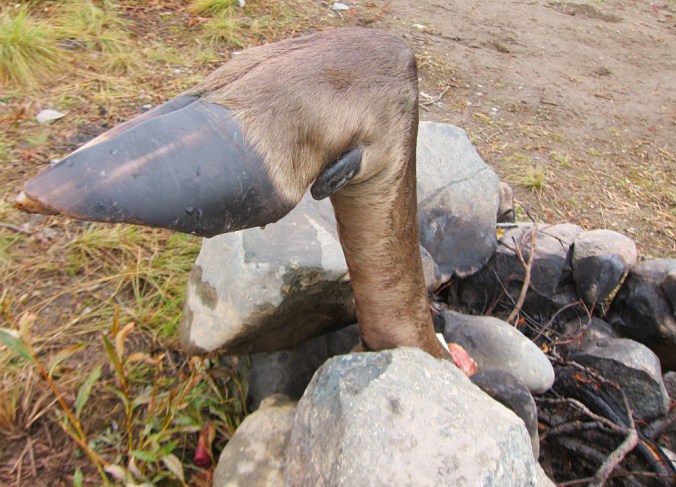
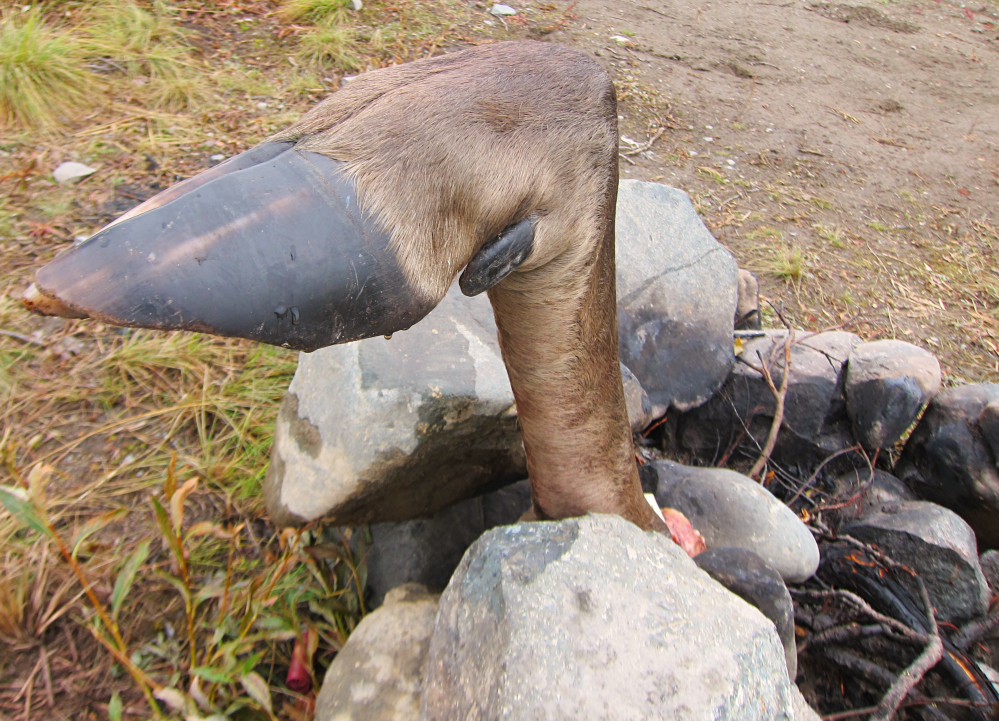
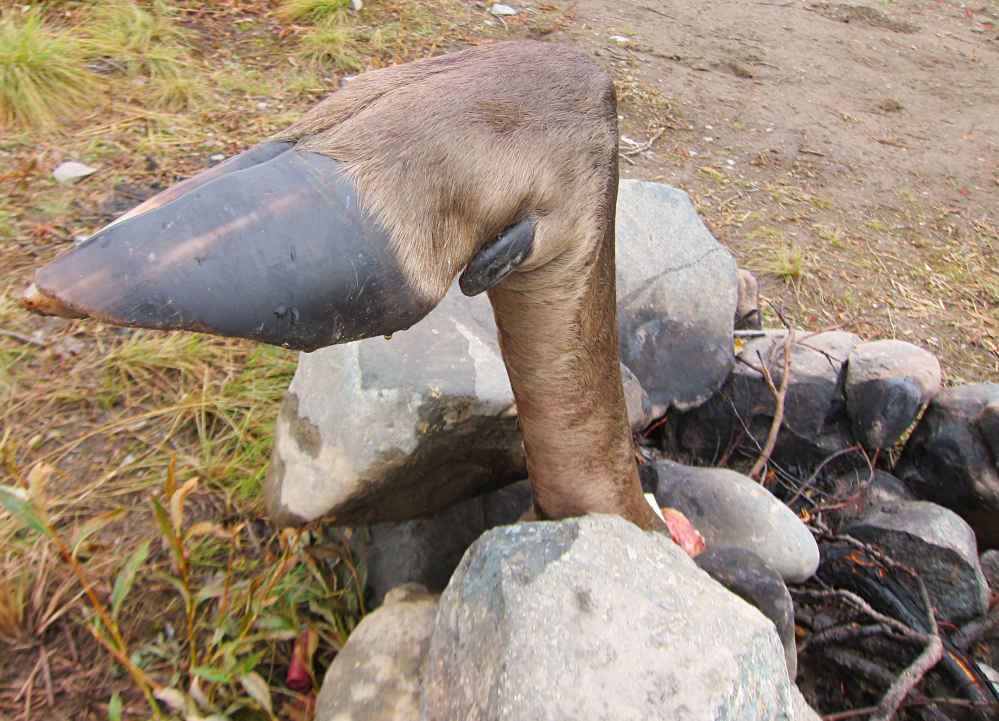
From a personal perspective it puts me in a awkward place. I don’t hunt and don’t think I could do it. However, I have great respect for those that do so in order to feed their families. I don’t have a lot of respect for those that just want to hang a big head over their fire place and pat themselves on the back. When driving down the Denali Highway we pull over at a roadside camp site that has a moose leg sticking up out of the fire ring. I took pictures and even pet the leg though the experience leaves me with a weird feeling. An hour or so later while picking blueberries some Native Alaskan men trot by with packs on in order to cut up and carry a moose that one had shot earlier. This will feed a couple of families over winter. This seems good. Further down the road we see a moose in the distance eating. I try not to think of him being dinner.

Photo: Tim GillerPhoto: Tim Giller

Photo: Tim Giller

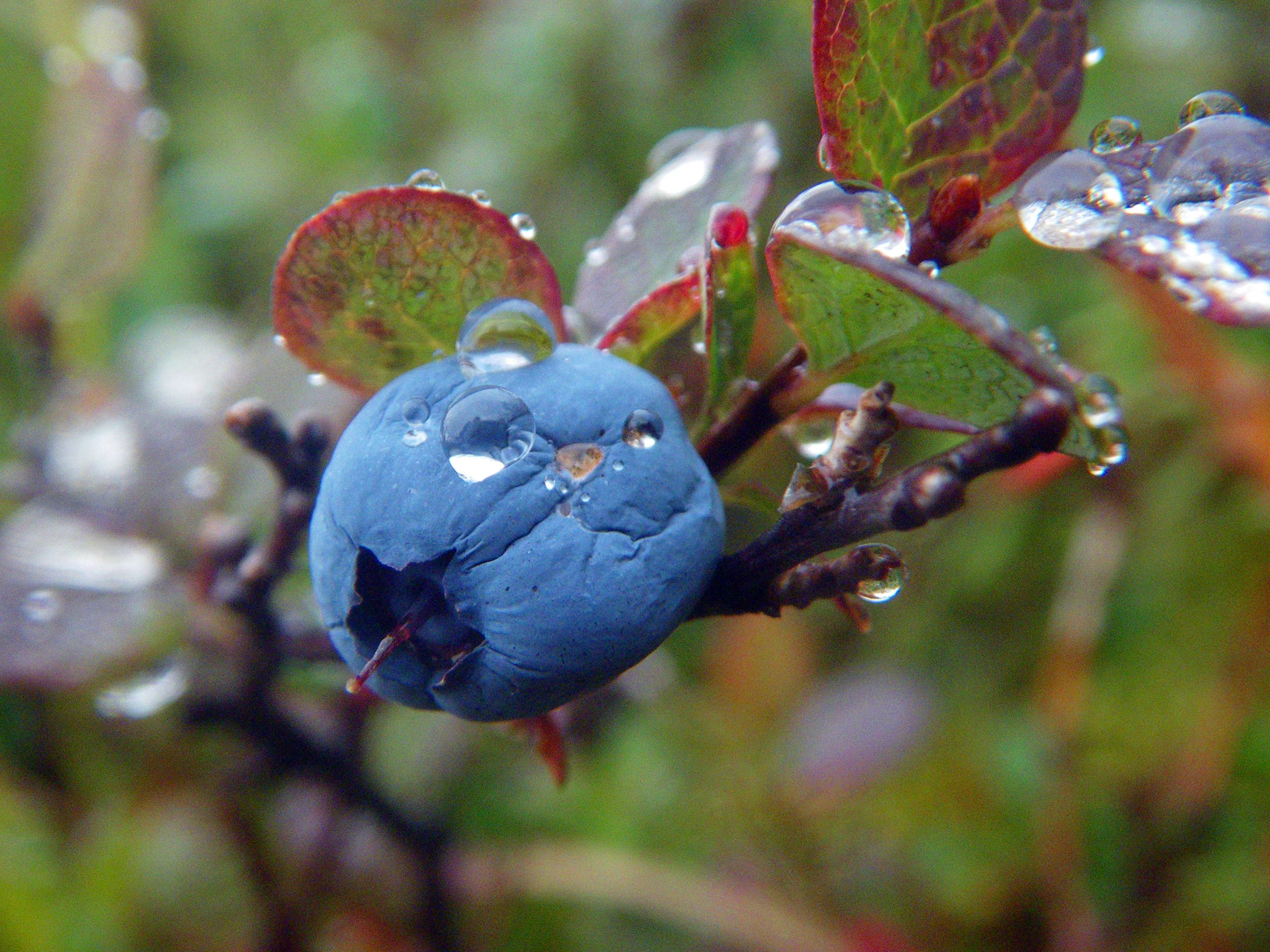
In Denali National Park we watch a movie at the visitor center. An older Native woman filmed with her grandchildren picking blueberries and she says that you must not waste the berries because the animals eat the berries too and it will upset them if you waste their food. I make note to eat all of our two pints of blueberries. We’re in Alaska for two more weeks at this point and the last thing I need is an upset grizzly bear.

Alaska is a really big place. Most of what we have seen is accessible by car. So my take away of the people is limited to our limited experiences over the last month. But it didn’t matter if we were talking to a man from Tok working the road construction while waiting for the pilot car or if we were talking to Chris at the O’Reilly auto parts in Homer, the young woman in the Native Cultural Center in Copper Center, the man at the Native Heritage Museum or the rangers at the Slana ranger station hunting, fishing or harvesting came up. It’s on the forefront of their minds. It’s how they spend their weekends or even their evenings staying up late in order to get all the salmon canned. It’s the waiting period before their hunting season opens and the moose they’ve had their eye on, the spot where they noticed the plump berries. It is that which is “written on the people’s tongues”.

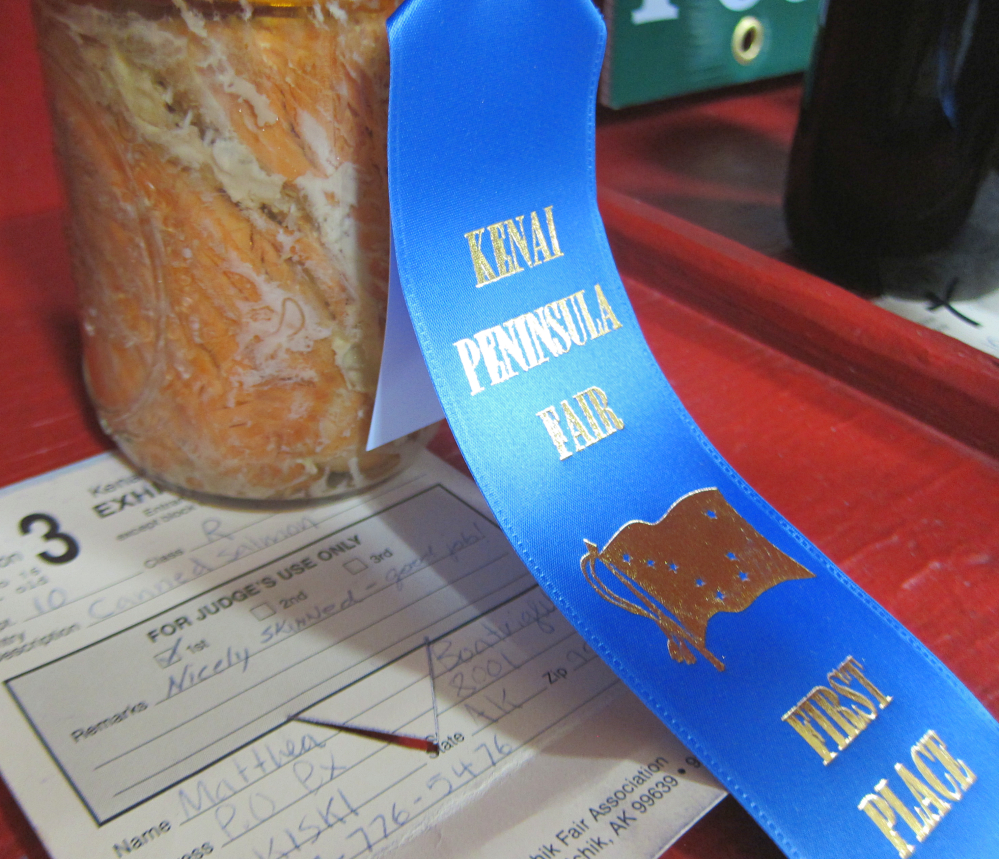
Canned Salmon at the Kenai FairCanned Salmon at the Kenai Fair

Canned Salmon at the Kenai Fair

“We want to save that which is written on the people’s tongues” – Peter Kalifornsky, Dena’ina Elder

Written on the People’s Tongues

Sub_RoseHips

Rose Hips

I wait several long minutes before I’m willing to admit to Tim that I’ve just inadvertently spent $5.52 on two apples. We’re in Alaska and most things, especially food, come a long way to get here and I’m clearly a spoiled Bay Area grocery shopper. Earlier in the month when we’d only been here a few days we met a man named Jim who listed off all the eateries we could enjoy while in McCarthy, Alaska. They were all good places to eat he confirmed but as for Jim well, he’s not much for spending his money on “OPF” (other people’s food). It wasn’t until I contemplated a $2.76 apple for me to understand that all food in Alaska is OPF unless you hunt, fish, trap, grow or harvest it yourself. And they do! Of course there are hunters, fishers and harvesters in the lower 48 but up here subsistence is your other job.

Working the Fish Wheels

Working the Fish Wheels – Photo: Tim Giller

It’s not that I wasn’t already familiar with the understanding that the place shapes the people, I take great pride in being a born and raised Californian, it’s just that I didn’t have the forethought to know just how much this trip would outline that so clearly for me. I’ve made a point to write about the ecology of the places we’ve had the chance to visit but I just can’t write about Alaska without acknowledging the people and how the land and sea of Alaska so clearly shapes their lives. Within an hour of being in Alaska the word subsistence came up. Whether you are a descendant of over 10,000 years of finely tuned experience, of old Russian communities, a descendant of a homesteader, a pioneer, a gold rush miner or came into the country to heal after war, get away from it all, “live off the land”, find freedom, make a living from oil, flying, fishing, tourism or whatever else brought one up here you will be either directly or indirectly be affected by “subsistence”. Never have I been anywhere where this was such an obvious need.

Severed Moose Leg

Severed Moose Leg

From a personal perspective it puts me in a awkward place. I don’t hunt and don’t think I could do it. However, I have great respect for those that do so in order to feed their families. I don’t have a lot of respect for those that just want to hang a big head over their fire place and pat themselves on the back. When driving down the Denali Highway we pull over at a roadside camp site that has a moose leg sticking up out of the fire ring. I took pictures and even pet the leg though the experience leaves me with a weird feeling. An hour or so later while picking blueberries some Native Alaskan men trot by with packs on in order to cut up and carry a moose that one had shot earlier. This will feed a couple of families over winter. This seems good. Further down the road we see a moose in the distance eating. I try not to think of him being dinner.

Photo: Tim Giller

Photo: Tim Giller

In Denali National Park we watch a movie at the visitor center. An older Native woman filmed with her grandchildren picking blueberries and she says that you must not waste the berries because the animals eat the berries too and it will upset them if you waste their food. I make note to eat all of our two pints of blueberries. We’re in Alaska for two more weeks at this point and the last thing I need is an upset grizzly bear.

Alaska is a really big place. Most of what we have seen is accessible by car. So my take away of the people is limited to our limited experiences over the last month. But it didn’t matter if we were talking to a man from Tok working the road construction while waiting for the pilot car or if we were talking to Chris at the O’Reilly auto parts in Homer, the young woman in the Native Cultural Center in Copper Center, the man at the Native Heritage Museum or the rangers at the Slana ranger station hunting, fishing or harvesting came up. It’s on the forefront of their minds. It’s how they spend their weekends or even their evenings staying up late in order to get all the salmon canned. It’s the waiting period before their hunting season opens and the moose they’ve had their eye on, the spot where they noticed the plump berries. It is that which is “written on the people’s tongues”.

Canned Salmon at the Kenai Fair

Canned Salmon at the Kenai Fair

“We want to save that which is written on the people’s tongues” – Peter Kalifornsky, Dena’ina Elder