Off Trail

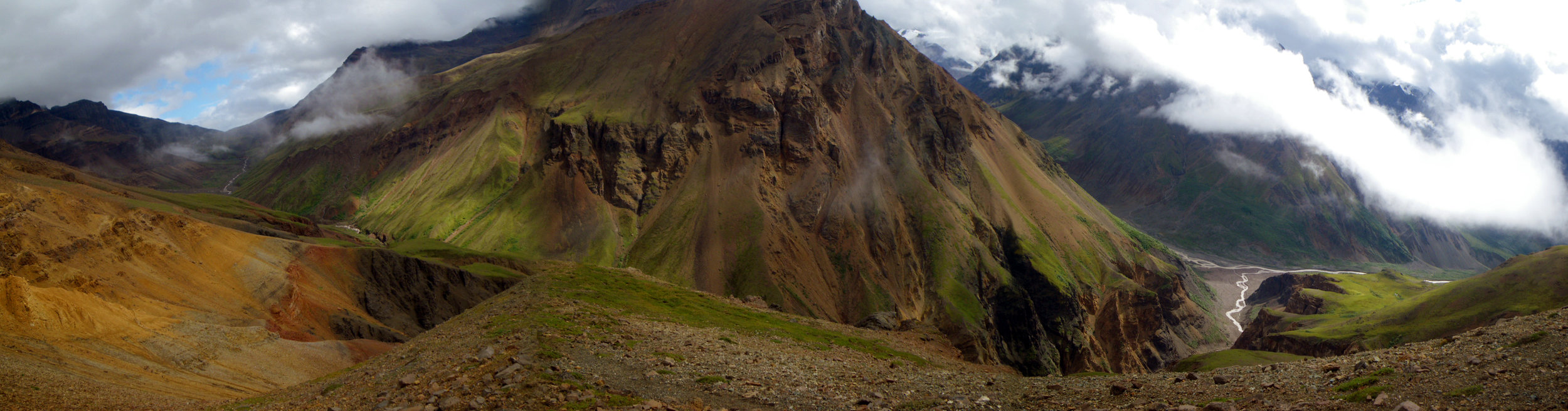
Chitistone Canyon, Wrangell-St Elias NP - Photo by Tim GillerChitistone Canyon, Wrangell-St Elias NP - Photo by Tim Giller

Chitistone Canyon, Wrangell-St Elias NP – Photo by Tim Giller

When our bush plane flew away we immediately felt awfully small in an awfully big place. All our vehicles and modern modes of transportation, even slow and diminutive houses with wheels, have abstracted the size of the world giving us the impression that it’s not the large place it really is. Standing in the heart of a truly immense wilderness that has no real trails to speak of, the silence settled in and we began to sense the true size of things. The land in the Wrangell Mountains is vast and open with tree line at this latitude a thousand feet below us. Our plateau is covered with moss, lichen, miniature shrubs and ground hugging berry bushes, just enough vegetation to soften the landscape and obscure some of its surprises. Towering around us are peaks capped in overhangs of permanent ice and the buttes of Wolverine Mountain slope down to our boots.

Hanging Glacier, Wrangell-St Elias NP - Photo by Tim GillerHanging Glacier, Wrangell-St Elias NP - Photo by Tim Giller

Hanging Glacier, Wrangell-St Elias NP – Photo by Tim Giller

In Alaska nobody holds your hand. We are expected to know how to handle ourselves out here and find our way over the next six days to our exit point.
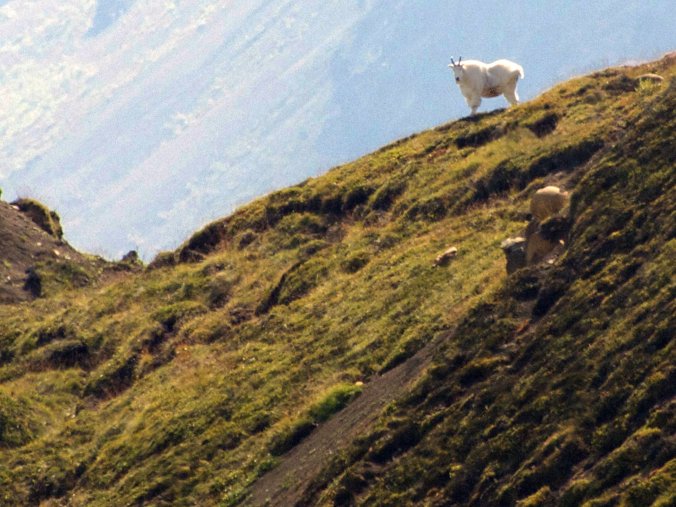
Mountain Goat, Wrangell-St Elias NP - Photo by Tim GillerMountain Goat, Wrangell-St Elias NP - Photo by Tim Giller

Mountain Goat, Wrangell-St Elias NP – Photo by Tim Giller

We have a route, many others have been here before, but we are utterly alone and will see no one until the very end of our walk. In my pack are the most detailed maps available, which in Alaska means that you can clearly see the major features, but that long gradual ridgeline we’re about to traverse has a half dozen uncharted 80ft deep gullies that we’ll just have to discover for ourselves. It’s a terrain one measures not in miles but in hours and vistas.

It is also a terrain that demands a lot of focused attention and this is one of the joys of wilderness travel. I can definitely appreciate a well-constructed trail that allows you walk into a wild place. However on a long march over an easy to follow path your mind can and will wander to any old thought. When you travel cross-country charting out your own route you need to be present. The peaks and ridges become your guideposts. The slopes, cliffs and rivers shape your route. Each boulder and willow thicket alters your course. The soil, stones and plants influence each footstep. You pay attention. You see the place.
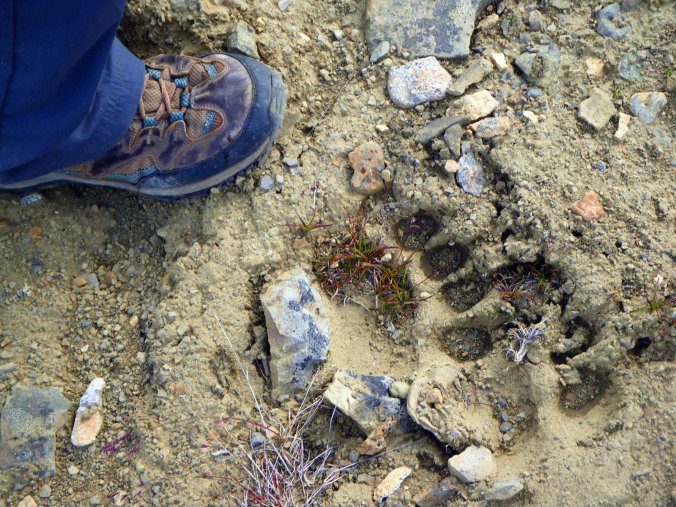
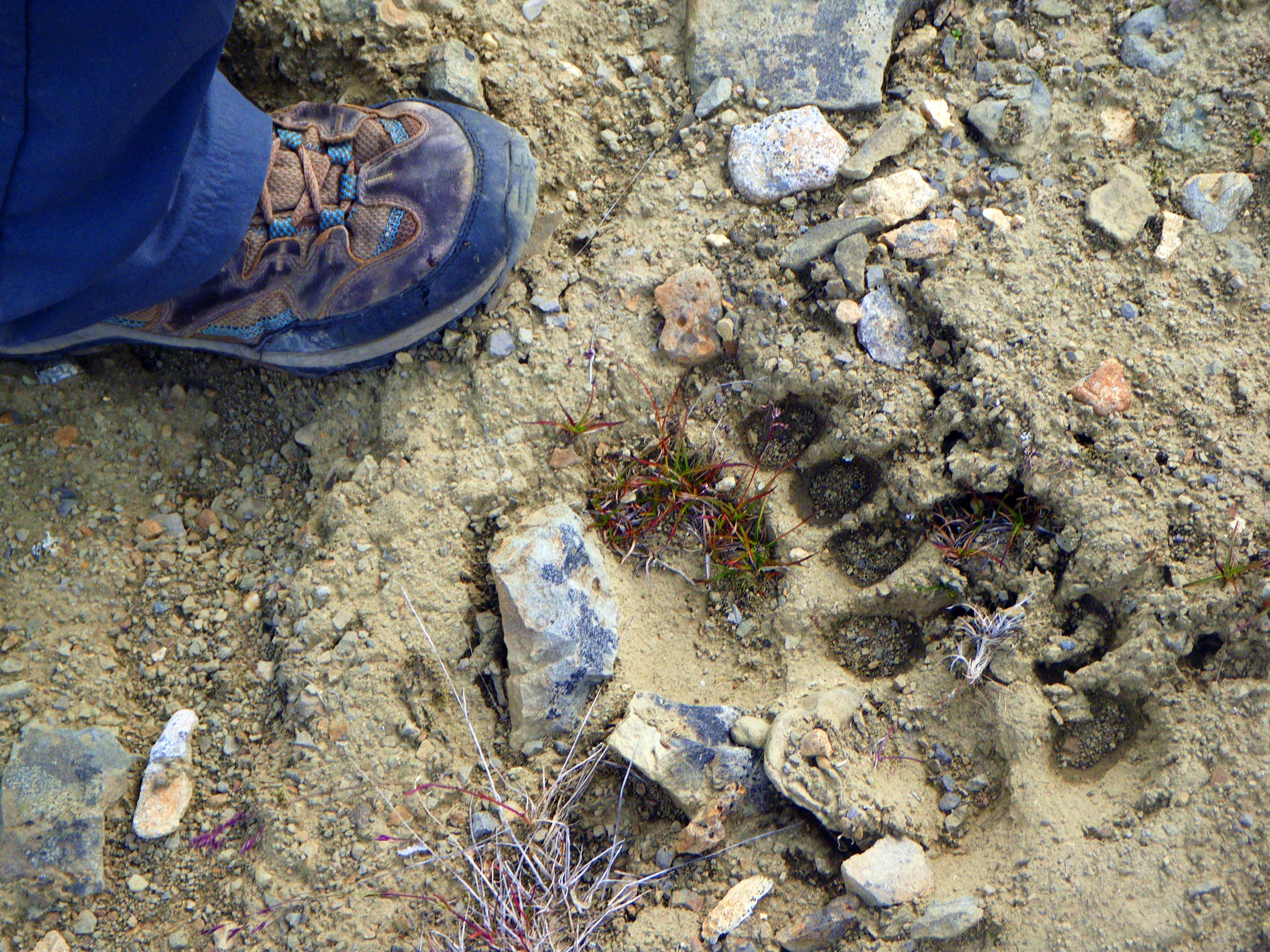
Bear Tracks, Wrangell-St Elias NP - Photo by Tim GillerBear Tracks, Wrangell-St Elias NP - Photo by Tim Giller

Bear Tracks, Wrangell-St Elias NP – Photo by Tim Giller

When you pay this kind of attention to the land it will show you things. On high cliffs are quiet creatures slowly moving and easily missed. Unconcerned Mountain Goats and Dall Sheep, white dots on tan ledges, look down with the confidence that few can stomach the climb. We hear the denial of a Ptarmigan mumbling “uh-uh” from the willows just a couple yards away, sitting still and indistinguishable from the local rock. Our first afternoon is spent repeatedly crossing the tracks of a Grizzly bear, confirming that this just might be the most sensible route over the pass. How old are these tracks? Old enough we decide, although we both had noticed plenty of berries to attract others. A big place is made up of small things. Even the rocks revealed their stories.

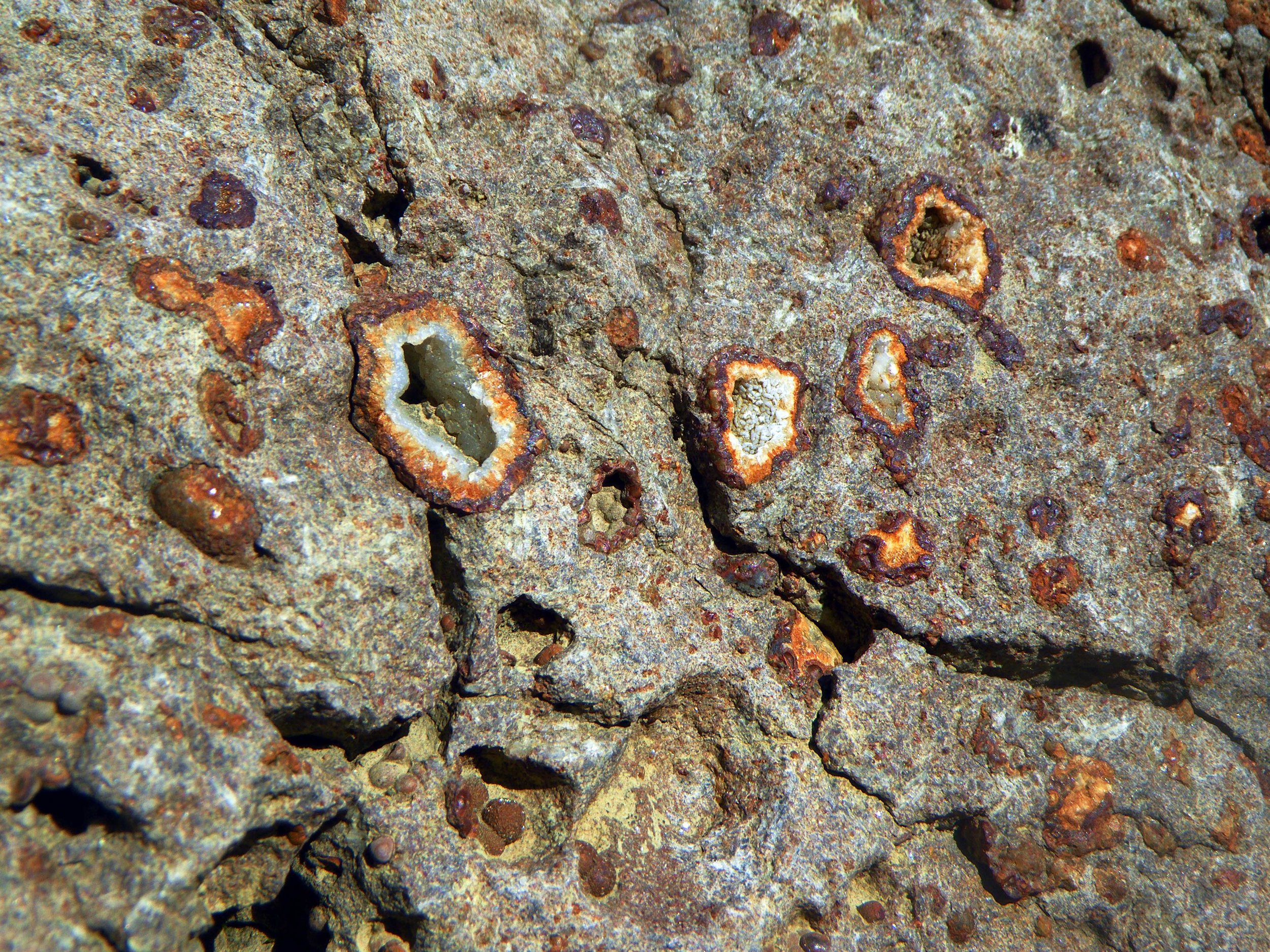
Geodes, Wrangell-St Elias NP - Photo by Tim GillerGeodes, Wrangell-St Elias NP - Photo by Tim Giller

Geodes, Wrangell-St Elias NP – Photo by Tim Giller

We stopped to examine fossils; sea life of some far distant time turned to stone and lifted way up here. The mountain flanks and valleys were filled with crystals encased in broken stones called geodes, clues to eons of subterranean activity.
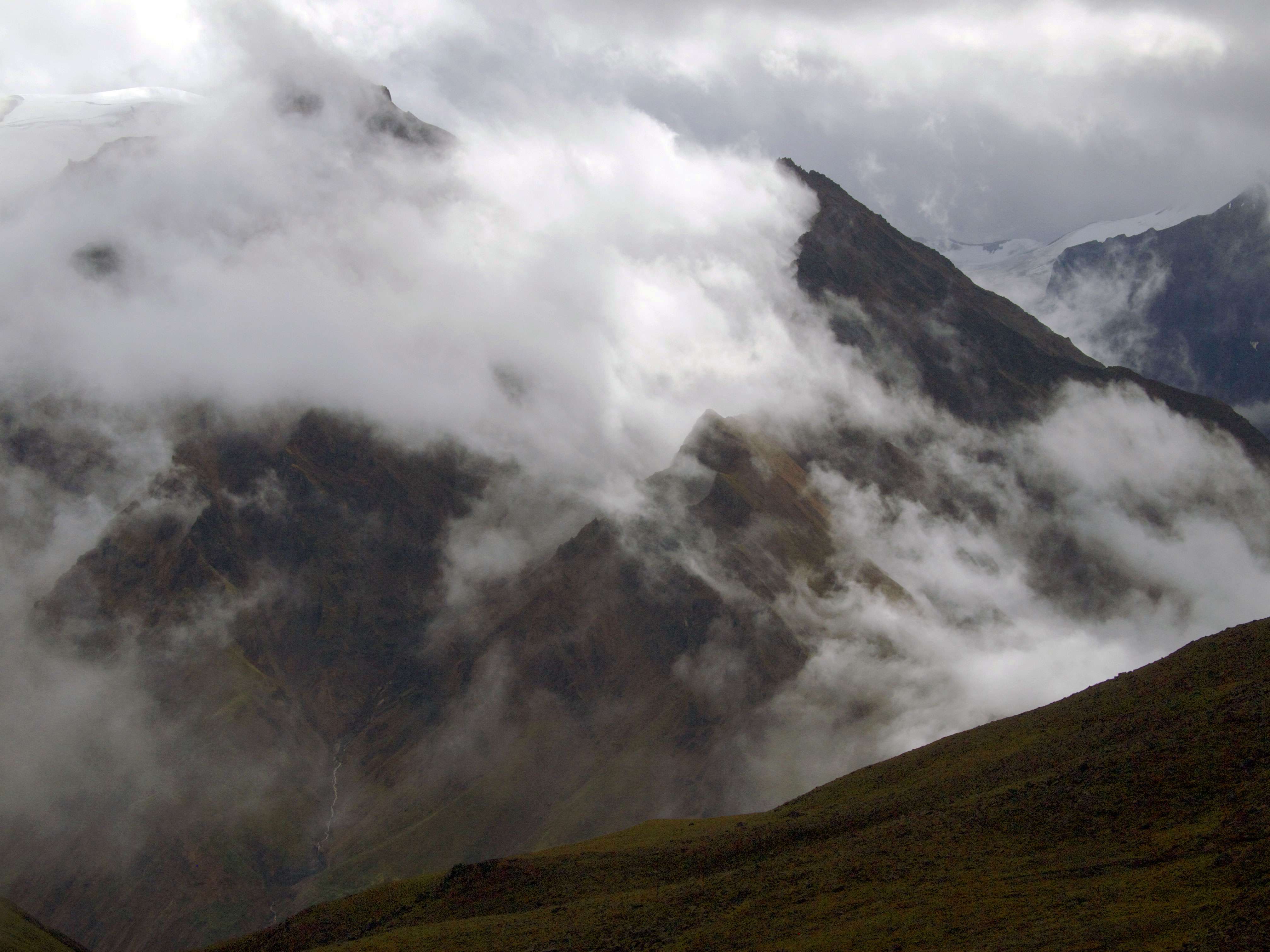
Wrangell-St Elias NP - Photo by Tim GilerWrangell-St Elias NP - Photo by Tim Giler

Wrangell-St Elias NP – Photo by Tim Giler

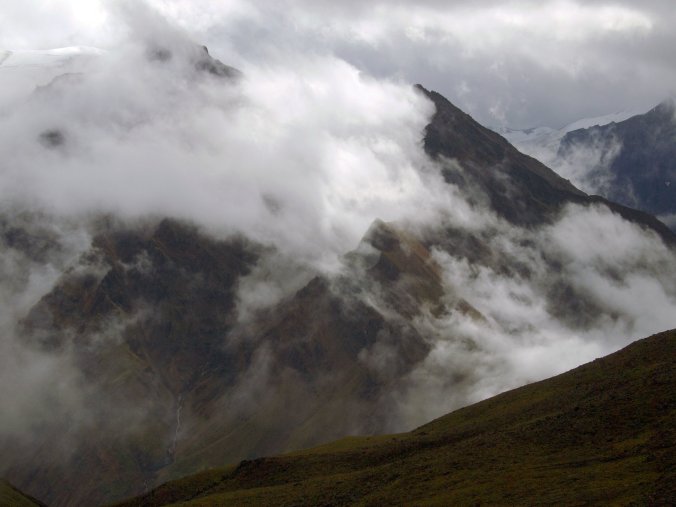
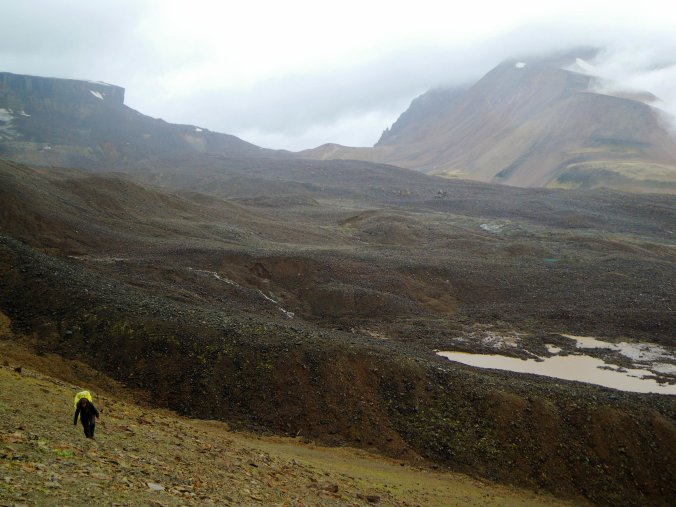
The big mountains create big weather and the long northern daylight makes the hours slip by. Swirls of mist wrap the arêtes and couloirs as we boulder hop across a mile wide rock glacier consuming an afternoon before we notice.
Rock Glacier, Wrangell-St Elias NP - Photo by Tim GillerRock Glacier, Wrangell-St Elias NP - Photo by Tim Giller

Rock Glacier, Wrangell-St Elias NP – Photo by Tim Giller

Weather and time and landscape intertwine, clouds and rainfall settling in on us then blowing away leaving new snow on the cliff faces above as we slog with sodden boots across a rain soaked hill side. The ground squishes, barely solid. Our boots squish, our woolen socks saturated.

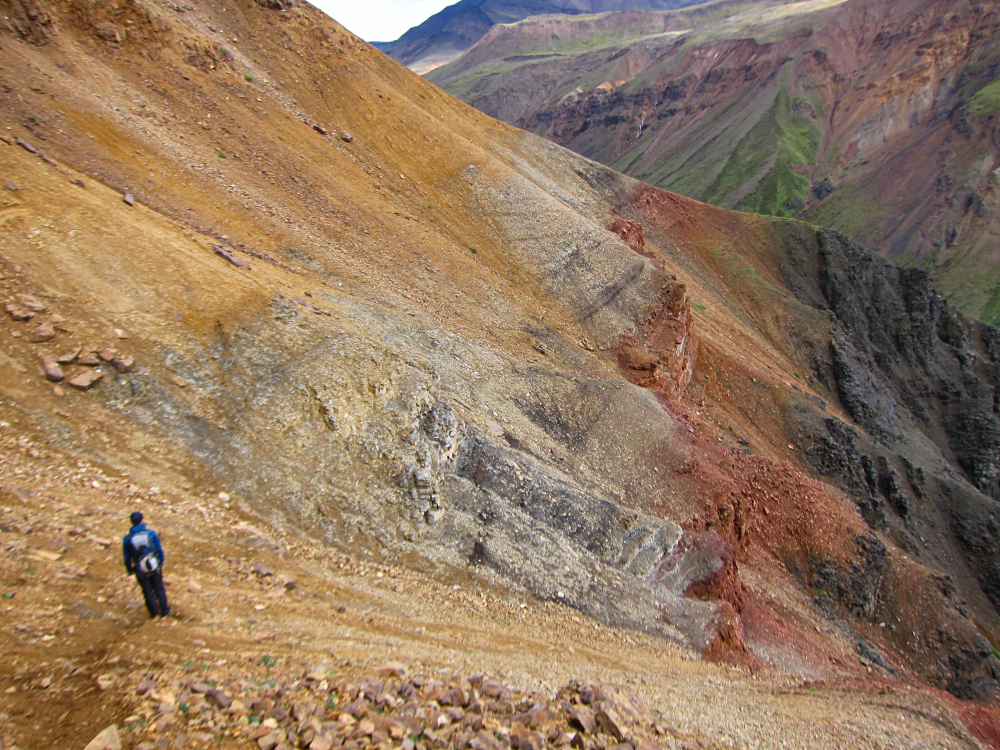
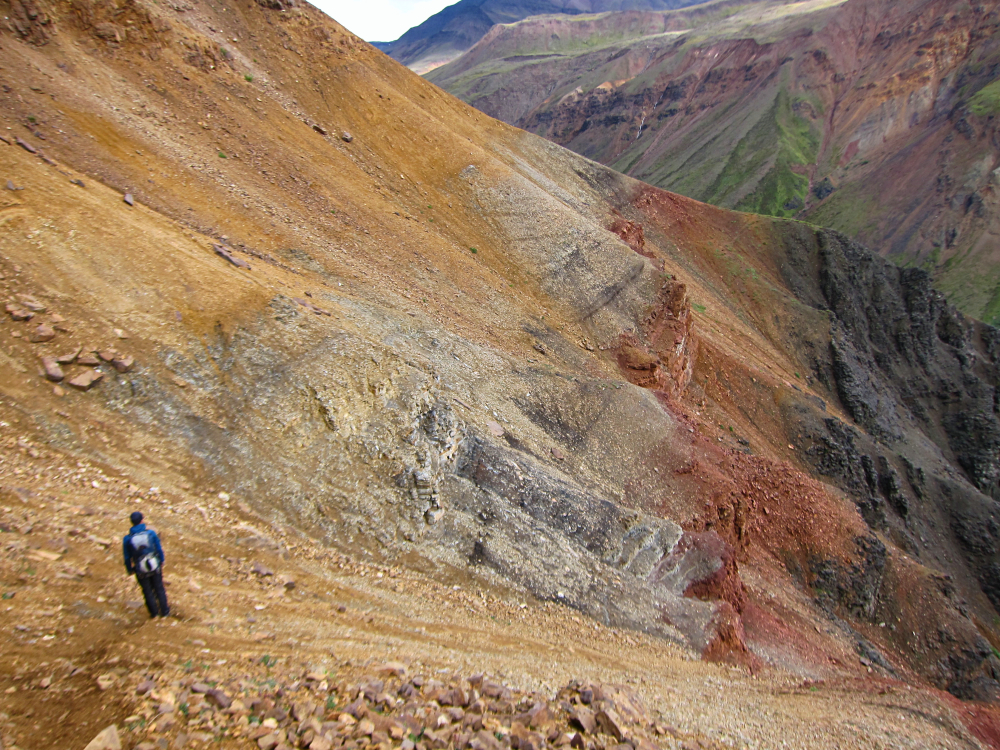
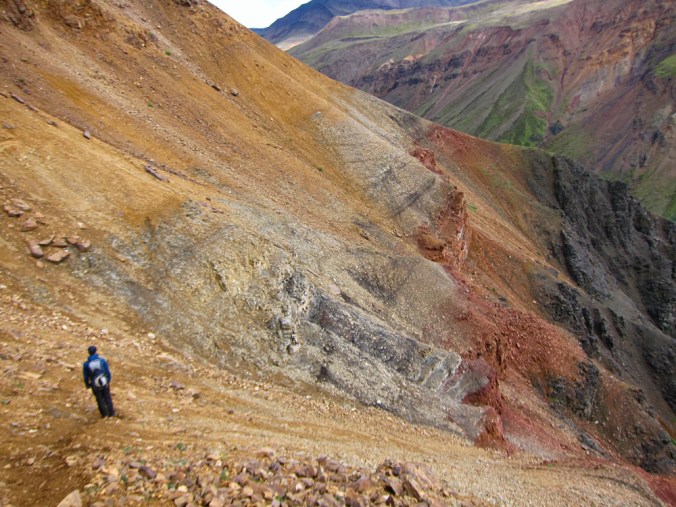
One afternoon we are grateful that the rain, fog and wind give pause as we navigate across a 60-degree slope of loose scree above a 1500 cliff.
Scree Slopes, Wrangell-St Elias NP - Photo by Rachael BrownScree Slopes, Wrangell-St Elias NP - Photo by Rachael Brown

Scree Slopes, Wrangell-St Elias NP – Photo by Rachael Brown

Brazen sheep tracks here create confusing and dangerous alternative routes.

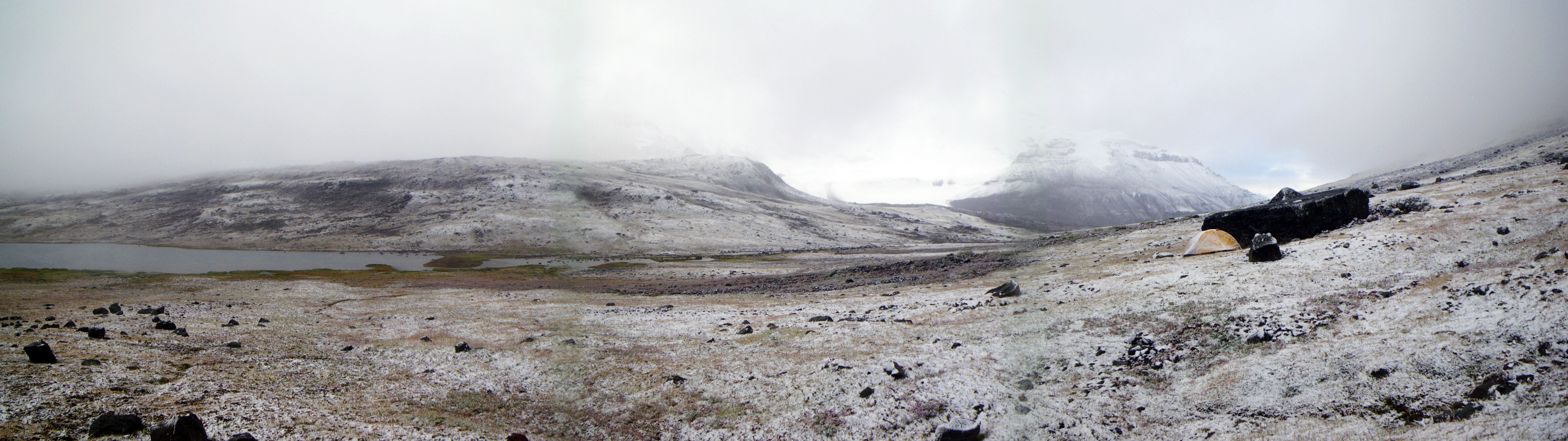
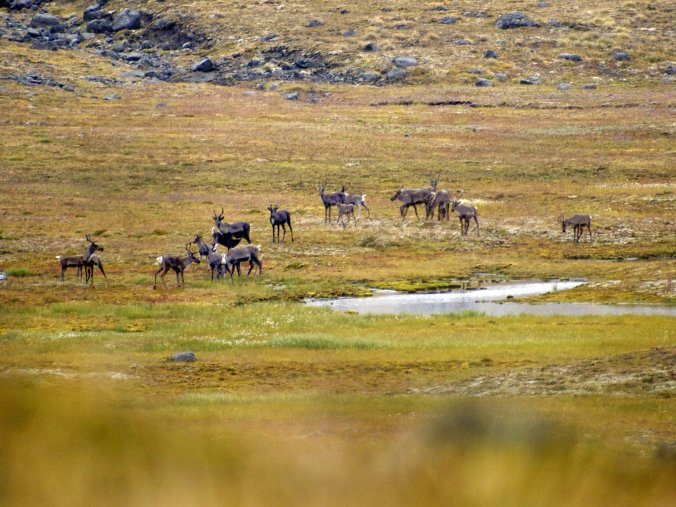
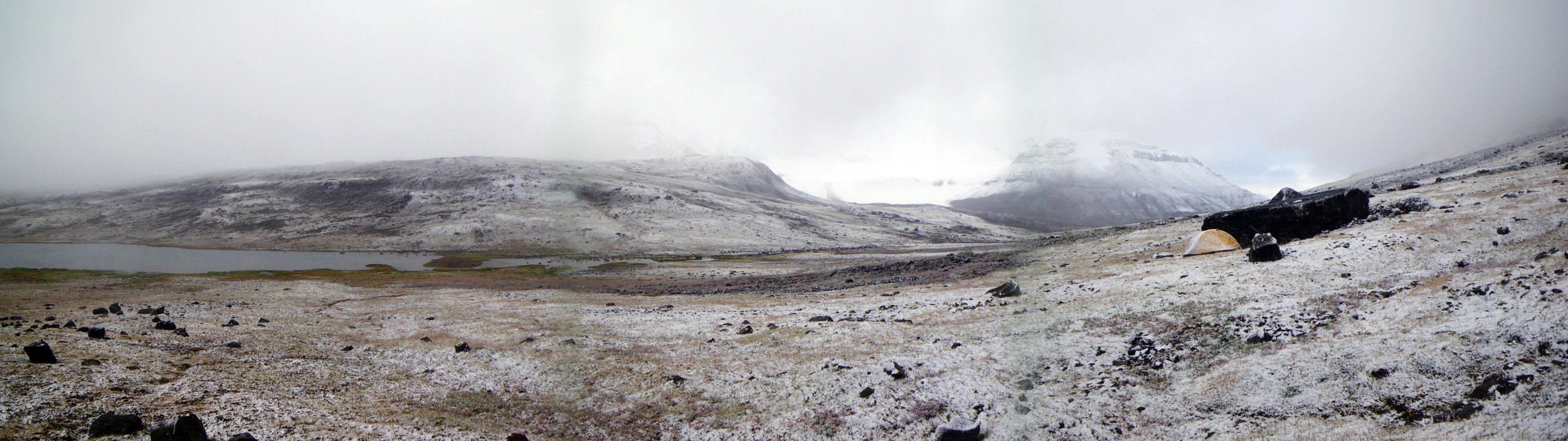
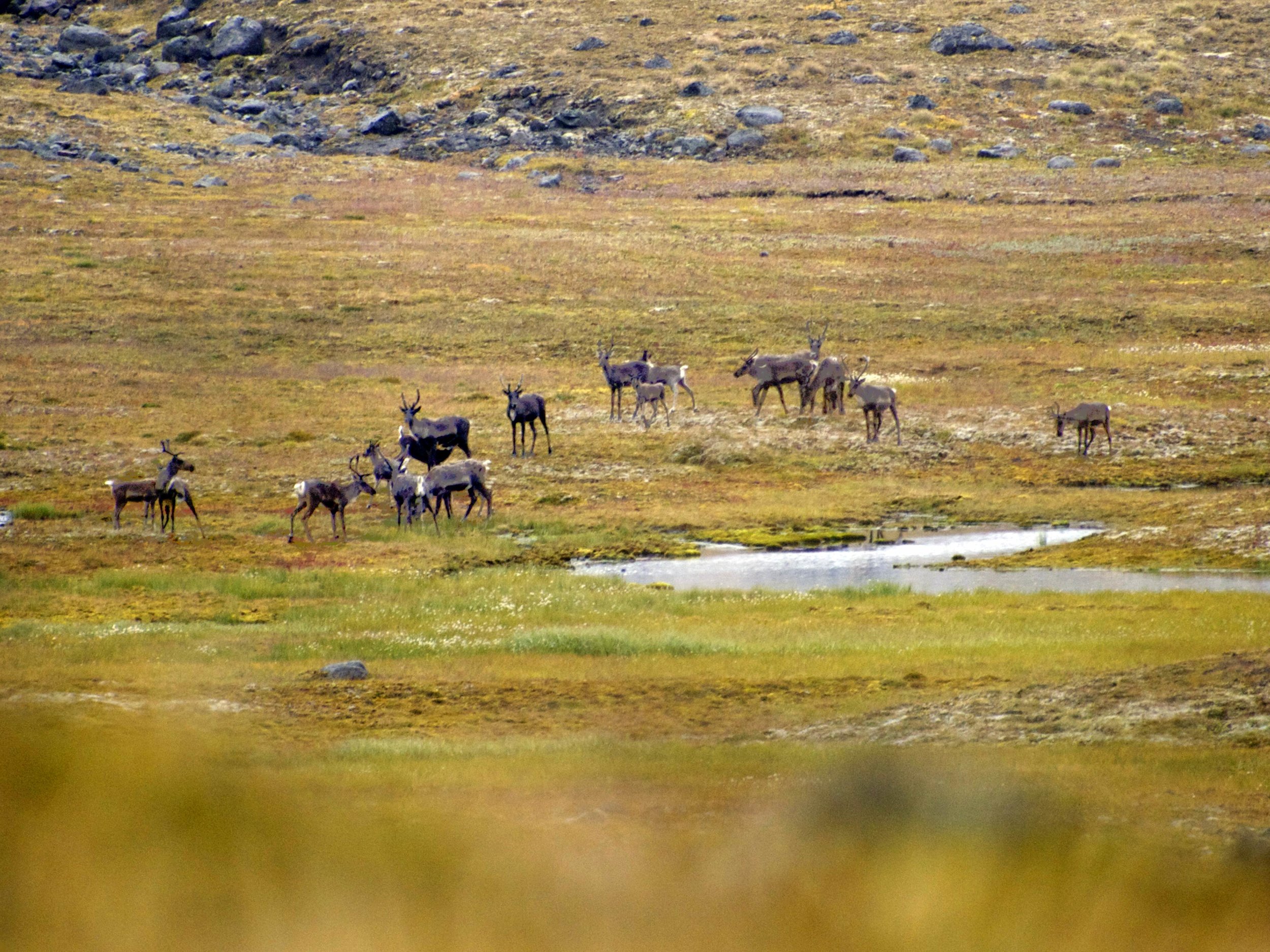
Four nights in we make camp at a beautiful cold lake just below a high pass, chill winds pouring on us from icefields on three sides above and the whistles of Hoary Marmots announcing our arrival. We bed down during a heavy drizzle as a band of twenty Caribou wander past, slowly and continuously moving unfazed by our presence. When we wake the next morning the drizzle has become a crust of ice and snow; the ground, the sky and the glaciers are hard to differentiate in the loose fog.

Chitistone Pass, Wrangell-St Elias NP - Photo by Tim GillerChitistone Pass, Wrangell-St Elias NP - Photo by Tim Giller

Chitistone Pass, Wrangell-St Elias NP – Photo by Tim Giller

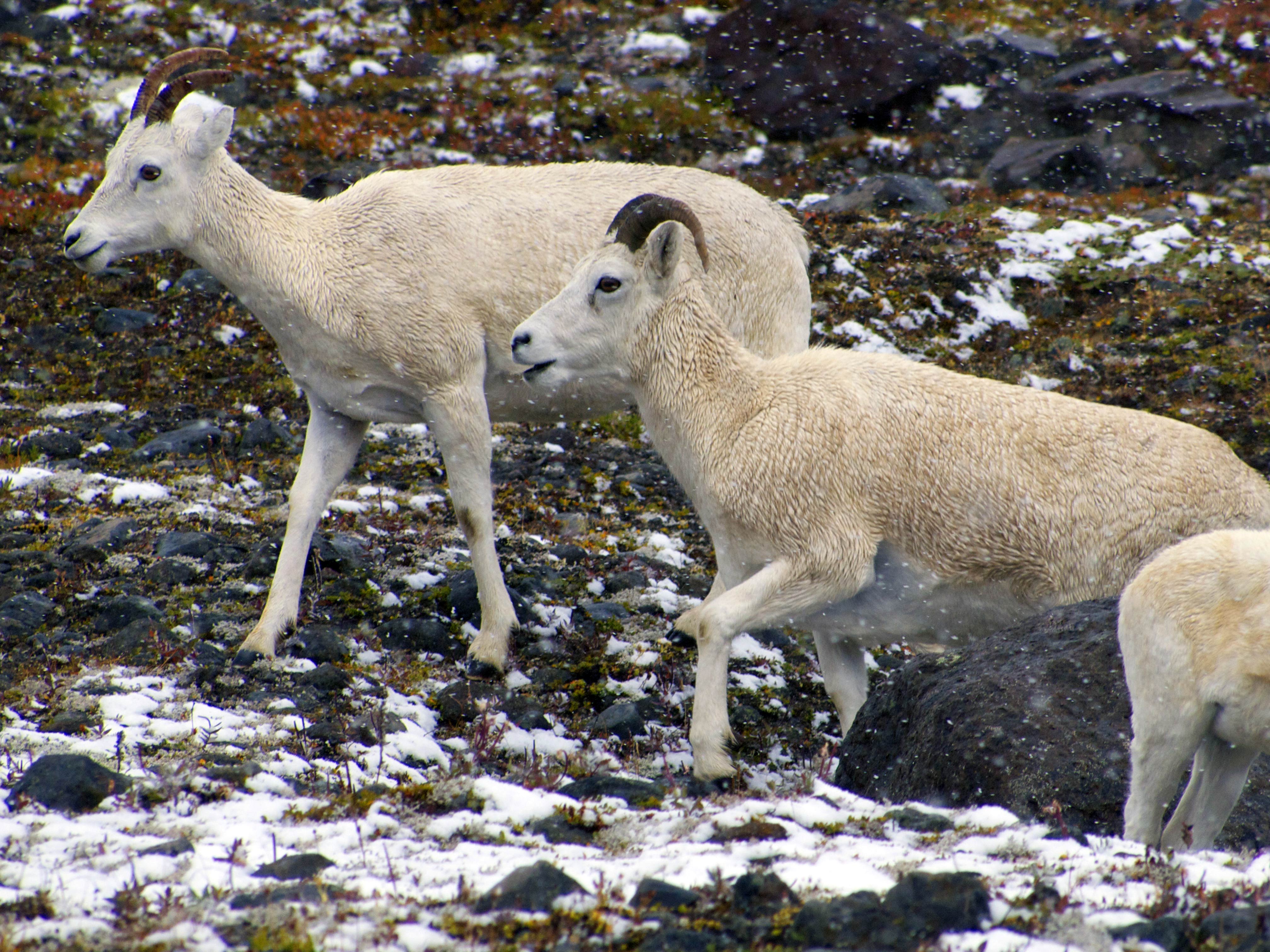
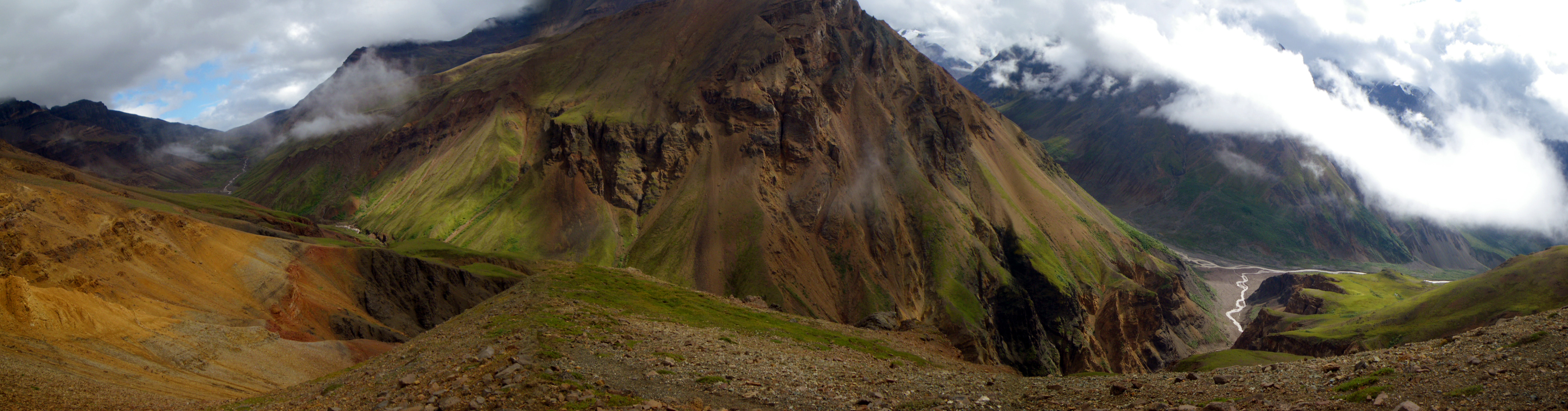
We are grateful of our modest preparation for the elements and some wet weather methods we’ve scrabbled together. The new aspect of the landscape is compelling and we are in no hurry, walking just quickly enough to keep warm. As we come to the crest of our last pass we can see through the snow flurries a long sun-dappled valley well below and a clear snow line melting upward to meet us as the storm breaks all around. The recent weather is pouring off the cliff tops in a myriad of evanescent waterfalls. The snow, the stunning land, the whole place has calmed us. At this moment we notice that a group of Dall Sheep is moving our way. They notice us but barely pause. They continue toward us, browsing the thin vegetation as they continue on their route towards the high tundra where we were just camped. In the long moment shared with them we can see their breath and the wetness in their hides, can hear the hoof steps and the chewing of plants. We are all present. We are all calmly paying attention.

Dall Sheep, Wrangell-St Elias NP - Photo by Tim GillerDall Sheep, Wrangell-St Elias NP - Photo by Tim Giller

Dall Sheep, Wrangell-St Elias NP – Photo by Tim Giller

Off Trail

Chitistone Canyon, Wrangell-St Elias NP - Photo by Tim Giller

Chitistone Canyon, Wrangell-St Elias NP – Photo by Tim Giller

When our bush plane flew away we immediately felt awfully small in an awfully big place. All our vehicles and modern modes of transportation, even slow and diminutive houses with wheels, have abstracted the size of the world giving us the impression that it’s not the large place it really is. Standing in the heart of a truly immense wilderness that has no real trails to speak of, the silence settled in and we began to sense the true size of things. The land in the Wrangell Mountains is vast and open with tree line at this latitude a thousand feet below us. Our plateau is covered with moss, lichen, miniature shrubs and ground hugging berry bushes, just enough vegetation to soften the landscape and obscure some of its surprises. Towering around us are peaks capped in overhangs of permanent ice and the buttes of Wolverine Mountain slope down to our boots.

Hanging Glacier, Wrangell-St Elias NP - Photo by Tim Giller

Hanging Glacier, Wrangell-St Elias NP – Photo by Tim Giller

In Alaska nobody holds your hand. We are expected to know how to handle ourselves out here and find our way over the next six days to our exit point.


Mountain Goat, Wrangell-St Elias NP - Photo by Tim Giller

Mountain Goat, Wrangell-St Elias NP – Photo by Tim Giller

We have a route, many others have been here before, but we are utterly alone and will see no one until the very end of our walk. In my pack are the most detailed maps available, which in Alaska means that you can clearly see the major features, but that long gradual ridgeline we’re about to traverse has a half dozen uncharted 80ft deep gullies that we’ll just have to discover for ourselves. It’s a terrain one measures not in miles but in hours and vistas.

It is also a terrain that demands a lot of focused attention and this is one of the joys of wilderness travel. I can definitely appreciate a well-constructed trail that allows you walk into a wild place. However on a long march over an easy to follow path your mind can and will wander to any old thought. When you travel cross-country charting out your own route you need to be present. The peaks and ridges become your guideposts. The slopes, cliffs and rivers shape your route. Each boulder and willow thicket alters your course. The soil, stones and plants influence each footstep. You pay attention. You see the place.

Bear Tracks, Wrangell-St Elias NP - Photo by Tim Giller

Bear Tracks, Wrangell-St Elias NP – Photo by Tim Giller

When you pay this kind of attention to the land it will show you things. On high cliffs are quiet creatures slowly moving and easily missed. Unconcerned Mountain Goats and Dall Sheep, white dots on tan ledges, look down with the confidence that few can stomach the climb. We hear the denial of a Ptarmigan mumbling “uh-uh” from the willows just a couple yards away, sitting still and indistinguishable from the local rock. Our first afternoon is spent repeatedly crossing the tracks of a Grizzly bear, confirming that this just might be the most sensible route over the pass. How old are these tracks? Old enough we decide, although we both had noticed plenty of berries to attract others. A big place is made up of small things. Even the rocks revealed their stories.

Geodes, Wrangell-St Elias NP - Photo by Tim Giller

Geodes, Wrangell-St Elias NP – Photo by Tim Giller

We stopped to examine fossils; sea life of some far distant time turned to stone and lifted way up here. The mountain flanks and valleys were filled with crystals encased in broken stones called geodes, clues to eons of subterranean activity.

Wrangell-St Elias NP - Photo by Tim Giler

Wrangell-St Elias NP – Photo by Tim Giler

The big mountains create big weather and the long northern daylight makes the hours slip by. Swirls of mist wrap the arêtes and couloirs as we boulder hop across a mile wide rock glacier consuming an afternoon before we notice.

Rock Glacier, Wrangell-St Elias NP - Photo by Tim Giller

Rock Glacier, Wrangell-St Elias NP – Photo by Tim Giller

Weather and time and landscape intertwine, clouds and rainfall settling in on us then blowing away leaving new snow on the cliff faces above as we slog with sodden boots across a rain soaked hill side. The ground squishes, barely solid. Our boots squish, our woolen socks saturated.

One afternoon we are grateful that the rain, fog and wind give pause as we navigate across a 60-degree slope of loose scree above a 1500 cliff.

Scree Slopes, Wrangell-St Elias NP - Photo by Rachael Brown

Scree Slopes, Wrangell-St Elias NP – Photo by Rachael Brown

Brazen sheep tracks here create confusing and dangerous alternative routes.

Four nights in we make camp at a beautiful cold lake just below a high pass, chill winds pouring on us from icefields on three sides above and the whistles of Hoary Marmots announcing our arrival. We bed down during a heavy drizzle as a band of twenty Caribou wander past, slowly and continuously moving unfazed by our presence. When we wake the next morning the drizzle has become a crust of ice and snow; the ground, the sky and the glaciers are hard to differentiate in the loose fog.

Chitistone Pass, Wrangell-St Elias NP - Photo by Tim Giller

Chitistone Pass, Wrangell-St Elias NP – Photo by Tim Giller

We are grateful of our modest preparation for the elements and some wet weather methods we’ve scrabbled together. The new aspect of the landscape is compelling and we are in no hurry, walking just quickly enough to keep warm. As we come to the crest of our last pass we can see through the snow flurries a long sun-dappled valley well below and a clear snow line melting upward to meet us as the storm breaks all around. The recent weather is pouring off the cliff tops in a myriad of evanescent waterfalls. The snow, the stunning land, the whole place has calmed us. At this moment we notice that a group of Dall Sheep is moving our way. They notice us but barely pause. They continue toward us, browsing the thin vegetation as they continue on their route towards the high tundra where we were just camped. In the long moment shared with them we can see their breath and the wetness in their hides, can hear the hoof steps and the chewing of plants. We are all present. We are all calmly paying attention.
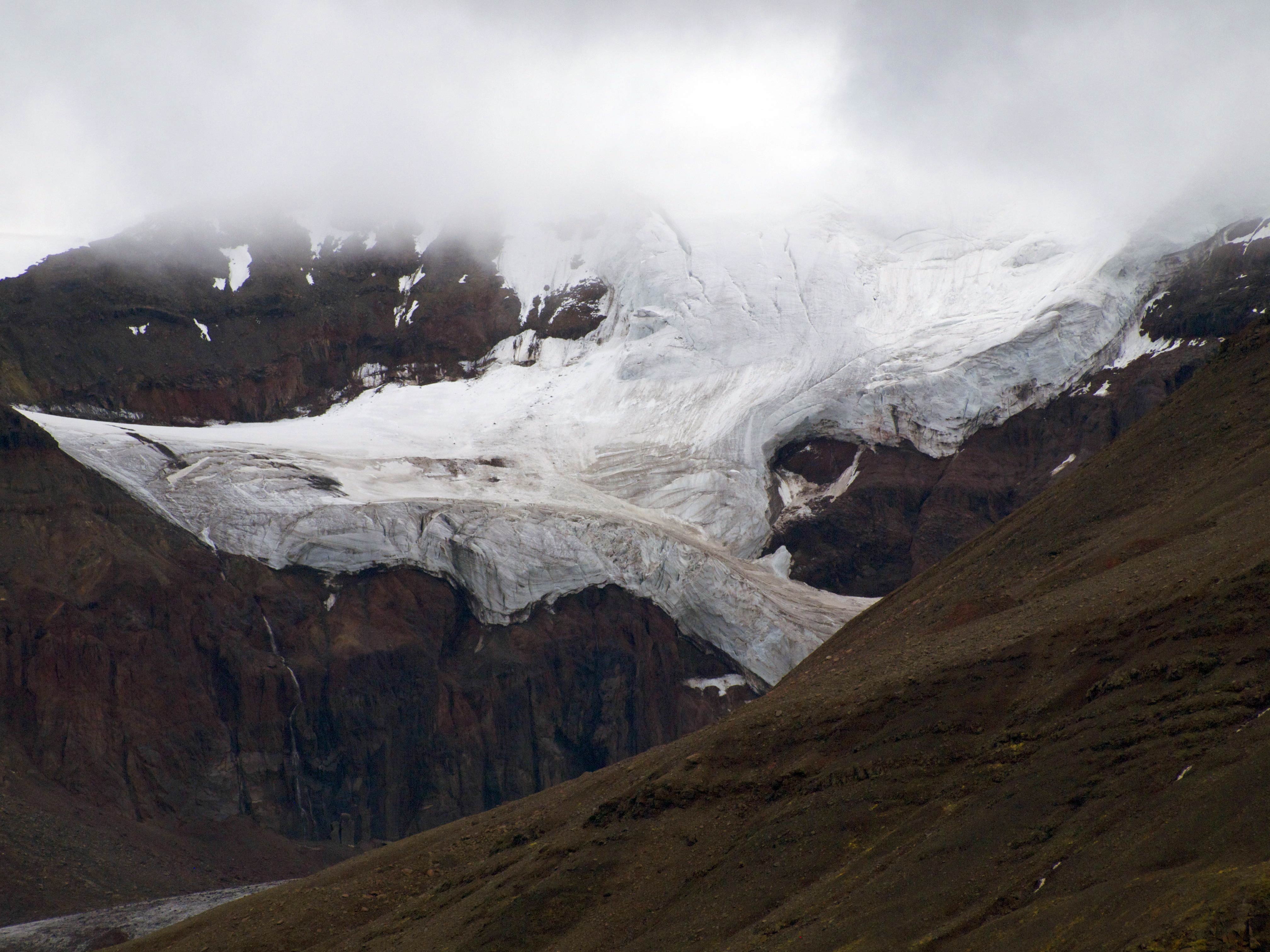
Dall Sheep, Wrangell-St Elias NP - Photo by Tim Giller

Dall Sheep, Wrangell-St Elias NP – Photo by Tim Giller

In the Midst of Miracles

CaribouCaribou

Caribou

Have you ever looked closely at Caribou antlers? These things are the Portuguese of the antler world, they’ve got all the accents. From the side they make an uneven W with the longest branch running towards their backs and then up like elk antlers. A middle branch reaches out to the side like deer and the shortest branch runs along their foreheads towards the front of their face. On the branch forward one side looks much like the back with a small fan and a few tongs, the other side tends to be just one sharp tong pointed forward. They have the sword and the shield all built into one elaborate head piece.

We’d just put up the tent in a site with some serious trade-offs. It’s windy and very cold so in spite of the lumpy, slippery, lopsided ground we’ve pitched our tent up against the only protection this open tundra has to offer; a glacial erratic boulder that appears to also be toilet facilities for the local hoary marmot population. As we quickly set up before the rain down valley hit us we saw a set of antlers up on the ridge just across the lake from us. I’m peering through the binoculars while Tim is training his camera on the ridge. As we look more and more antlers and hooves are making their way casually over the ridge. A group of caribou are nibbling at the ground and appear to be headed our way when the rain picks up and we duck inside for cover. The rain comes and goes in big and light spurts so the next break we get we try to see if the caribou are still there. Not only are they still there but they’ve come to the side of the lake. Occasionally they look over our way in an acknowledgement of our presence but in true national park status they don’t seem too put off as to be scared away. This is Alaska though and somewhere in this park these animals are up for subsistence hunting. The rain picks up again and we reluctantly zip back up. We imagine that our next tent will have a window and imagine the caribou strolling right by, under our noses, and we’ll miss the whole thing. We imagine the sounds of their giant hooves clicking on the rocks nearby. We imagine hearing their grunts because that’s how close they’ll pass by when we’re zipped up with the sound of the rain on our tent concealing their movements. Another break in the sky, I unzip and they’re gone! Tim unzips his side and there they are just across the lake again, having gone right by us just like we imagined!
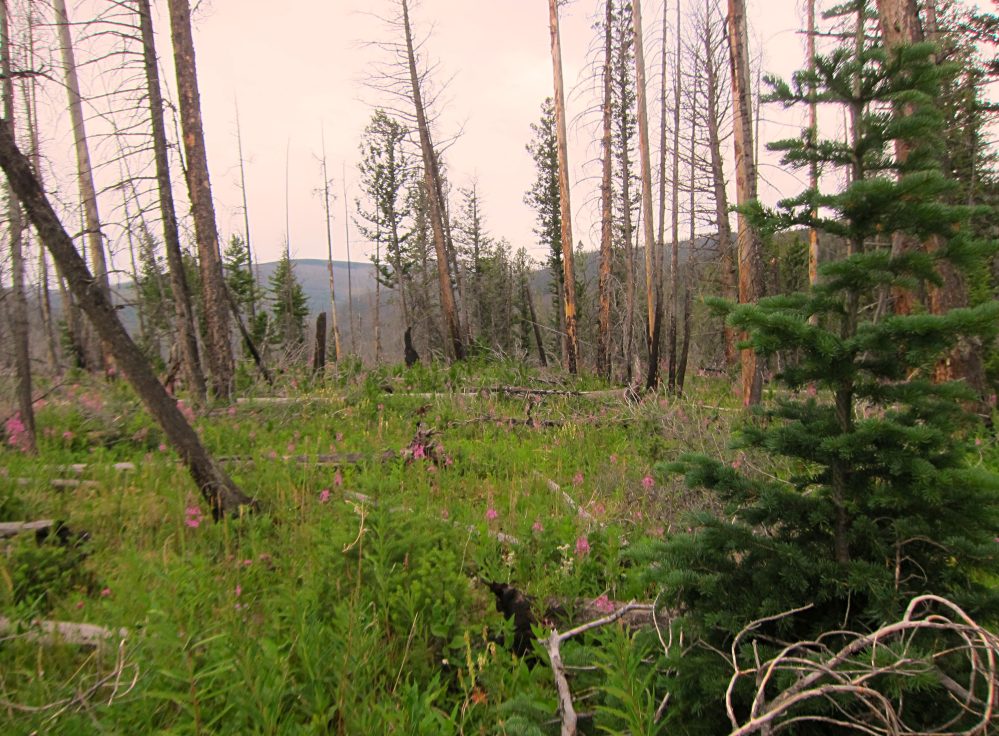
There are approximately 700,000 caribou in Alaska broken up into herds of various sizes. Herds that have long migrations to well chosen calving grounds have the big numbers. Herds that are much smaller in size tend to migrate in elevation with the seasons. Caribou have a special enzyme, lichenase, in the stomach that allows them to break down and ingest all the protein available in lichen. Lichens are a favorite food for the caribou and an important winter food when little else is available. After a fire caribou will steer clear of the burn area for up to 60 years, the amount of time it takes for a lichen to grow back in large enough quantities.

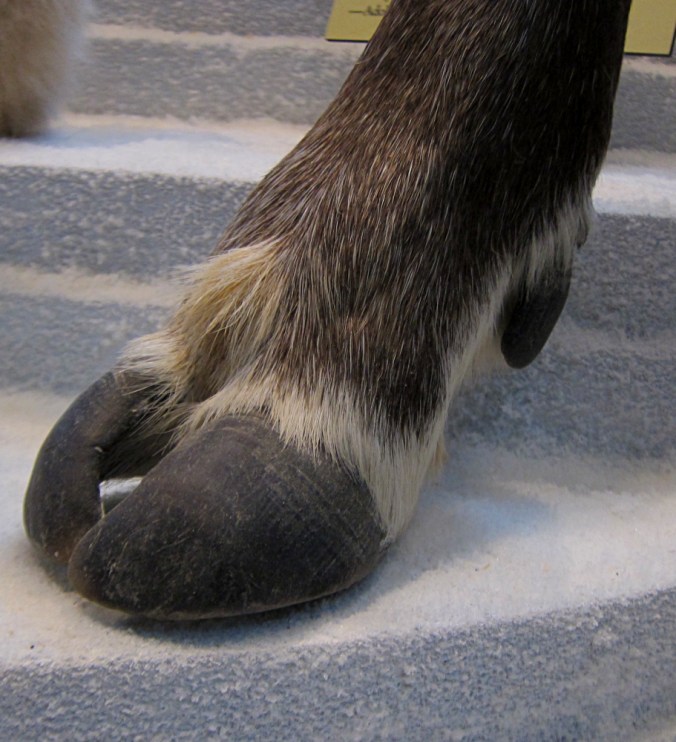
CaribouHoofCaribouHoof

CaribouHoof

Walking on tundra if you are lucky feels like walking on pillows. If you’re unlucky and especially if it’s been raining all day it’s feels like walking on wet pillows. Caribou have considerably large hooves perfect for carrying their bulky bodies over not only the squishy tundra but the deep snow that accumulates for half the year in this north country. Even though they are roughly half the size of a moose their hooves are almost as big. The morning after we saw the caribou we walked across some mud flats where the hoof impressions rival those of my boots. Many days later while driving the Denali Highway westward we spied a caribou rack sticking out the back of an ATV. It’s the beginning of hunting season and all are stocking up for the long winter months. In mid August the still long days only serve as a reminder that there was a summer. The bushes are beginning to yellow as autumn shows it’s face.

Autumn is also time for the caribou rut. The males who have spent the summer growing their ornate antlers will put on a good show for the ladies before dropping them for the winter. Female caribou grow antlers as well but do so over winter. The females drop their antlers at their calving grounds in spring. Earlier this year I learned how antlers are an important source of protein and calcium for small mammals and thus why the world is not covered in shed antlers. Recently while listening to a podcast called Encounters with Richard Nelson* on the topic of caribou he mentions that the small mammals then defecate the extra nutrients from the antlers which goes into the soil for the plants to absorb. At the calving grounds caribou eat the plants which contains the calcium from last years antlers just where they need it to be for rich mother’s milk and thus the cycle is complete.

Traveling like this is an embroidery of information. Not one environment or one visitor center has it all. The more I’ve learned the more amazed I am, the more I see the embroidery for its stitches. Richard Nelson said it in reference to the cycles of the north but I’ve enjoyed this to be true where ever I’ve made a point to learn about the natural world, we really are “in the midst of miracles”.
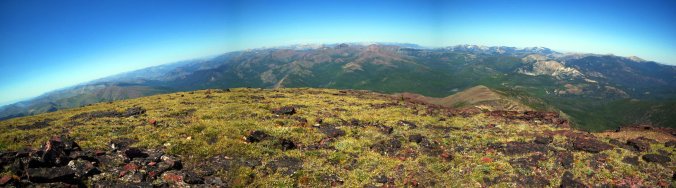
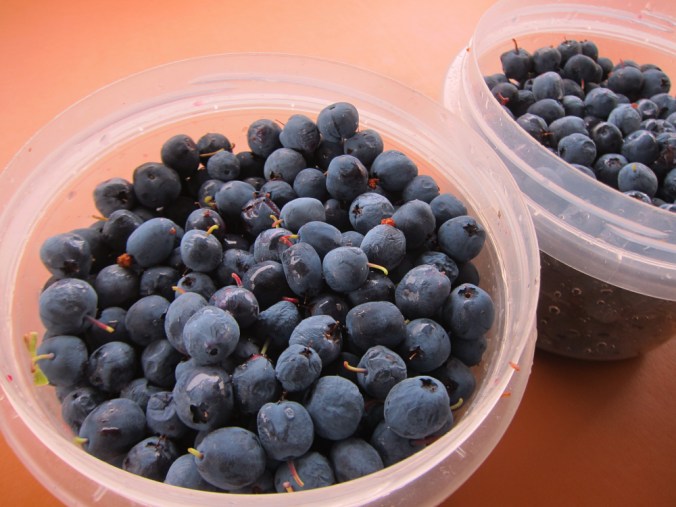
Vagabonds did a little harvesting tooVagabonds did a little harvesting too

Vagabonds did a little harvesting too

*I can’t recommend this podcast enough. Richard Nelson has an infectious enthusiasm for life and for Alaska. Many of his podcasts are so engaging and filled with useful information that we’ve listened to them multiple times.

In the Midst of Miracles

Caribou

Caribou herd seen at Chitistone Pass – Photo by Tim Giller

Have you ever looked closely at Caribou antlers? These things are the Portuguese of the antler world, they’ve got all the accents. From the side they make an uneven W with the longest branch running towards their backs and then up like elk antlers. A middle branch reaches out to the side like deer and the shortest branch runs along their foreheads towards the front of their face. On the branch forward one side looks much like the back with a small fan and a few tongs, the other side tends to be just one sharp tong pointed forward. They have the sword and the shield all built into one elaborate head piece.

We’d just put up the tent in a site with some serious trade-offs. It’s windy and very cold so in spite of the lumpy, slippery, lopsided ground we’ve pitched our tent up against the only protection this open tundra has to offer; a glacial erratic boulder that appears to also be toilet facilities for the local hoary marmot population. As we quickly set up before the rain down valley hit us we saw a set of antlers up on the ridge just across the lake from us. I’m peering through the binoculars while Tim is training his camera on the ridge. As we look more and more antlers and hooves are making their way casually over the ridge. A group of caribou are nibbling at the ground and appear to be headed our way when the rain picks up and we duck inside for cover. The rain comes and goes in big and light spurts so the next break we get we try to see if the caribou are still there. Not only are they still there but they’ve come to the side of the lake. Occasionally they look over our way in an acknowledgement of our presence but in true national park status they don’t seem too put off as to be scared away. This is Alaska though and somewhere in this park these animals are up for subsistence hunting. The rain picks up again and we reluctantly zip back up. We imagine that our next tent will have a window and imagine the caribou strolling right by, under our noses, and we’ll miss the whole thing. We imagine the sounds of their giant hooves clicking on the rocks nearby. We imagine hearing their grunts because that’s how close they’ll pass by when we’re zipped up with the sound of the rain on our tent concealing their movements. Another break in the sky, I unzip and they’re gone! Tim unzips his side and there they are just across the lake again, having gone right by us just like we imagined!

There are approximately 700,000 caribou in Alaska broken up into herds of various sizes. Herds that have long migrations to well chosen calving grounds have the big numbers. Herds that are much smaller in size tend to migrate in elevation with the seasons. Caribou have a special enzyme, lichenase, in the stomach that allows them to break down and ingest all the protein available in lichen. Lichens are a favorite food for the caribou and an important winter food when little else is available. After a fire caribou will steer clear of the burn area for up to 60 years, the amount of time it takes for a lichen to grow back in large enough quantities.
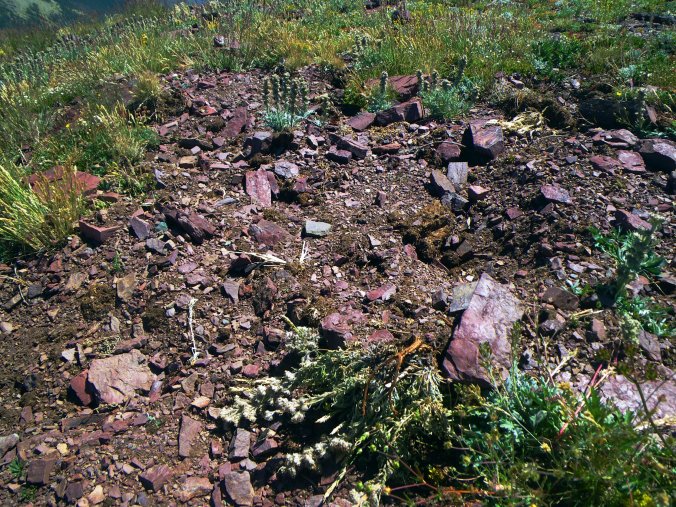
CaribouHoof

Up close hoof at Denali NP Visitor’s center

Walking on tundra if you are lucky feels like walking on pillows. If you’re unlucky and especially if it’s been raining all day it’s feels like walking on wet pillows. Caribou have considerably large hooves perfect for carrying their bulky bodies over not only the squishy tundra but the deep snow that accumulates for half the year in this north country. Even though they are roughly half the size of a moose their hooves are almost as big. The morning after we saw the caribou we walked across some mud flats where the hoof impressions rival those of my boots. Many days later while driving the Denali Highway westward we spied a caribou rack sticking out the back of an ATV. It’s the beginning of hunting season and all are stocking up for the long winter months. In mid August the still long days only serve as a reminder that there was a summer. The bushes are beginning to yellow as autumn shows it’s face.

Autumn is also time for the caribou rut. The males who have spent the summer growing their ornate antlers will put on a good show for the ladies before dropping them for the winter. Female caribou grow antlers as well but do so over winter. The females drop their antlers at their calving grounds in spring. Earlier this year I learned how antlers are an important source of protein and calcium for small mammals and thus why the world is not covered in shed antlers. Recently while listening to a podcast called Encounters with Richard Nelson* on the topic of caribou he mentions that the small mammals then defecate the extra nutrients from the antlers which goes into the soil for the plants to absorb. At the calving grounds caribou eat the plants which contains the calcium from last years antlers just where they need it to be for rich mother’s milk and thus the cycle is complete.

Traveling like this is an embroidery of information. Not one environment or one visitor center has it all. The more I’ve learned the more amazed I am, the more I see the embroidery for its stitches. Richard Nelson said it in reference to the cycles of the north but I’ve enjoyed this to be true where ever I’ve made a point to learn about the natural world, we really are “in the midst of miracles”.

Vagabonds did a little harvesting too

Vagabonds did a little harvesting too

*I can’t recommend this podcast enough. Richard Nelson has an infectious enthusiasm for life and for Alaska. Many of his podcasts are so engaging and filled with useful information that we’ve listened to them multiple times.

Roads North

Lil' Squatch hit the Jackpot near the Alaskan border.Lil' Squatch hit the Jackpot near the Alaskan border.

Lil’ Squatch hit the Jackpot near the Alaskan border.

One nice thing about being the slowest little jalopy on the road is that we most often have a long unobstructed view of the landscape ahead. This also means that we sometimes have a long string of less than patient vehicles trailing behind us, but we’re considerate people and we get out of the way when there’s a chance to let folks pass. My hopes are that most people can understand the obvious limitations of our ride and that the ambiguous “Keepin’ it Squatchy” bumper sticker is less aggravating than having one that says, “I may be slow but I’m ahead of you”.

Spending a week on the Alaskan highway or “Al-Can” is giving us plenty of stretches of unobstructed views. This road was built during World War 2 in order to give better supply access to our territory in Alaska when it was otherwise much more accessible to the Japanese. It was built rather quickly by U.S. Army road crews who dealt with mud and muskegs, dense forests thick with bugs and sub- freezing conditions all while improvising the route and inventing building techniques for the tough environment. It was tough to build and tough to drive and when opened to the public after the war it became an adventurous route to the Last Frontier of the North.

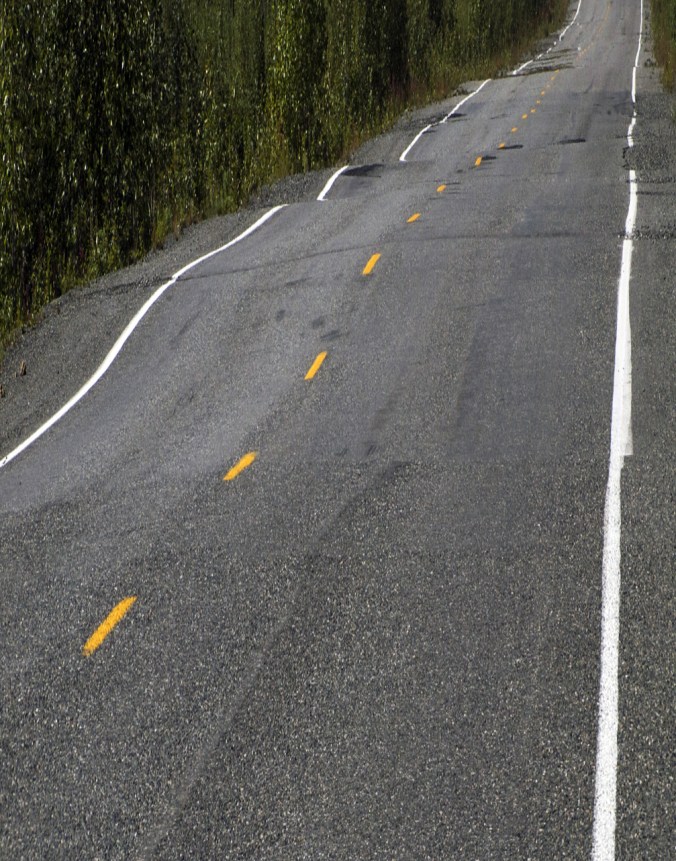
Frost Heave on the Al-Can - Photo by Tim GillerFrost Heave on the Al-Can - Photo by Tim Giller

Frost Heave on the Al-Can – Photo by Tim Giller

Today the adventure is steering clear of overloaded logging trucks and oversized rigs carrying massive equipment for the oil and gas fields in remote Alberta and British Columbia. The road has been re-routed in many areas and is almost entirely paved, except in long gravel sections where road crews are busy cramming a years worth of maintenance into a short summer. The log “corduroy” across soggy permafrost and mud grades of 26% are long gone but the land refuses to hold a road in places that freeze and thaw so dramatically. Lil’ Squatch still has to dodge bathtub sized

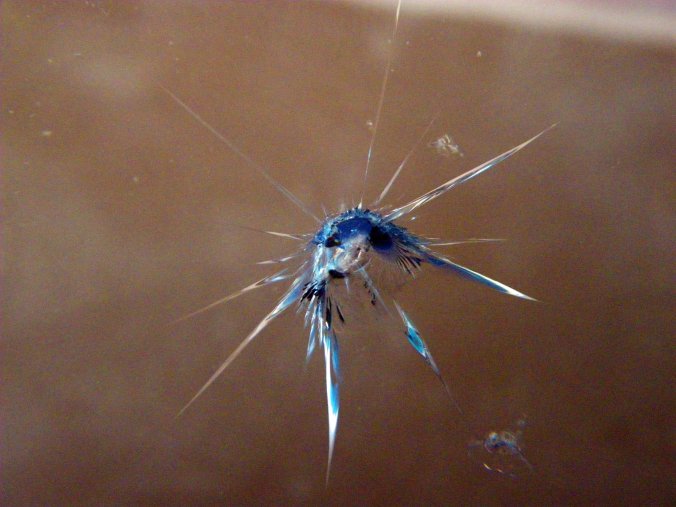
Squatch's windshield - Photo by Tim GillerSquatch's windshield - Photo by Tim Giller

Squatch’s windshield – Photo by Tim Giller

chuckholes and ride long miles of frost-heave rollercoaster and when tractor trailers are barreling down on you flinging gravel it’s not if you’ll get a chip in your windshield but how many.

What remains remarkably wild about this journey though is the land. In these far corners of Canada and where it meets Alaska are some of the best-protected swaths of wilderness anywhere on Earth. The rush to extract from these vast acres is visible along the drive, but there is still a lot land that supports all the wildest things in North America. The Boreal Forest stretches around the northern globe as the largest ecoregion on the planet. A land for Bears, Moose, Caribou, Wolves, innumerable summer birds and all the other creatures hidden in the dense spruce. Where the road cuts through is an opportunity to see many of these animals as they come to edge zone and a 1500 mile drive means it’s almost a guarantee to spot some of them.

Roadside Grizzly, Yukon Territory - Photo by Tim GillerRoadside Grizzly, Yukon Territory - Photo by Tim Giller

Roadside Grizzly, Yukon Territory – Photo by Tim Giller

Crossing the Yukon Territory we’ve left the Rocky Mountains but to the south and west rise the biggest region of mountains on the continent. Vast icefields cling to the Kluane range with the St. Elias Mountains beyond stretching into Alaska where they bump into the Wrangells. This bent and folded land is still experiencing the powerful subduction of the Pacific plate and these mountains are still rising, the volcanoes are still smoking and the Earth still quakes with regularity.

It’s hard not to feel ambivalent about roads, especially roads that take you into wild and beautiful places. It is an incredible privilege to have access to places where you experience nature that is untamed and free. But access comes at a cost. I’ve never felt more ambivalent about a road than when I had the chance to share the drive up the Dalton Highway into the farthest north of Alaska and fulfill a long dream of seeing the Brooks Range. It is an incredible land of long tundra horizons and open country where you are free to roam across if you can endure the long miles of unstable and slow squishy ground. There I saw Dall sheep and tiny tree species that didn’t grow above the toe of my boot. I also sat for close to an hour watching a mother grizzly and her cub of the year lolling around together on the soft tussocks between bouts of digging for roots and critters. However the only reason I could be there was this road that was nothing more that an enormous piece of industrial infrastructure servicing the Trans-Alaska oil pipeline and built across the last chance we have to keep a truly immense environment intact.

Roads don’t get built so that naturalists can go visit remote places. One might argue that we have plenty of roads already. Alaska seems to have it’s own ambivalence about the issue. It’s a place that so many dream of coming to, for adventure or to try and live more directly from the land. One look at a road map of Alaska and you see right away that there aren’t many. Access to most of the remote places and to many substantial towns is by plane or by boat or in winter via snowmachine. Even dogsleds are still used. However this big land, and it really is a big land, is not inexhaustible. Roads tend to lead to more roads; access in one place creeps inevitably toward the next and every newcomer wants just one little piece for themselves. It gets played out on a complex tapestry of land use and ownership: federal, state, native, pioneer, visitor vs. local.

A generous gift from an Alaska dipnet fishermanA generous gift from an Alaska dipnet fisherman

A generous gift from an Alaska dipnet fisherman

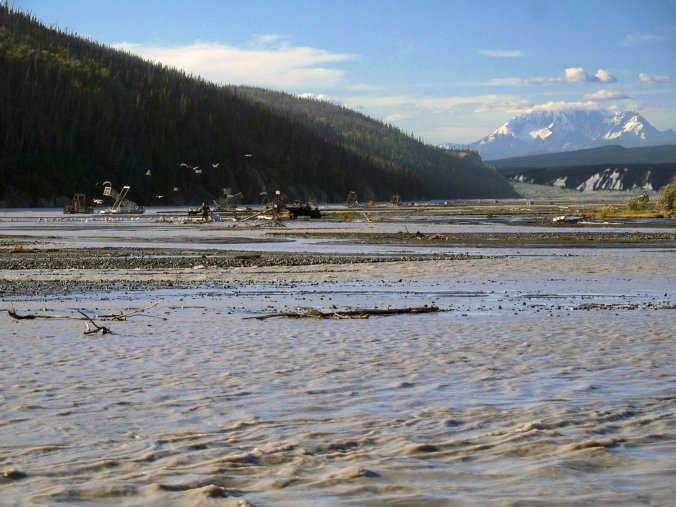
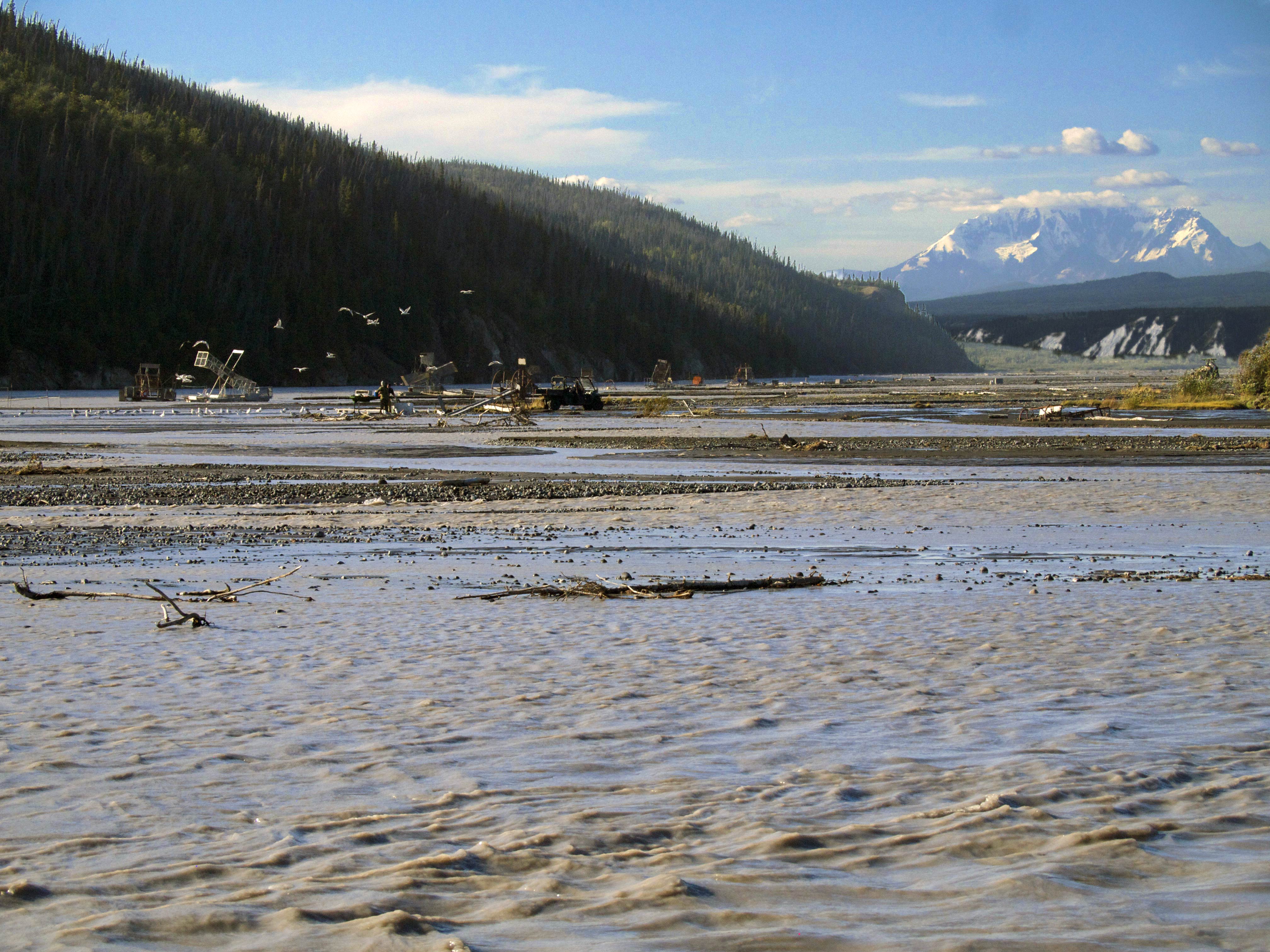
Our road has made a long dramatic hook into the heart of the Wrangell-St. Elias and near the end of the road we’ve come to the confluence of the Chitina and Copper Rivers. Walking out to the edge of a gravel bar, part of the extensive braided watercourses that fill the valley, we watch subsistence fishermen working their fish-wheels gathering Salmon by the basket load while glacier clad peaks rise 14,000 ft beyond. A Dutch traveler approaches us confused about the status of “easement” we are standing on. This is Native Ahtna land within a National Park. We are allowed to visit but activity is rather circumscribed, primarily to protect what is still a productive land that provides for the locals’ needs. Our traveler seems frustrated and disappointed that this wild land is not the free and lawless place of his dreams. With the exception of the first people to enter this place many thousands of years ago, it likely never was.

Fish Wheels and Mt Drum, AK - Photo by Tim GillerFish Wheels and Mt Drum, AK - Photo by Tim Giller

Fish Wheels and Mt Drum, AK – Photo by Tim Giller

Roads North

Lil' Squatch hit the Jackpot near the Alaskan border.

Lil’ Squatch hit the Jackpot near the Alaskan border.

One nice thing about being the slowest little jalopy on the road is that we most often have a long unobstructed view of the landscape ahead. This also means that we sometimes have a long string of less than patient vehicles trailing behind us, but we’re considerate people and we get out of the way when there’s a chance to let folks pass. My hopes are that most people can understand the obvious limitations of our ride and that the ambiguous “Keepin’ it Squatchy” bumper sticker is less aggravating than having one that says, “I may be slow but I’m ahead of you”.

Spending a week on the Alaskan highway or “Al-Can” is giving us plenty of stretches of unobstructed views. This road was built during World War 2 in order to give better supply access to our territory in Alaska when it was otherwise much more accessible to the Japanese. It was built rather quickly by U.S. Army road crews who dealt with mud and muskegs, dense forests thick with bugs and sub- freezing conditions all while improvising the route and inventing building techniques for the tough environment. It was tough to build and tough to drive and when opened to the public after the war it became an adventurous route to the Last Frontier of the North.

Frost Heave on the Al-Can - Photo by Tim Giller

Frost Heave on the Al-Can – Photo by Tim Giller

Today the adventure is steering clear of overloaded logging trucks and oversized rigs carrying massive equipment for the oil and gas fields in remote Alberta and British Columbia. The road has been re-routed in many areas and is almost entirely paved, except in long gravel sections where road crews are busy cramming a years worth of maintenance into a short summer. The log “corduroy” across soggy permafrost and mud grades of 26% are long gone but the land refuses to hold a road in places that freeze and thaw so dramatically. Lil’ Squatch still has to dodge bathtub sized

Squatch's windshield - Photo by Tim Giller

Squatch’s windshield – Photo by Tim Giller

chuckholes and ride long miles of frost-heave rollercoaster and when tractor trailers are barreling down on you flinging gravel it’s not if you’ll get a chip in your windshield but how many.

What remains remarkably wild about this journey though is the land. In these far corners of Canada and where it meets Alaska are some of the best-protected swaths of wilderness anywhere on Earth. The rush to extract from these vast acres is visible along the drive, but there is still a lot land that supports all the wildest things in North America. The Boreal Forest stretches around the northern globe as the largest ecoregion on the planet. A land for Bears, Moose, Caribou, Wolves, innumerable summer birds and all the other creatures hidden in the dense spruce. Where the road cuts through is an opportunity to see many of these animals as they come to edge zone and a 1500 mile drive means it’s almost a guarantee to spot some of them.

Roadside Grizzly, Yukon Territory - Photo by Tim Giller

Roadside Grizzly, Yukon Territory – Photo by Tim Giller

Crossing the Yukon Territory we’ve left the Rocky Mountains but to the south and west rise the biggest region of mountains on the continent. Vast icefields cling to the Kluane range with the St. Elias Mountains beyond stretching into Alaska where they bump into the Wrangells. This bent and folded land is still experiencing the powerful subduction of the Pacific plate and these mountains are still rising, the volcanoes are still smoking and the Earth still quakes with regularity.

It’s hard not to feel ambivalent about roads, especially roads that take you into wild and beautiful places. It is an incredible privilege to have access to places where you experience nature that is untamed and free. But access comes at a cost. I’ve never felt more ambivalent about a road than when I had the chance to share the drive up the Dalton Highway into the farthest north of Alaska and fulfill a long dream of seeing the Brooks Range. It is an incredible land of long tundra horizons and open country where you are free to roam across if you can endure the long miles of unstable and slow squishy ground. There I saw Dall sheep and tiny tree species that didn’t grow above the toe of my boot. I also sat for close to an hour watching a mother grizzly and her cub of the year lolling around together on the soft tussocks between bouts of digging for roots and critters. However the only reason I could be there was this road that was nothing more that an enormous piece of industrial infrastructure servicing the Trans-Alaska oil pipeline and built across the last chance we have to keep a truly immense environment intact.

Roads don’t get built so that naturalists can go visit remote places. One might argue that we have plenty of roads already. Alaska seems to have it’s own ambivalence about the issue. It’s a place that so many dream of coming to, for adventure or to try and live more directly from the land. One look at a road map of Alaska and you see right away that there aren’t many. Access to most of the remote places and to many substantial towns is by plane or by boat or in winter via snowmachine. Even dogsleds are still used. However this big land, and it really is a big land, is not inexhaustible. Roads tend to lead to more roads; access in one place creeps inevitably toward the next and every newcomer wants just one little piece for themselves. It gets played out on a complex tapestry of land use and ownership: federal, state, native, pioneer, visitor vs. local.

A generous gift from an Alaska dipnet fisherman

A generous gift from an Alaska dipnet fisherman

Our road has made a long dramatic hook into the heart of the Wrangell-St. Elias and near the end of the road we’ve come to the confluence of the Chitina and Copper Rivers. Walking out to the edge of a gravel bar, part of the extensive braided watercourses that fill the valley, we watch subsistence fishermen working their fish-wheels gathering Salmon by the basket load while glacier clad peaks rise 14,000 ft beyond. A Dutch traveler approaches us confused about the status of “easement” we are standing on. This is Native Ahtna land within a National Park. We are allowed to visit but activity is rather circumscribed, primarily to protect what is still a productive land that provides for the locals’ needs. Our traveler seems frustrated and disappointed that this wild land is not the free and lawless place of his dreams. With the exception of the first people to enter this place many thousands of years ago, it likely never was.

Fish Wheels and Mt Drum, AK - Photo by Tim Giller

Fish Wheels and Mt Drum, AK – Photo by Tim Giller

Of Fire and Water

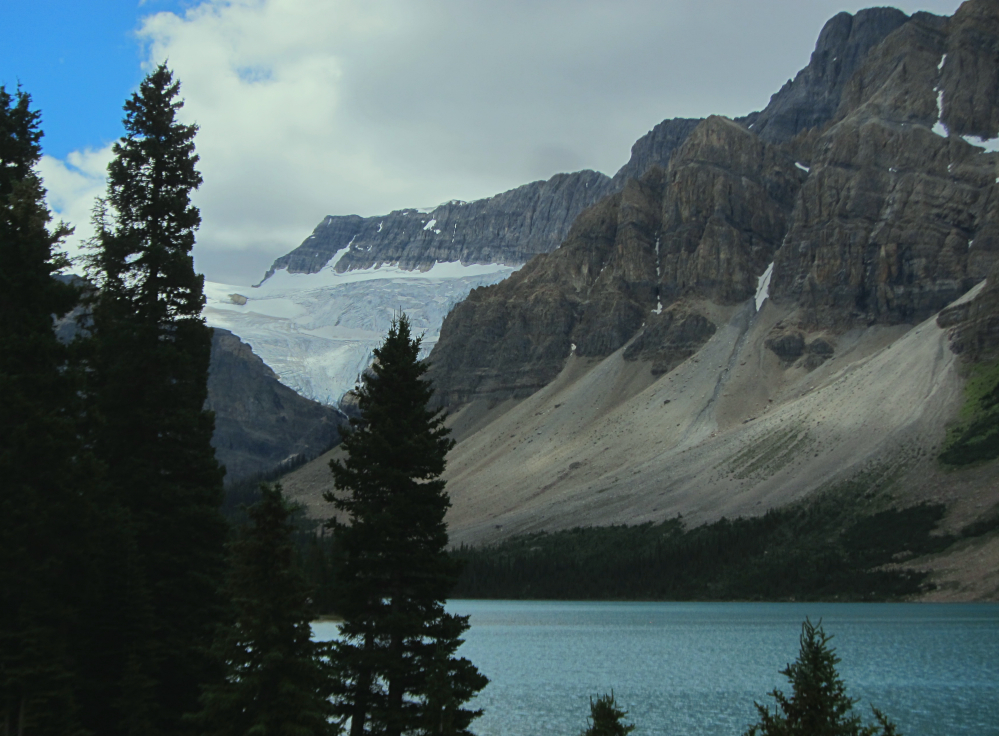
Glacier, Jaspser NPGlacier, Jaspser NP

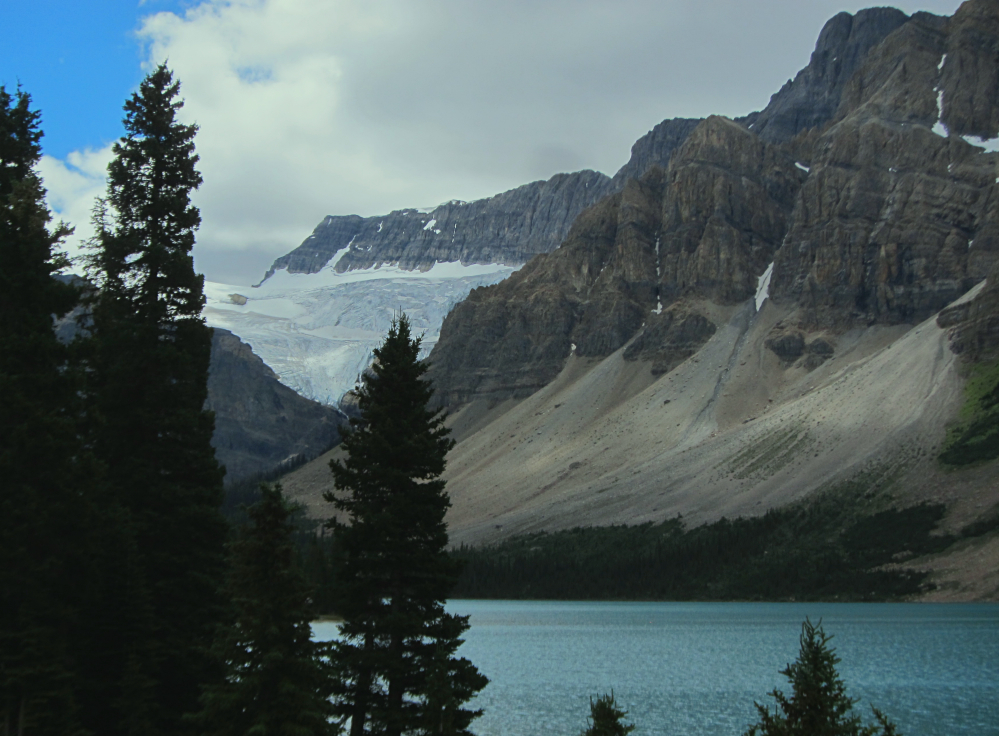
Glacier, Jaspser NP

I learned on our recent yet very brief visit that Glacier National Park is named not for the famous Grinnell glacier but because of the distinct glacier carved valleys that make the place so dramatically beautiful. A few days before our intended visit to Glacier a fire broke out on the east side of the park shutting down the eastern portion of the famous Going-to-the-Sun road that runs the width of the park. This joins the news of the fire in Jasper National Park in Canada that we would also be heading to as well as fires in California, Washington and Alaska to name a few. There was also news of major flooding in Arizona and much of southern California was under flood watch for some days.

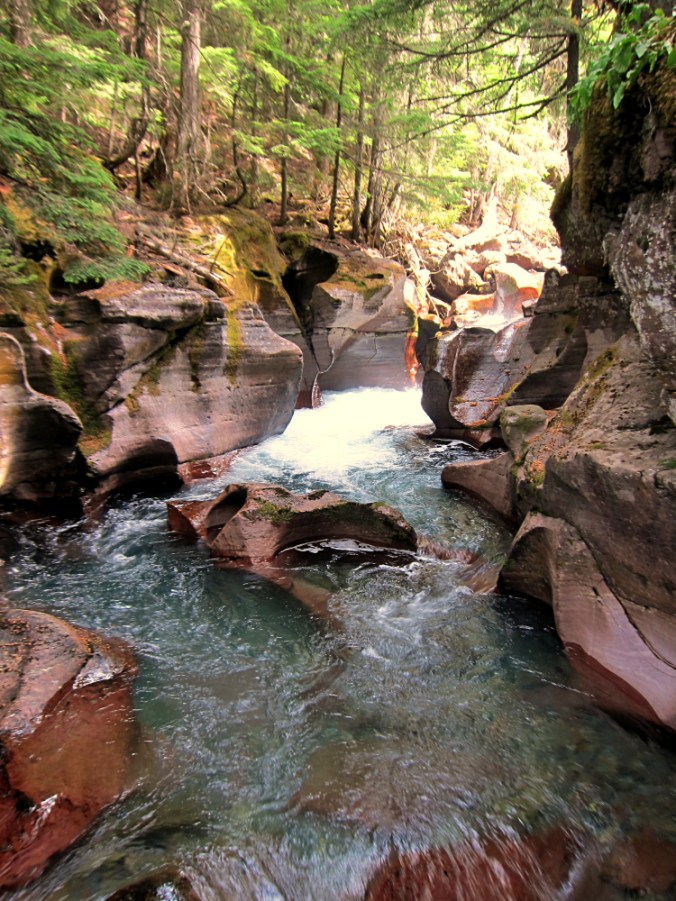
Water beats rockWater beats rock

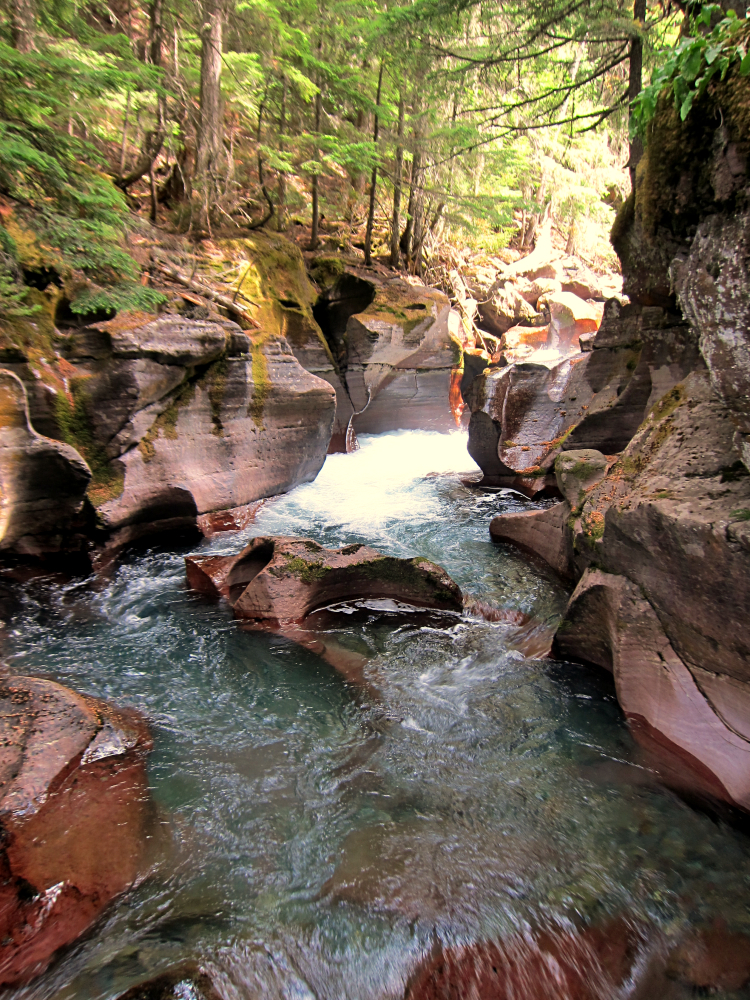
Water beats rock

When I think of water I think life and rejuvenation. Water makes up most of our bodies and seeing it whether in ocean, lake or flowing form people find peace in it’s movement as well at it’s stillness. I can watch waves or a waterfall for hours. When I hear about flooding and see the pictures or videos I feel scared and sad for those who may suffer loss. However, when I put on my ecologist hat I remember that flooding is also life and rejuvenation. Flooding washes down dead or weak plants and trees, it moves nutrients and seeds. The seeds wash up on new openings where there was none and new fresh life starts there. Sometimes there is nothing more grand in this world than a big old tree but old trees die and trees work very hard to replenish their species, as much as any other living creature. Some plants only grow in newly disturbed land whether opened by flood or fire these plants have a job, and do it well, to grow quickly and stabilize this new land. Moving through the massive glacier carved valleys of the Canadian Rockies, as well as admiring a few stream carved gorges, it’s visible that water is constantly scraping away at what the land has built up.

Fire is warmth, it is cooked food and I can also watch a fire for hours. After some time by the campfire when it’s almost time for bed and it’s just the hots coals left I like to watch the red glow swell and subside as it slowly cools. When I hear of fires in places I love I tremble in fear. I’ve lived through days of orange light and snowing of ash, or staying in doors and watching the world turn to gray dust out the window. I’ve given a friend newly developed pictures and they were then his first because the only possessions left are whatever he had in his car. He was at work while his home burned to its foundation. Fire is scary and yet fire too is life.

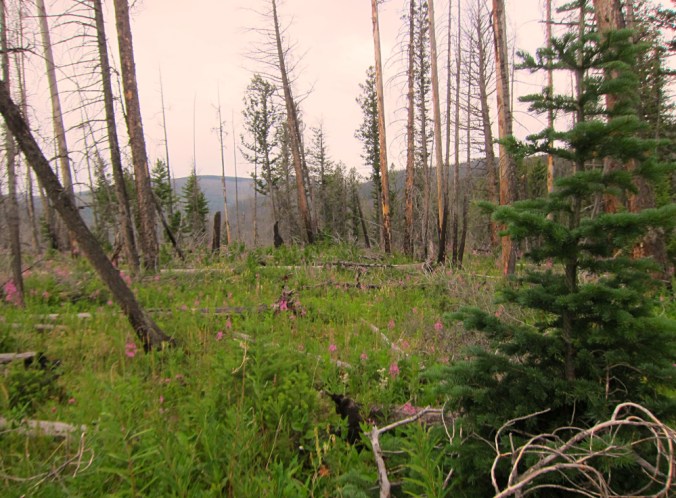
Being a California native I learned early that fire is and was a natural part of the California ecology. Traveling this year through out the states I’ve learned that fire is a part of all ecology everywhere. Even the Everglades in Florida are fire adapted. Fire has a way of clearing out our human errors as well. Traveling through the Rockies one cannot help but to see the utter destruction that is “beetle kill”. We had heard of it, of course, but seeing it across the landscape and entire hillsides is jaw dropping. Past clear cutting, letting the forests grow back and then making sure it didn’t burn for several decades meant trees all about the same age. Beetles most enjoy trees approximately 75 years old. These dead stands are itching to be burned clean. Traveling in Yellowstone and north into Montana where the fires of 1988 helped to create more natural mosaic and ecologically desirable forests we hardly saw beetle kill. Instead we saw lots of new life nudging and shoving for it’s share of sunlight. We saw snowshoe hares, dusky grouse and deer enjoying the fresh greens.

In the town of Jasper, AB I picked up a local rag. The cover is of a fire fighter smiling big in a burned out forest. They managed to save some beloved structures and in the meantime let the fire do what it is supposed to do. There is a healthy attitude and understanding of the fire, they’re happy about it. After just a few days and a little bit of rain fresh, bright green grass is popping up through the ashes. It begins again.

New GrowthNew Growth

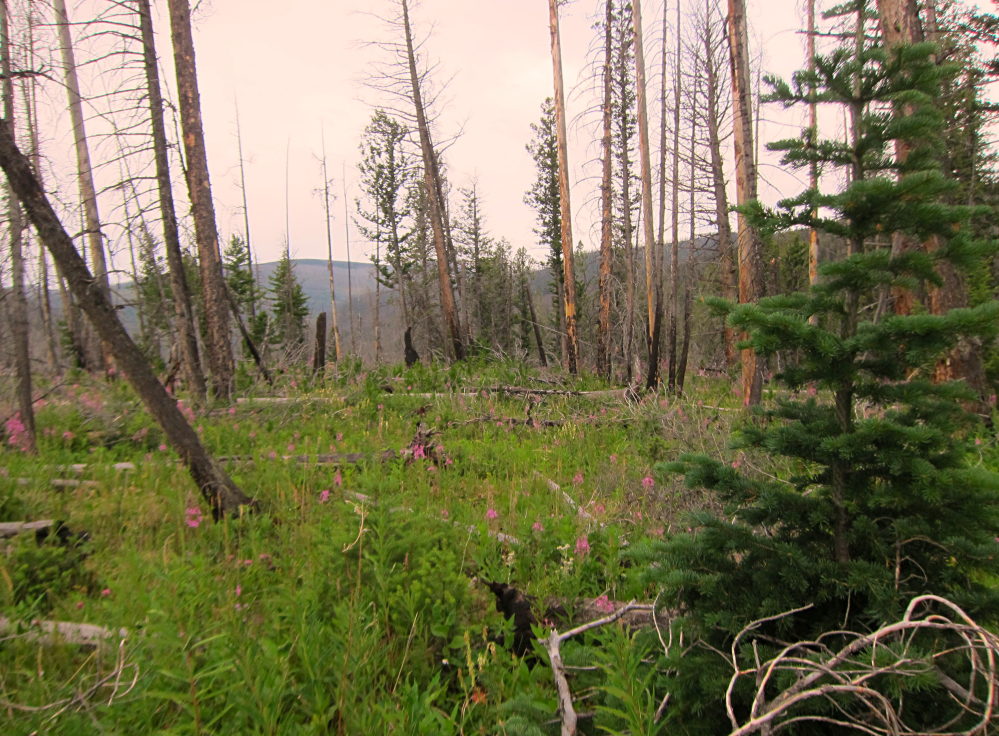
New Growth

Of Fire and Water

Glacier, Jaspser NP

Glacier, Jasper NP

I learned on our recent yet very brief visit that Glacier National Park is named not for the famous Grinnell glacier but because of the distinct glacier carved valleys that make the place so dramatically beautiful. A few days before our intended visit to Glacier a fire broke out on the east side of the park shutting down the eastern portion of the famous Going-to-the-Sun road that runs the width of the park. This joins the news of the fire in Jasper National Park in Canada that we would also be heading to as well as fires in California, Washington and Alaska to name a few. There was also news of major flooding in Arizona and much of southern California was under flood watch for some days.

Water beats rock

Water beats rock

When I think of water I think life and rejuvenation. Water makes up most of our bodies and seeing it whether in ocean, lake or flowing form people find peace in it’s movement as well at it’s stillness. I can watch waves or a waterfall for hours. When I hear about flooding and see the pictures or videos I feel scared and sad for those who may suffer loss. However, when I put on my ecologist hat I remember that flooding is also life and rejuvenation. Flooding washes down dead or weak plants and trees, it moves nutrients and seeds. The seeds wash up on new openings where there was none and new fresh life starts there. Sometimes there is nothing more grand in this world than a big old tree but old trees die and trees work very hard to replenish their species, as much as any other living creature. Some plants only grow in newly disturbed land whether opened by flood or fire these plants have a job, and do it well, to grow quickly and stabilize this new land. Moving through the massive glacier carved valleys of the Canadian Rockies, as well as admiring a few stream carved gorges, it’s visible that water is constantly scraping away at what the land has built up.

Fire is warmth, it is cooked food and I can also watch a fire for hours. After some time by the campfire when it’s almost time for bed and it’s just the hots coals left I like to watch the red glow swell and subside as it slowly cools. When I hear of fires in places I love I tremble in fear. I’ve lived through days of orange light and snowing of ash, or staying in doors and watching the world turn to gray dust out the window. I’ve given a friend newly developed pictures and they were then his first because the only possessions left are whatever he had in his car. He was at work while his home burned to its foundation. Fire is scary and yet fire too is life.

Being a California native I learned early that fire is and was a natural part of the California ecology. Traveling this year through out the states I’ve learned that fire is a part of all ecology everywhere. Even the Everglades in Florida are fire adapted. Fire has a way of clearing out our human errors as well. Traveling through the Rockies one cannot help but to see the utter destruction that is “beetle kill”. We had heard of it, of course, but seeing it across the landscape and entire hillsides is jaw dropping. Past clear cutting, letting the forests grow back and then making sure it didn’t burn for several decades meant trees all about the same age. Beetles most enjoy trees approximately 75 years old. These dead stands are itching to be burned clean. Traveling in Yellowstone and north into Montana where the fires of 1988 helped to create more natural mosaic and ecologically desirable forests we hardly saw beetle kill. Instead we saw lots of new life nudging and shoving for it’s share of sunlight. We saw snowshoe hares, dusky grouse and deer enjoying the fresh greens.

In the town of Jasper, AB I picked up a local rag. The cover is of a fire fighter smiling big in a burned out forest. They managed to save some beloved structures and in the meantime let the fire do what it is supposed to do. There is a healthy attitude and understanding of the fire, they’re happy about it. After just a few days and a little bit of rain fresh, bright green grass is popping up through the ashes. It begins again.

New Growth

Regrowth in Scapegoat Wilderness

Sharing Space

The Scapegoat Wilderness from Red Mountain - Photo by Tim GillerThe Scapegoat Wilderness from Red Mountain - Photo by Tim Giller

The Scapegoat Wilderness from Red Mountain – Photo by Tim Giller

I hadn’t walked 100 yards before I considered that maybe we should have brought two cans of bear spray. I had left our ursine strength pepper spray with Rachael at the ridgeline and hurried off alone to the top of Red Mountain.

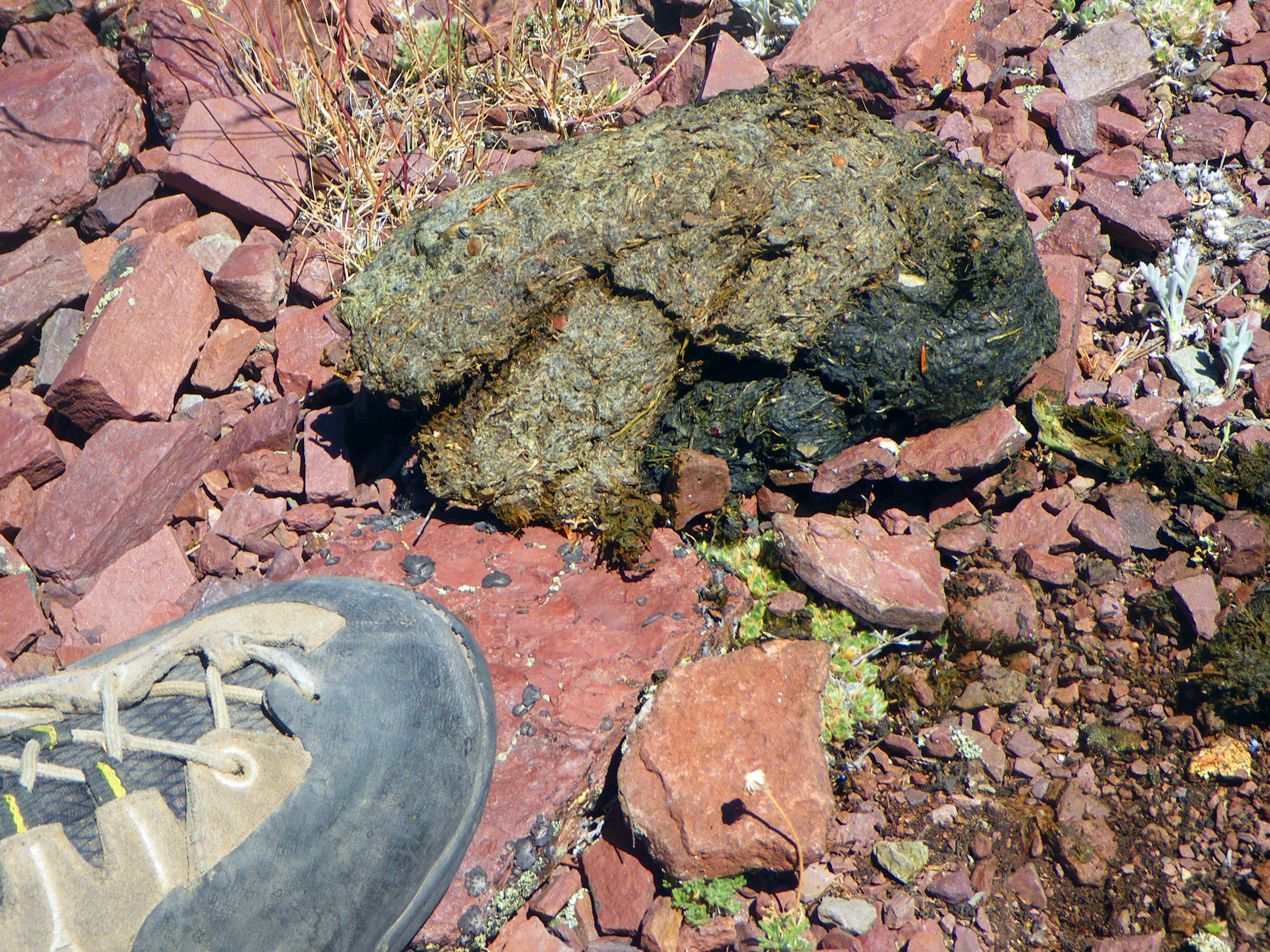
Grizzly ScatGrizzly Scat

Grizzly Scat

When my boot kicked a cow-patty sized lump of partially dried Grizzly dung I took in my surroundings and noticed that something had been busy tearing into the stony ground to get at the roots of the low lying tundra plants on this high slope.

Grizzly DiggingGrizzly Digging

Grizzly Digging

I could see most of this wide-open country above tree line but I thought maybe I should be shouting “Hey bear!” more loudly and frequently just in case there was anything tucked into the folds of the mountain. With a stiff wind it would be unlikely that I would be heard or smelled and surprising a nearsighted animal with 4-inch claws that can weigh 500lbs or more is bad idea.

From the summit of Red Mountain, the highest point in the Scapegoat Wilderness, you can look north into one of the biggest chunks of wildland in America. The Bob Marshal Wilderness Complex, or “The Bob” includes the Scapegoat and abuts Glacier National Park, protected land stretching 150 miles to the Canadian border, with plenty of wildland on the other side as well. This is the kind of space that Grizzlies need. A male might wander over a 1000 square mile range and can be choosy about who he shares it with. The land before me is a complicated topography of dispersed jagged peaks and rounded domes with no clear central spine all rising up in a massif with innumerable valleys and grottos. I could only imagine the rich variety of wild things in there. Some I didn’t have to imagine, Elk and White-tailed deer had shown themselves on the hike in and at lakeside near our camp. A Bald Eagle was stationed in the snag above us as we picked a spot for our tent. He gave me a stern and regal look over his shoulder before flying off, clearly annoyed that we had to put our tent right there. But what else might be out deeper in this wilderness? Grizzly of course and plenty of his cousin the Black Bear. This land must be rich territory for Grey Wolves if we have the humility to share it. I love the thought of our most elusive wild creature, the Wolverine, lurking somewhere no more than a days walk away. A human days walk that is. Wolverines are obsessive and fast-paced wanderers that can cover 40 plus miles over peaks and cliffs while I’m slugging away on a well-maintained trail for 12 miles.

These creatures need elbow room. And we’ve had the wisdom to set some aside. We get into debates about owls or fish or snails but it’s never about some single species that may be on the brink. Each of these animals represents an array life that shapes the web of an intact ecosystem. Having the courage to protect a rare butterfly means that we are also protecting the life it shares space with. When we can save enough space for wide-ranging and charismatic animals it almost always means that a whole host of species gets roped in for protection. Outside of Alaska this region is one of the best we’ve got when we are ready to think big, and some of us are ready. America stakes its identity on bold ideas, democracy, civil liberties, the National Park System. Bold ideas have been shaping over the past 30 years or more of preserving the wilderness we have left and finding ways of co-existing in the places that have been or will be developed. Habitat loss and fragmentation is the most common cause of species decline and extinction. It seems that we are going to have to re-learn how to share, if only for the fact that if you take out too many of our ecological puzzle pieces the whole thing that make this place habitable may crumble away. Large scale wildlife corridors, rewilding the landscape and cross continent proposals like the Yellowstone to Yukon Conservation Initiative (Y2Y) and The Algonquin to Adirondacks (A2A) Collaborative are a just a few of the things on the table.

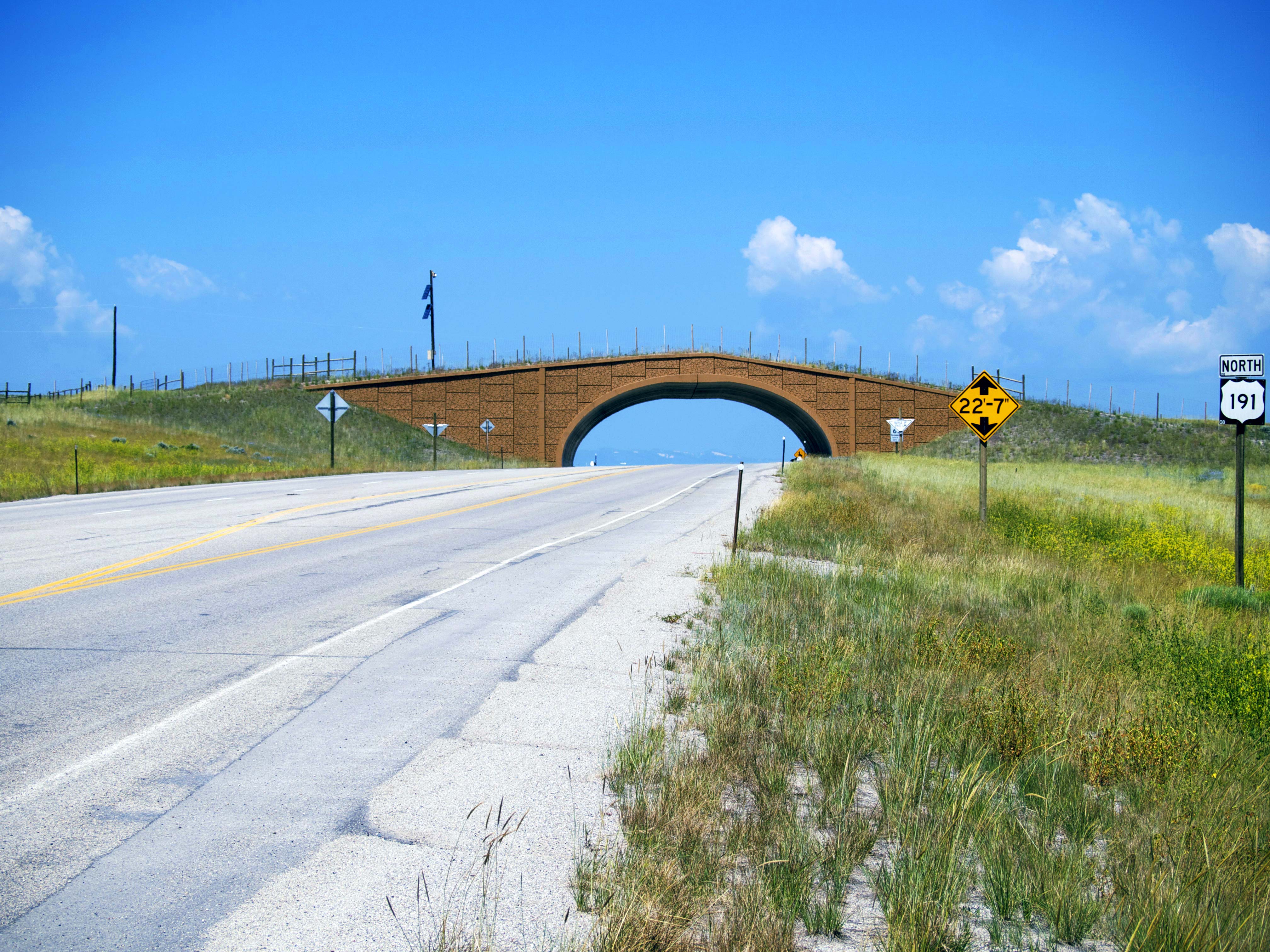
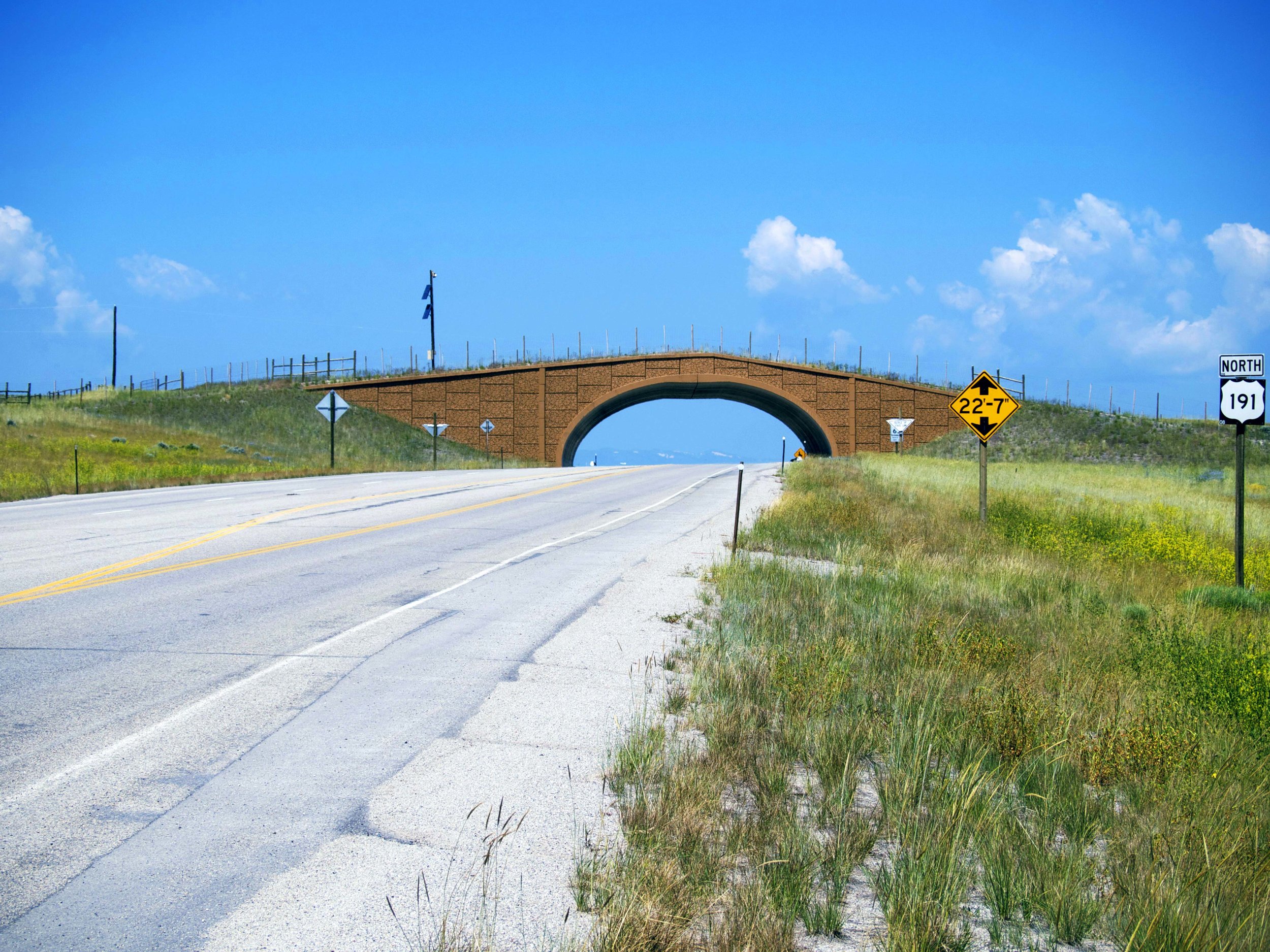
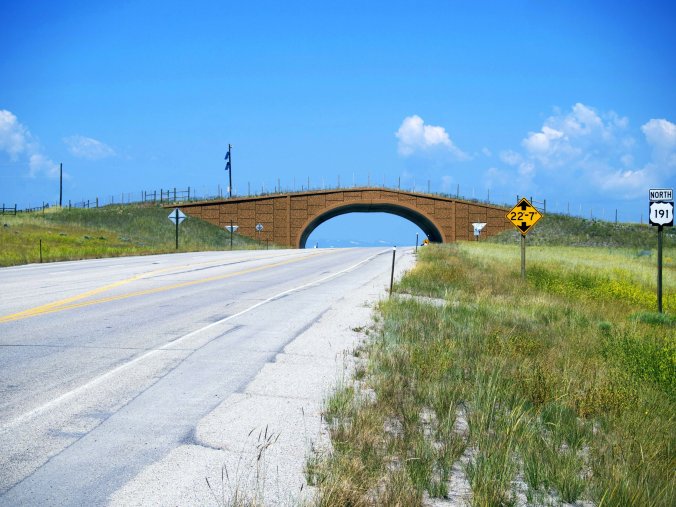
Pronghorn Overpass, WY - Photo by Tim GillerPronghorn Overpass, WY - Photo by Tim Giller

Pronghorn Overpass, WY – Photo by Tim Giller

While in Wyoming we learned that the state hosts the most dramatic migration event south of the Arctic. Pronghorn here migrate over 200 miles between summer grounds around Grand Teton National Park and winter grounds in the Red Desert south of the Wind River Range. Unfortunately we have been accumulating obstacles for them across the landscape like roads, homesteads, petrochemical wells and cattle fencing. Shaped by the now-extinct North American Cheetah, these are the fastest animals on the continent. They evolved to move quickly and widely in the vast open spaces of the west. They did not evolve with the need to jump. With the thousands of miles of barbed wire stretched across the cattle lands this is a huge liability. They can easily become trapped on the wrong side or entangled when trying to cross ranch land. By collaborating with ranchers and other landowners there are some simple solutions like removing the bottom row of wire or replacing it with a barb-less one. These svelte animals are quite good at slipping underneath. We can also use this liability to help them get through our lethal tangle of highways safely. A number of well-designed “animal overpasses” have been created at crucial migration points in the region. Robust fencing has been installed to funnel Pronghorn to these allowing them to avoid crossing busy stretches of road.

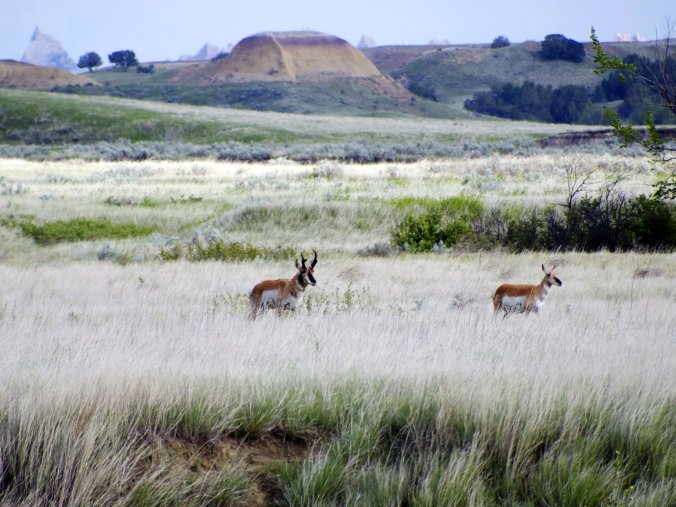
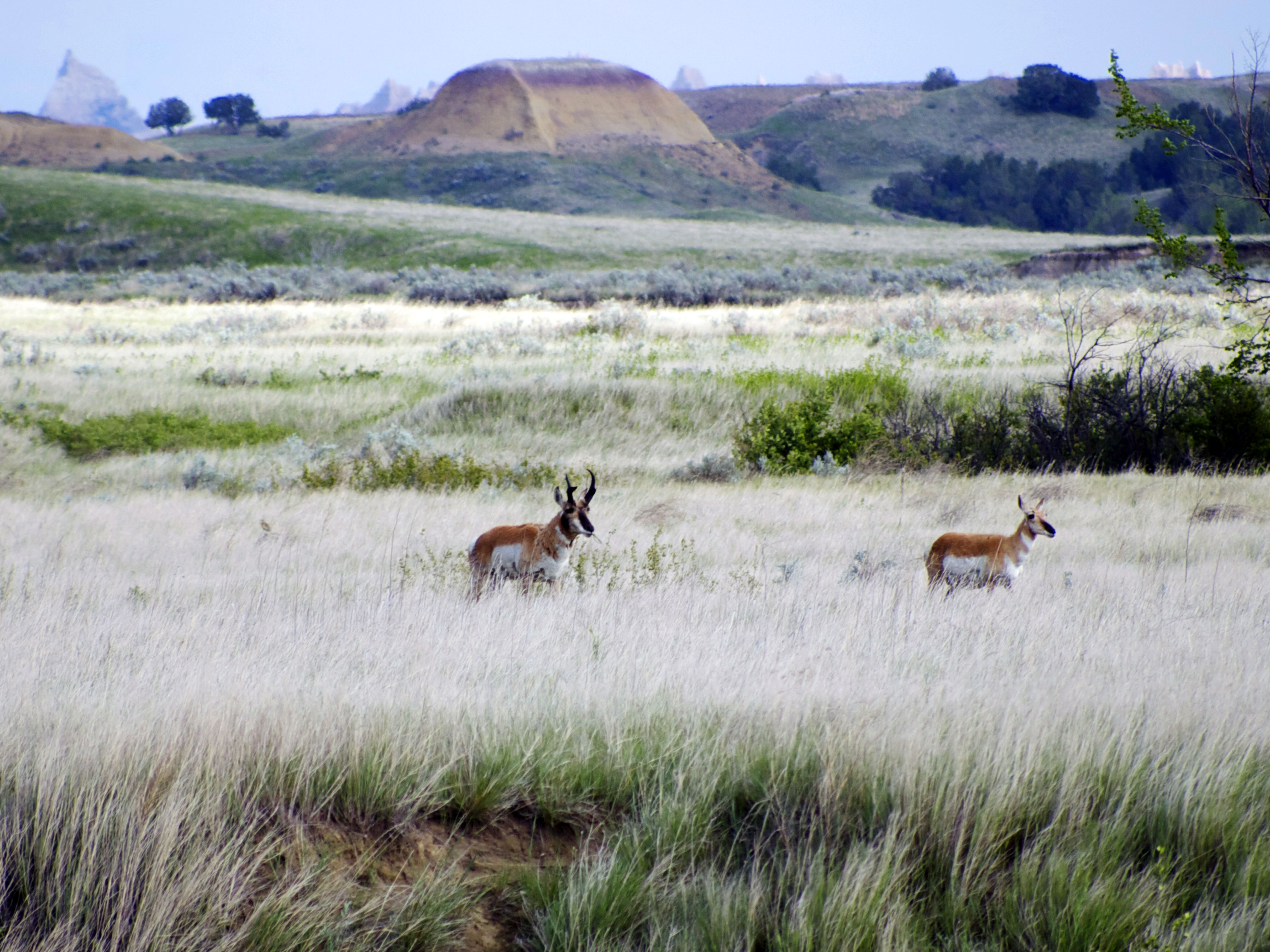
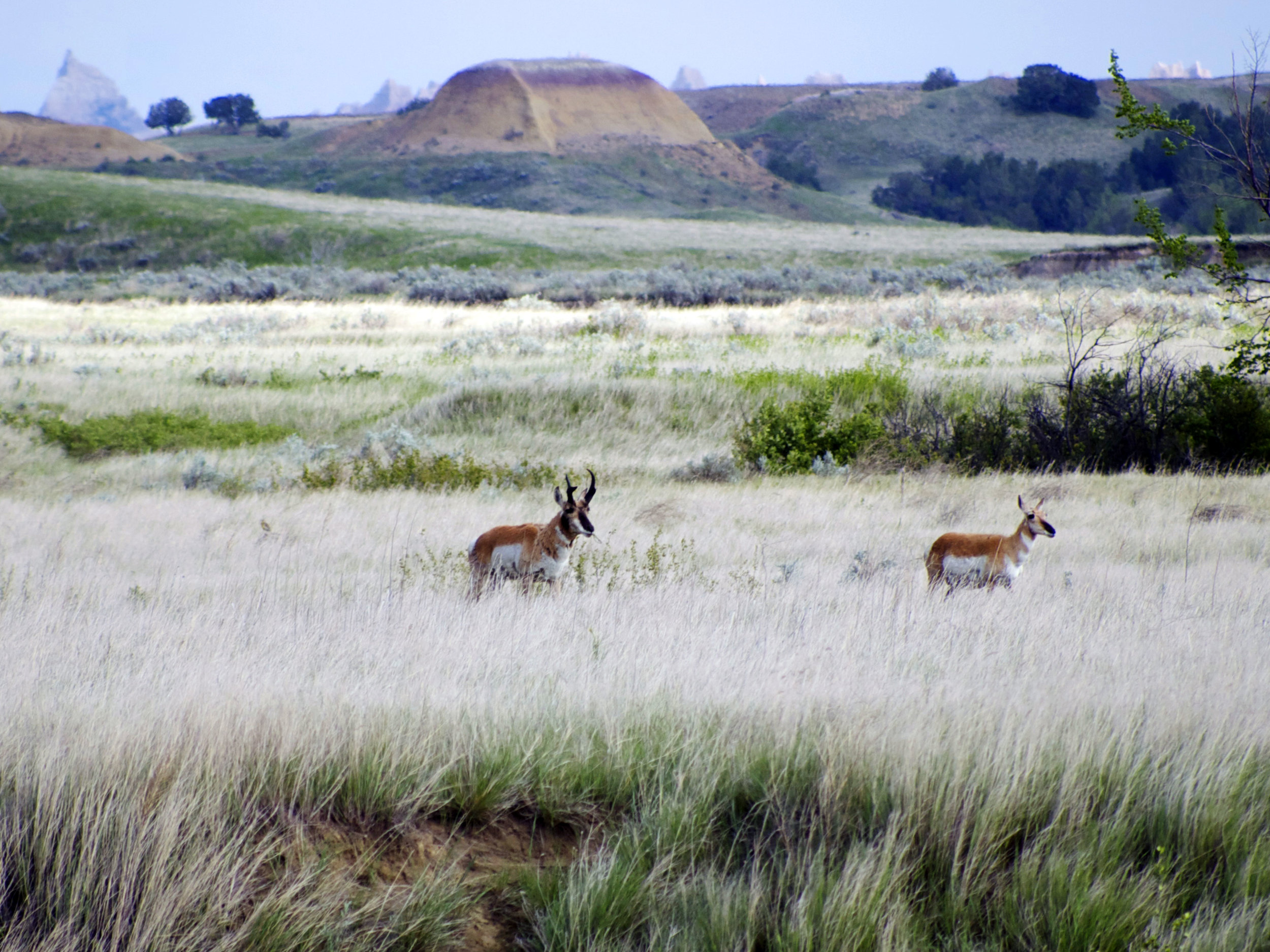
Pronghorn in South Dakota - Phot by Tim GillerPronghorn in South Dakota - Phot by Tim Giller

Pronghorn in South Dakota – Phot by Tim Giller

It’s hard to imagine an animal that better represents the challenges and rewards involved in sharing the landscape. Commonly referred to as the American or Pronghorn Antelope this species is uniquely American and literally in a class of it’s own. It is also a beautiful animal and respected by hunters, wildlife watchers and even ranchers. They seem to be asking so little from us in order to co-exist. In their tawny and white coats offset by the sage expanses they are visible. It as though, knowing they are the quickest thing out there, they are unafraid to be the emblem of the wild and free possibilities that are also uniquely American.

For more info on the Pronghorn migration and some wonderful photos take a look at this National Geographic article:

http://news.nationalgeographic.com/news/2009/08/photogalleries/pronghorn-antelope-migration-missions-pictures/index.html

Sharing Space

The Scapegoat Wilderness from Red Mountain - Photo by Tim Giller

The Scapegoat Wilderness from Red Mountain – Photo by Tim Giller

I hadn’t walked 100 yards before I considered that maybe we should have brought two cans of bear spray. I had left our ursine strength pepper spray with Rachael at the ridgeline and hurried off alone to the top of Red Mountain.

Grizzly Scat

Grizzly Scat

When my boot kicked a cow-patty sized lump of partially dried Grizzly dung I took in my surroundings and noticed that something had been busy tearing into the stony ground to get at the roots of the low lying tundra plants on this high slope.

Grizzly Digging

Grizzly Digging

I could see most of this wide-open country above tree line but I thought maybe I should be shouting “Hey bear!” more loudly and frequently just in case there was anything tucked into the folds of the mountain. With a stiff wind it would be unlikely that I would be heard or smelled and surprising a nearsighted animal with 4-inch claws that can weigh 500lbs or more is bad idea.

From the summit of Red Mountain, the highest point in the Scapegoat Wilderness, you can look north into one of the biggest chunks of wildland in America. The Bob Marshal Wilderness Complex, or “The Bob” includes the Scapegoat and abuts Glacier National Park, protected land stretching 150 miles to the Canadian border, with plenty of wildland on the other side as well. This is the kind of space that Grizzlies need. A male might wander over a 1000 square mile range and can be choosy about who he shares it with. The land before me is a complicated topography of dispersed jagged peaks and rounded domes with no clear central spine all rising up in a massif with innumerable valleys and grottos. I could only imagine the rich variety of wild things in there. Some I didn’t have to imagine, Elk and White-tailed deer had shown themselves on the hike in and at lakeside near our camp. A Bald Eagle was stationed in the snag above us as we picked a spot for our tent. He gave me a stern and regal look over his shoulder before flying off, clearly annoyed that we had to put our tent right there. But what else might be out deeper in this wilderness? Grizzly of course and plenty of his cousin the Black Bear. This land must be rich territory for Grey Wolves if we have the humility to share it. I love the thought of our most elusive wild creature, the Wolverine, lurking somewhere no more than a days walk away. A human days walk that is. Wolverines are obsessive and fast-paced wanderers that can cover 40 plus miles over peaks and cliffs while I’m slugging away on a well-maintained trail for 12 miles.

These creatures need elbow room. And we’ve had the wisdom to set some aside. We get into debates about owls or fish or snails but it’s never about some single species that may be on the brink. Each of these animals represents an array life that shapes the web of an intact ecosystem. Having the courage to protect a rare butterfly means that we are also protecting the life it shares space with. When we can save enough space for wide-ranging and charismatic animals it almost always means that a whole host of species gets roped in for protection. Outside of Alaska this region is one of the best we’ve got when we are ready to think big, and some of us are ready. America stakes its identity on bold ideas, democracy, civil liberties, the National Park System. Bold ideas have been shaping over the past 30 years or more of preserving the wilderness we have left and finding ways of co-existing in the places that have been or will be developed. Habitat loss and fragmentation is the most common cause of species decline and extinction. It seems that we are going to have to re-learn how to share, if only for the fact that if you take out too many of our ecological puzzle pieces the whole thing that make this place habitable may crumble away. Large scale wildlife corridors, rewilding the landscape and cross continent proposals like the Yellowstone to Yukon Conservation Initiative (Y2Y) and The Algonquin to Adirondacks (A2A) Collaborative are a just a few of the things on the table.

Pronghorn Overpass, WY - Photo by Tim Giller

Pronghorn Overpass, WY – Photo by Tim Giller

While in Wyoming we learned that the state hosts the most dramatic migration event south of the Arctic. Pronghorn here migrate over 200 miles between summer grounds around Grand Teton National Park and winter grounds in the Red Desert south of the Wind River Range. Unfortunately we have been accumulating obstacles for them across the landscape like roads, homesteads, petrochemical wells and cattle fencing. Shaped by the now-extinct North American Cheetah, these are the fastest animals on the continent. They evolved to move quickly and widely in the vast open spaces of the west. They did not evolve with the need to jump. With the thousands of miles of barbed wire stretched across the cattle lands this is a huge liability. They can easily become trapped on the wrong side or entangled when trying to cross ranch land. By collaborating with ranchers and other landowners there are some simple solutions like removing the bottom row of wire or replacing it with a barb-less one. These svelte animals are quite good at slipping underneath. We can also use this liability to help them get through our lethal tangle of highways safely. A number of well-designed “animal overpasses” have been created at crucial migration points in the region. Robust fencing has been installed to funnel Pronghorn to these allowing them to avoid crossing busy stretches of road.

Pronghorn in South Dakota - Phot by Tim Giller

Pronghorn in South Dakota – Phot by Tim Giller

It’s hard to imagine an animal that better represents the challenges and rewards involved in sharing the landscape. Commonly referred to as the American or Pronghorn Antelope this species is uniquely American and literally in a class of it’s own. It is also a beautiful animal and respected by hunters, wildlife watchers and even ranchers. They seem to be asking so little from us in order to co-exist. In their tawny and white coats offset by the sage expanses they are visible. It as though, knowing they are the quickest thing out there, they are unafraid to be the emblem of the wild and free possibilities that are also uniquely American.

For more info on the Pronghorn migration and some wonderful photos take a look at this National Geographic article:

http://news.nationalgeographic.com/news/2009/08/photogalleries/pronghorn-antelope-migration-missions-pictures/index.html