Think Twice Before Following a Bison Trail

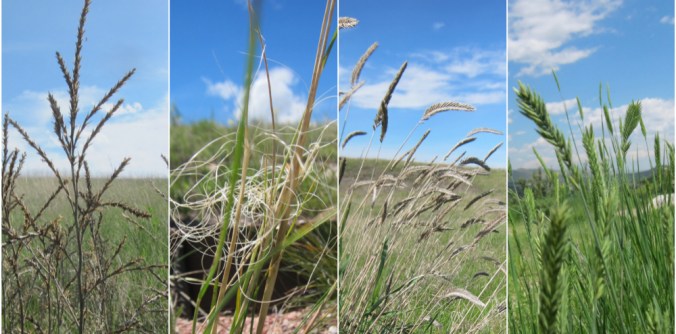
IMG_3906_Fotor_CollageIMG_3906_Fotor_Collage

IMG_3906_Fotor_Collage

There are images in the American psyche that are as iconic as apple pie and baseball. The image of a plains indian in the throws of a bison hunt and the image of the Great Plains homesteader squinting their eyes in a sunny hundred mile stare bracing themselves against the unfettered prairie winds. These images are as gone as the prairie itself. As to why things are the way they are here in central United States is as complex as the history is deep. Our short visit to and through the landscapes of the grasslands that remain could not do it justice in this format. I will say that in the face of all that is ecologically and politically wrong magical moments can still happen. I want to share two such moments.
In Sheyenne National Grasslands in the south east corner of North Dakota on an eight mile loop trail around the oak savannah of Hankinson Hills the sight of about ten white pelicans in their typical v formation caught our attention. Being the large and strong winged birds they are we could hear the movement of the air as they went overhead. Just about the time the squadron passed us they began to break formation and swirl and dance up through the air. “What are they doing?”, I whispered. While it’s common for pelicans to ride the thermals I had never seen this before and something about the beauty of these large birds gliding above made me gulp back tears.

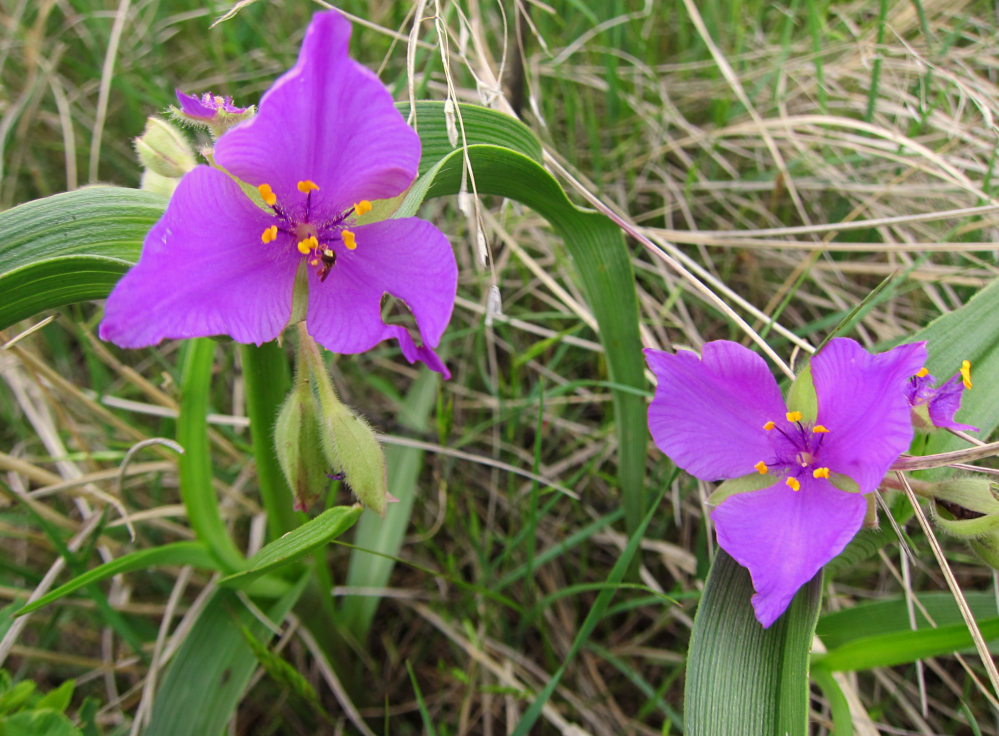
Purple FlowersPurple Flowers

Purple Flowers

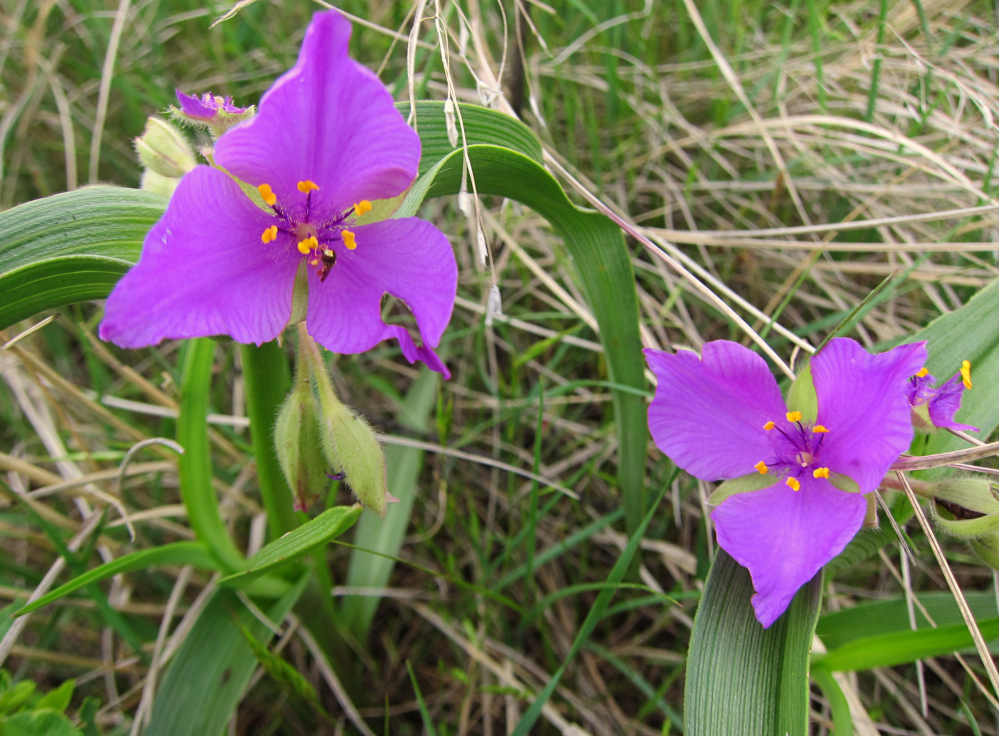
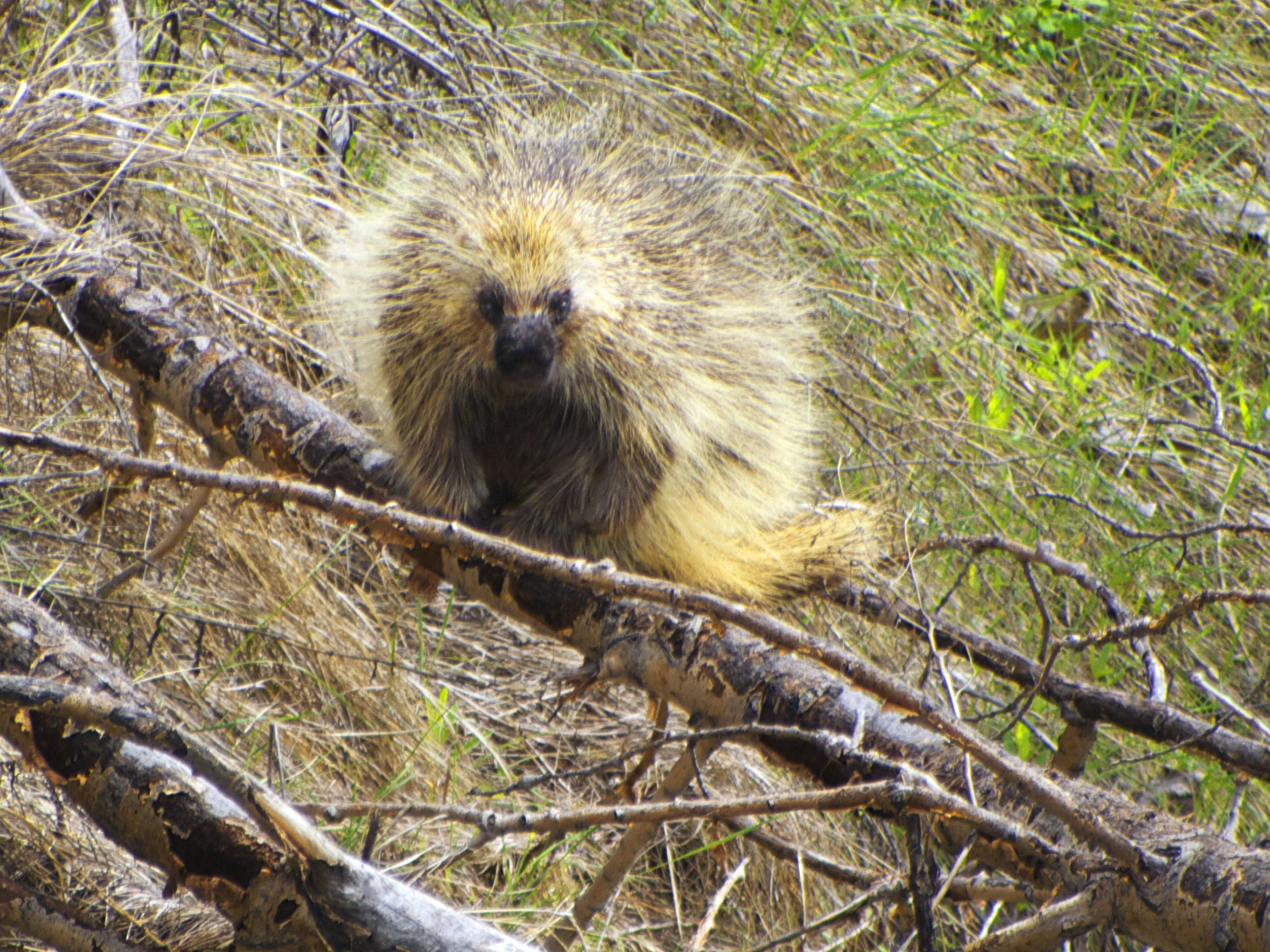
After Sheyenne we headed to Badlands National Park in South Dakota. There is the iconic badlands to drive and hike through but there is also the wilderness area to the west and two other units that are within the Pine Ridge reservation to the south. Surrounding much of the park otherwise is the Buffalo Gap National Grasslands. I’ve wanted to visit Badlands ever since I saw a picture of the colorful sandstone hills that give them their name. The beauty of the colors in the rocks did not disappoint but what I really fell in love with was found west of that rugged terrain in the Sage Creek Wilderness area of the park. Life’s a bit more green over there this time of year. Within the park one is free to wander about as they wish (just bring in all your own water). After a stormy afternoon and morning watching the male Bison roam about the campground area munching grass the sky calmed and we set out on a walkabout to see what we could see. We set out in an “as the crow flies” fashion for some hills in the distance that looked to have some promising views. We quickly learned that this land belies not just it’s true topography but it’s filled with life. As we walked crickets jumped away from our feet the way water moves in a stream as you cross it, a grasshopper trying to avoid us managed to jump right into Tim with loud thwap, while avoiding bison chips we also did our best to avoid crushing all the wildflowers. When we found ourselves looking 20 feet down to the stream below we decided to try going up the hill this time since downhill last time had us crossing a few streams. As we walked up to the bend in the creek we saw a porcupine that seemed to also be out enjoying the finally shining sun resting on a fallen tree trunk up above the stream. In his very porcupine fashion he moved himself up into the protection of the cottonwood leaves, even though this technically brought him closer to where we stood.

PorcupinePorcupine

Porcupine

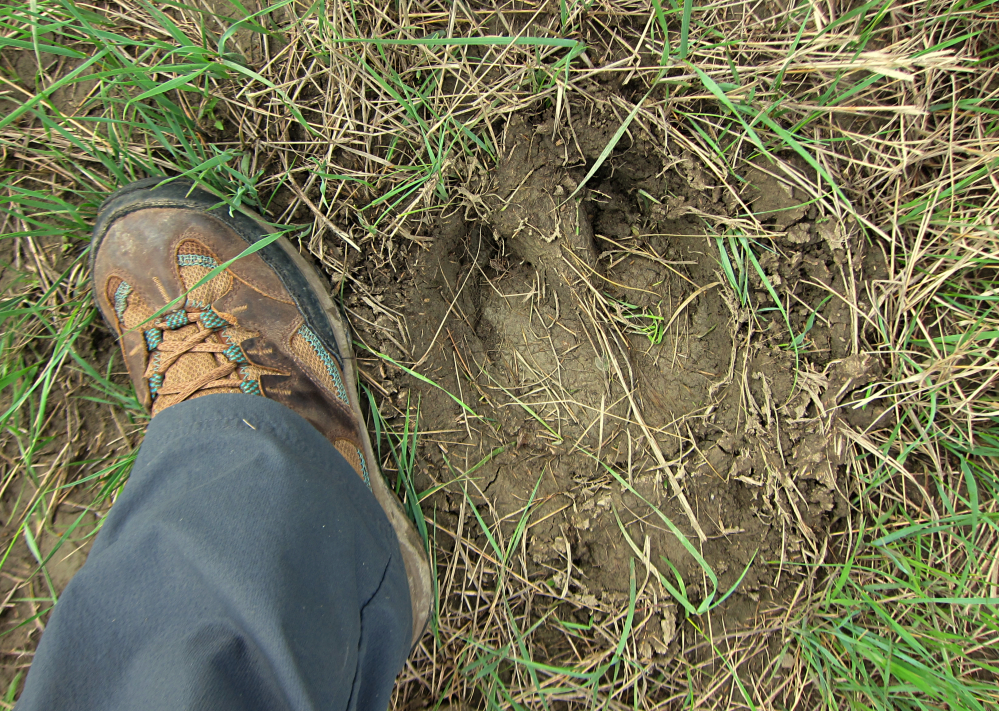
Moving on we saw both a kingfisher and a red headed woodpecker bouncing from tree to tree along another stream. As we walked closer to our destination we thought perhaps we might fair better by following in the bison trails instead of forging our own path. After all they’ve know this landscape for thousands of years, it’s in their DNA. This took us up and over the first hill and brought us down by a group of bachelor bison and one, very large, loner. We did our best to walk between without disturbing them as we headed towards yet another stream. There we looked across the stream to see a pair of pronghorn. At first startled to see us they quickly went about their business of eating and scratching their heads on the shrubs. Very near our desired destination we went up and over the next hill. As we came up though we found ourselves looking at a few more bison, only these were ladies that were part of the maternal herd. Even though we were a good distance away they rose in alarm. This alarmed the mama on the other side of them who looked at us over hill she was on. Up her tail went. We backed up a bit but the motions we accidentally set into to play could not be stopped. With all the ladies nearby on alert a calf wondering what the fuss was about looked over the hill at us too. We briefly saw the light brown face before mama and crew decided it was time to move on. This movement set off all the ladies and calves below them and they took off in trot to higher land. Like dominoes all the females and calves not waiting to see where the danger was took off as well. We watched and heard the ground rumble as somewhere around a couple hundred females and calves tromped their way to higher ground and away from us. On the one hand I felt guilty for having disturbed their peace, on the other this sight and everything that came with it was something of a miracle. Fifty years ago there were no bison in Badlands National Park and over a hundred years before that Americans had slaughtered an estimated 30 million bison down to just a few hundred. This incredible beast would have been gone completely from the world had it not been for a few people who thought to save them from extinction and a few that kept themselves hidden in the wilds of Yellowstone.

Bison HoofBison Hoof

Bison Hoof

What was once the Great Plains are now fractured, stressed, abused and incomplete grasslands spread out across the states, yet there is still life there and if you open yourself to the place it might just surprise you. Just be careful if you follow a bison trail, they’ve got big hooves to follow and you might end up seeing more than you bargained.
Think Twice Before Following a Bison Trail

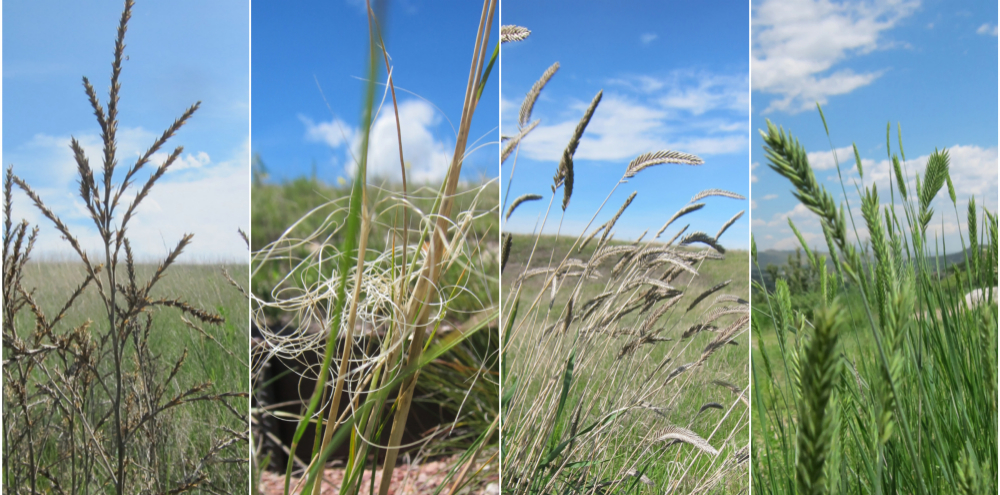
IMG_3906_Fotor_CollageThere are images in the American psyche that are as iconic as apple pie and baseball. The image of a plains indian in the throws of a bison hunt and the image of the Great Plains homesteader squinting their eyes in a sunny hundred mile stare bracing themselves against the unfettered prairie winds. These images are as gone as the prairie itself. As to why things are the way they are here in central United States is as complex as the history is deep. Our short visit to and through the landscapes of the grasslands that remain could not do it justice in this format. I will say that in the face of all that is ecologically and politically wrong magical moments can still happen. I want to share two such moments.

In Sheyenne National Grasslands in the south east corner of North Dakota on an eight mile loop trail around the oak savannah of Hankinson Hills the sight of about ten white pelicans in their typical v formation caught our attention. Being the large and strong winged birds they are we could hear the movement of the air as they went overhead. Just about the time the squadron passed us they began to break formation and swirl and dance up through the air. “What are they doing?”, I whispered. While it’s common for pelicans to ride the thermals I had never seen this before and something about the beauty of these large birds gliding above made me gulp back tears.

Purple FlowersAfter Sheyenne we headed to Badlands National Park in South Dakota. There is the iconic badlands to drive and hike through but there is also the wilderness area to the west and two other units that are within the Pine Ridge reservation to the south. Surrounding much of the park otherwise is the Buffalo Gap National Grasslands. I’ve wanted to visit Badlands ever since I saw a picture of the colorful sandstone hills that give them their name. The beauty of the colors in the rocks did not disappoint but what I really fell in love with was found west of that rugged terrain in the Sage Creek Wilderness area of the park. Life’s a bit more green over there this time of year. Within the park one is free to wander about as they wish (just bring in all your own water). After a stormy afternoon and morning watching the male Bison roam about the campground area munching grass the sky calmed and we set out on a walkabout to see what we could see. We set out in an “as the crow flies” fashion for some hills in the distance that looked to have some promising views. We quickly learned that this land belies not just it’s true topography but it’s filled with life. As we walked crickets jumped away from our feet the way water moves in a stream as you cross it, a grasshopper trying to avoid us managed to jump right into Tim with loud thwap, while avoiding bison chips we also did our best to avoid crushing all the wildflowers. When we found ourselves looking 20 feet down to the stream below we decided to try going up the hill this time since downhill last time had us crossing a few streams. As we walked up to the bend in the creek we saw a porcupine that seemed to also be out enjoying the finally shining sun resting on a fallen tree trunk up above the stream. In his very porcupine fashion he moved himself up into the protection of the cottonwood leaves, even though this technically brought him closer to where we stood.

Porcupine

Moving on we saw both a kingfisher and a red headed woodpecker bouncing from tree to tree along another stream. As we walked closer to our destination we thought perhaps we might fair better by following in the bison trails instead of forging our own path. After all they’ve know this landscape for thousands of years, it’s in their DNA. This took us up and over the first hill and brought us down by a group of bachelor bison and one, very large, loner. We did our best to walk between without disturbing them as we headed towards yet another stream. There we looked across the stream to see a pair of pronghorn. At first startled to see us they quickly went about their business of eating and scratching their heads on the shrubs. Very near our desired destination we went up and over the next hill. As we came up though we found ourselves looking at a few more bison, only these were ladies that were part of the maternal herd. Even though we were a good distance away they rose in alarm. This alarmed the mama on the other side of them who looked at us over hill she was on. Up her tail went. We backed up a bit but the motions we accidentally set into to play could not be stopped. With all the ladies nearby on alert a calf wondering what the fuss was about looked over the hill at us too. We briefly saw the light brown face before mama and crew decided it was time to move on. This movement set off all the ladies and calves below them and they took off in trot to higher land. Like dominoes all the females and calves not waiting to see where the danger was took off as well. We watched and heard the ground rumble as somewhere around a couple hundred females and calves tromped their way to higher ground and away from us. On the one hand I felt guilty for having disturbed their peace, on the other this sight and everything that came with it was something of a miracle. Fifty years ago there were no bison in Badlands National Park and over a hundred years before that Americans had slaughtered an estimated 30 million bison down to just a few hundred. This incredible beast would have been gone completely from the world had it not been for a few people who thought to save them from extinction and a few that kept themselves hidden in the wilds of Yellowstone.

What was once the Great Plains are now fractured, stressed, abused and incomplete grasslands spread oBison Hoofut across the states, yet there is still life there and if you open yourself to the place it might just surprise you. Just be careful if you follow a bison trail, they’ve got big hooves to follow and you might end up seeing more than you bargained.
Natural History of Lil’ Squatch (Part 1)

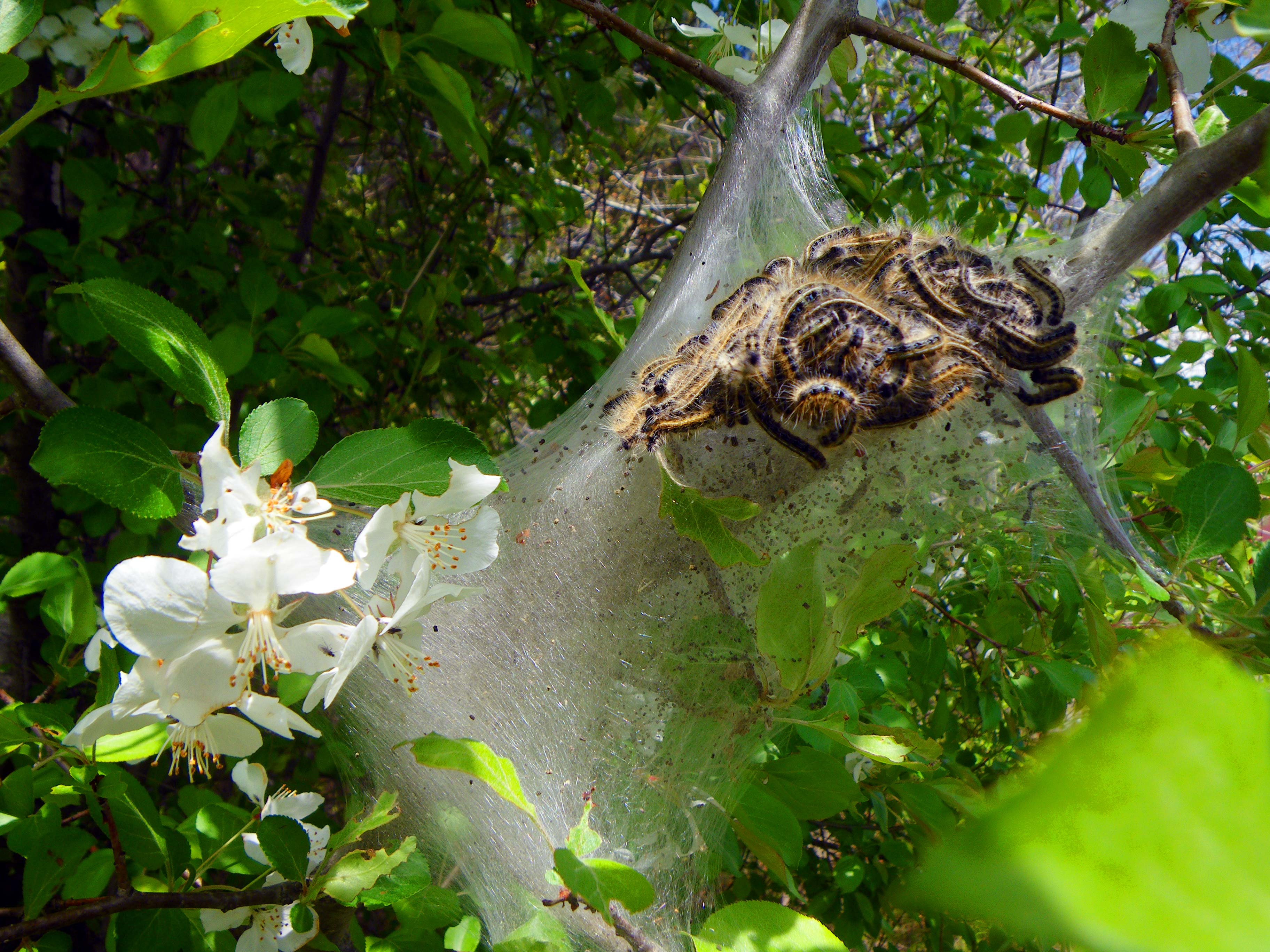
Tent Caterpillars, Delmarva Peninsula - Photo by Tim GillerTent Caterpillars, Delmarva Peninsula - Photo by Tim Giller

Tent Caterpillars, Delmarva Peninsula – Photo by Tim Giller

Lil’ Squatch frightens the birds. At least that’s what Rachael likes to say. I’d like to think that his charisma extends to the animal kingdom but I have to admit that she seems to be right. Countless times we’ve slowed down or pulled over to get a better look at some unknown animal near the road only to have it scamper away at the sight of our strange contraption. Roadside wildlife is often indifferent to the vehicles rolling by, but we’ve seen deer, squirrels and all types of birds do a double take when we round the corner. A staid and well hidden Barred Owl taking flight when we meandered by, Pronghorn dashing off when we break the horizon. I’ve learned that trying to be a naturalist at 50 mph is not very fruitful. Holding binoculars in a moving vehicle can be nausea inducing especially if you are behind the wheel. However, when you’re laying down a lot of backroad highway miles you’ll inevitably see plants and animals that demand a closer look.

We drove over a 1000 miles in the south before we finally got a close look at a tree with red draping from it in late winter, realizing that it wasn’t old leaves but the flowers and seeds of the Red Maple. Lately it has been the American Larch, a strange deciduous conifer that is unfamiliar in my part of the west. It seems to favor a boggy soil that infrequently lined the road and we breezed out of its range in Minnesota without finding a spot to pull over for one. Earlier this spring a mysterious gauzy web was catching our eyes, wedged in the crotch of certain trees and glowing in the sunlight. A little effort revealed that it was the silk of the Eastern tent caterpillar, an unusual species that gathers by the hundreds for warmth and increased metabolism before going off separately to metamorphose into moths.

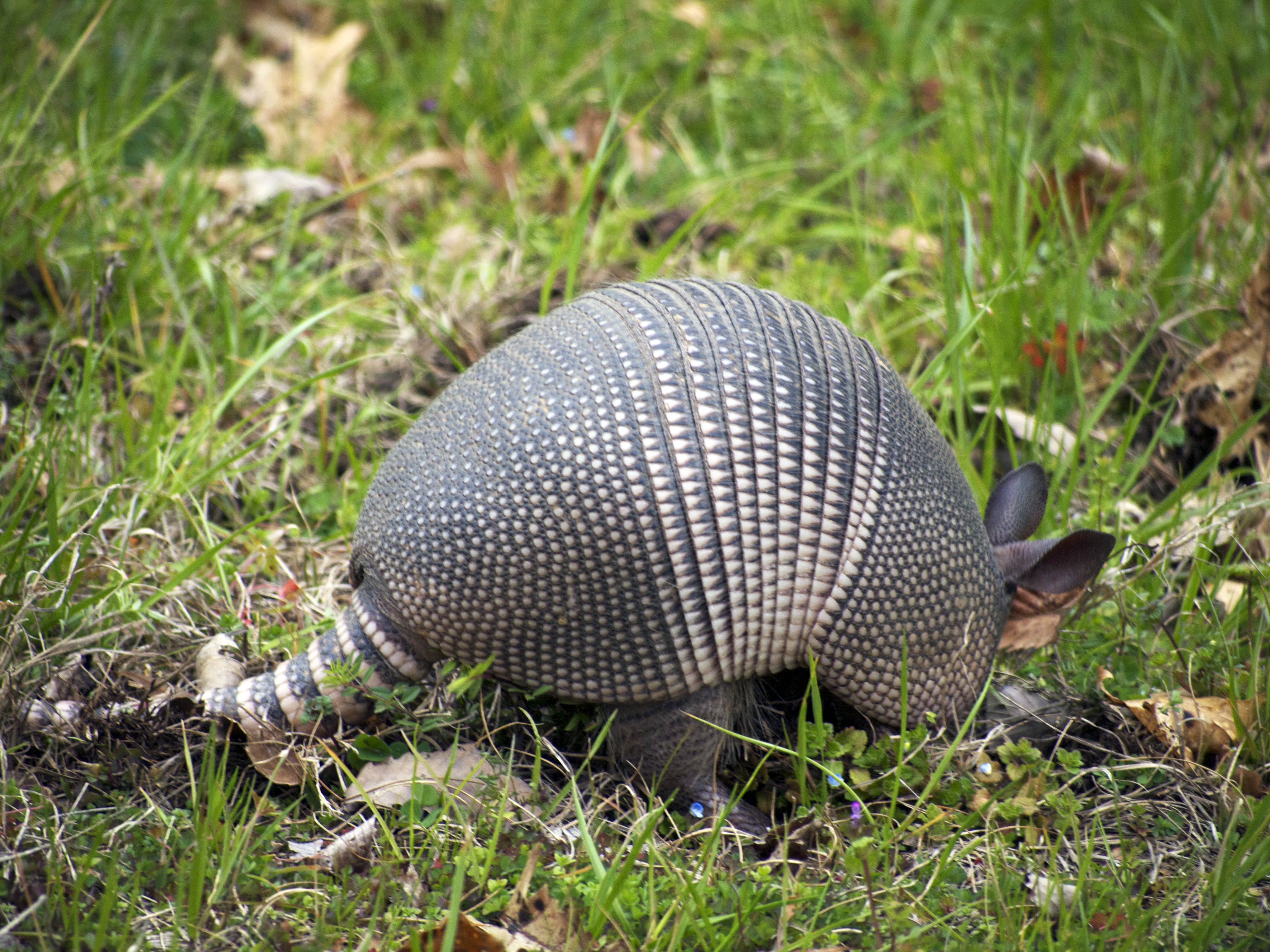
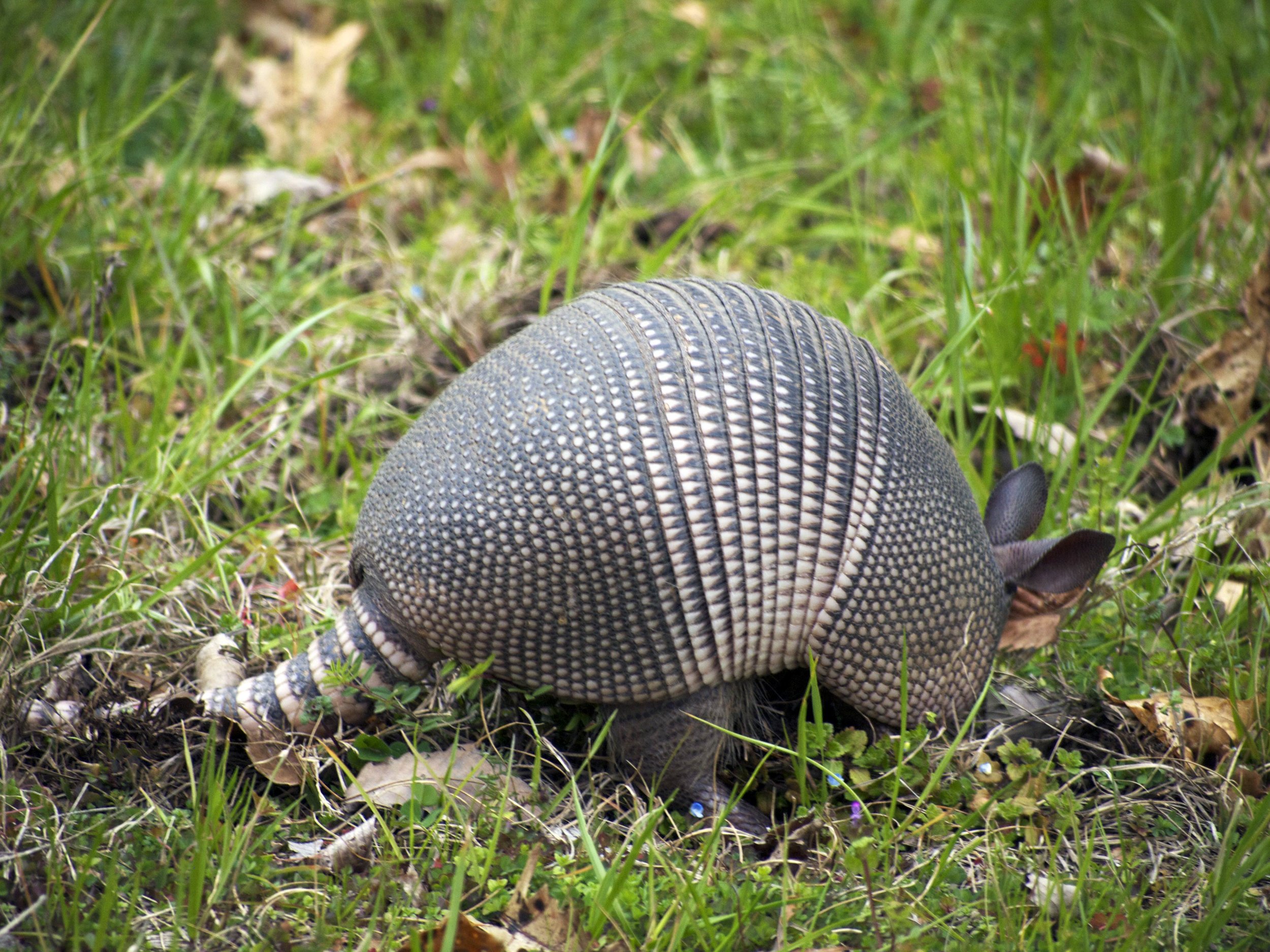
Nine-banded armadillo, Mississippi - Photo by Tim GillerNine-banded armadillo, Mississippi - Photo by Tim Giller

Nine-banded armadillo, Mississippi – Photo by Tim Giller

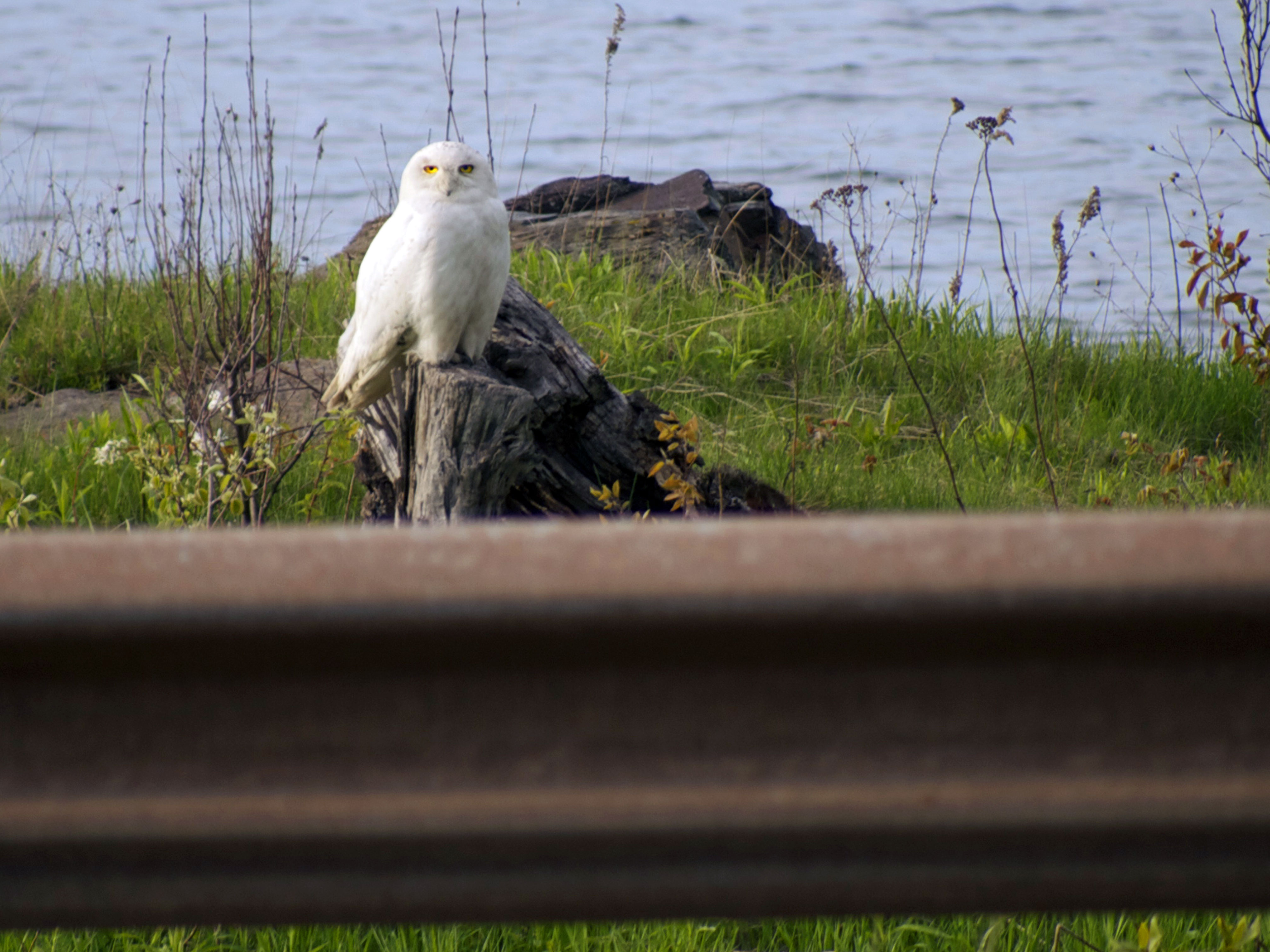
Not all the creatures we hit the brakes for are elusive or easily frightened. Back in Mississippi, in the neatly landscaped roadside of the Natchez Trace we spotted armadillos foraging inches from the road. As we pulled up and put Squatch into neutral one little guy couldn’t be bothered to pull his nose out of the soil in his search of earthworms or whatnot. More recently, while traversing Michigan’s Upper Peninsula an anomalous stately white bird caused Rachael enough excitement that I was compelled to make a u-turn.
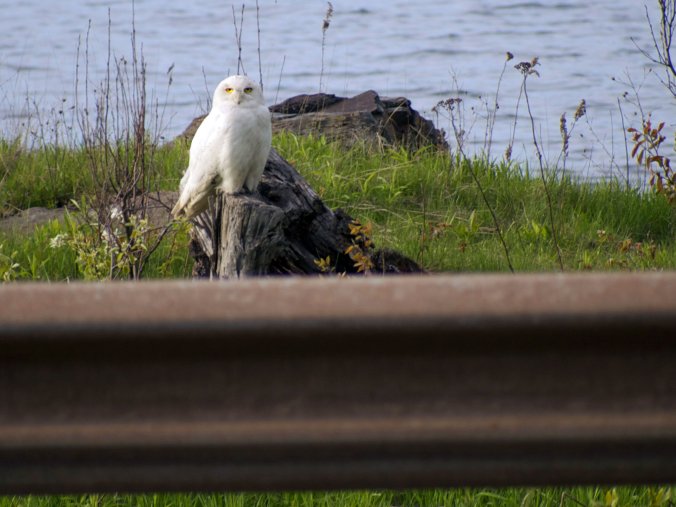
Snowy Owl, Michigan - Photo by Tim GillerSnowy Owl, Michigan - Photo by Tim Giller

Snowy Owl, Michigan – Photo by Tim Giller

I quickly stepped out to the guardrail leaving our little home in idle and the beautiful Snowy Owl could barely be bothered to briefly rotate his head in my direction before calmly returning to his meditative pose.

When we get Little Squatch parked and calmed down for a bit he actually makes a passable wildlife viewing blind. Any number of skittish little birds have wandered up below our large rear window. When the day fades if we leave the interior lights dimmed we can watch and hear the beginnings of the evening prowl heralded by the chorus of coyote. Back in New Mexico we voyeuristically observed the courting and mating of a pair of Great Horned Owls in the grove of cottonwoods we had chosen to camp among. As I write this on a blustery spring morning down a lonely backroad in a remote section of Badlands National Park, a lumbering wooly beast, with an entourage of tag-a-long black birds, has browsed his way over giving our white and orange vessel only the slightest wary glance from its dark eyes.

Bison, South Dakota - Photo by Tim GillerBison, South Dakota - Photo by Tim Giller

Bison, South Dakota – Photo by Tim Giller

The stoic and hefty American Bison have seen their share of hardship. They adapted to all the extremes of North America from dry deserts to the bitter winters of the High Plains. They survived Paleo-hunters when many large mammals like mammoths and short-faced bear could not, even with the technique of coercing them to stampede by the hundreds off of cliffs. Slated to wholesale slaughter for the sake of “opening up” the west, they are still here thanks to conservation efforts and their own hardy stature. Calmly wandering across this open landscape, oblivious to the alarm chirps as they saunter across a Prairie Dog town, they animate the landscape with their 10,000-year gait. Massive heads and shoulders somehow graceful on slender legs when at a gallop. After all that maybe our little relic of the late 1970’s seems quaint to them too.

Natural History of Lil’ Squatch (Part 1)

Lil’ Squatch frightens the birds. At least that’s what Rachael likes to say. I’d like to think that his charisma extends to the animal kingdom but I have to admit that she seems to be right. Countless times we’ve slowed down or pulled over to get a better look at some unknown animal near the road only to have it scamper away at the sight of our strange contraption. Roadside wildlife is often indifferent to the vehicles rolling by, but we’ve seen deer, squirrels and all types of birds do a double take when we round the corner. A staid and well hidden Barred Owl taking flight when we meandered by, Pronghorn dashing off when we break the horizon. I’ve learned that trying to be a naturalist at 50 mph is not very fruitful. Holding binoculars in a moving vehicle can be nausea inducing especially if you are behind the wheel. However, when you’re laying down a lot of backroad highway miles you’ll inevitably see plants and animals that demand a closer look.

Tent Caterpillars, Delmarva Peninsula - Photo by Tim Giller

Tent Caterpillars, Delmarva Peninsula – Photo by Tim Giller

We drove over a 1000 miles in the south before we finally got a close look at a tree with red draping from it in late winter, realizing that it wasn’t old leaves but the flowers and seeds of the Red Maple. Lately it has been the American Larch, a strange deciduous conifer that is unfamiliar in my part of the west. It seems to favor a boggy soil that infrequently lined the road and we breezed out of its range in Minnesota without finding a spot to pull over for one. Earlier this spring a mysterious gauzy web was catching our eyes, wedged in the crotch of certain trees and glowing in the sunlight. A little effort revealed that it was the silk of the Eastern tent caterpillar, an unusual species that gathers by the hundreds for warmth and increased metabolism before going off separately to metamorphose into moths.

Nine-banded armadillo, Mississippi - Photo by Tim Giller

Nine-banded armadillo, Mississippi – Photo by Tim Giller

Not all the creatures we hit the brakes for are elusive or easily frightened. Back in Mississippi, in the neatly landscaped roadside of the Natchez Trace we spotted armadillos foraging inches from the road. As we pulled up and put Squatch into neutral one little guy couldn’t be bothered to pull his nose out of the soil in his search of earthworms or whatnot. More recently, while traversing Michigan’s Upper Peninsula an anomalous stately white bird caused Rachael enough excitement that I was compelled to make a u-turn.

Snowy Owl, Michigan - Photo by Tim Giller

Snowy Owl, Michigan – Photo by Tim Giller

I quickly stepped out to the guardrail leaving our little home in idle and the beautiful Snowy Owl could barely be bothered to briefly rotate his head in my direction before calmly returning to his meditative pose.

When we get Little Squatch parked and calmed down for a bit he actually makes a passable wildlife viewing blind. Any number of skittish little birds have wandered up below our large rear window. When the day fades if we leave the interior lights dimmed we can watch and hear the beginnings of the evening prowl heralded by the chorus of coyote. Back in New Mexico we voyeuristically observed the courting and mating of a pair of Great Horned Owls in the grove of cottonwoods we had chosen to camp among. As I write this on a blustery spring morning down a lonely backroad in a remote section of Badlands National Park, a lumbering wooly beast, with an entourage of tag-a-long black birds, has browsed his way over giving our white and orange vessel only the slightest wary glance from its dark eyes.

Bison, South Dakota - Photo by Tim Giller

Bison, South Dakota – Photo by Tim Giller

The stoic and hefty American Bison have seen their share of hardship. They adapted to all the extremes of North America from dry deserts to the bitter winters of the High Plains. They survived Paleo-hunters when many large mammals like mammoths and short-faced bear could not, even with the technique of coercing them to stampede by the hundreds off of cliffs. Slated to wholesale slaughter for the sake of “opening up” the west, they are still here thanks to conservation efforts and their own hardy stature. Calmly wandering across this open landscape, oblivious to the alarm chirps as they saunter across a Prairie Dog town, they animate the landscape with their 10,000-year gait. Massive heads and shoulders somehow graceful on slender legs when at a gallop. After all that maybe our little relic of the late 1970’s seems quaint to them too.


Obscured

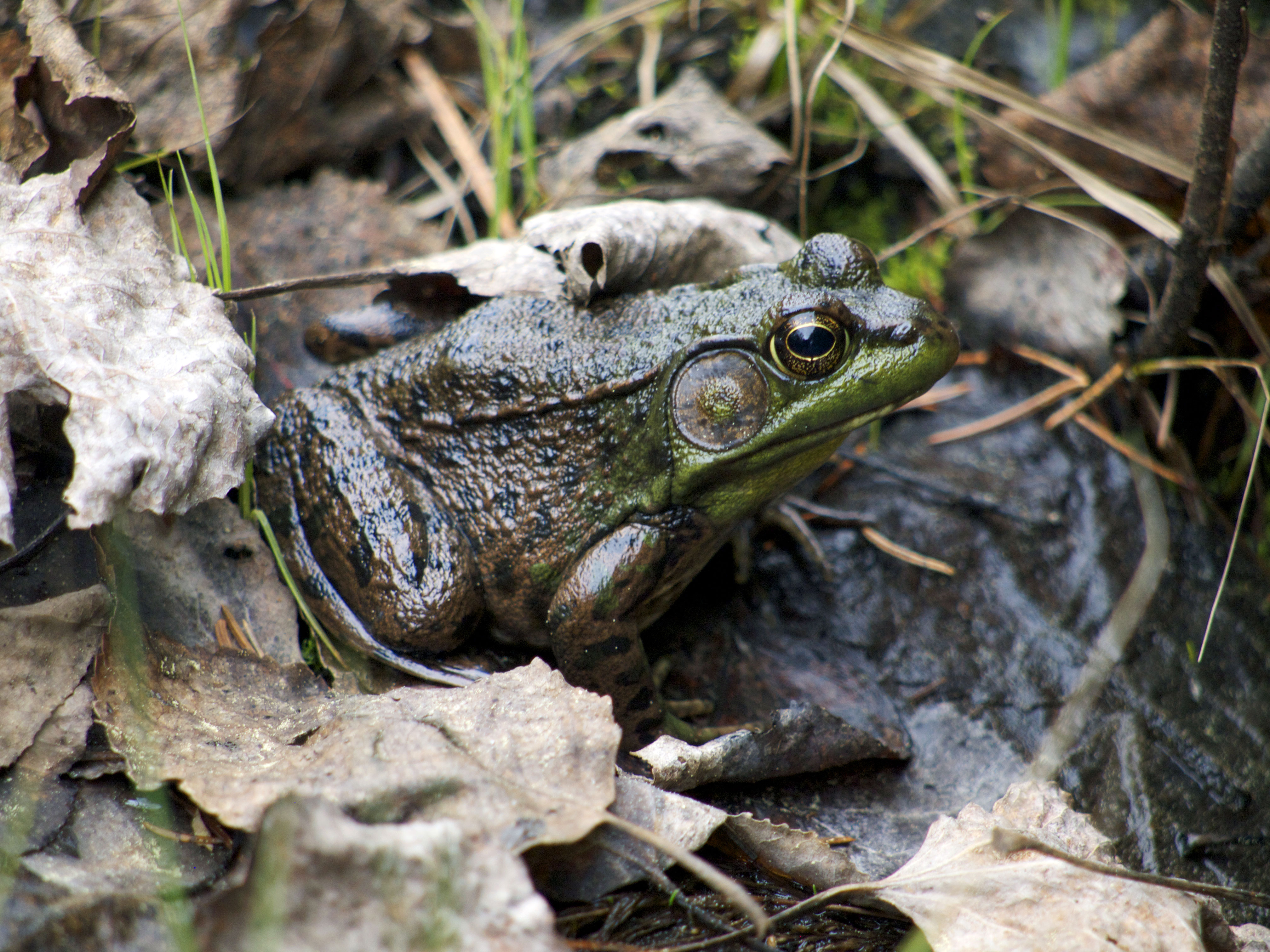
Frog, Algonquin P.P. Ontario - Photo by Tim GillerFrog, Algonquin P.P. Ontario - Photo by Tim Giller

Frog, Algonquin P.P. Ontario – Photo by Tim Giller

If I didn’t know any better I’d say that we’d just heard somebody trying to start a lawnmower. The nearest lawn must be at least 30 miles away and I couldn’t imagine anyone dragging a mower deep into this dense forest, but Canadians have their own way of doing things so who knows? An abrupt “thrufp, thrufp, thrufp” from the opposite side of the trail made Rachael jump as I got just a glimpse of some sort of wild-chicken-bird maneuvering through the impenetrable trees. Wildlife is so often experienced as that thing you know to be there but is just beyond your resolution. A sound, a footprint, scat, clues to the existence of a being that chooses to remain hidden. I could see how legends begin of creatures lurking in forests or skulking beneath waves, showing themselves only long enough to leave a startled impression in our minds that may grow with each retelling into a full scale beast worthy of a folk tale. We strained our eyes through trees too closely packed to venture into but this creature had vanished, blending into its surroundings leaving us to our imaginations. Later research led us to the Ruffed Grouse and the motor sound was a male drumming its wings to impress the ladies. I was kind of impressed myself.

Algonquin Provincial Park in Ontario has no doubt produced many wildlife encounters for its visitors. It’s a place where the dark spruces of the northern boreal forest blend with the deciduous eastern hardwoods in a thick mosaic of trees. These trees surround an extensive network of lakes and streams most commonly traversed by canoe, a classic Canadian wildland that supports moose, black bear, beaver and hundreds of wolves. It also has some smaller creatures and we could hear them. We kept seeing them out of the corner of our eyes leaping into the trailside ponds as we walked by. We had to be looking right at them. They would jump from under our noses just when we thought nothing was there. I was just looking at that spot. Getting down on our hands and knees, peering into the pond at mysterious gelatinous egg sacks one swam right up to me. This bronze frog and I looked into each others eyes for just a moment before it realized its mistake and dove away, hiding under the leaf litter which covered the sandy bottom of this tea colored pool. I learned what we were looking for and now I could spot them. I had to attempt their game of being very still first and then scanning the water’s edge. It’s a game I couldn’t win but I was able to score a few points. They were literally a still as stones, blending in with skin the texture of moist rock and the color of wet leaves, holding their amphibian breath.

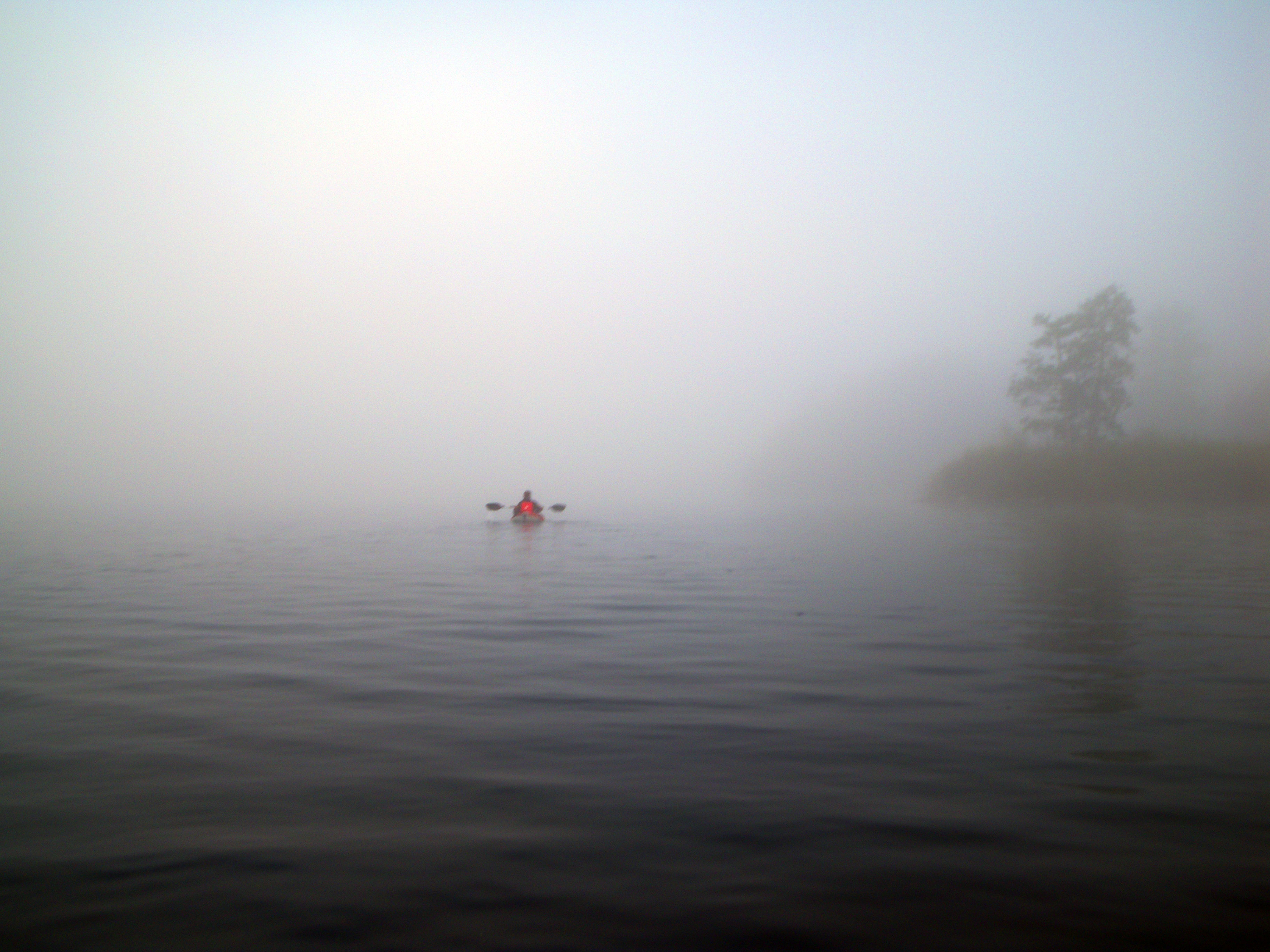
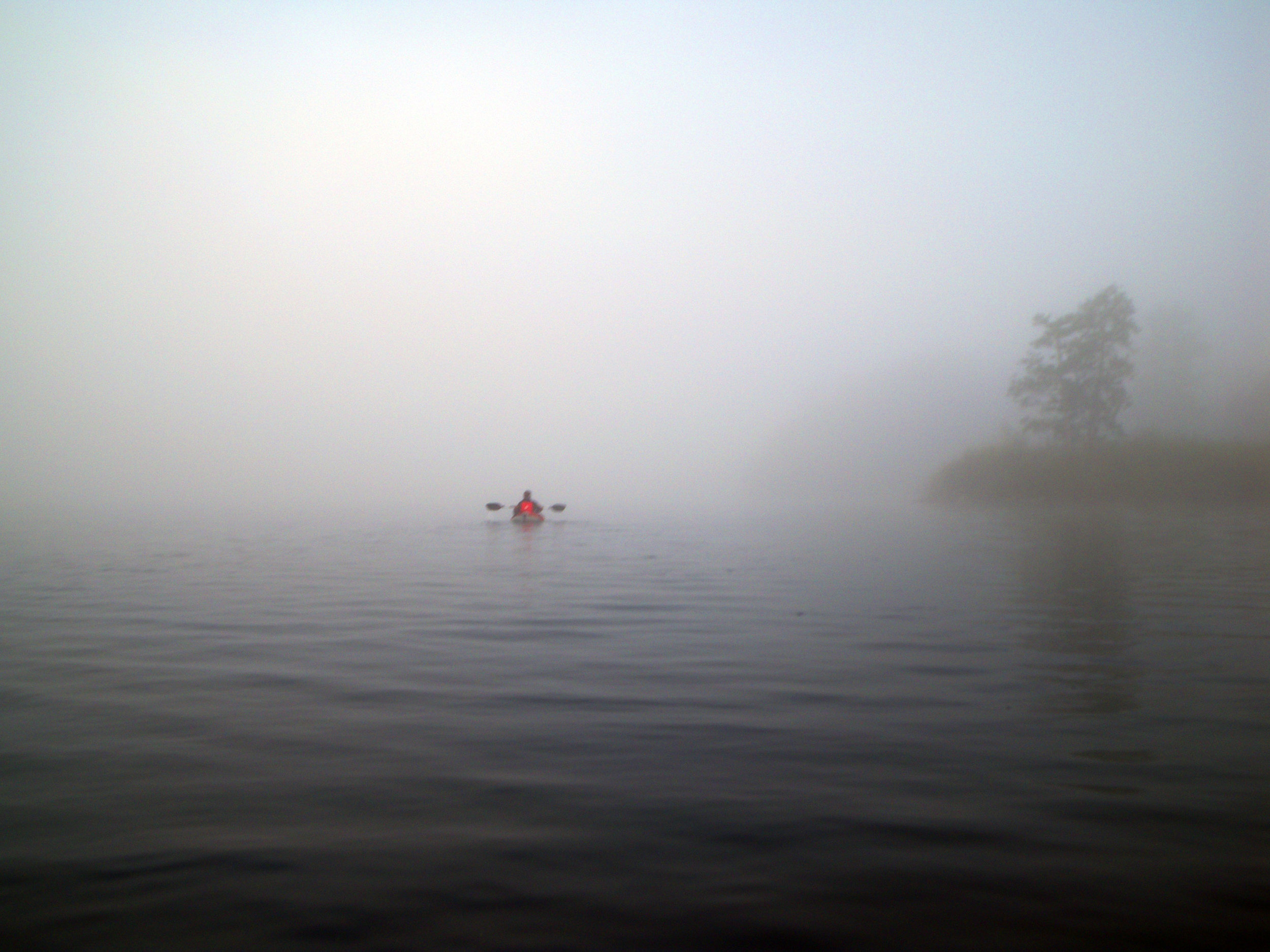
Lake Kioshkokwi - Photo By Tim GillerLake Kioshkokwi - Photo By Tim Giller

Lake Kioshkokwi – Photo By Tim Giller

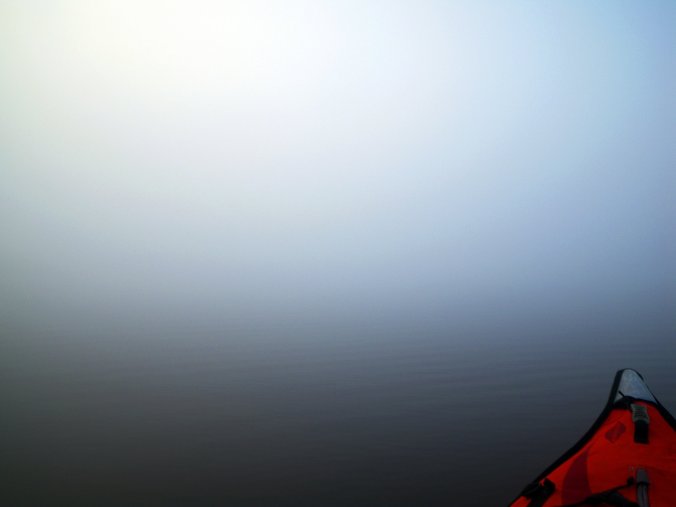
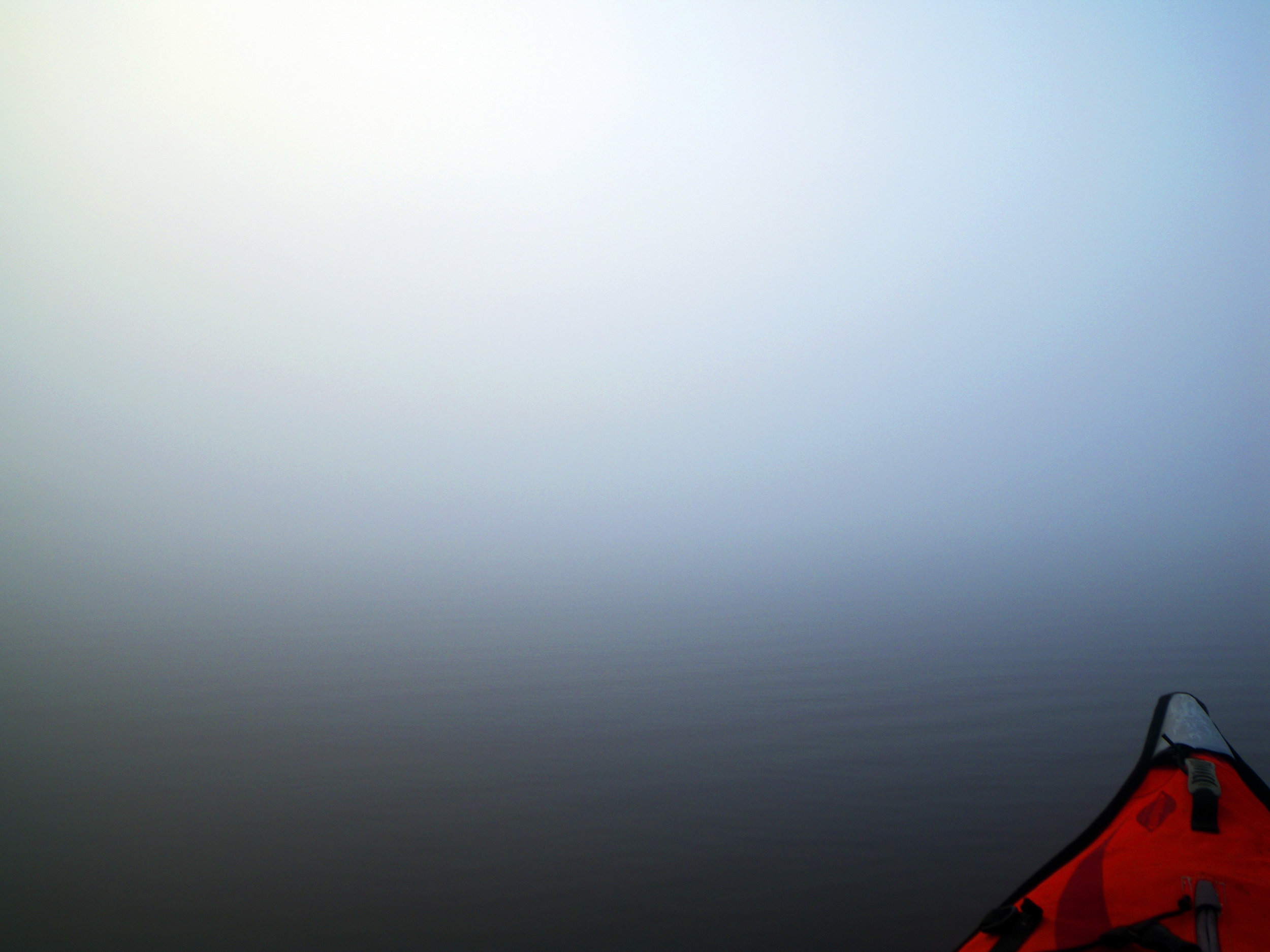
The next morning before dawn as we creased the glassy surface of Lake Kioshkokwi with our kayaks there were almost no clues to what wildlife might be surrounding us. The fish that had been breaking the surface the evening before were now still. The insects had been subdued by the chill. With a heavy fog settled on the lake there was little chance of seeing anything. As we paddled further onto the lake even the shoreline became obscured and the sun was not yet high enough to penetrate the mist. In this dim light the world became an undifferentiated landscape of grey water blending into grey air. And it was quiet. Except for the birds. I first noticed the hammering of a woodpecker who had found a resonant tree, most likely a large long-dead snag and it sent a strong base drum beat across the water. The growing daylight brings the chorus of birdsong. My novice ear could pick out just a few, a Swainson’s thrush, the gulls. What I longed to hear was the eerie sound of the loon. Some creatures clearly evoke more mystery than others and have more spiritual power. The call of a loon on a northern lake has the impact of seeing the Milky Way after months under urban lights. Without knowing anymore than what you are immediately experiencing, you can feel vastness. We intuitively know that the heavens are much larger than our earthbound existence just as the cry of this lovely bird hits some note within us confirming that there are ancient languages beyond our imagination. For innumerable summers these birds have returned north to find a lake to grace with their call. We knew they were out there sequestered nearby on some fogbound bay. We had seen a mated pair on their evening rounds the two previous nights. They cruised past our campsite keeping each other company as they dove for fish. Their calls had put us to bed. They were silent this morning but at least we were confident they were out there beyond our vision. Theirs is a sound that no matter how many times you’ve heard it you’ll long to hear it just once more.

Ruffed Grouse sound: http://www.allaboutbirds.org/guide/Ruffed_Grouse/sounds

Common Loon Sound: http://www.allaboutbirds.org/guide/common_loon/sounds

Lake Kioshkokwi - Photo By Tim GillerLake Kioshkokwi - Photo By Tim Giller

Lake Kioshkokwi – Photo By Tim Giller

Obscured

If I didn’t know any better I’d say that we’d just heard somebody trying to start a lawnmower. The nearest lawn must be at least 30 miles away and I couldn’t imagine anyone dragging a mower deep into this dense forest, but Canadians have their own way of doing things so who knows? An abrupt “thrufp, thrufp, thrufp” from the opposite side of the trail made Rachael jump as I got just a glimpse of some sort of wild-chicken-bird maneuvering through the impenetrable trees. Wildlife is so often experienced as that thing you know to be there but is just beyond your resolution. A sound, a footprint, scat, clues to the existence of a being that chooses to remain hidden. I could see how legends begin of creatures lurking in forests or skulking beneath waves, showing themselves only long enough to leave a startled impression in our minds that may grow with each retelling into a full scale beast worthy of a folk tale. We strained our eyes through trees too closely packed to venture into but this creature had vanished, blending into its surroundings leaving us to our imaginations. Later research led us to the Ruffed Grouse and the motor sound was a male drumming its wings to impress the ladies. I was kind of impressed myself.

Frog, Algonquin P.P. Ontario - Photo by Tim Giller

Frog, Algonquin P.P. Ontario – Photo by Tim Giller

Algonquin Provincial Park in Ontario has no doubt produced many wildlife encounters for its visitors. It’s a place where the dark spruces of the northern boreal forest blend with the deciduous eastern hardwoods in a thick mosaic of trees. These trees surround an extensive network of lakes and streams most commonly traversed by canoe, a classic Canadian wildland that supports moose, black bear, beaver and hundreds of wolves. It also has some smaller creatures and we could hear them. We kept seeing them out of the corner of our eyes leaping into the trailside ponds as we walked by. We had to be looking right at them. They would jump from under our noses just when we thought nothing was there. I was just looking at that spot. Getting down on our hands and knees, peering into the pond at mysterious gelatinous egg sacks one swam right up to me. This bronze frog and I looked into each others eyes for just a moment before it realized its mistake and dove away, hiding under the leaf litter which covered the sandy bottom of this tea colored pool. I learned what we were looking for and now I could spot them. I had to attempt their game of being very still first and then scanning the water’s edge. It’s a game I couldn’t win but I was able to score a few points. They were literally a still as stones, blending in with skin the texture of moist rock and the color of wet leaves, holding their amphibian breath.

Lake Kioshkokwi - Photo By Tim Giller

Lake Kioshkokwi – Photo By Tim Giller

The next morning before dawn as we creased the glassy surface of Lake Kioshkokwi with our kayaks there were almost no clues to what wildlife might be surrounding us. The fish that had been breaking the surface the evening before were now still. The insects had been subdued by the chill. With a heavy fog settled on the lake there was little chance of seeing anything. As we paddled further onto the lake even the shoreline became obscured and the sun was not yet high enough to penetrate the mist. In this dim light the world became an undifferentiated landscape of grey water blending into grey air. And it was quiet. Except for the birds. I first noticed the hammering of a woodpecker who had found a resonant tree, most likely a large long-dead snag and it sent a strong base drum beat across the water. The growing daylight brings the chorus of birdsong. My novice ear could pick out just a few, a Swainson’s thrush, the gulls. What I longed to hear was the eerie sound of the loon. Some creatures clearly evoke more mystery than others and have more spiritual power. The call of a loon on a northern lake has the impact of seeing the Milky Way after months under urban lights. Without knowing anymore than what you are immediately experiencing, you can feel vastness. We intuitively know that the heavens are much larger than our earthbound existence just as the cry of this lovely bird hits some note within us confirming that there are ancient languages beyond our imagination. For innumerable summers these birds have returned north to find a lake to grace with their call. We knew they were out there sequestered nearby on some fogbound bay. We had seen a mated pair on their evening rounds the two previous nights. They cruised past our campsite keeping each other company as they dove for fish. Their calls had put us to bed. They were silent this morning but at least we were confident they were out there beyond our vision. Theirs is a sound that no matter how many times you’ve heard it you’ll long to hear it just once more.

Ruffed Grouse sound: http://www.allaboutbirds.org/guide/Ruffed_Grouse/sounds

Common Loon Sound: http://www.allaboutbirds.org/guide/common_loon/sounds

Lake Kioshkokwi - Photo By Tim Giller

Lake Kioshkokwi – Photo By Tim Giller

Busy Bodies

Photo by Tim GillerPhoto by Tim Giller

Photo by Tim Giller

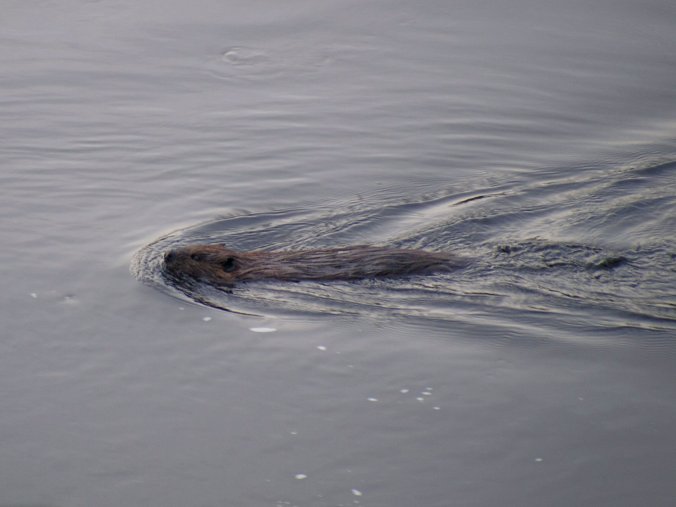
By the time my eyes landed on the movement in the water that Tim had pointed to it slapped it’s tail and dove under the water. After a few minutes the head reemerged and kept it’s course up the chocolate milk water of the Green River in Canyonlands National Park. We were out for a five day float and, ignorantly, a beaver is the last wild animal I had expected to see in this expanse of desert. Previously, I had tried in vain to see the beaver family that had taken up residence in downtown Martinez, CA. They caused quite a stir one year when the flooding from their dam almost reached the local shops’ doorways. After we learned that there was a very active little beaver near Sagehen Creek Field Station, where we camped for our California Naturalists class last summer, Tim and I made a point to get out to the valley early before breakfast to see if we could catch a glimpse before they burrowed in for the day. It was easy enough to find the fresh cut stumps along the stream’s path, the many willow branches that had fallen off his haul while being dragged towards the beaver’s lodges or dams and the watery game trails meant to keep him safe in the water where they can keep a steady 6-mph clip with their oil slicked fur and webbed back feet. Once we felt confident that we had found the most active spot we settled in for a quiet wait to no avail. The next morning we aimed even earlier and copped a squat. For a brief fleeting moment we saw a little brown head skimming the water before it dove back down.

DamDam

Dam

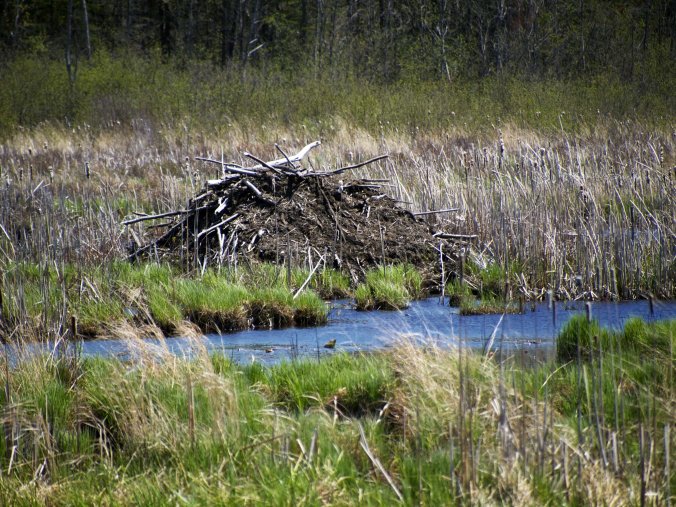
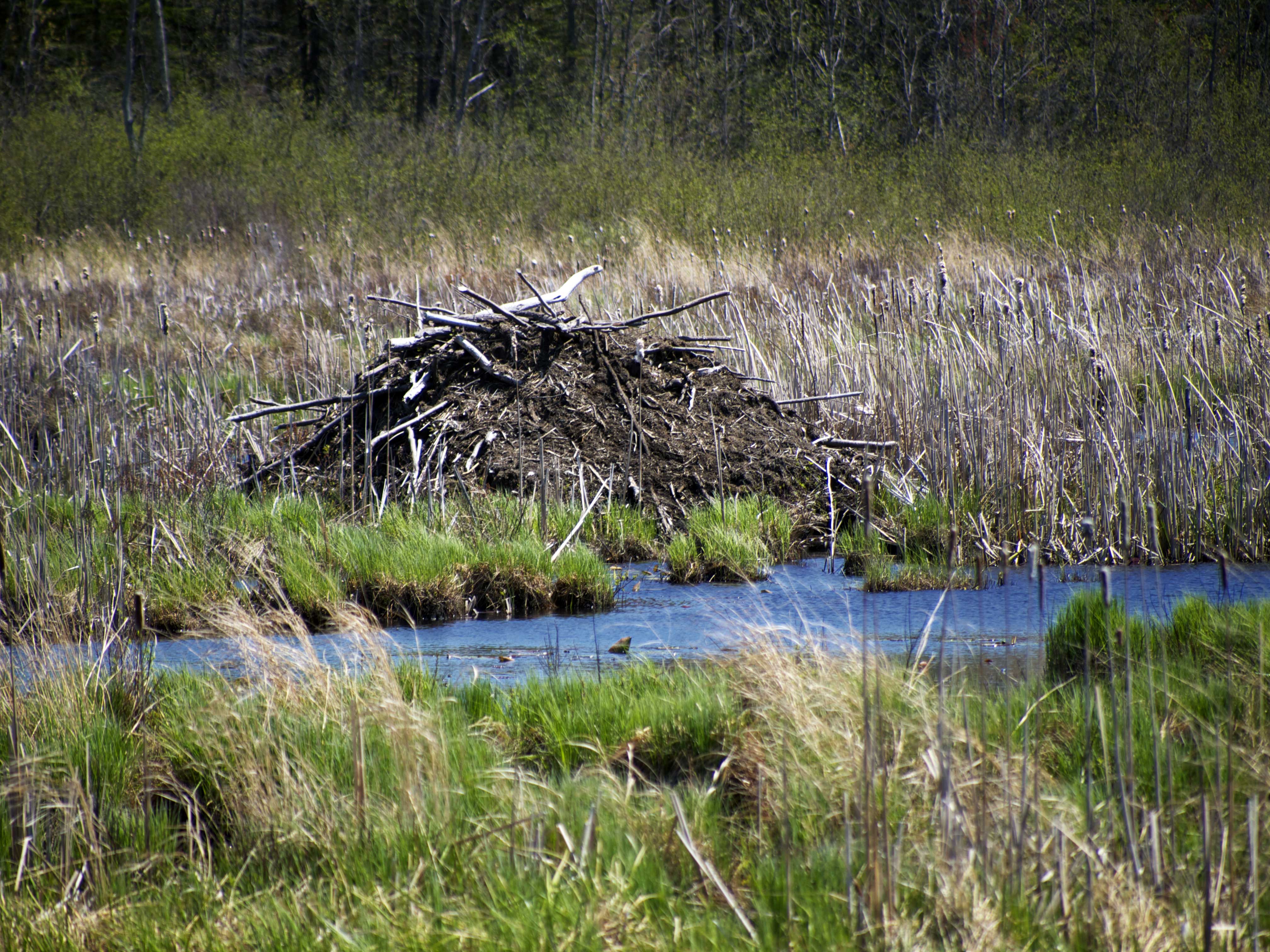
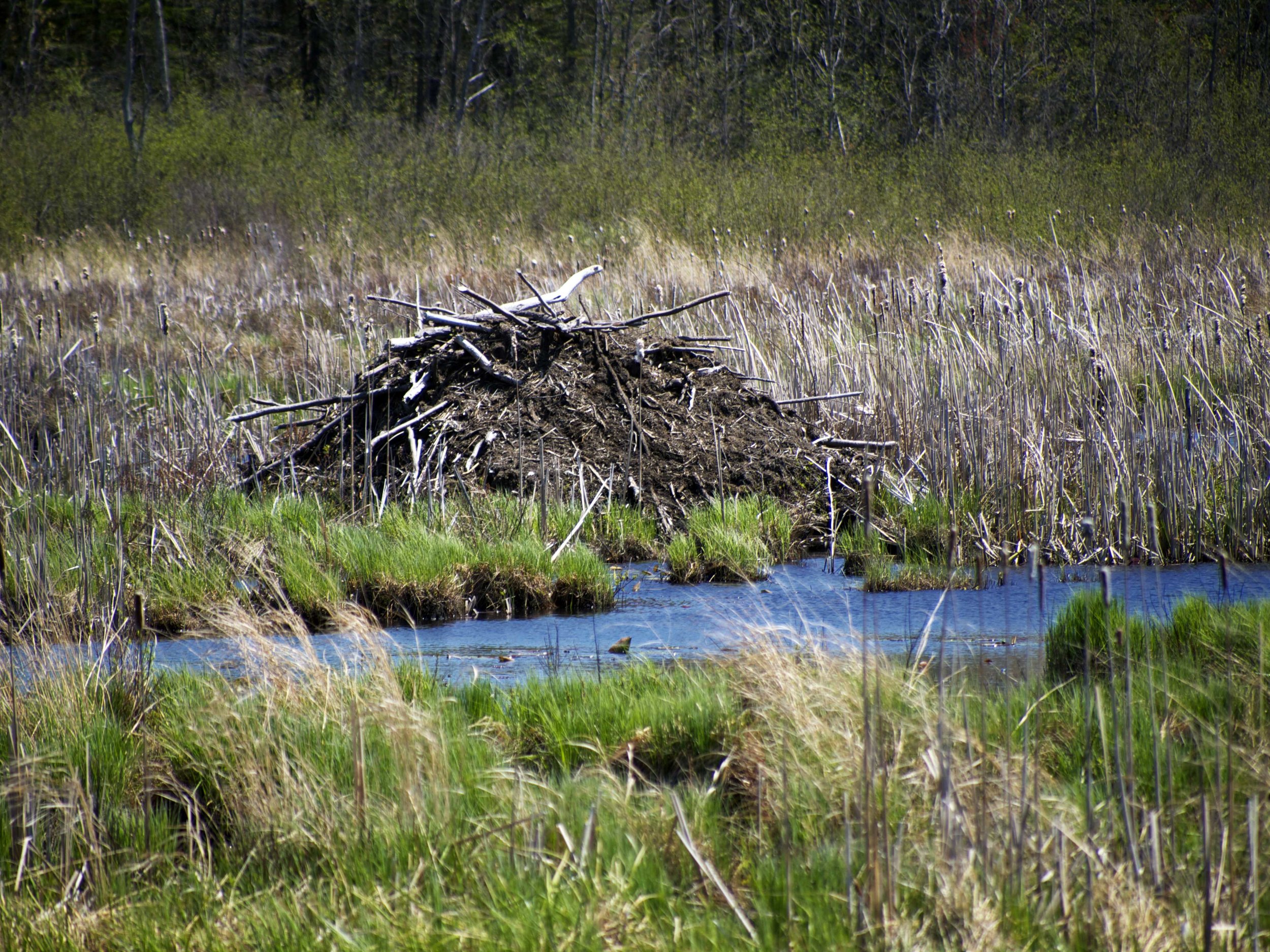
Beavers are perfectly designed for their watery life with clear membranes to protect their eyes and valves to close their ears and nostrils. They also have skin flaps to seal their mouths around their front incisors so that they can still carry branches while under water. Amazingly they can stay under water for a full 15 minutes before needing to come up for air. Vigilant and accomplished engineers the beaver builds dams (some up to 100ft long!) along streams and rivers to slow the water for both protecting the lodge down river and to mellow and deepen the water for better swimming. Beavers play a vital role in creating meadows by this backing up of the water. The meadows keep the trees from filling in or it kills them off by drowning them out. The meadows and pools are habitat for insects and aquatic plants. Fish and frogs eat the insects, moose and fowl eat the aquatic plants. The fish and frogs are also a food source for predatory birds. The lodges themselves are masterfully designed usually with two water entrances not only for them to come and go safely but it makes for a good swimming hole for baby beavers, who take to the water within an hour of being born. Having a second hole makes for an easy exit should the beaver’s #1 predator, the river otter, make an appearance.

Like many thick furred animals they were hunted in astounding numbers during a time when beaver fur was quite the fashion. Beavers are a great come back story in that, with protection and reintroduction, they have managed since the 1940’s to fill back in their original North American range. To the point where some consider them a pest of sorts. The range is massive. They can be found in almost all of Canada and the US except most of Florida, Nevada, Southern California and the tree-less tundra of the north.

Most likely because of their initial abundance the beaver started showing up on everything from the first Canadian coat of arms to magazine titles. In 1975 Canada bestowed the beaver the honor of becoming an official symbol of their sovereignty. Driving along highway 17 from Ottawa to Sault Ste Marie we point out a lodge to each other every km or so. Thankfully we didn’t see any roadside, if you catch my drift. Walking along the River Aux Sable from our campsite at Chutes Provincial Park I catch a swirl of brown fur in the water below the hill we’re standing on. Tim catches it at the same time and we still our pace and sort of hide amongst the trees hoping it’ll pop back up with us unnoticed. Sure enough after a few patient minutes there’s our beaver chug, chug, chugging up the river. One could easily see his little paddle slipping slightly from side to side to steer his course. At one point he moves past a branch and then doubles back to check it out before moving on again. It seemed it was more the effort of trying to avoid notice while moving up river and not our “camouflaging” in the trees that had him paying us no nevermind. He didn’t even seem fazed much by the ruckus of the folks camped out in the group camp, there to enjoy celebrating the “May long weekend” rather than really take in the nature swimming right past them. After several minutes we moved on not wanting to stress him out, after all his night was just beginning and as beaver nights go he surely had a lot of work to do.

Beavers are still trapped, mostly for a food source. Those that know say the meat is tasty and the paddle is considered a delicacy. I have a lot of respect for those that are able to feed themselves off what the land provides them, and make use of all the parts. Still though when I found myself running my fingers through a magnificently thick and soft beaver pelt hung up for sale in a small town supply store in the U.P. the very next day, I couldn’t help but feel conflicted about the life that once was. I guess I have an extra soft spot for nature’s engineers.

Busy Bodies

Photo by Tim Giller

Photo by Tim Giller

By the time my eyes landed on the movement in the water that Tim had pointed to it slapped it’s tail and dove under the water. After a few minutes the head reemerged and kept it’s course up the chocolate milk water of the Green River in Canyonlands National Park. We were out for a five day float and, ignorantly, a beaver is the last wild animal I had expected to see in this expanse of desert. Previously, I had tried in vain to see the beaver family that had taken up residence in downtown Martinez, CA. They caused quite a stir one year when the flooding from their dam almost reached the local shops’ doorways. After we learned that there was a very active little beaver near Sagehen Creek Field Station, where we camped for our California Naturalists class last summer, Tim and I made a point to get out to the valley early before breakfast to see if we could catch a glimpse before they burrowed in for the day. It was easy enough to find the fresh cut stumps along the stream’s path, the many willow branches that had fallen off his haul while being dragged towards the beaver’s lodges or dams and the watery game trails meant to keep him safe in the water where they can keep a steady 6-mph clip with their oil slicked fur and webbed back feet. Once we felt confident that we had found the most active spot we settled in for a quiet wait to no avail. The next morning we aimed even earlier and copped a squat. For a brief fleeting moment we saw a little brown head skimming the water before it dove back down.

Dam

Beaver Lodge – By Tim Giller

Beavers are perfectly designed for their watery life with clear membranes to protect their eyes and valves to close their ears and nostrils. They also have skin flaps to seal their mouths around their front incisors so that they can still carry branches while under water. Amazingly they can stay under water for a full 15 minutes before needing to come up for air. Vigilant and accomplished engineers the beaver builds dams (some up to 100ft long!) along streams and rivers to slow the water for both protecting the lodge down river and to mellow and deepen the water for better swimming. Beavers play a vital role in creating meadows by this backing up of the water. The meadows keep the trees from filling in or it kills them off by drowning them out. The meadows and pools are habitat for insects and aquatic plants. Fish and frogs eat the insects, moose and fowl eat the aquatic plants. The fish and frogs are also a food source for predatory birds. The lodges themselves are masterfully designed usually with two water entrances not only for them to come and go safely but it makes for a good swimming hole for baby beavers, who take to the water within an hour of being born. Having a second hole makes for an easy exit should the beaver’s #1 predator, the river otter, make an appearance.

Like many thick furred animals they were hunted in astounding numbers during a time when beaver fur was quite the fashion. Beavers are a great come back story in that, with protection and reintroduction, they have managed since the 1940’s to fill back in their original North American range. To the point where some consider them a pest of sorts. The range is massive. They can be found in almost all of Canada and the US except most of Florida, Nevada, Southern California and the tree-less tundra of the north.

Most likely because of their initial abundance the beaver started showing up on everything from the first Canadian coat of arms to magazine titles. In 1975 Canada bestowed the beaver the honor of becoming an official symbol of their sovereignty. Driving along highway 17 from Ottawa to Sault Ste Marie we point out a lodge to each other every km or so. Thankfully we didn’t see any roadside, if you catch my drift. Walking along the River Aux Sable from our campsite at Chutes Provincial Park I catch a swirl of brown fur in the water below the hill we’re standing on. Tim catches it at the same time and we still our pace and sort of hide amongst the trees hoping it’ll pop back up with us unnoticed. Sure enough after a few patient minutes there’s our beaver chug, chug, chugging up the river. One could easily see his little paddle slipping slightly from side to side to steer his course. At one point he moves past a branch and then doubles back to check it out before moving on again. It seemed it was more the effort of trying to avoid notice while moving up river and not our “camouflaging” in the trees that had him paying us no nevermind. He didn’t even seem fazed much by the ruckus of the folks camped out in the group camp, there to enjoy celebrating the “May long weekend” rather than really take in the nature swimming right past them. After several minutes we moved on not wanting to stress him out, after all his night was just beginning and as beaver nights go he surely had a lot of work to do.

Beavers are still trapped, mostly for a food source. Those that know say the meat is tasty and the paddle is considered a delicacy. I have a lot of respect for those that are able to feed themselves off what the land provides them, and make use of all the parts. Still though when I found myself running my fingers through a magnificently thick and soft beaver pelt hung up for sale in a small town supply store in the U.P. the very next day, I couldn’t help but feel conflicted about the life that once was. I guess I have an extra soft spot for nature’s engineers.

Nature Lab

Lab1Lab1

Lab1

Lab11Lab11

Lab11

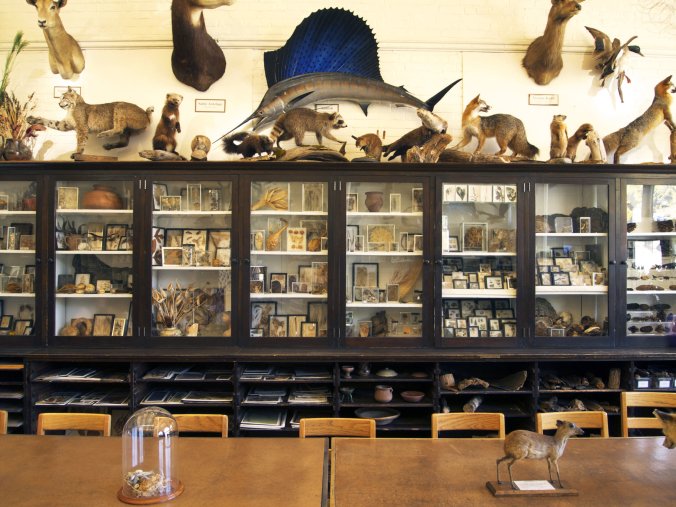
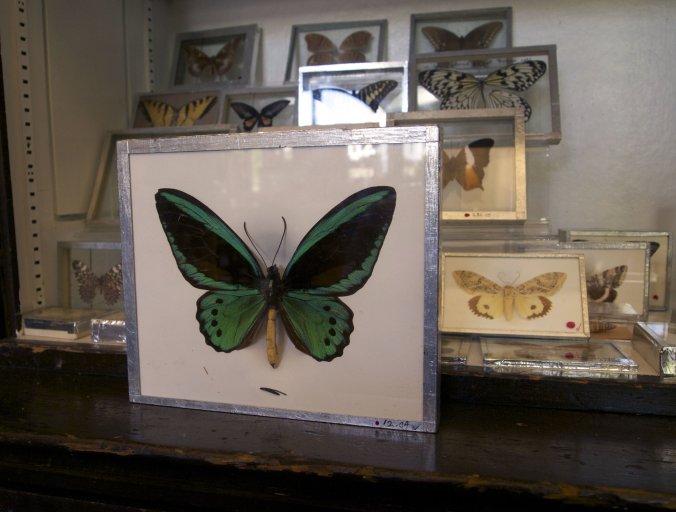
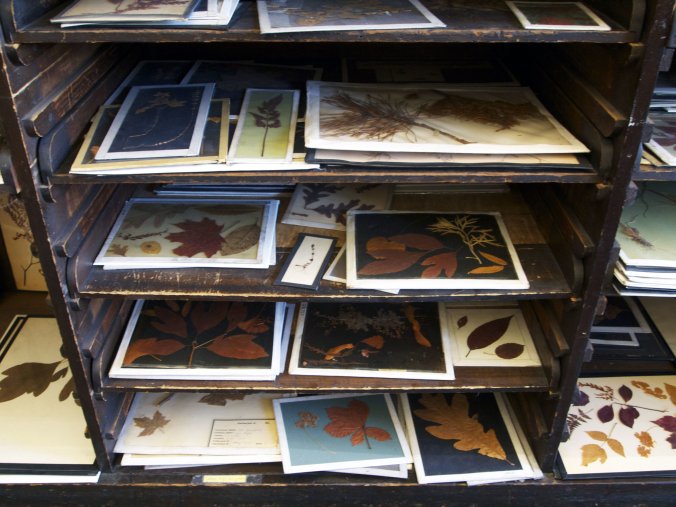
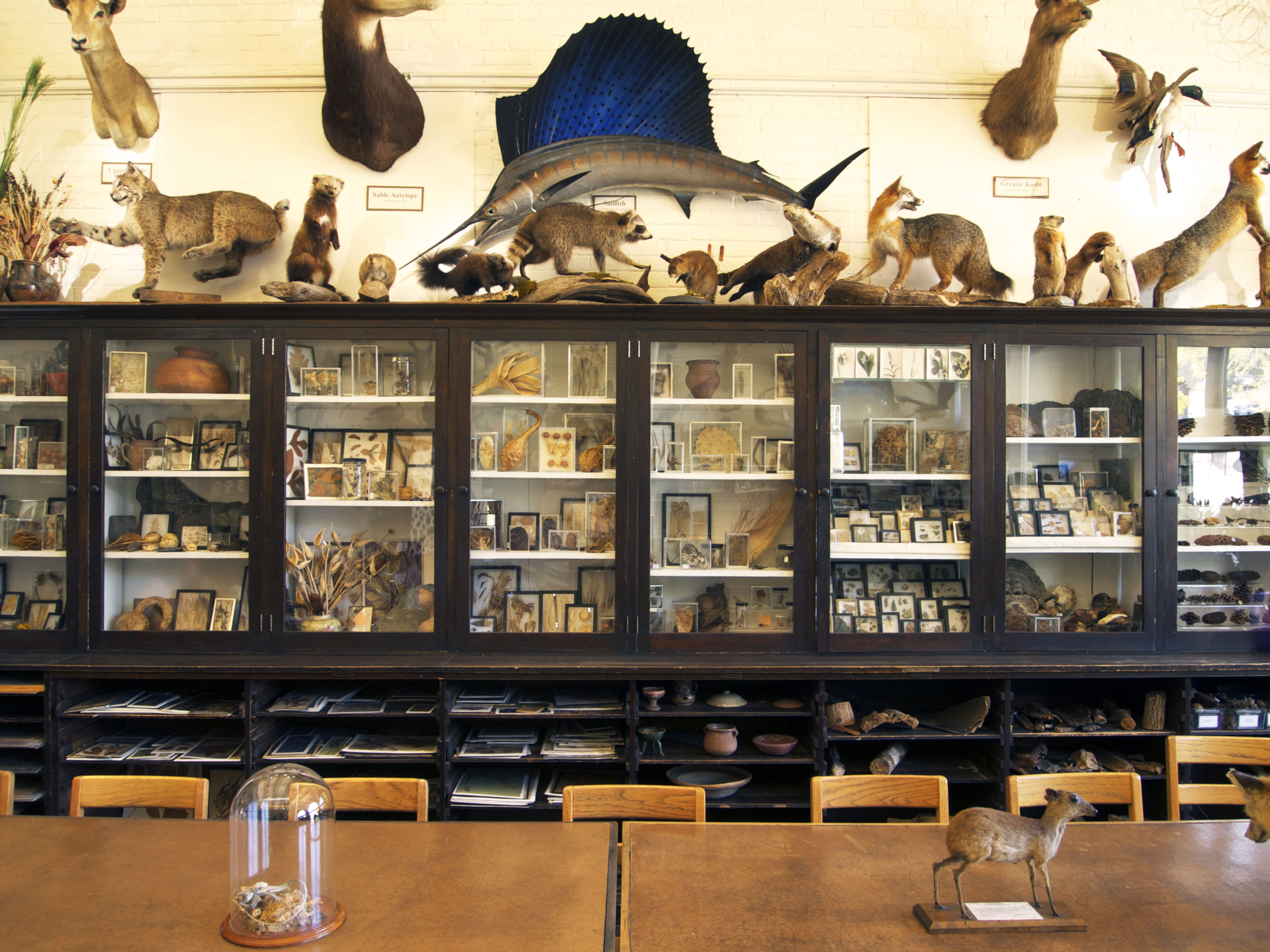
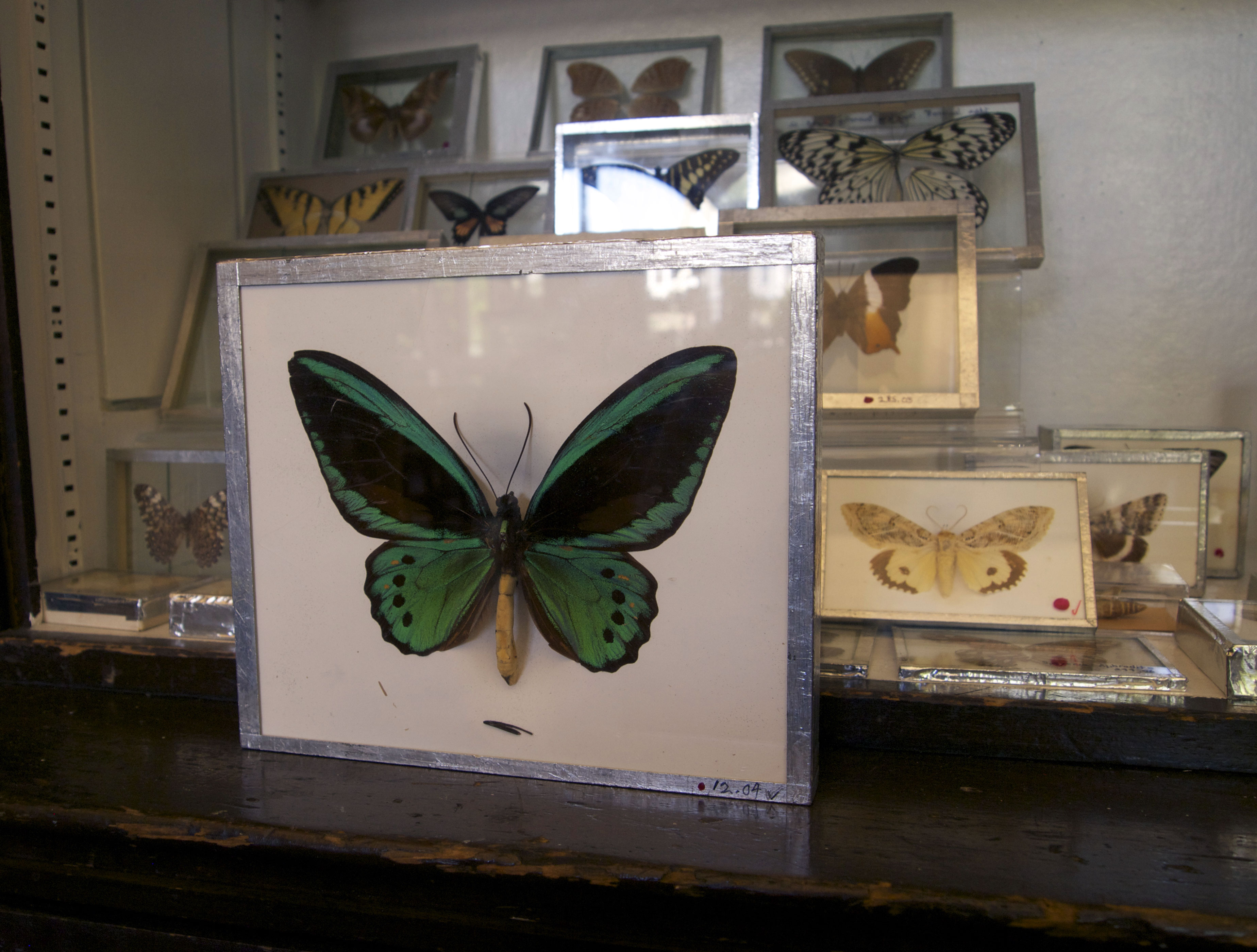
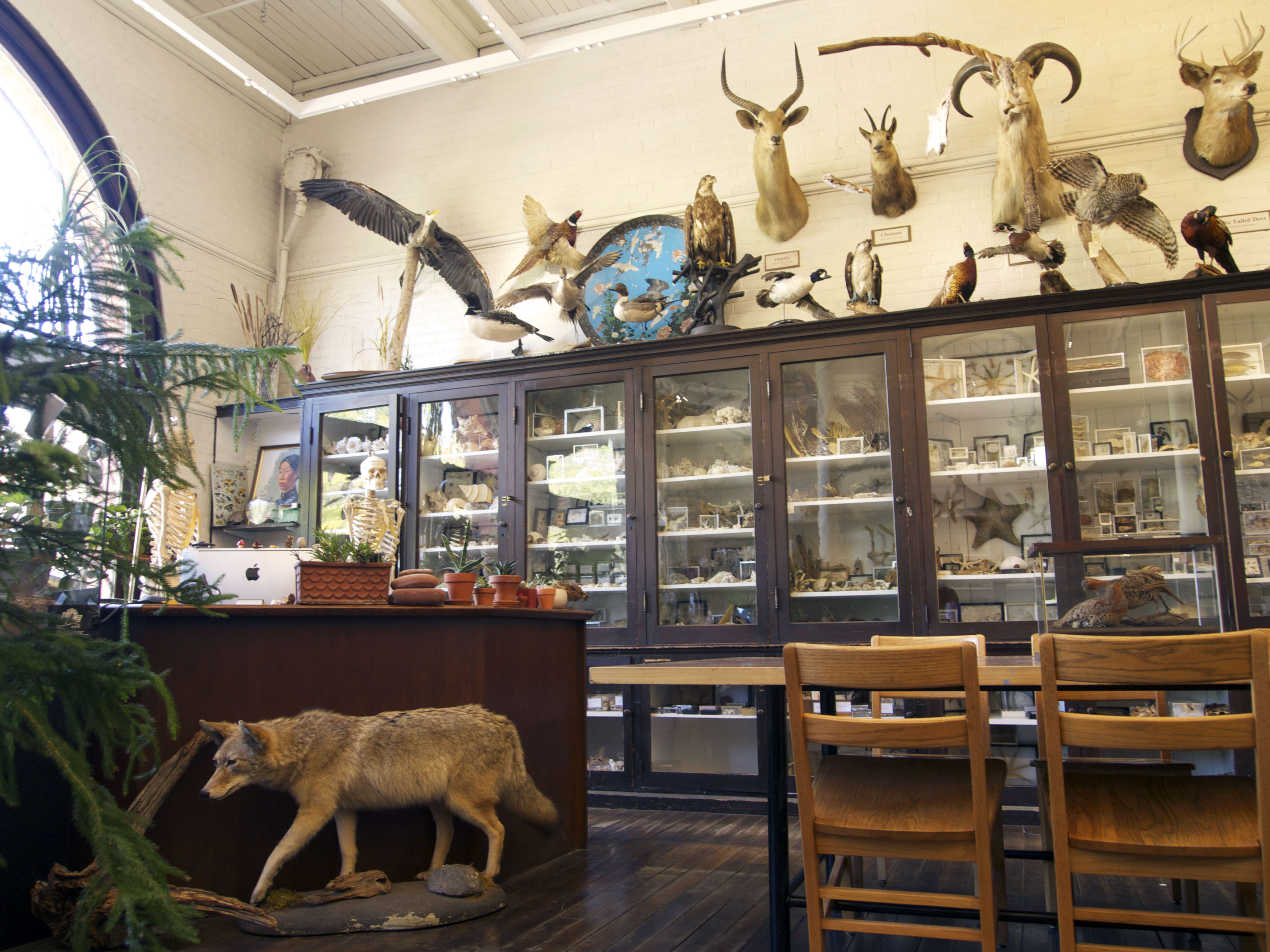
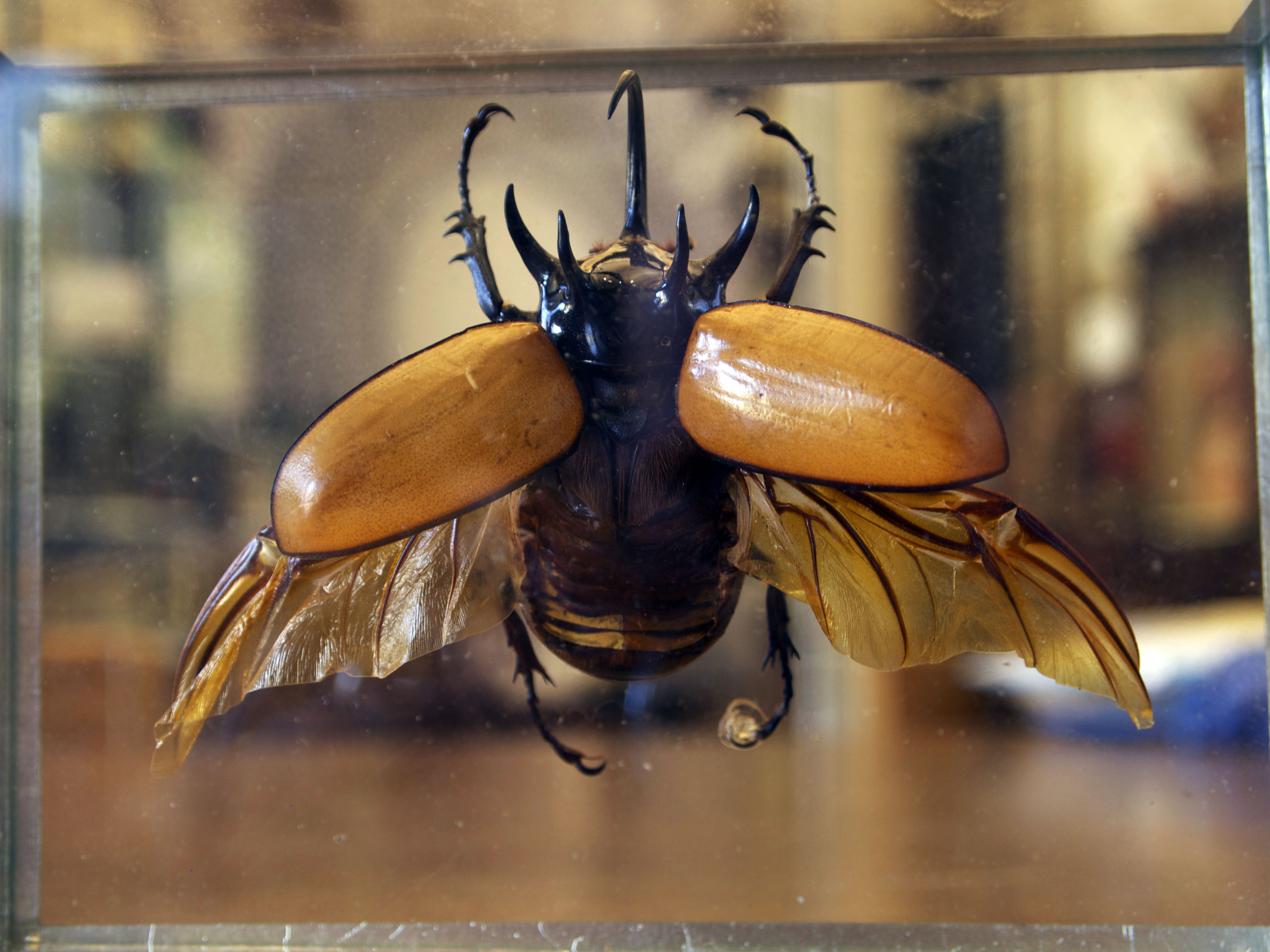
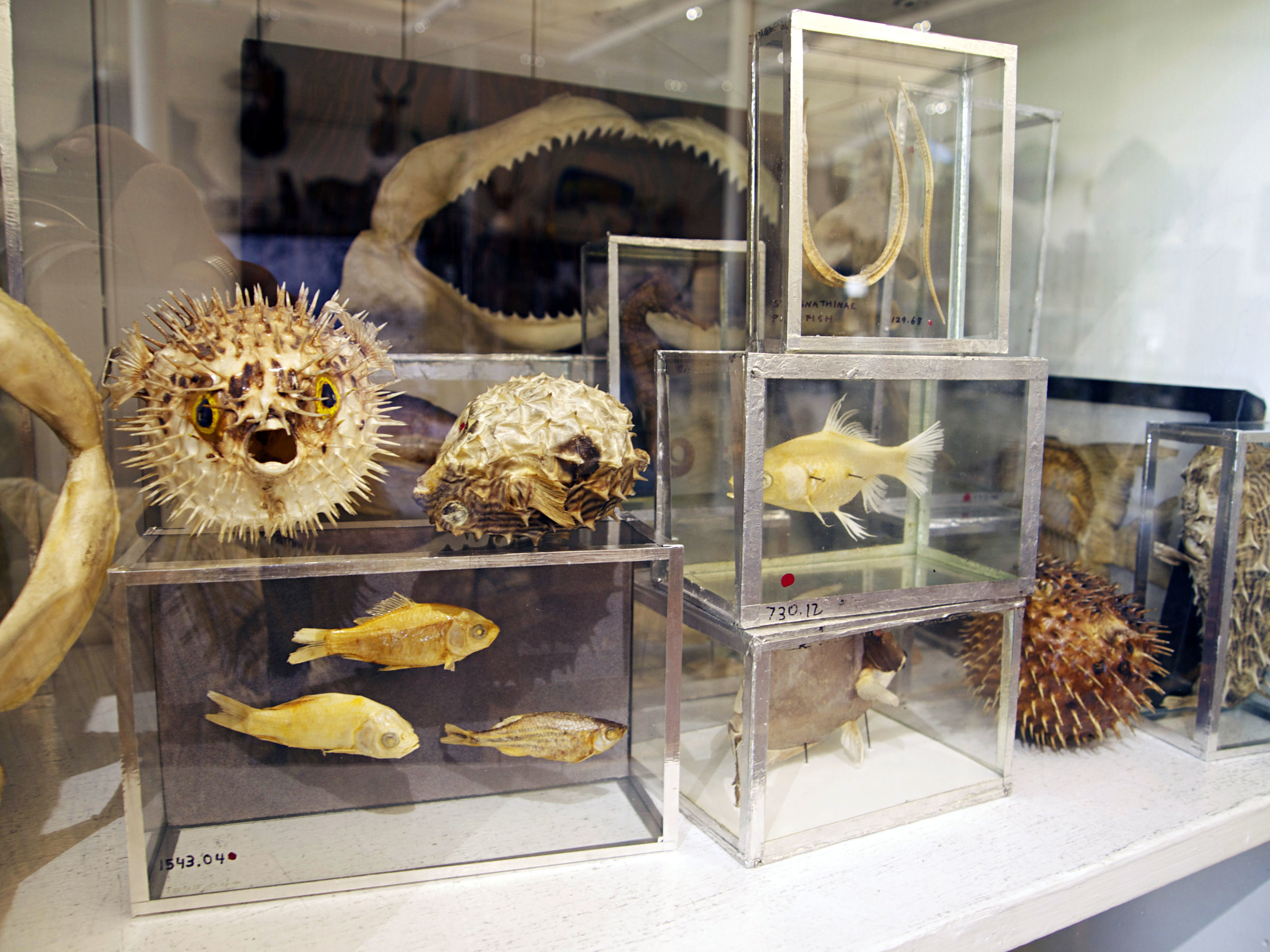
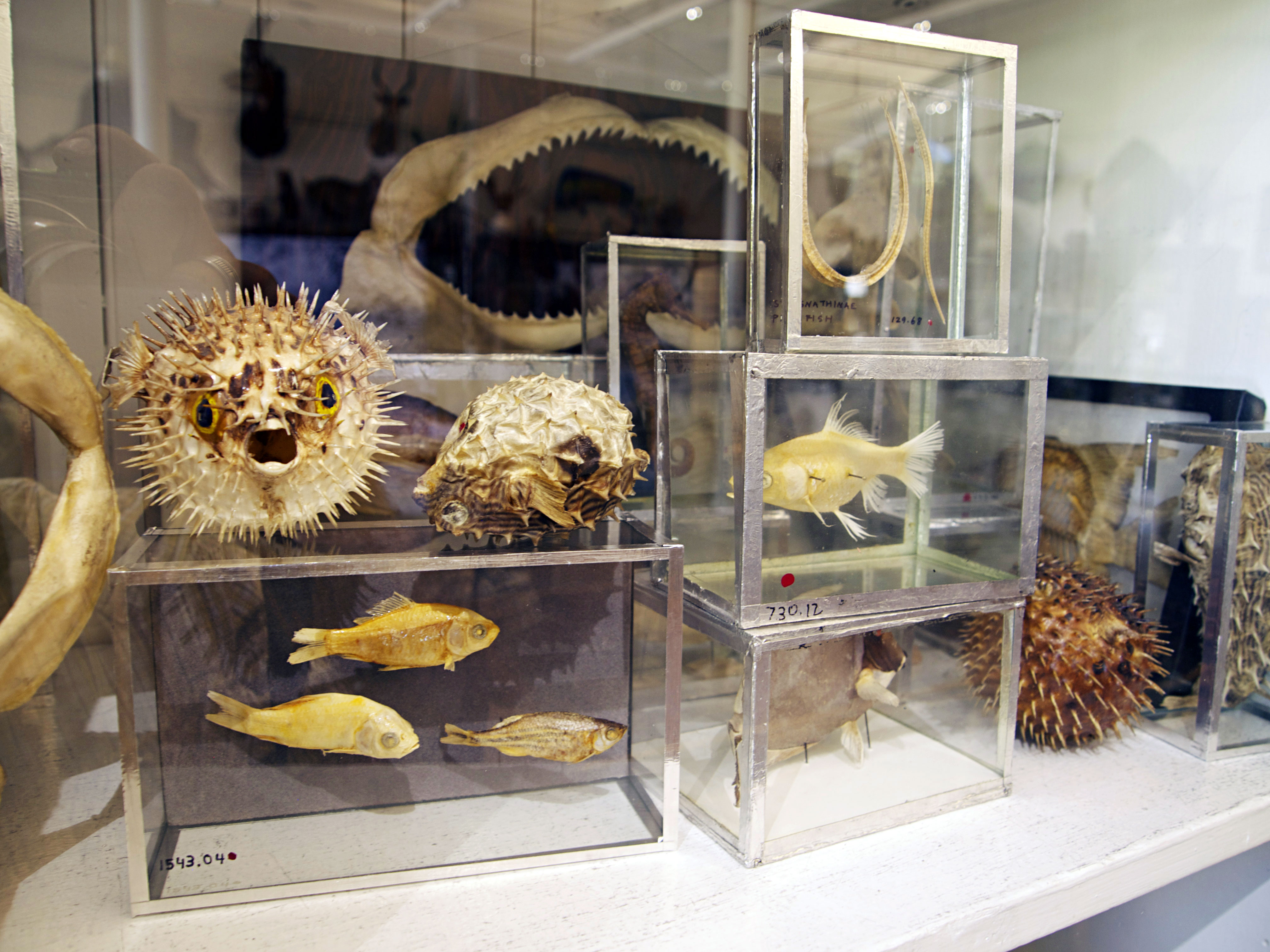
         A naturalist is first and foremost an observer. A huge joy of observing wild things is in encountering the unexpected. I may go wandering in the desert looking at strange sandstone formations and cactus only to discover a seasonal pond filled with frog eggs or come across a subtle panel of rock art. When Rachael and I rolled into Providence, Rhode Island to visit our friends Kevin and Melita I was expecting a bit of urban time. I didn’t expect to stumble upon an amateur naturalist’s dream room. Melita works at the Rhode Island School of Design Nature Lab and when we showed up there with Kevin to meet her I was blown away. Established in 1937 by RISD faculty member Edna Lawrence, the Nature lab is a collection of amazing natural specimens displayed in classic curio cabinet format. Except here artists, students and visitors are encouraged to open the cabinets and take things out, get a closer look, rearrange things if you think it looks better. It’s as if Charles Darwin or John Muir invited you into their study and left you free to peruse and examine as you saw fit. It’s even better because the collection has more things than any one person could hope to find in their wanderings. There are cabinets filled with seeds and pods, shelves of pressed flowers and plants and leaves, cases filled with skulls and other bones, spiders, beetles and butterflies individually mounted, all surrounded by taxidermy of any sort furred and finned, with prints and artwork filling in the walls. The free form curating leaves an enthusiastic general naturalist dizzied at where to start and what to pick up first.

Lab4Lab4

Lab4

           Inspiration is the point of it all. To quote from the RISD website: “The Edna Lawrence Nature Lab opens students’ eyes to the limitless visual patterns, structures, and processes in the natural world. By supporting hands-on creative investigation and research into the relationships inherent in the dynamic living world, the Nature Lab aims to inspire students to engage with our biological realm. The Nature Lab provides a forum, sustained by resources and guidance, for the exploration of connections among art, design, and nature.” Now we need to figure out how to fit our own Nature Lab inside Lil’ Squatch.

Lab6Lab6

Lab6

Lab2Lab2

Lab2

Lab7Lab7

Lab7

Lab10Lab10

Lab10

Lab8Lab8

Lab8

At the Nature Lab with Kevin & MelitaAt the Nature Lab with Kevin & Melita

At the Nature Lab with Kevin & Melita

Lab1

Lab11         A naturalist is first and foremost an observer. A huge joy of observing wild things is in encountering the unexpected. I may go wandering in the desert looking at strange sandstone formations and cactus only to discover a seasonal pond filled with frog eggs or come across a subtle panel of rock art. When Rachael and I rolled into Providence, Rhode Island to visit our friends Kevin and Melita I was expecting a bit of urban time. I didn’t expect to stumble upon an amateur naturalist’s dream room. Melita works at the Rhode Island School of Design Nature Lab and when we showed up there with Kevin to meet her I was blown away. Established in 1937 by RISD faculty member Edna Lawrence, the Nature lab is a collection of amazing natural specimens displayed in classic curio cabinet format. Except here artists, students and visitors are encouraged to open the cabinets and take things out, get a closer look, rearrange things if you think it looks better. It’s as if Charles Darwin or John Muir invited you into their study and left you free to peruse and examine as you saw fit. It’s even better because the collection has more things than any one person could hope to find in their wanderings. There are cabinets filled with seeds and pods, shelves of pressed flowers and plants and leaves, cases filled with skulls and other bones, spiders, beetles and butterflies individually mounted, all surrounded by taxidermy of any sort furred and finned, with prints and artwork filling in the walls. The free form curating leaves an enthusiastic general naturalist dizzied at where to start and what to pick up first.

Lab4           Inspiration is the point of it all. To quote from the RISD website: “The Edna Lawrence Nature Lab opens students’ eyes to the limitless visual patterns, structures, and processes in the natural world. By supporting hands-on creative investigation and research into the relationships inherent in the dynamic living world, the Nature Lab aims to inspire students to engage with our biological realm. The Nature Lab provides a forum, sustained by resources and guidance, for the exploration of connections among art, design, and nature.” Now we need to figure out how to fit our own Nature Lab inside Lil’ Squatch.

Lab6 Lab2 Lab7 Lab10 Lab8

At the Nature Lab with Kevin & Melita

At the Nature Lab with Kevin & Melita

Nature Lab