Natural History of Lil’ Squatch (Part 1)

Lil’ Squatch frightens the birds. At least that’s what Rachael likes to say. I’d like to think that his charisma extends to the animal kingdom but I have to admit that she seems to be right. Countless times we’ve slowed down or pulled over to get a better look at some unknown animal near the road only to have it scamper away at the sight of our strange contraption. Roadside wildlife is often indifferent to the vehicles rolling by, but we’ve seen deer, squirrels and all types of birds do a double take when we round the corner. A staid and well hidden Barred Owl taking flight when we meandered by, Pronghorn dashing off when we break the horizon. I’ve learned that trying to be a naturalist at 50 mph is not very fruitful. Holding binoculars in a moving vehicle can be nausea inducing especially if you are behind the wheel. However, when you’re laying down a lot of backroad highway miles you’ll inevitably see plants and animals that demand a closer look.
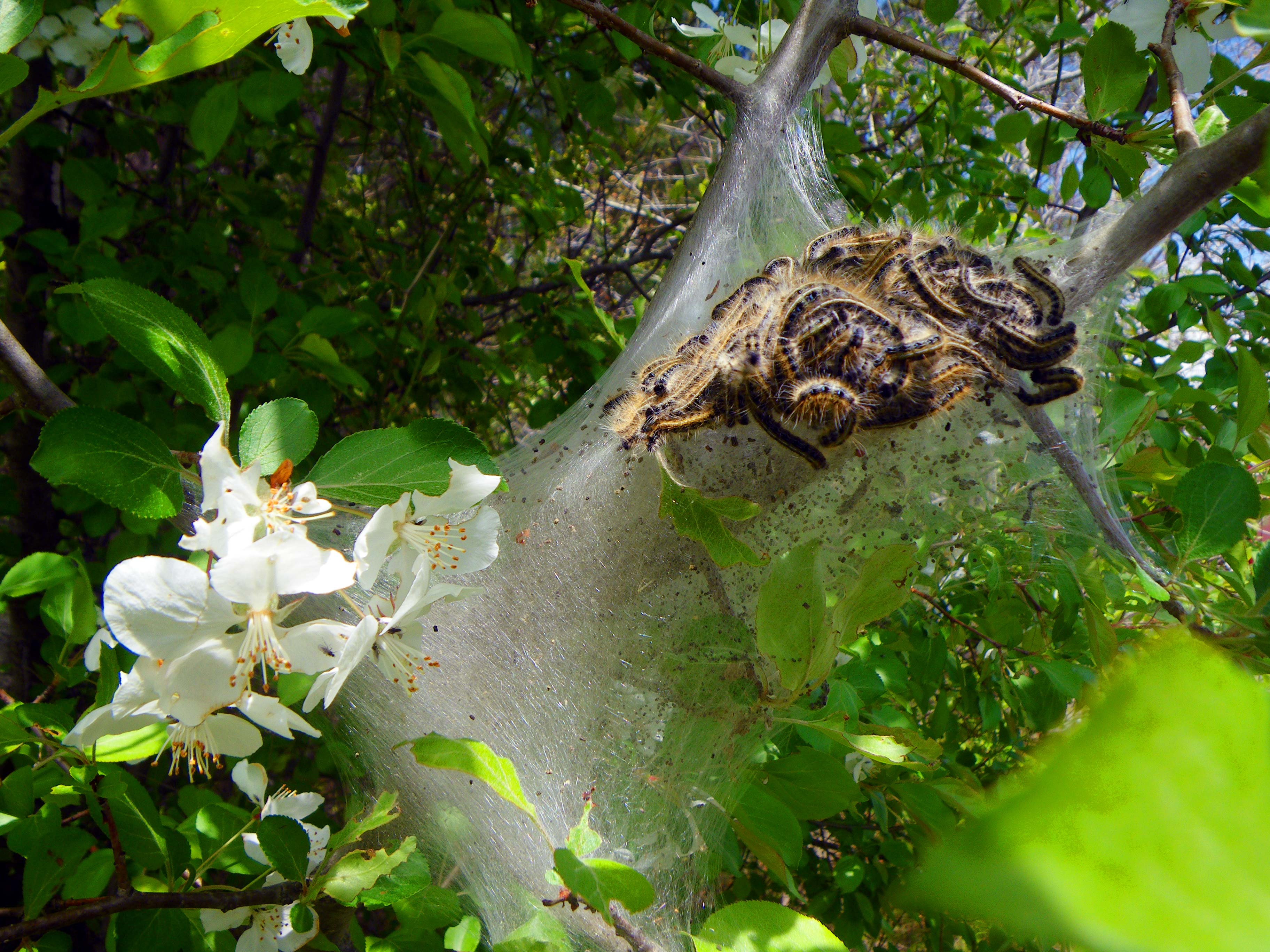
Tent Caterpillars, Delmarva Peninsula - Photo by Tim Giller

Tent Caterpillars, Delmarva Peninsula – Photo by Tim Giller

We drove over a 1000 miles in the south before we finally got a close look at a tree with red draping from it in late winter, realizing that it wasn’t old leaves but the flowers and seeds of the Red Maple. Lately it has been the American Larch, a strange deciduous conifer that is unfamiliar in my part of the west. It seems to favor a boggy soil that infrequently lined the road and we breezed out of its range in Minnesota without finding a spot to pull over for one. Earlier this spring a mysterious gauzy web was catching our eyes, wedged in the crotch of certain trees and glowing in the sunlight. A little effort revealed that it was the silk of the Eastern tent caterpillar, an unusual species that gathers by the hundreds for warmth and increased metabolism before going off separately to metamorphose into moths.
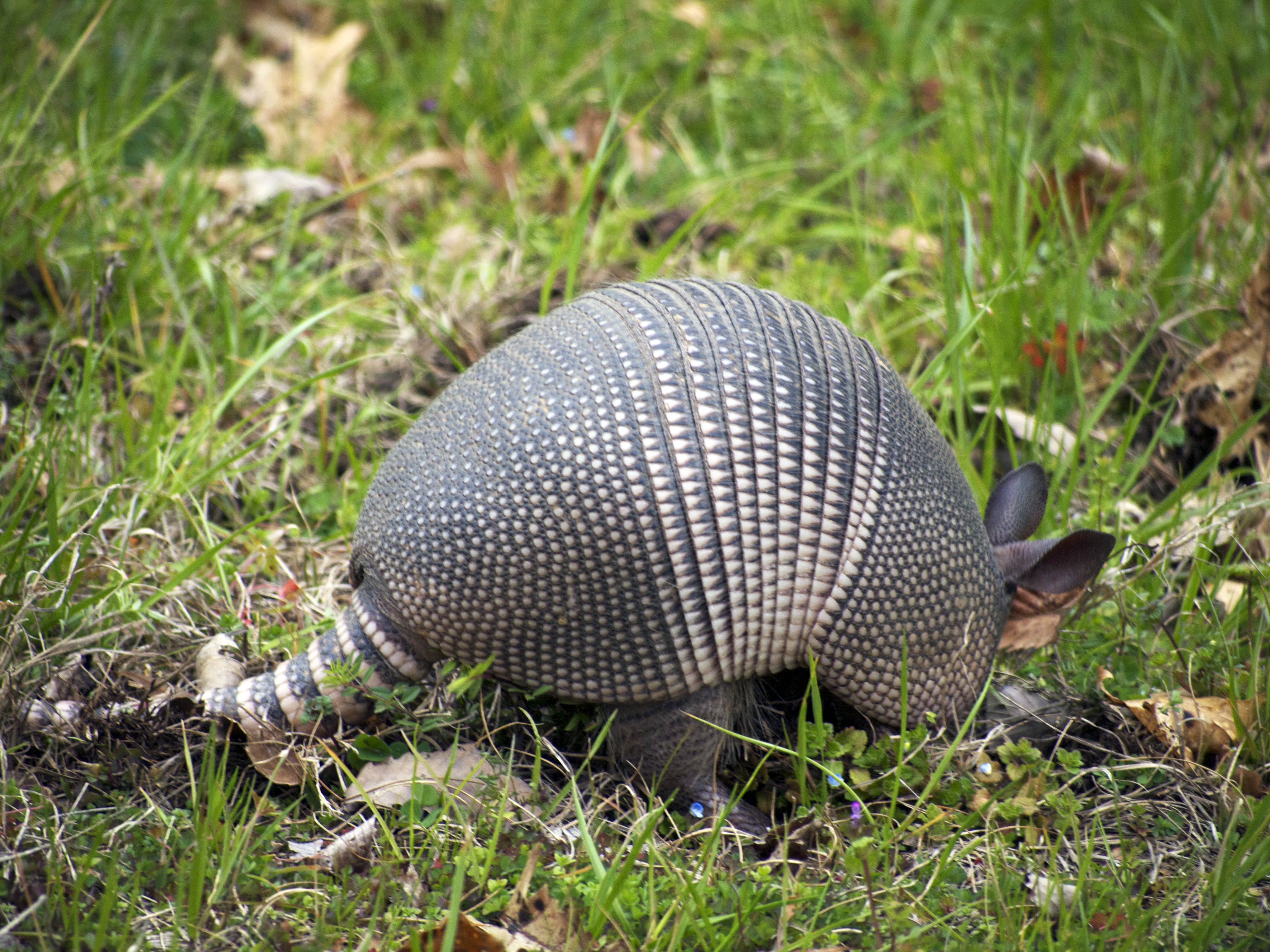
Nine-banded armadillo, Mississippi - Photo by Tim Giller

Nine-banded armadillo, Mississippi – Photo by Tim Giller

Not all the creatures we hit the brakes for are elusive or easily frightened. Back in Mississippi, in the neatly landscaped roadside of the Natchez Trace we spotted armadillos foraging inches from the road. As we pulled up and put Squatch into neutral one little guy couldn’t be bothered to pull his nose out of the soil in his search of earthworms or whatnot. More recently, while traversing Michigan’s Upper Peninsula an anomalous stately white bird caused Rachael enough excitement that I was compelled to make a u-turn.
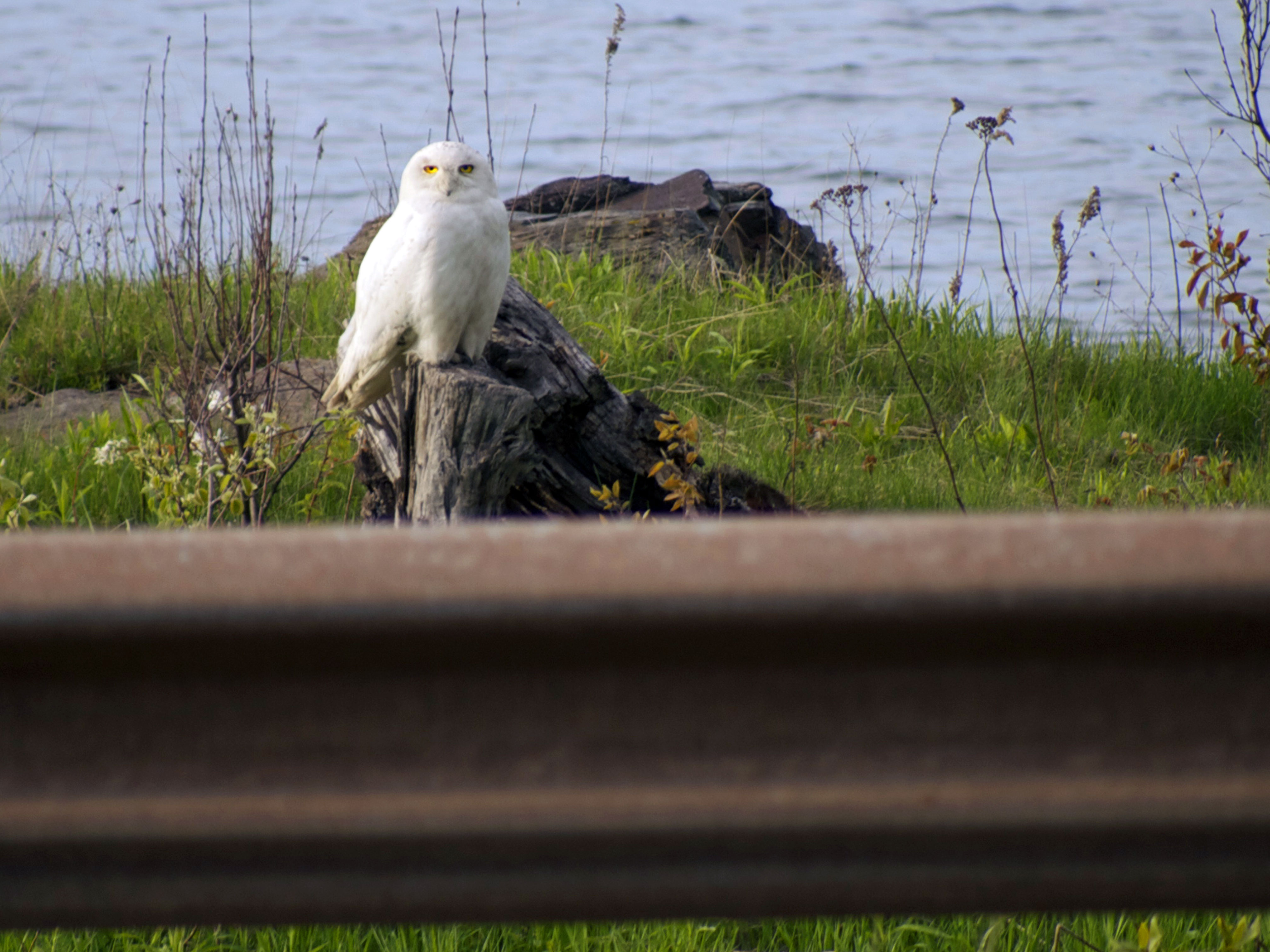
Snowy Owl, Michigan - Photo by Tim Giller

Snowy Owl, Michigan – Photo by Tim Giller

I quickly stepped out to the guardrail leaving our little home in idle and the beautiful Snowy Owl could barely be bothered to briefly rotate his head in my direction before calmly returning to his meditative pose.

When we get Little Squatch parked and calmed down for a bit he actually makes a passable wildlife viewing blind. Any number of skittish little birds have wandered up below our large rear window. When the day fades if we leave the interior lights dimmed we can watch and hear the beginnings of the evening prowl heralded by the chorus of coyote. Back in New Mexico we voyeuristically observed the courting and mating of a pair of Great Horned Owls in the grove of cottonwoods we had chosen to camp among. As I write this on a blustery spring morning down a lonely backroad in a remote section of Badlands National Park, a lumbering wooly beast, with an entourage of tag-a-long black birds, has browsed his way over giving our white and orange vessel only the slightest wary glance from its dark eyes.

Bison, South Dakota - Photo by Tim Giller

Bison, South Dakota – Photo by Tim Giller

The stoic and hefty American Bison have seen their share of hardship. They adapted to all the extremes of North America from dry deserts to the bitter winters of the High Plains. They survived Paleo-hunters when many large mammals like mammoths and short-faced bear could not, even with the technique of coercing them to stampede by the hundreds off of cliffs. Slated to wholesale slaughter for the sake of “opening up” the west, they are still here thanks to conservation efforts and their own hardy stature. Calmly wandering across this open landscape, oblivious to the alarm chirps as they saunter across a Prairie Dog town, they animate the landscape with their 10,000-year gait. Massive heads and shoulders somehow graceful on slender legs when at a gallop. After all that maybe our little relic of the late 1970’s seems quaint to them too.


Obscured

Frog, Algonquin P.P. Ontario - Photo by Tim GillerFrog, Algonquin P.P. Ontario - Photo by Tim Giller

Frog, Algonquin P.P. Ontario – Photo by Tim Giller

If I didn’t know any better I’d say that we’d just heard somebody trying to start a lawnmower. The nearest lawn must be at least 30 miles away and I couldn’t imagine anyone dragging a mower deep into this dense forest, but Canadians have their own way of doing things so who knows? An abrupt “thrufp, thrufp, thrufp” from the opposite side of the trail made Rachael jump as I got just a glimpse of some sort of wild-chicken-bird maneuvering through the impenetrable trees. Wildlife is so often experienced as that thing you know to be there but is just beyond your resolution. A sound, a footprint, scat, clues to the existence of a being that chooses to remain hidden. I could see how legends begin of creatures lurking in forests or skulking beneath waves, showing themselves only long enough to leave a startled impression in our minds that may grow with each retelling into a full scale beast worthy of a folk tale. We strained our eyes through trees too closely packed to venture into but this creature had vanished, blending into its surroundings leaving us to our imaginations. Later research led us to the Ruffed Grouse and the motor sound was a male drumming its wings to impress the ladies. I was kind of impressed myself.

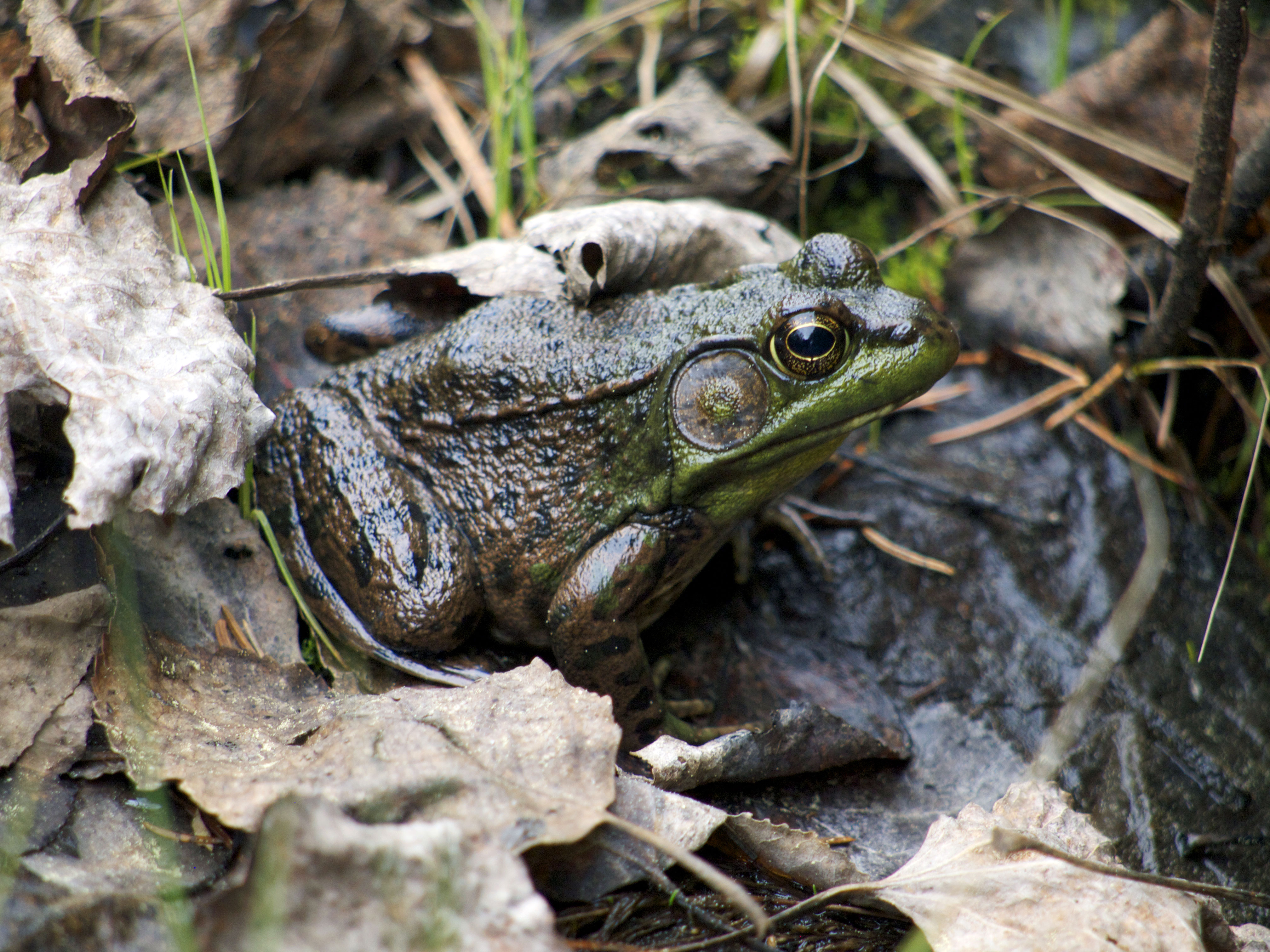
Algonquin Provincial Park in Ontario has no doubt produced many wildlife encounters for its visitors. It’s a place where the dark spruces of the northern boreal forest blend with the deciduous eastern hardwoods in a thick mosaic of trees. These trees surround an extensive network of lakes and streams most commonly traversed by canoe, a classic Canadian wildland that supports moose, black bear, beaver and hundreds of wolves. It also has some smaller creatures and we could hear them. We kept seeing them out of the corner of our eyes leaping into the trailside ponds as we walked by. We had to be looking right at them. They would jump from under our noses just when we thought nothing was there. I was just looking at that spot. Getting down on our hands and knees, peering into the pond at mysterious gelatinous egg sacks one swam right up to me. This bronze frog and I looked into each others eyes for just a moment before it realized its mistake and dove away, hiding under the leaf litter which covered the sandy bottom of this tea colored pool. I learned what we were looking for and now I could spot them. I had to attempt their game of being very still first and then scanning the water’s edge. It’s a game I couldn’t win but I was able to score a few points. They were literally a still as stones, blending in with skin the texture of moist rock and the color of wet leaves, holding their amphibian breath.

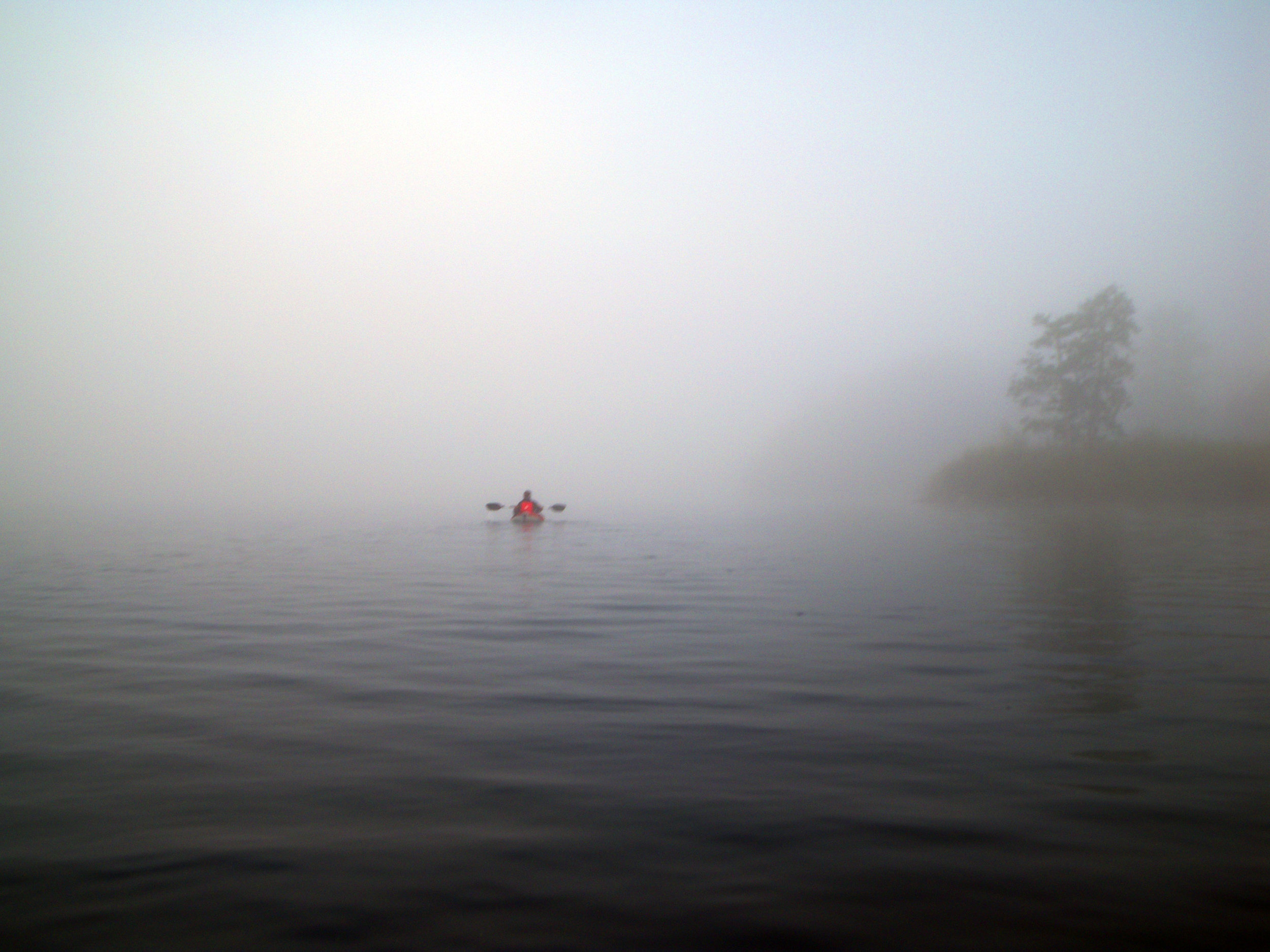
Lake Kioshkokwi - Photo By Tim GillerLake Kioshkokwi - Photo By Tim Giller

Lake Kioshkokwi – Photo By Tim Giller

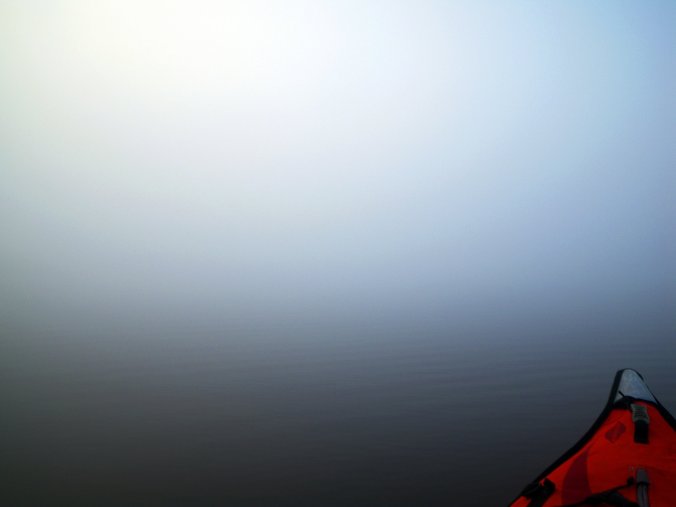
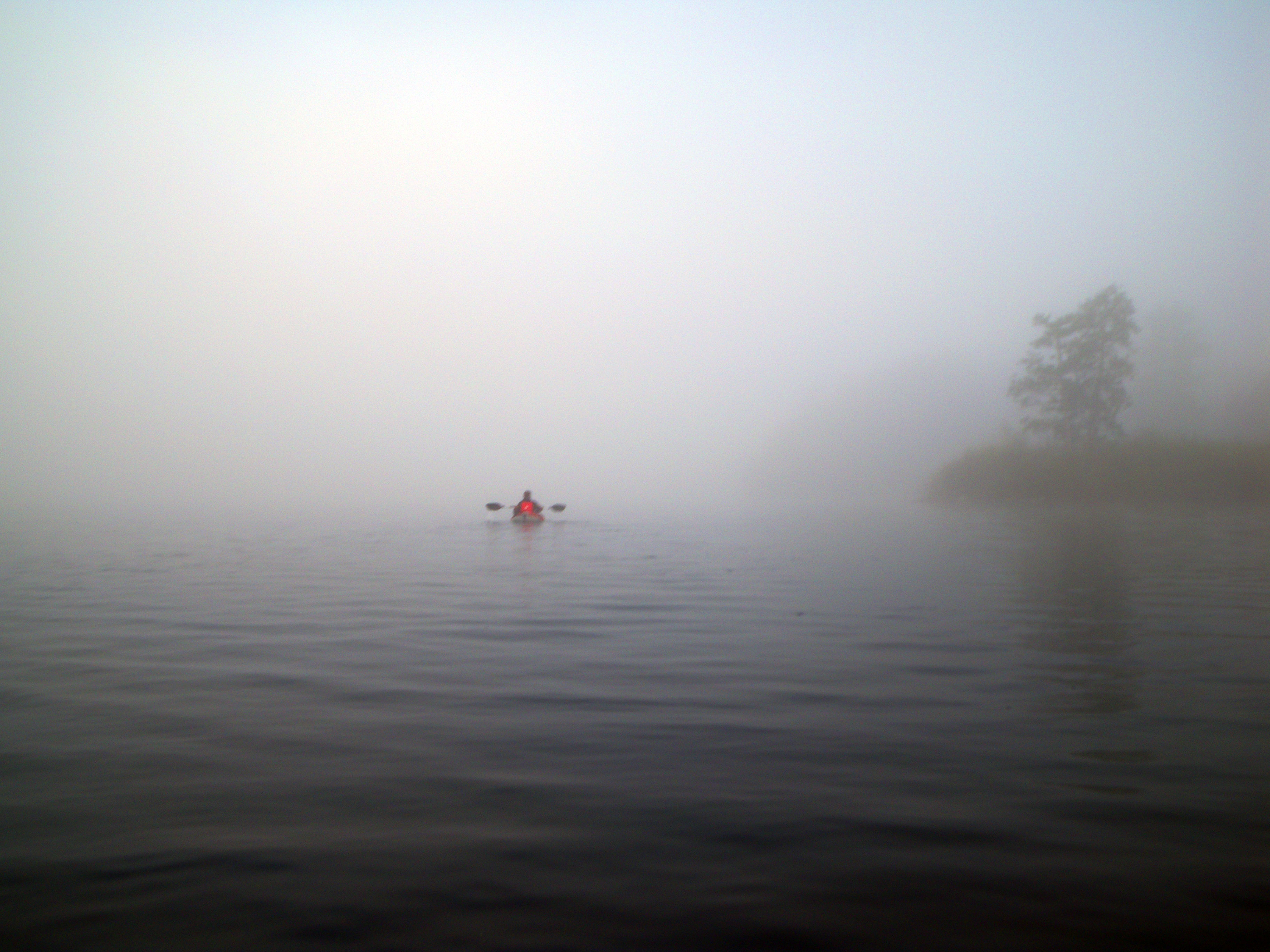
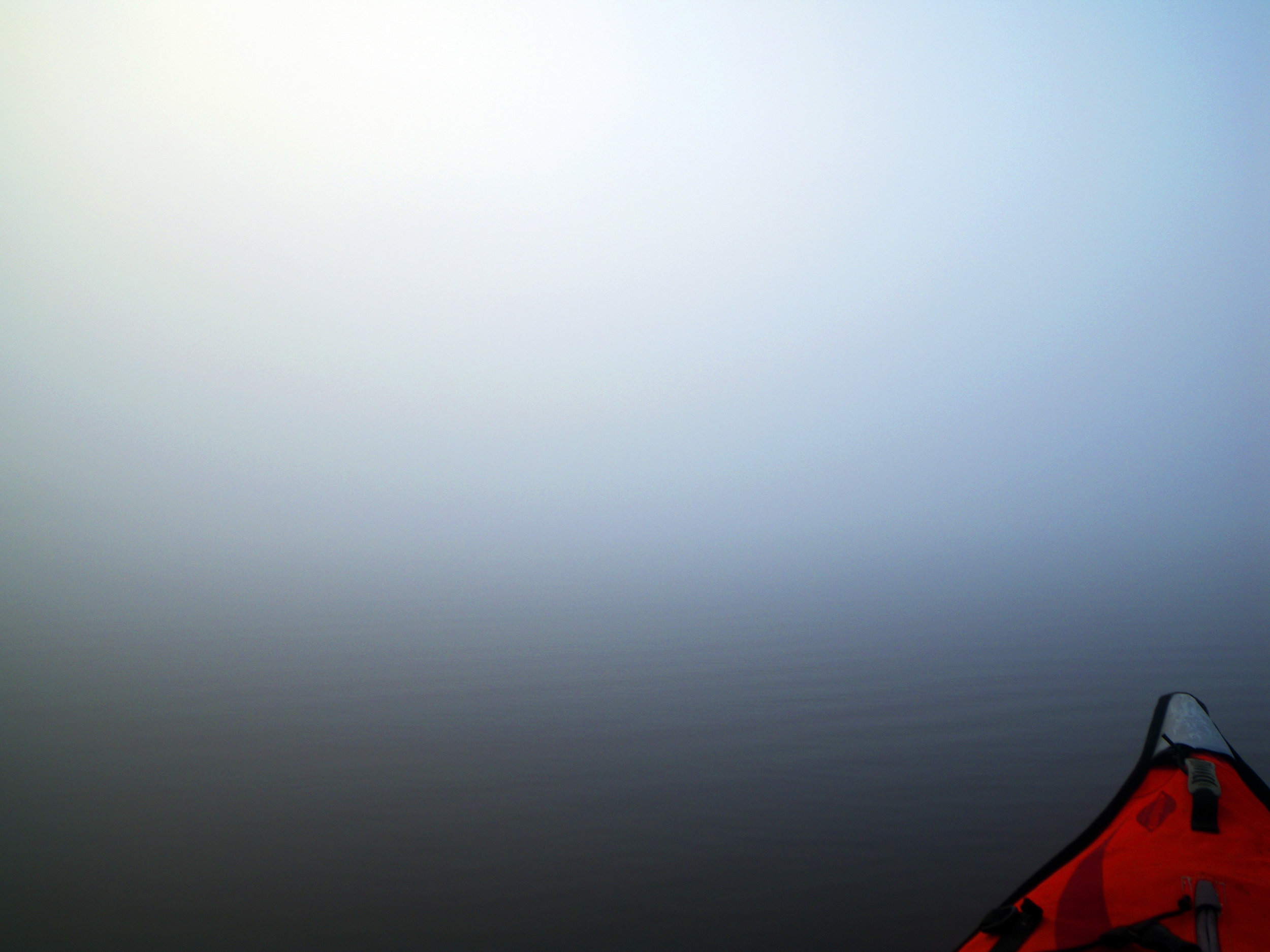
The next morning before dawn as we creased the glassy surface of Lake Kioshkokwi with our kayaks there were almost no clues to what wildlife might be surrounding us. The fish that had been breaking the surface the evening before were now still. The insects had been subdued by the chill. With a heavy fog settled on the lake there was little chance of seeing anything. As we paddled further onto the lake even the shoreline became obscured and the sun was not yet high enough to penetrate the mist. In this dim light the world became an undifferentiated landscape of grey water blending into grey air. And it was quiet. Except for the birds. I first noticed the hammering of a woodpecker who had found a resonant tree, most likely a large long-dead snag and it sent a strong base drum beat across the water. The growing daylight brings the chorus of birdsong. My novice ear could pick out just a few, a Swainson’s thrush, the gulls. What I longed to hear was the eerie sound of the loon. Some creatures clearly evoke more mystery than others and have more spiritual power. The call of a loon on a northern lake has the impact of seeing the Milky Way after months under urban lights. Without knowing anymore than what you are immediately experiencing, you can feel vastness. We intuitively know that the heavens are much larger than our earthbound existence just as the cry of this lovely bird hits some note within us confirming that there are ancient languages beyond our imagination. For innumerable summers these birds have returned north to find a lake to grace with their call. We knew they were out there sequestered nearby on some fogbound bay. We had seen a mated pair on their evening rounds the two previous nights. They cruised past our campsite keeping each other company as they dove for fish. Their calls had put us to bed. They were silent this morning but at least we were confident they were out there beyond our vision. Theirs is a sound that no matter how many times you’ve heard it you’ll long to hear it just once more.

Ruffed Grouse sound: http://www.allaboutbirds.org/guide/Ruffed_Grouse/sounds

Common Loon Sound: http://www.allaboutbirds.org/guide/common_loon/sounds

Lake Kioshkokwi - Photo By Tim GillerLake Kioshkokwi - Photo By Tim Giller

Lake Kioshkokwi – Photo By Tim Giller

Obscured

If I didn’t know any better I’d say that we’d just heard somebody trying to start a lawnmower. The nearest lawn must be at least 30 miles away and I couldn’t imagine anyone dragging a mower deep into this dense forest, but Canadians have their own way of doing things so who knows? An abrupt “thrufp, thrufp, thrufp” from the opposite side of the trail made Rachael jump as I got just a glimpse of some sort of wild-chicken-bird maneuvering through the impenetrable trees. Wildlife is so often experienced as that thing you know to be there but is just beyond your resolution. A sound, a footprint, scat, clues to the existence of a being that chooses to remain hidden. I could see how legends begin of creatures lurking in forests or skulking beneath waves, showing themselves only long enough to leave a startled impression in our minds that may grow with each retelling into a full scale beast worthy of a folk tale. We strained our eyes through trees too closely packed to venture into but this creature had vanished, blending into its surroundings leaving us to our imaginations. Later research led us to the Ruffed Grouse and the motor sound was a male drumming its wings to impress the ladies. I was kind of impressed myself.

Frog, Algonquin P.P. Ontario - Photo by Tim Giller

Frog, Algonquin P.P. Ontario – Photo by Tim Giller

Algonquin Provincial Park in Ontario has no doubt produced many wildlife encounters for its visitors. It’s a place where the dark spruces of the northern boreal forest blend with the deciduous eastern hardwoods in a thick mosaic of trees. These trees surround an extensive network of lakes and streams most commonly traversed by canoe, a classic Canadian wildland that supports moose, black bear, beaver and hundreds of wolves. It also has some smaller creatures and we could hear them. We kept seeing them out of the corner of our eyes leaping into the trailside ponds as we walked by. We had to be looking right at them. They would jump from under our noses just when we thought nothing was there. I was just looking at that spot. Getting down on our hands and knees, peering into the pond at mysterious gelatinous egg sacks one swam right up to me. This bronze frog and I looked into each others eyes for just a moment before it realized its mistake and dove away, hiding under the leaf litter which covered the sandy bottom of this tea colored pool. I learned what we were looking for and now I could spot them. I had to attempt their game of being very still first and then scanning the water’s edge. It’s a game I couldn’t win but I was able to score a few points. They were literally a still as stones, blending in with skin the texture of moist rock and the color of wet leaves, holding their amphibian breath.

Lake Kioshkokwi - Photo By Tim Giller

Lake Kioshkokwi – Photo By Tim Giller

The next morning before dawn as we creased the glassy surface of Lake Kioshkokwi with our kayaks there were almost no clues to what wildlife might be surrounding us. The fish that had been breaking the surface the evening before were now still. The insects had been subdued by the chill. With a heavy fog settled on the lake there was little chance of seeing anything. As we paddled further onto the lake even the shoreline became obscured and the sun was not yet high enough to penetrate the mist. In this dim light the world became an undifferentiated landscape of grey water blending into grey air. And it was quiet. Except for the birds. I first noticed the hammering of a woodpecker who had found a resonant tree, most likely a large long-dead snag and it sent a strong base drum beat across the water. The growing daylight brings the chorus of birdsong. My novice ear could pick out just a few, a Swainson’s thrush, the gulls. What I longed to hear was the eerie sound of the loon. Some creatures clearly evoke more mystery than others and have more spiritual power. The call of a loon on a northern lake has the impact of seeing the Milky Way after months under urban lights. Without knowing anymore than what you are immediately experiencing, you can feel vastness. We intuitively know that the heavens are much larger than our earthbound existence just as the cry of this lovely bird hits some note within us confirming that there are ancient languages beyond our imagination. For innumerable summers these birds have returned north to find a lake to grace with their call. We knew they were out there sequestered nearby on some fogbound bay. We had seen a mated pair on their evening rounds the two previous nights. They cruised past our campsite keeping each other company as they dove for fish. Their calls had put us to bed. They were silent this morning but at least we were confident they were out there beyond our vision. Theirs is a sound that no matter how many times you’ve heard it you’ll long to hear it just once more.

Ruffed Grouse sound: http://www.allaboutbirds.org/guide/Ruffed_Grouse/sounds

Common Loon Sound: http://www.allaboutbirds.org/guide/common_loon/sounds

Lake Kioshkokwi - Photo By Tim Giller

Lake Kioshkokwi – Photo By Tim Giller

Nature Lab

Lab1Lab1

Lab1

Lab11Lab11

Lab11

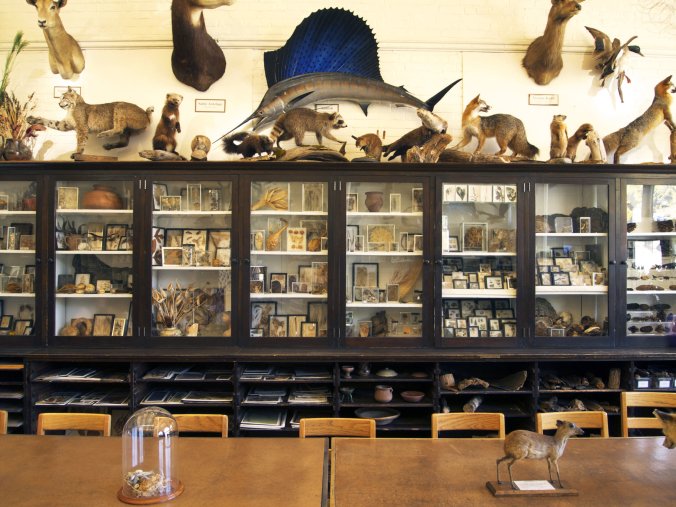
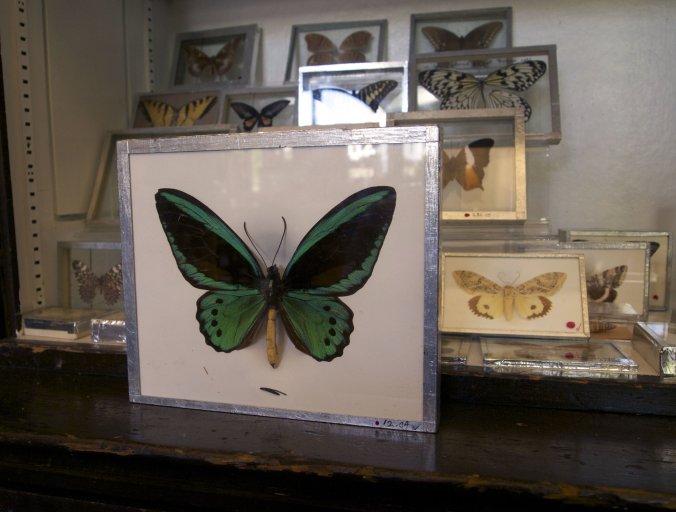
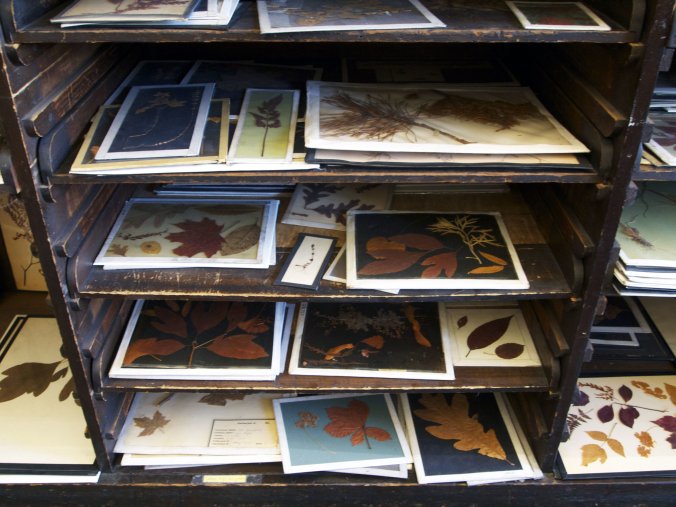
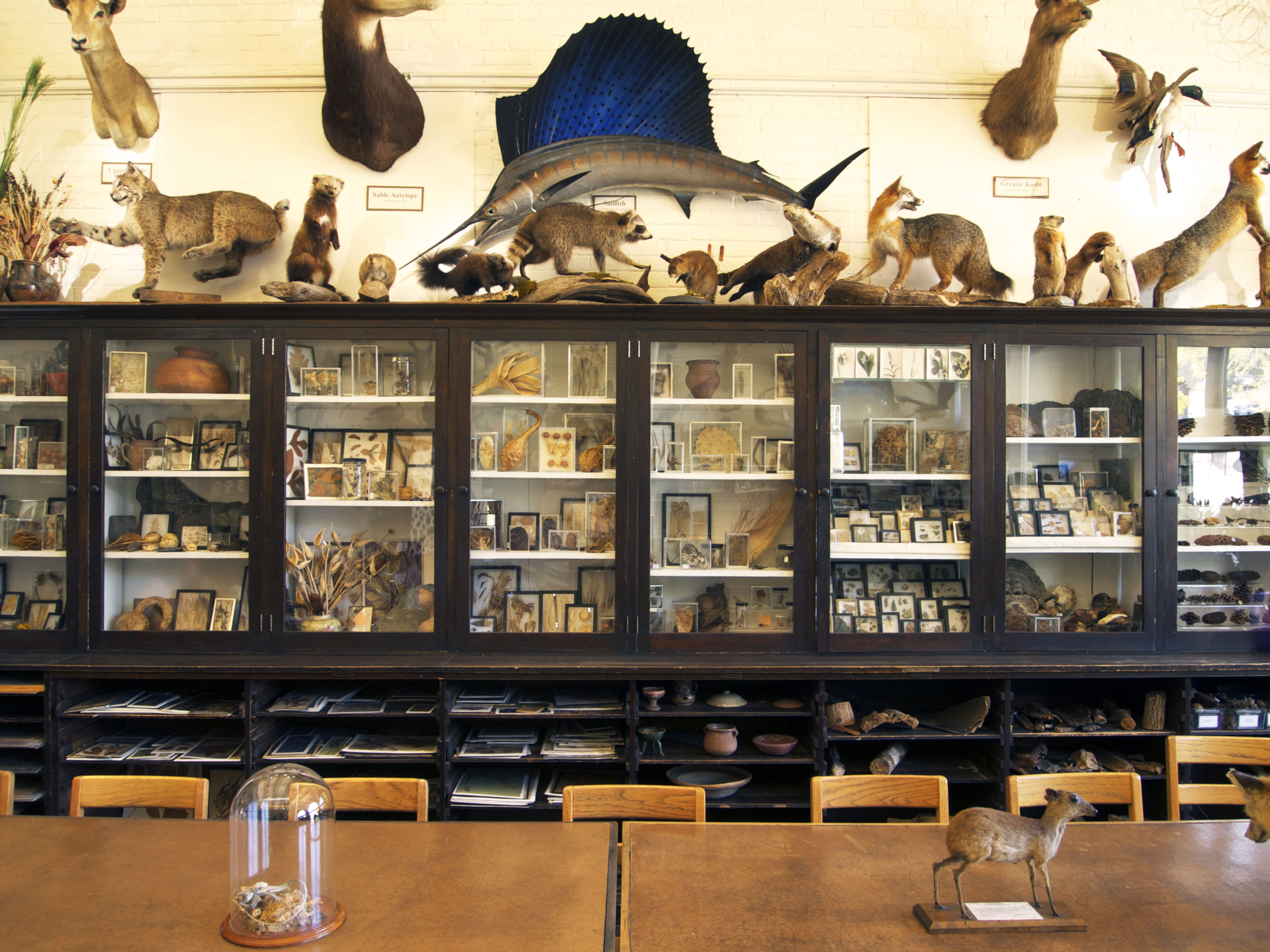
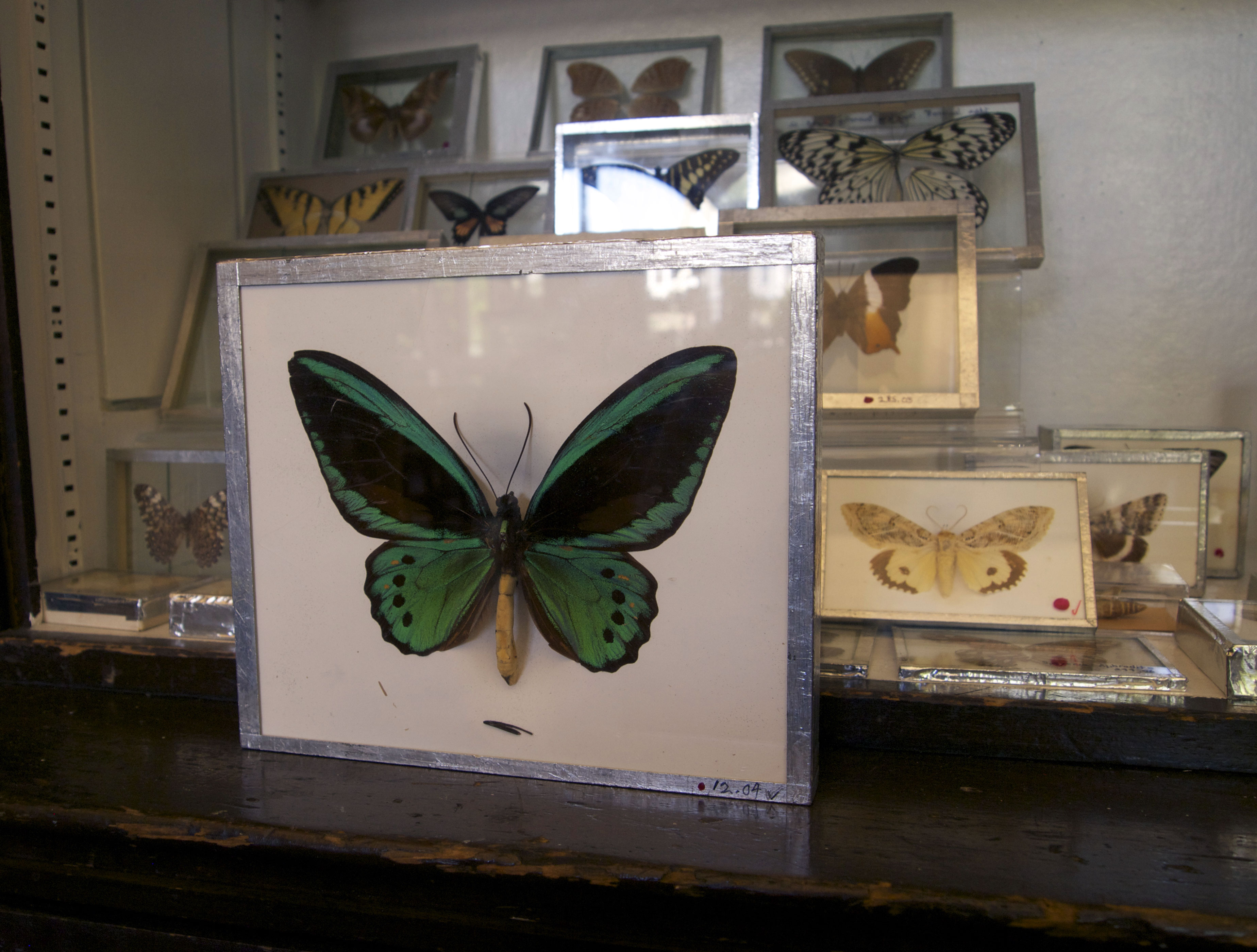
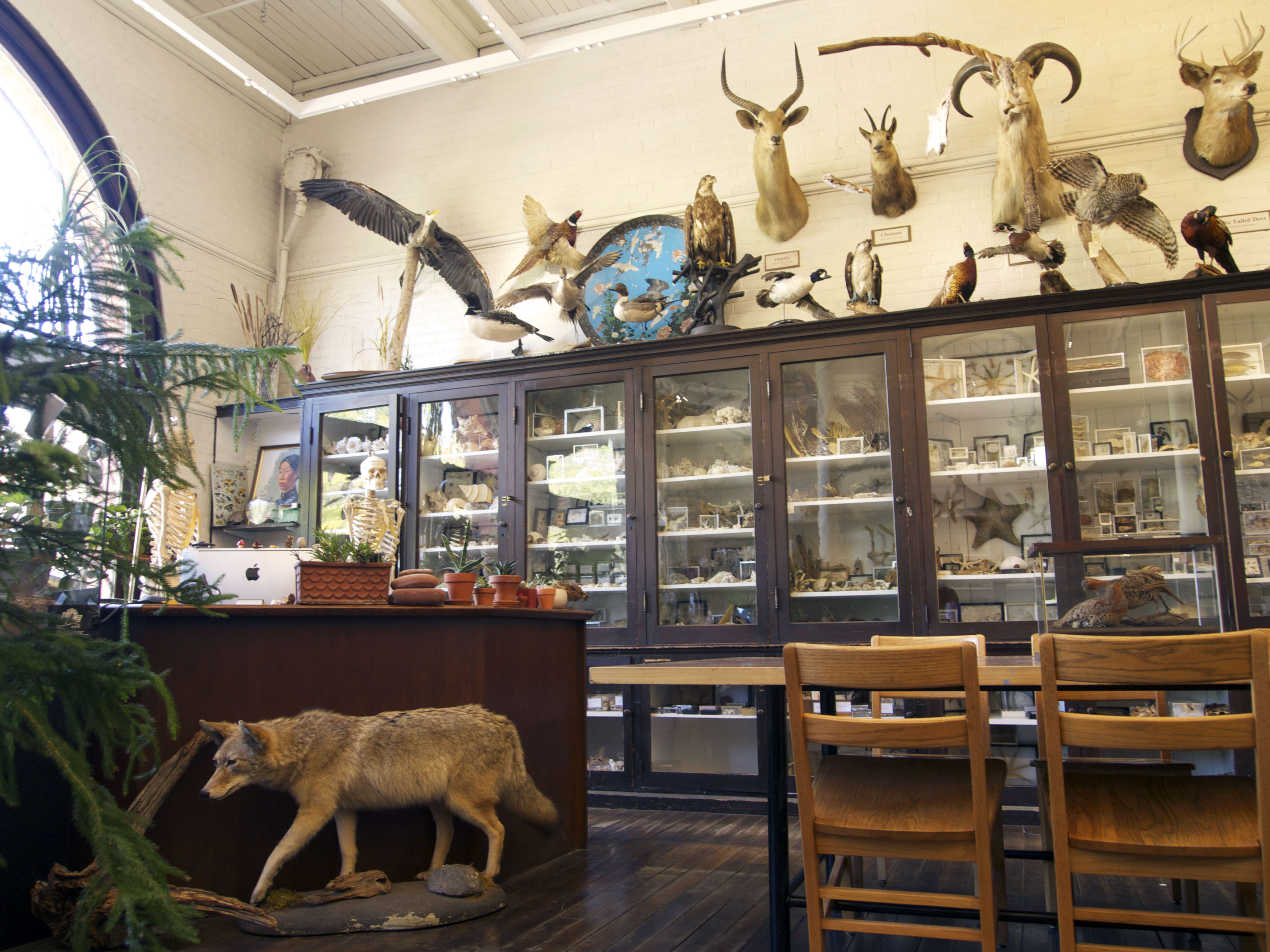
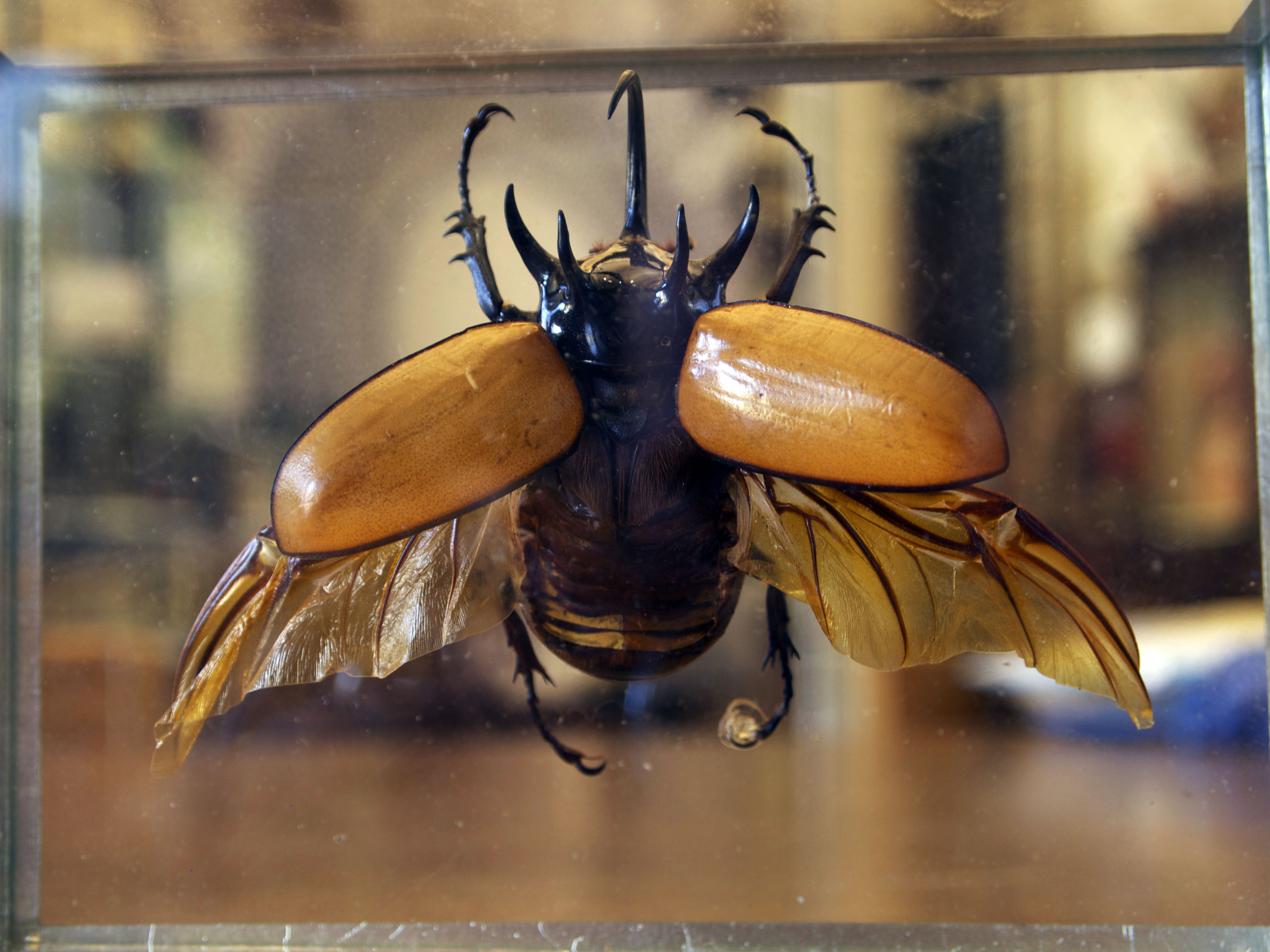
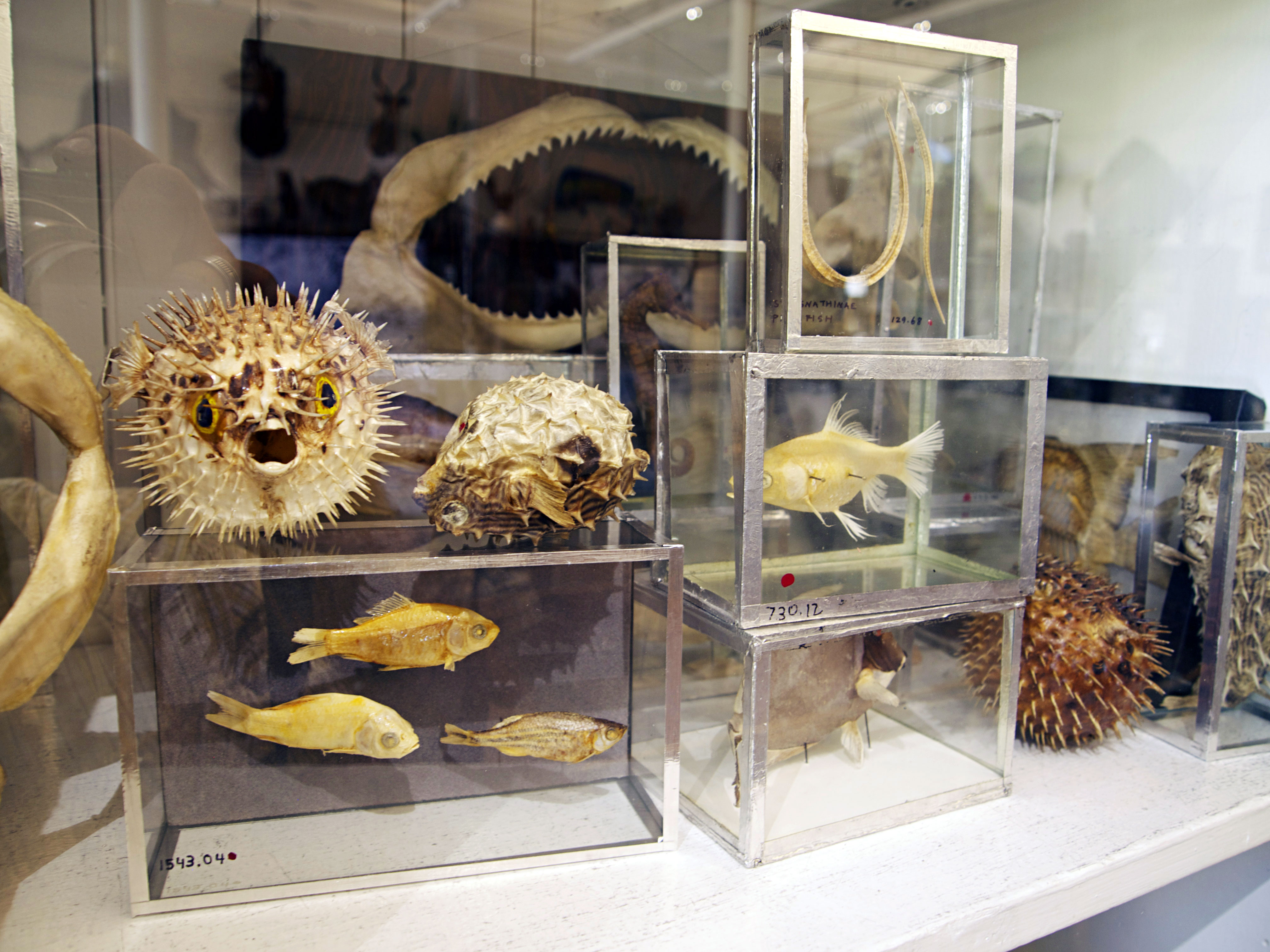
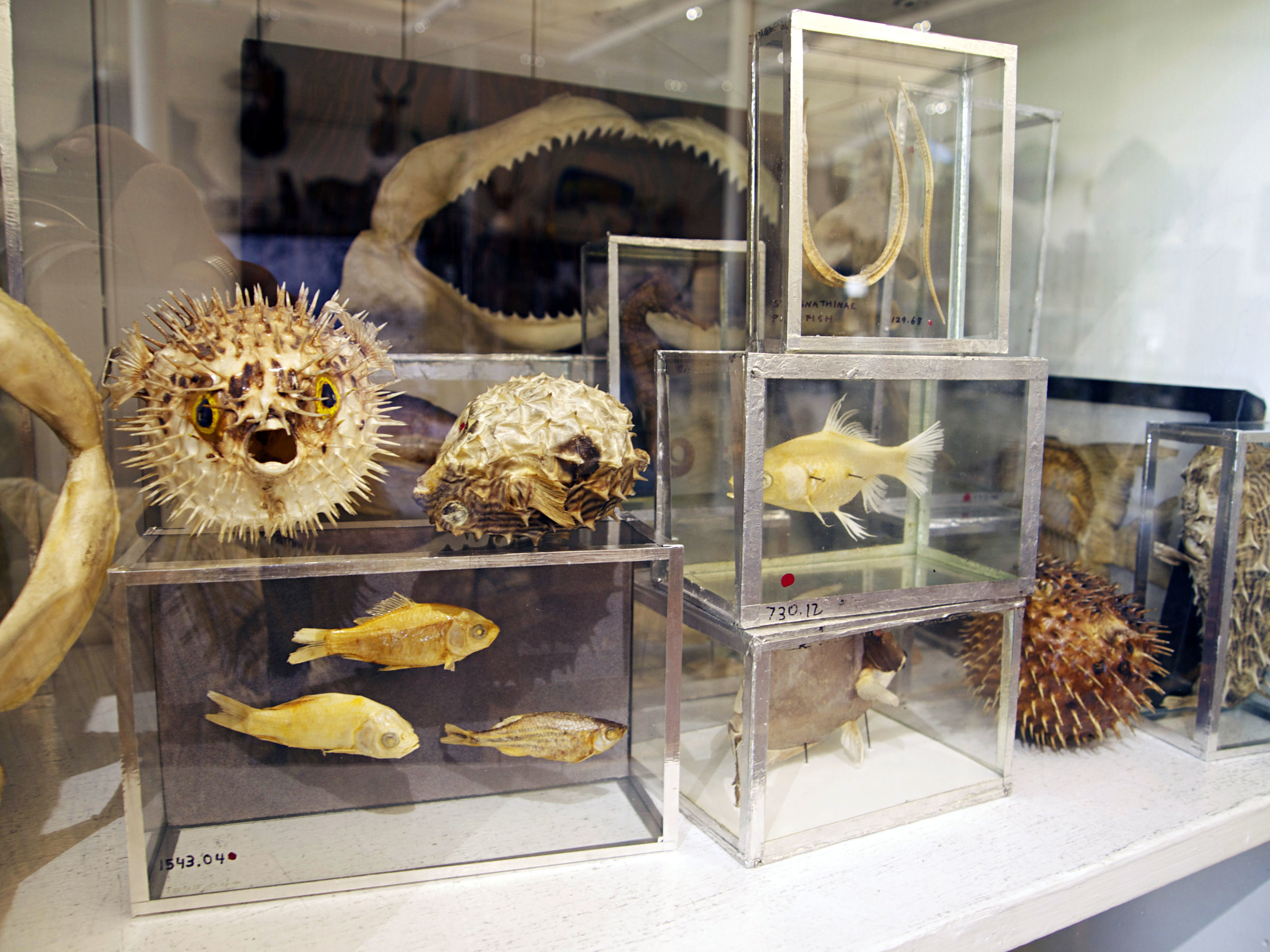
         A naturalist is first and foremost an observer. A huge joy of observing wild things is in encountering the unexpected. I may go wandering in the desert looking at strange sandstone formations and cactus only to discover a seasonal pond filled with frog eggs or come across a subtle panel of rock art. When Rachael and I rolled into Providence, Rhode Island to visit our friends Kevin and Melita I was expecting a bit of urban time. I didn’t expect to stumble upon an amateur naturalist’s dream room. Melita works at the Rhode Island School of Design Nature Lab and when we showed up there with Kevin to meet her I was blown away. Established in 1937 by RISD faculty member Edna Lawrence, the Nature lab is a collection of amazing natural specimens displayed in classic curio cabinet format. Except here artists, students and visitors are encouraged to open the cabinets and take things out, get a closer look, rearrange things if you think it looks better. It’s as if Charles Darwin or John Muir invited you into their study and left you free to peruse and examine as you saw fit. It’s even better because the collection has more things than any one person could hope to find in their wanderings. There are cabinets filled with seeds and pods, shelves of pressed flowers and plants and leaves, cases filled with skulls and other bones, spiders, beetles and butterflies individually mounted, all surrounded by taxidermy of any sort furred and finned, with prints and artwork filling in the walls. The free form curating leaves an enthusiastic general naturalist dizzied at where to start and what to pick up first.

Lab4Lab4

Lab4

           Inspiration is the point of it all. To quote from the RISD website: “The Edna Lawrence Nature Lab opens students’ eyes to the limitless visual patterns, structures, and processes in the natural world. By supporting hands-on creative investigation and research into the relationships inherent in the dynamic living world, the Nature Lab aims to inspire students to engage with our biological realm. The Nature Lab provides a forum, sustained by resources and guidance, for the exploration of connections among art, design, and nature.” Now we need to figure out how to fit our own Nature Lab inside Lil’ Squatch.

Lab6Lab6

Lab6

Lab2Lab2

Lab2

Lab7Lab7

Lab7

Lab10Lab10

Lab10

Lab8Lab8

Lab8

At the Nature Lab with Kevin & MelitaAt the Nature Lab with Kevin & Melita

At the Nature Lab with Kevin & Melita

Nature Lab

Lab1

Lab11         A naturalist is first and foremost an observer. A huge joy of observing wild things is in encountering the unexpected. I may go wandering in the desert looking at strange sandstone formations and cactus only to discover a seasonal pond filled with frog eggs or come across a subtle panel of rock art. When Rachael and I rolled into Providence, Rhode Island to visit our friends Kevin and Melita I was expecting a bit of urban time. I didn’t expect to stumble upon an amateur naturalist’s dream room. Melita works at the Rhode Island School of Design Nature Lab and when we showed up there with Kevin to meet her I was blown away. Established in 1937 by RISD faculty member Edna Lawrence, the Nature lab is a collection of amazing natural specimens displayed in classic curio cabinet format. Except here artists, students and visitors are encouraged to open the cabinets and take things out, get a closer look, rearrange things if you think it looks better. It’s as if Charles Darwin or John Muir invited you into their study and left you free to peruse and examine as you saw fit. It’s even better because the collection has more things than any one person could hope to find in their wanderings. There are cabinets filled with seeds and pods, shelves of pressed flowers and plants and leaves, cases filled with skulls and other bones, spiders, beetles and butterflies individually mounted, all surrounded by taxidermy of any sort furred and finned, with prints and artwork filling in the walls. The free form curating leaves an enthusiastic general naturalist dizzied at where to start and what to pick up first.

Lab4           Inspiration is the point of it all. To quote from the RISD website: “The Edna Lawrence Nature Lab opens students’ eyes to the limitless visual patterns, structures, and processes in the natural world. By supporting hands-on creative investigation and research into the relationships inherent in the dynamic living world, the Nature Lab aims to inspire students to engage with our biological realm. The Nature Lab provides a forum, sustained by resources and guidance, for the exploration of connections among art, design, and nature.” Now we need to figure out how to fit our own Nature Lab inside Lil’ Squatch.

Lab6 Lab2 Lab7 Lab10 Lab8

At the Nature Lab with Kevin & Melita

At the Nature Lab with Kevin & Melita

Well Worn Paths

Monocacy AqueductMonocacy Aqueduct

Monocacy Aqueduct

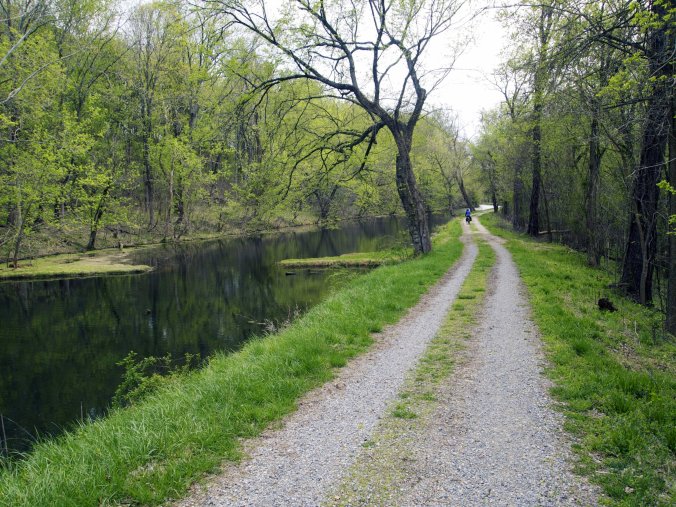
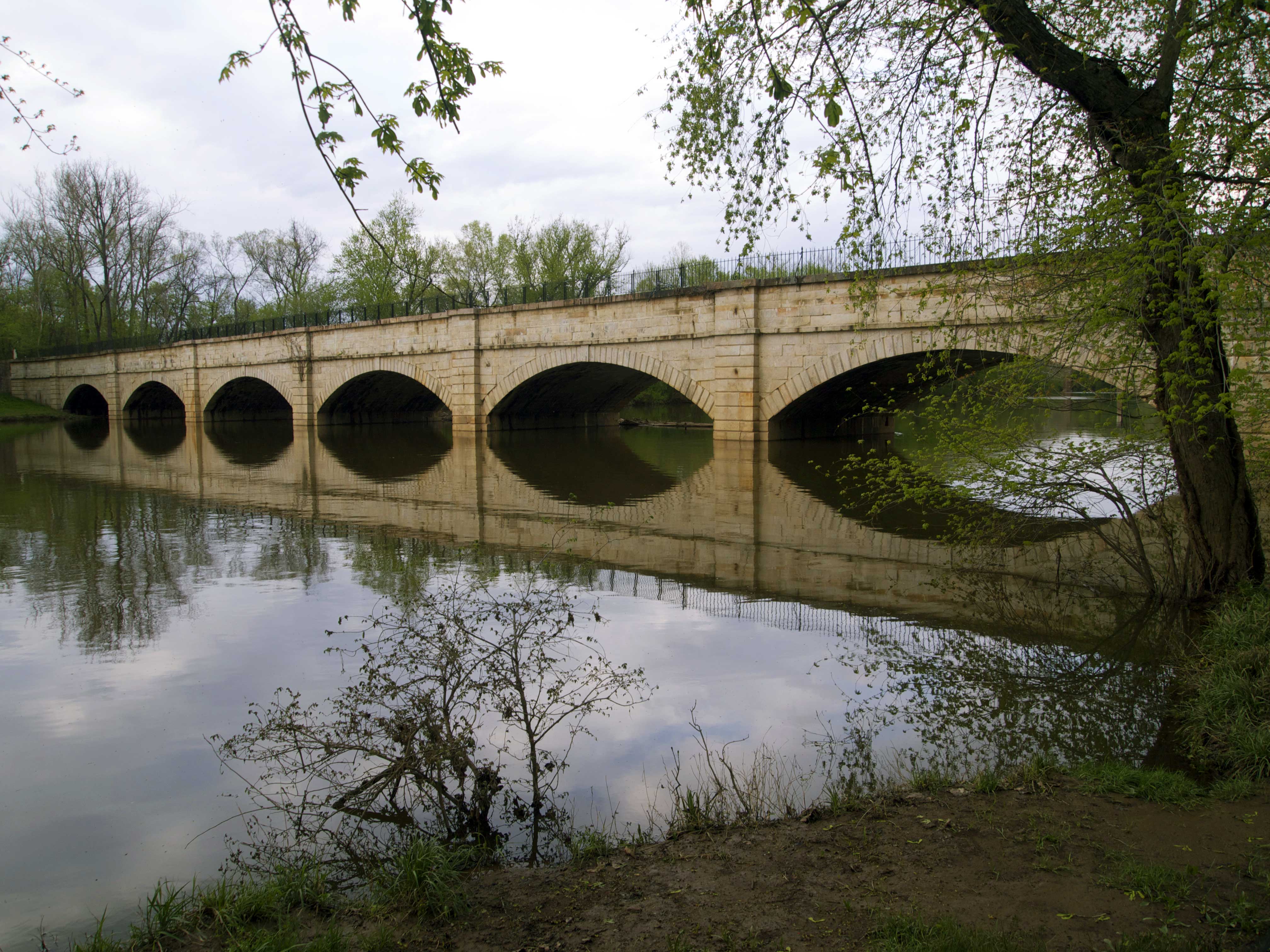
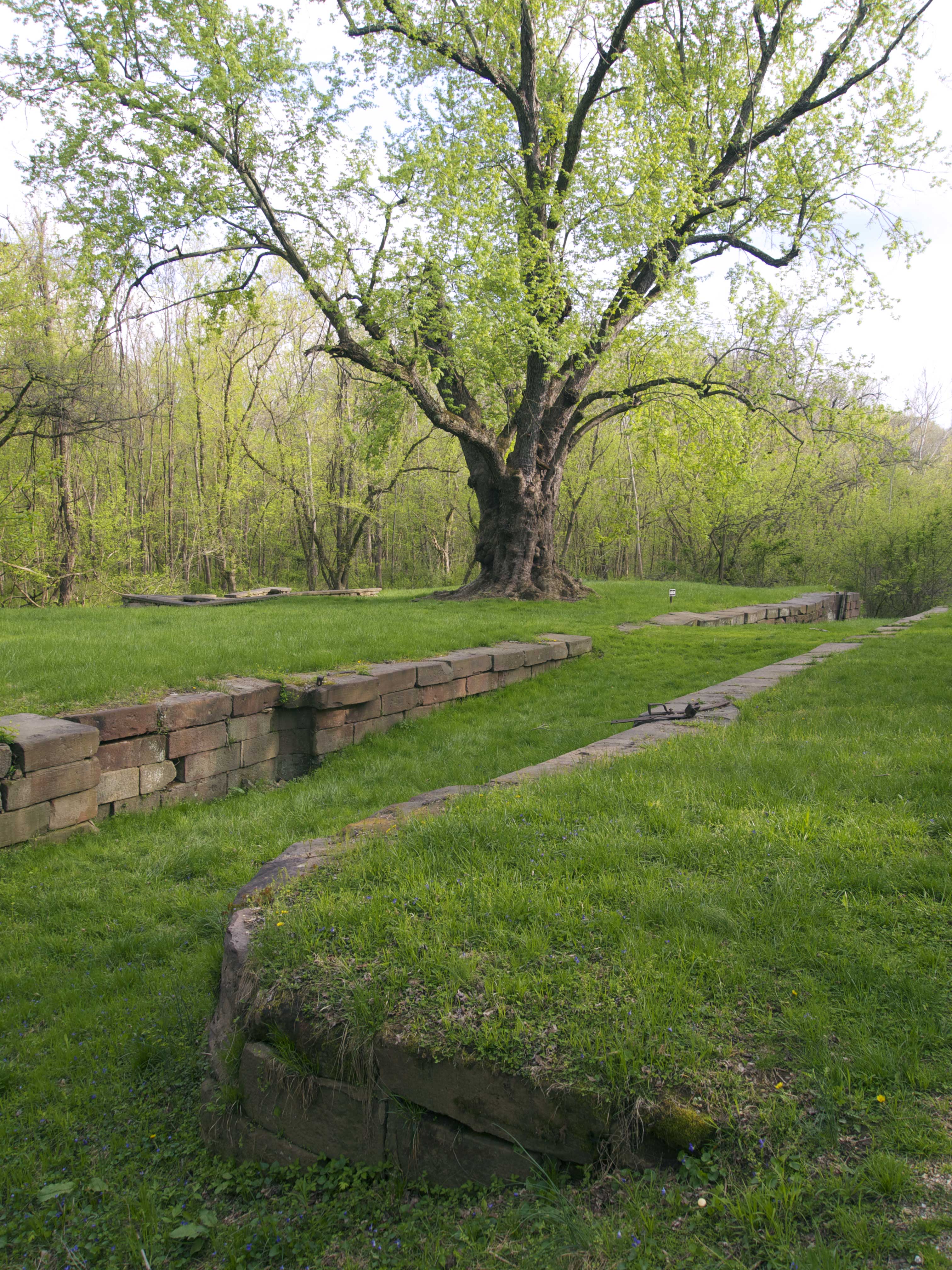
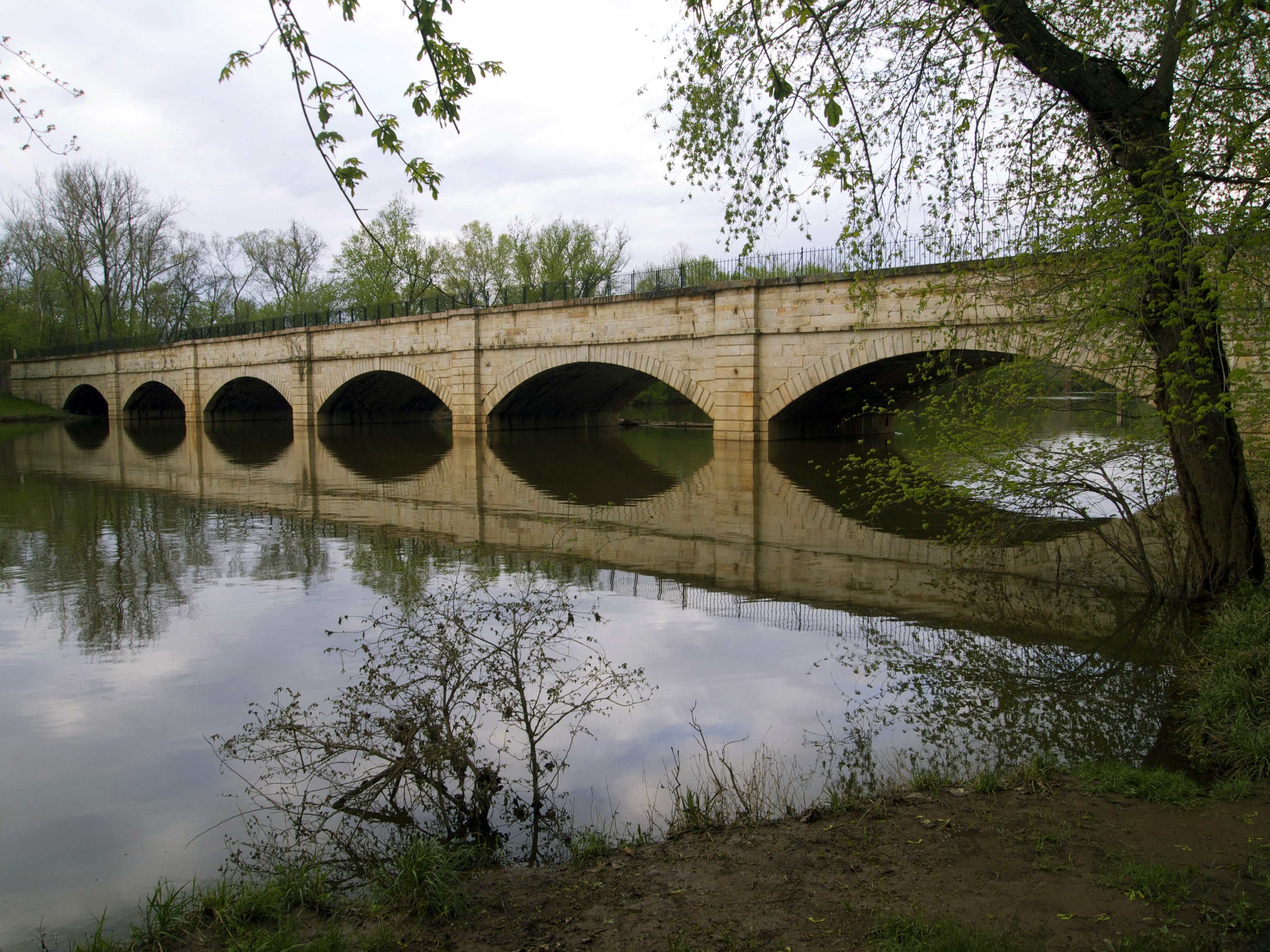
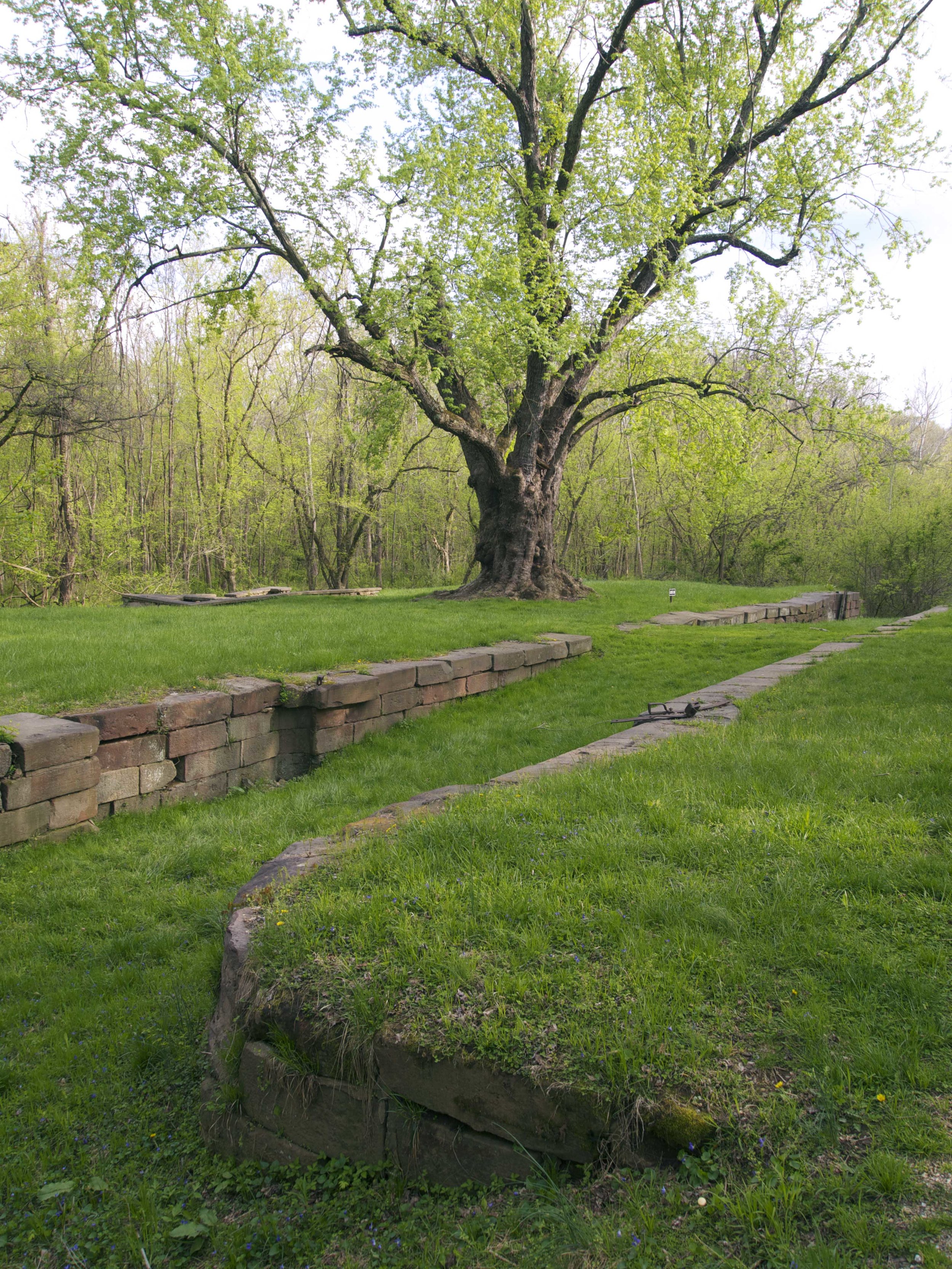
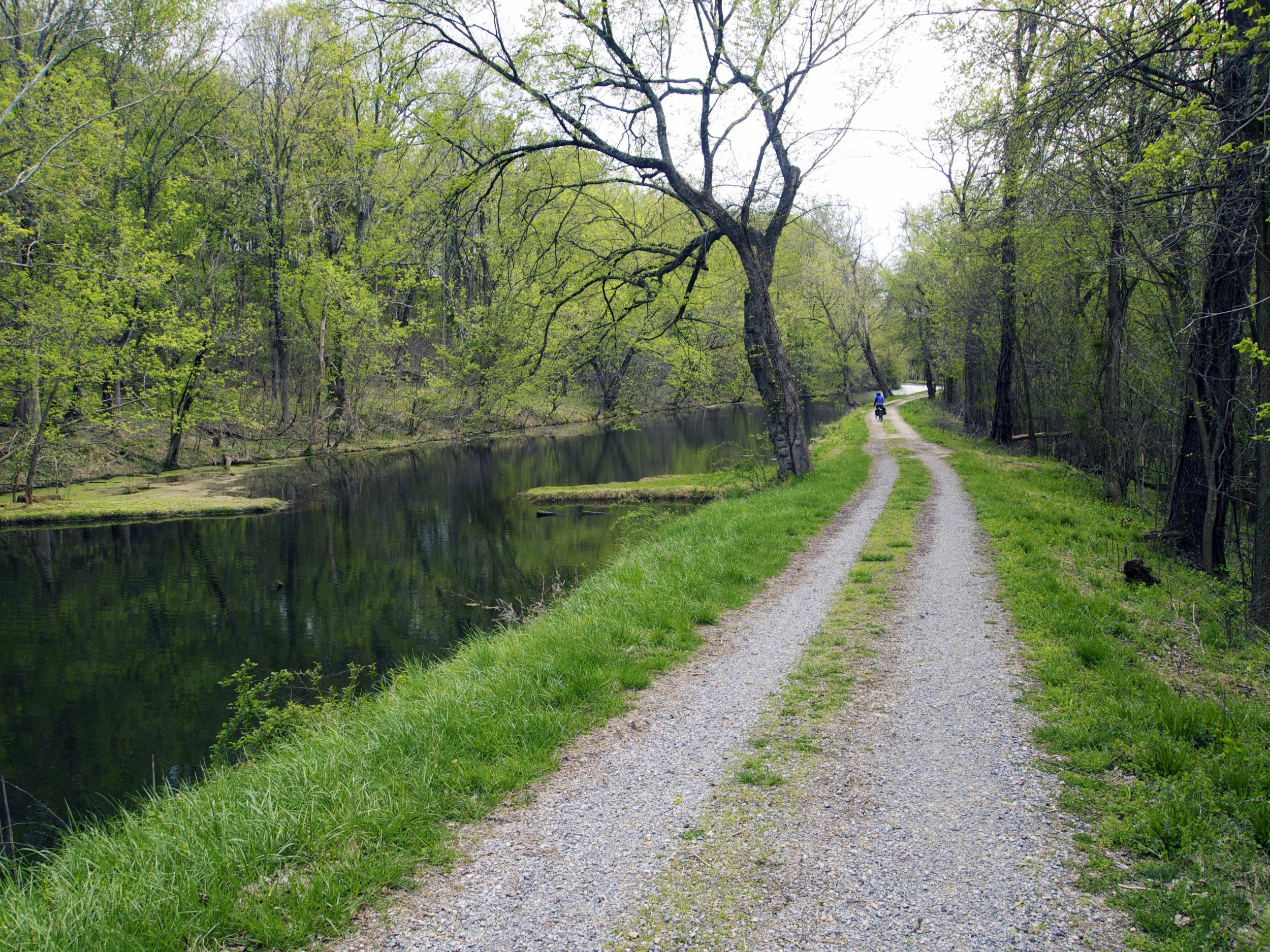
It wasn’t until the next day that I learned that the area we had been camping in is haunted. At the time I was plenty spooked by the thought of ticks so it might have been a welcome distraction to see a 19th Century highwayman with a lantern on the nearby Monocacy Aqueduct and I might have actually followed him in the attempt to find his long lost buried treasure. The place itself is a ghost. We had spent the day riding about twenty miles of towpath to get to our campsite wedged between the Potomac River and what remains of the Chesapeake and Ohio Canal. For it’s time it was a massive engineering undertaking, stretching for 184 miles from Washington DC to Cumberland MD and dug alongside the Potomac channeling the river water into a calm and controlled commercial waterway. With the newer technology of railroads literally on its heels in the form of the B & O laying tracks, sometimes on the same narrow strip of riverbank, the canal was mostly obsolete by the time investment dried up only halfway to its goal of the Ohio River. A lively culture of boat families did manage to carry a fair tonnage of cargo over the 80-some years before floods crippled the canal in 1924 but this ribbon of land has since gone decidedly feral. Except for this towpath that is.

C & O Canal LockC & O Canal Lock

C & O Canal Lock

C & O Canal and TowpathC & O Canal and Towpath

C & O Canal and Towpath

Maintained by the National Park Service is the wide gravel bank on which mules, attached by ropes, once pulled the canal boats. With campsites every 5 miles it makes a great bike tour and if combined with the Great Allegheny Passage rail-trail becomes, in my opinion, the best way to travel the 335 miles from DC to Pittsburgh. Along the way are plenty of remnants of the old thoroughfare, from former lock keeper homes and stonework to elegant aqueducts such as the seven arch span, which in Escher-like fashion elevates this artificial river over the natural Monocacy River. What it also has is habitat. Nature has re-occupied this corridor running from our densely populated National Capitol. The canal has formed ponds where still intact or when drained has become dense with woodland making a great home for shy wildlife such as wood duck and muskrats.

Greenbrier River TrailGreenbrier River Trail

Greenbrier River Trail

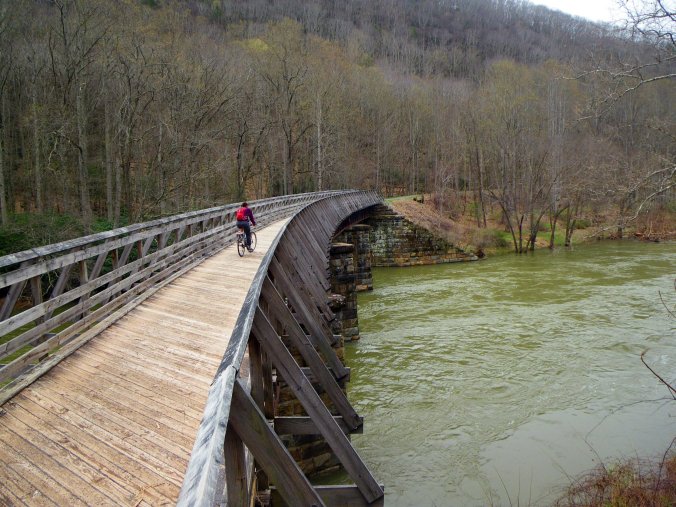
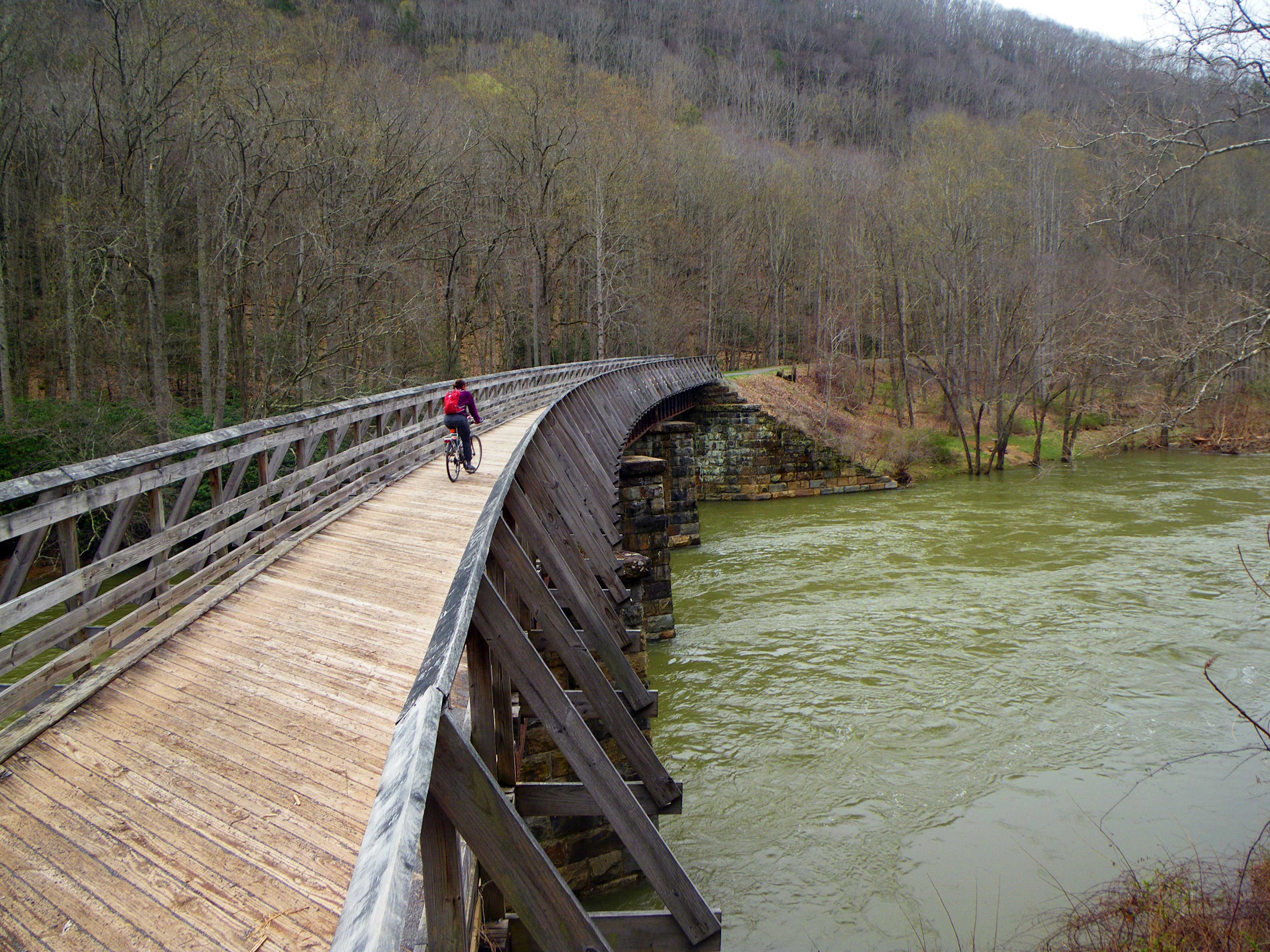
Earlier in West Virginia Rachael and I spent several days riding and camping on another piece of defunct and converted infrastructure. There we found an old railroad grade along the Greenbrier River that travels through a lightly populated valley of forest and farmland. Like the canal path this corridor was once bustling with human activity including the harvesting of much of the forest and an earlier era of less destructive coal mining. The former railroad facilitated the extraction of these resources. The need for that railroad waned as the resources were depleted and when industry moved on the forest recovered somewhat and the long gentle grade up the valley has brought new commerce in the form of travelers on bicycles, on horseback and even on haywagons.

Apple Pie Hill Fire Tower, Pine Barrens, NJApple Pie Hill Fire Tower, Pine Barrens, NJ

Apple Pie Hill Fire Tower, Pine Barrens, NJ

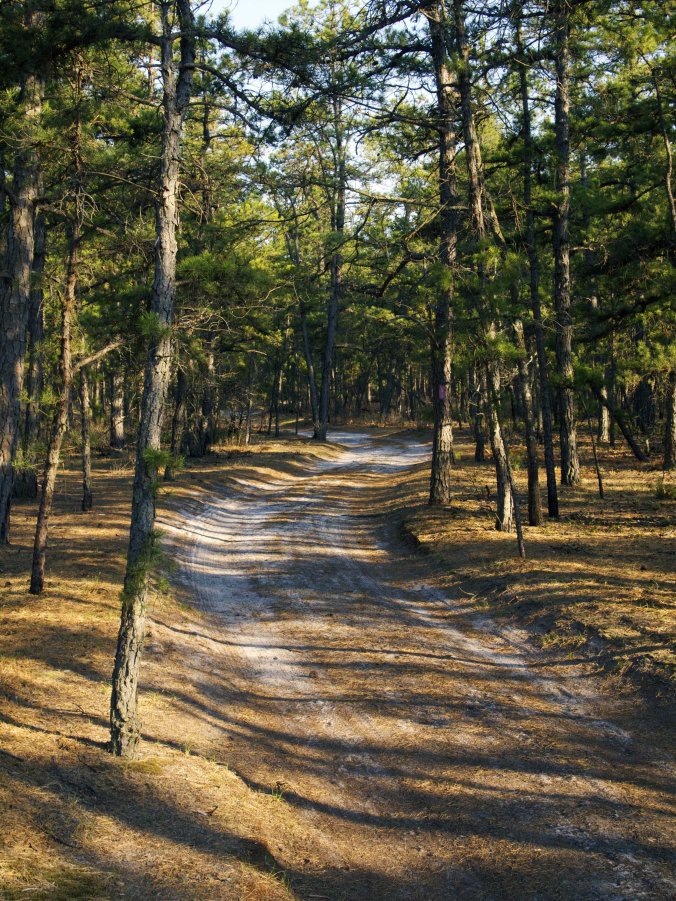
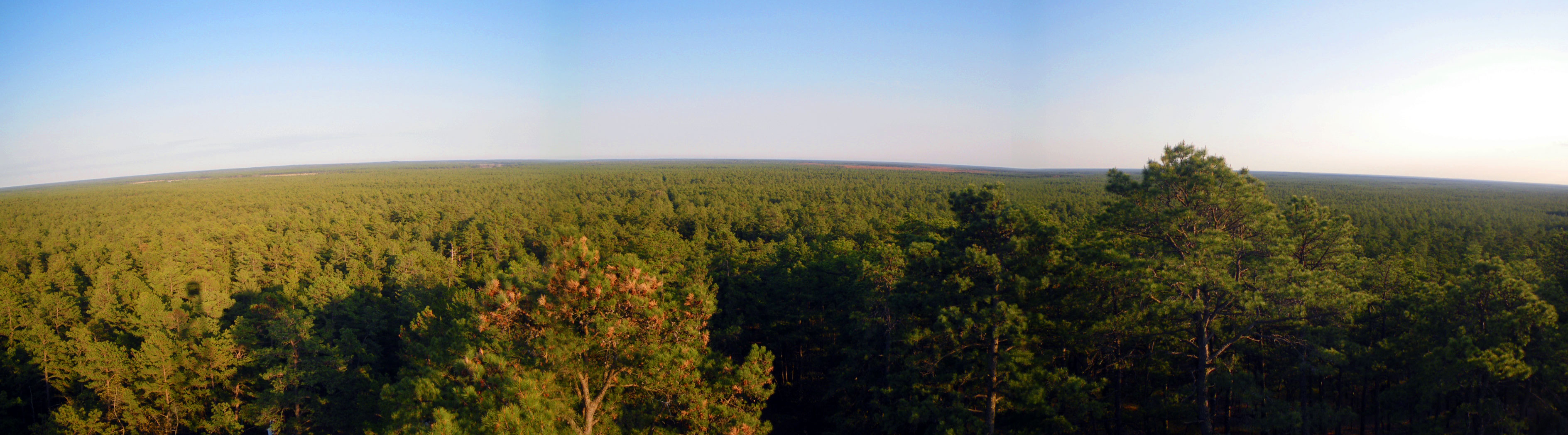
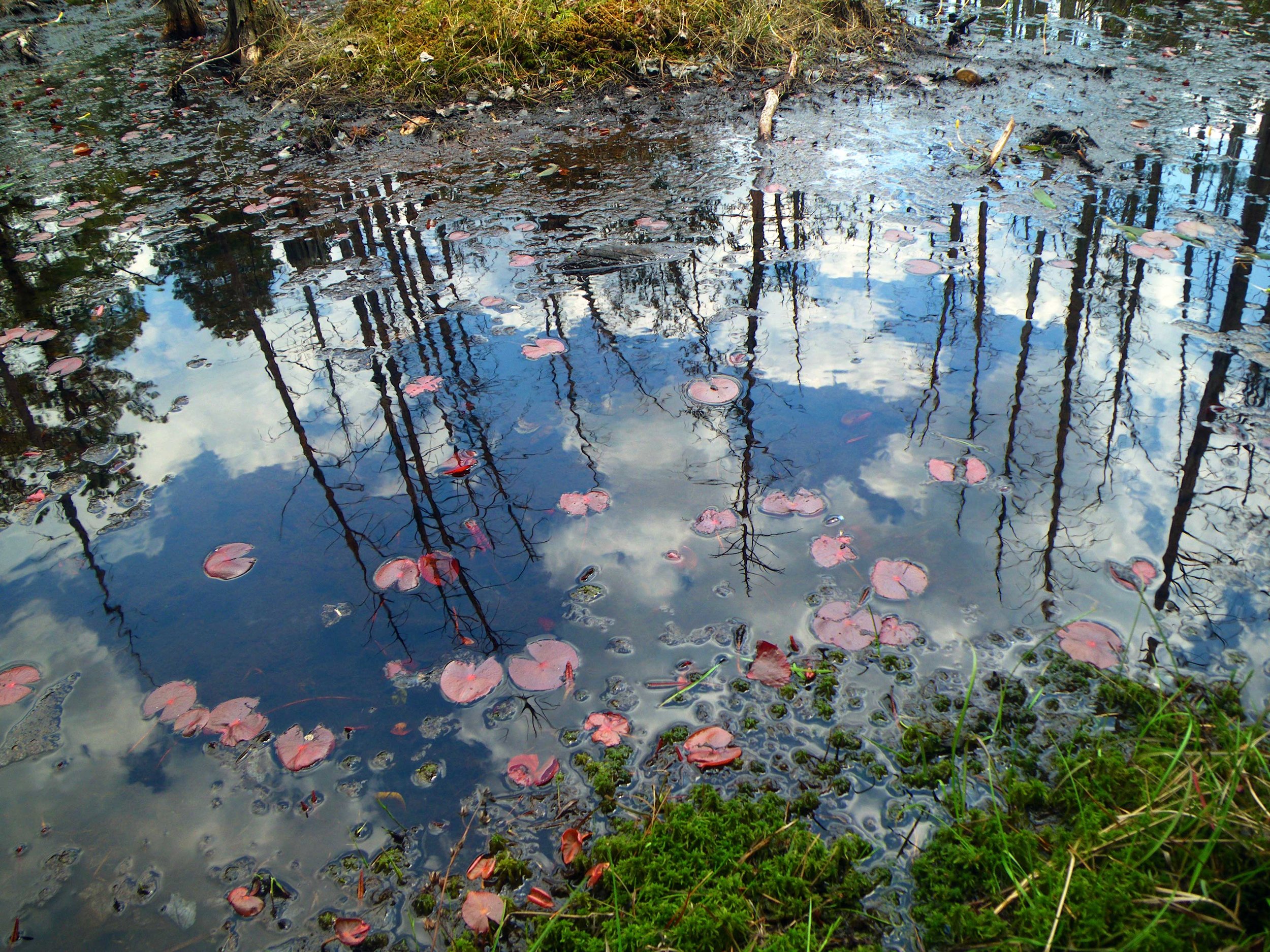
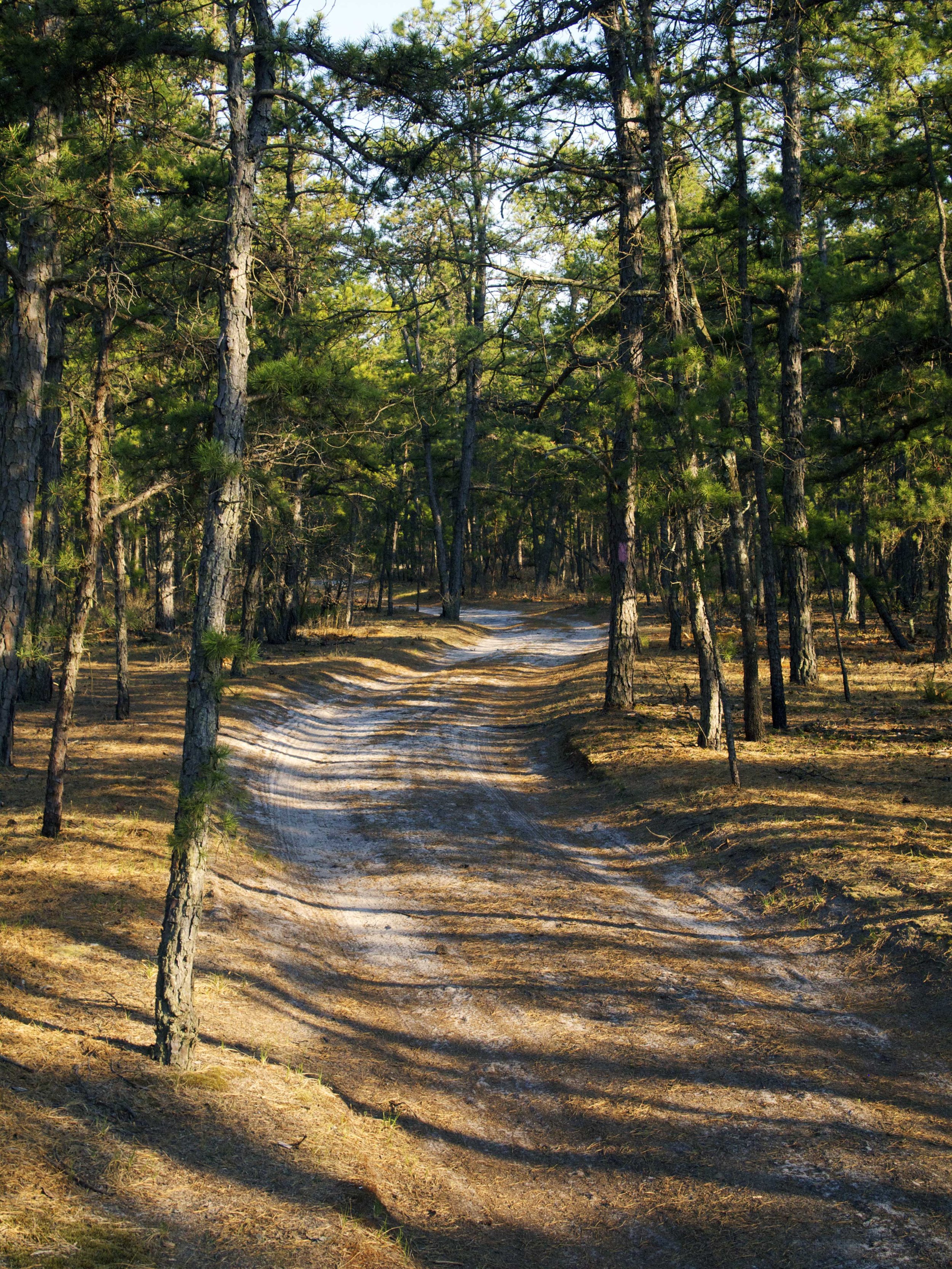
Leaving these winding paths we’ve found ourselves in a distinctly different landscape. After dropping out of the ancient and folded contours of Appalachia we found our way to the sand and low topography of The Pine Barrens in Southern New Jersey. This is a surprisingly wild place of pitch pine forest and remarkably untainted water nestled at the midpoint of the East Coast Megalopolis. What it shares with those previous stopovers is that, in the 20th century it found itself less developed than the century before, reversing the trend of pretty much any place in America. Never terribly populous because the landscape proved impossible to cultivate, it nevertheless saw early attempts at industry with “bog iron” an important source of Revolutionary cannonballs and early American wrought iron items. The pines were converted to charcoal and the sands into glass. These industries moved elsewhere and those places saw the excesses of the industrial revolution leaving “The Pines” to heal. What remains are a self-reliant “Piney” culture and an economy based on blueberry fields and cranberry bogs and tourists drawn to a rare wild place that with any luck will survive the excesses of the 21st century.

Pine Barrens BogPine Barrens Bog

Pine Barrens Bog

Pine BarrensPine Barrens

Pine Barrens

Well Worn Paths


Monocacy Aqueduct

Monocacy Aqueduct

It wasn’t until the next day that I learned that the area we had been camping in is haunted. At the time I was plenty spooked by the thought of ticks so it might have been a welcome distraction to see a 19th Century highwayman with a lantern on the nearby Monocacy Aqueduct and I might have actually followed him in the attempt to find his long lost buried treasure. The place itself is a ghost. We had spent the day riding about twenty miles of towpath to get to our campsite wedged between the Potomac River and what remains of the Chesapeake and Ohio Canal. For it’s time it was a massive engineering undertaking, stretching for 184 miles from Washington DC to Cumberland MD and dug alongside the Potomac channeling the river water into a calm and controlled commercial waterway. With the newer technology of railroads literally on its heels in the form of the B & O laying tracks, sometimes on the same narrow strip of riverbank, the canal was mostly obsolete by the time investment dried up only halfway to its goal of the Ohio River. A lively culture of boat families did manage to carry a fair tonnage of cargo over the 80-some years before floods crippled the canal in 1924 but this ribbon of land has since gone decidedly feral. Except for this towpath that is.

C & O Canal Lock

C & O Canal Lock

C & O Canal and Towpath

C & O Canal and Towpath

Maintained by the National Park Service is the wide gravel bank on which mules, attached by ropes, once pulled the canal boats. With campsites every 5 miles it makes a great bike tour and if combined with the Great Allegheny Passage rail-trail becomes, in my opinion, the best way to travel the 335 miles from DC to Pittsburgh. Along the way are plenty of remnants of the old thoroughfare, from former lock keeper homes and stonework to elegant aqueducts such as the seven arch span, which in Escher-like fashion elevates this artificial river over the natural Monocacy River. What it also has is habitat. Nature has re-occupied this corridor running from our densely populated National Capitol. The canal has formed ponds where still intact or when drained has become dense with woodland making a great home for shy wildlife such as wood duck and muskrats.


Greenbrier River Trail

Greenbrier River Trail

Earlier in West Virginia Rachael and I spent several days riding and camping on another piece of defunct and converted infrastructure. There we found an old railroad grade along the Greenbrier River that travels through a lightly populated valley of forest and farmland. Like the canal path this corridor was once bustling with human activity including the harvesting of much of the forest and an earlier era of less destructive coal mining. The former railroad facilitated the extraction of these resources. The need for that railroad waned as the resources were depleted and when industry moved on the forest recovered somewhat and the long gentle grade up the valley has brought new commerce in the form of travelers on bicycles, on horseback and even on haywagons.

Apple Pie Hill Fire Tower, Pine Barrens, NJ

Apple Pie Hill Fire Tower, Pine Barrens, NJ

Leaving these winding paths we’ve found ourselves in a distinctly different landscape. After dropping out of the ancient and folded contours of Appalachia we found our way to the sand and low topography of The Pine Barrens in Southern New Jersey. This is a surprisingly wild place of pitch pine forest and remarkably untainted water nestled at the midpoint of the East Coast Megalopolis. What it shares with those previous stopovers is that, in the 20th century it found itself less developed than the century before, reversing the trend of pretty much any place in America. Never terribly populous because the landscape proved impossible to cultivate, it nevertheless saw early attempts at industry with “bog iron” an important source of Revolutionary cannonballs and early American wrought iron items. The pines were converted to charcoal and the sands into glass. These industries moved elsewhere and those places saw the excesses of the industrial revolution leaving “The Pines” to heal. What remains are a self-reliant “Piney” culture and an economy based on blueberry fields and cranberry bogs and tourists drawn to a rare wild place that with any luck will survive the excesses of the 21st century.

Pine Barrens Bog

Pine Barrens Bog

Pine Barrens

Pine Barrens

Bourbon Country

Rachael at Raven Run Preserve - Photo by Tim GillerRachael at Raven Run Preserve - Photo by Tim Giller

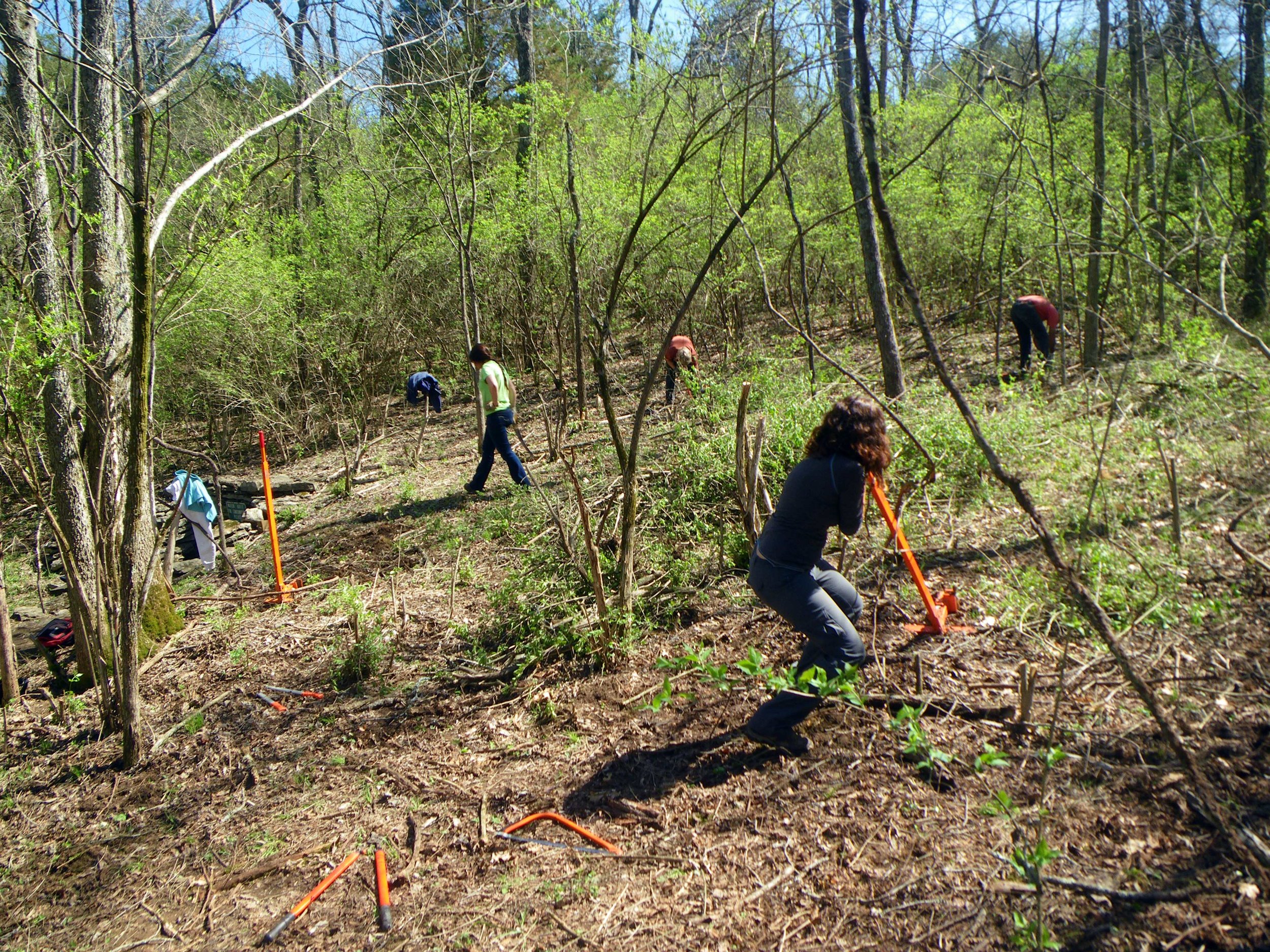
Rachael at Raven Run Preserve – Photo by Tim Giller

Kentucky surely deserved more time. On the back roads that Squatch prefers every curve was a picture postcard of the greenest grass a Nevada boy ever saw and striking black barns each with a unique quilt pattern mounted upon its upper eave and matching black fences curving across the rolling hillsides enclosing well bred horses. We had to start making our way towards Virginia and Washington D.C. but we did manage to make the most of a short visit.

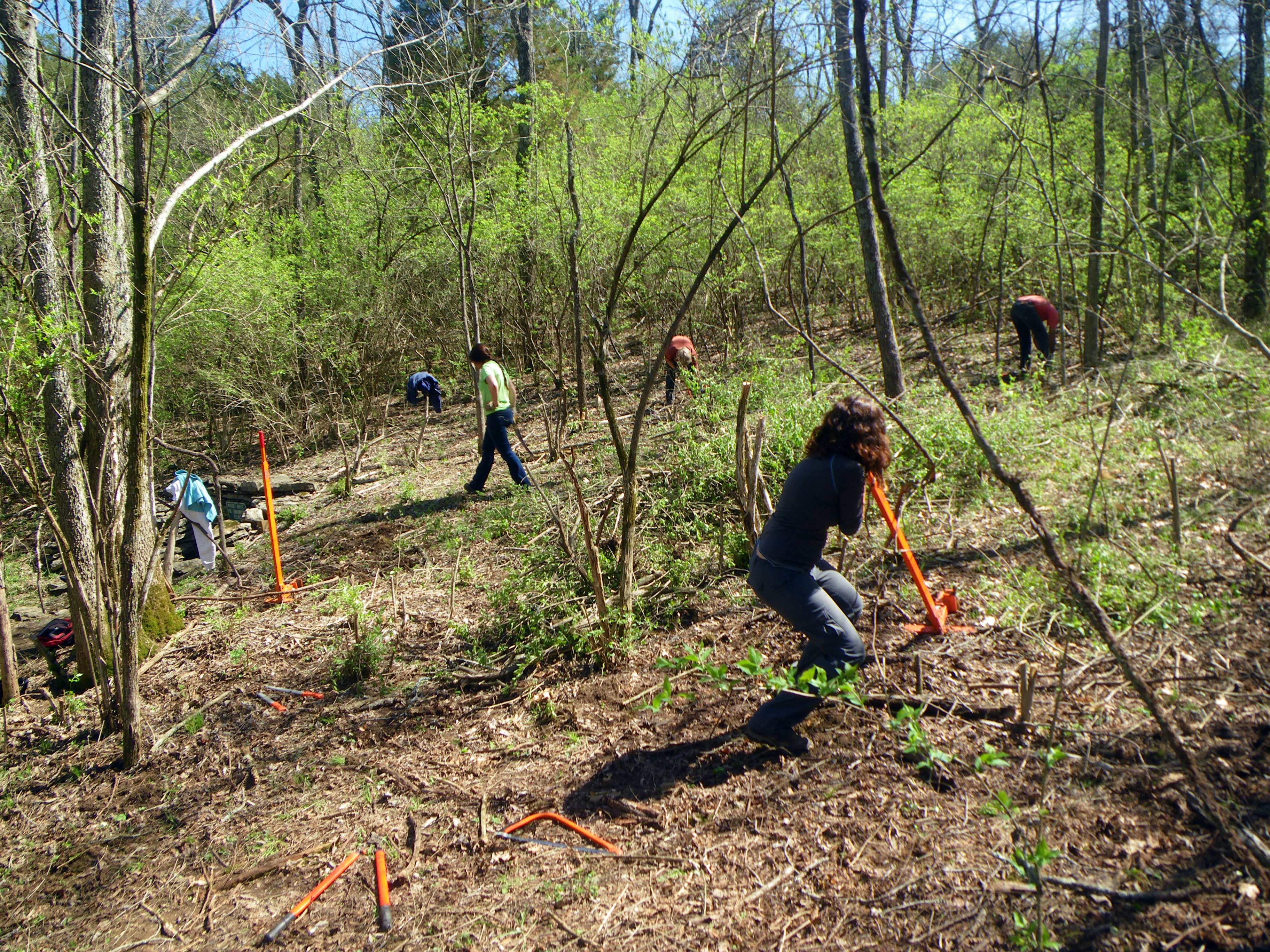
Throughout this well manicured countryside are pockets of preserved native habitat more or less intact. As in many places, our forbearers managed to bring uninvited plant and animal guests some of whom aggressively overcrowd the locals. This is how we found ourselves joining a wonderful group on a Sierra Club outing to hack, pull and lop back as much invasive honeysuckle as we could in Raven Run Nature Preserve on the outskirts of Lexington. Like much of the region this is not primeval wilderness, people homesteaded here and worked the land to make a living. But that was an era when Americans had a generally lighter hand leaving plenty of native ecosystem to be nourished by folks like those we got to share the better part of a beautiful spring day working with.

Yeast vat -Photo by Tim GillerYeast vat -Photo by Tim Giller

Yeast vat -Photo by Tim Giller

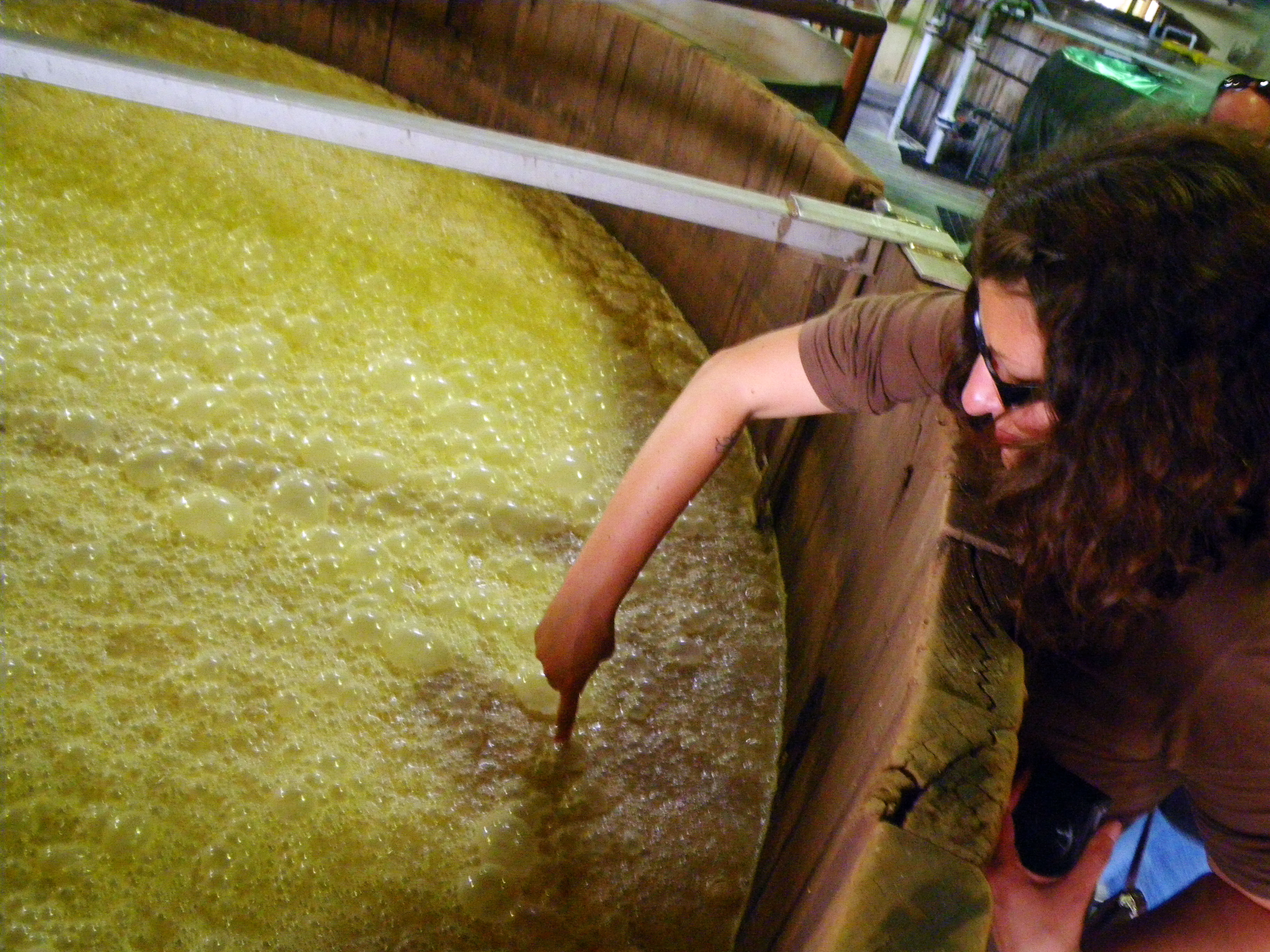
To be fair there was another compelling reason to visit Kentucky, our mutual fondness of Bourbon. Some friends might say I have more than a casual interest in whiskey, but there was a bit of ecology to research as we discovered by touring a couple distilleries. Contrary to popular wisdom, bourbon does not need be made in Kentucky, anywhere in the U.S. qualifies but limestone rich aquifers such as you find in Kentucky are necessary. When one guide told of how the distillery shuts down for a couple months during the summer because the cooling river waters get too warm, I decided not to interrupt his polished monologue to ask if he was worried that climate change might give them more months of warm river water. We also learned that fermenting vats and ageing barrels are made with specific woods chosen for the characteristics they impart to the bourbon. Sourcing of these can be challenging, as some of these woods are getting hard to come by due to over harvesting. However, even though an aging barrel can only be used once for bourbon these valuable barrels have a number of secondary uses such as wine, beer and scotch making, and repurposing as furniture and other products. The spent grains are also passed on as livestock feed.

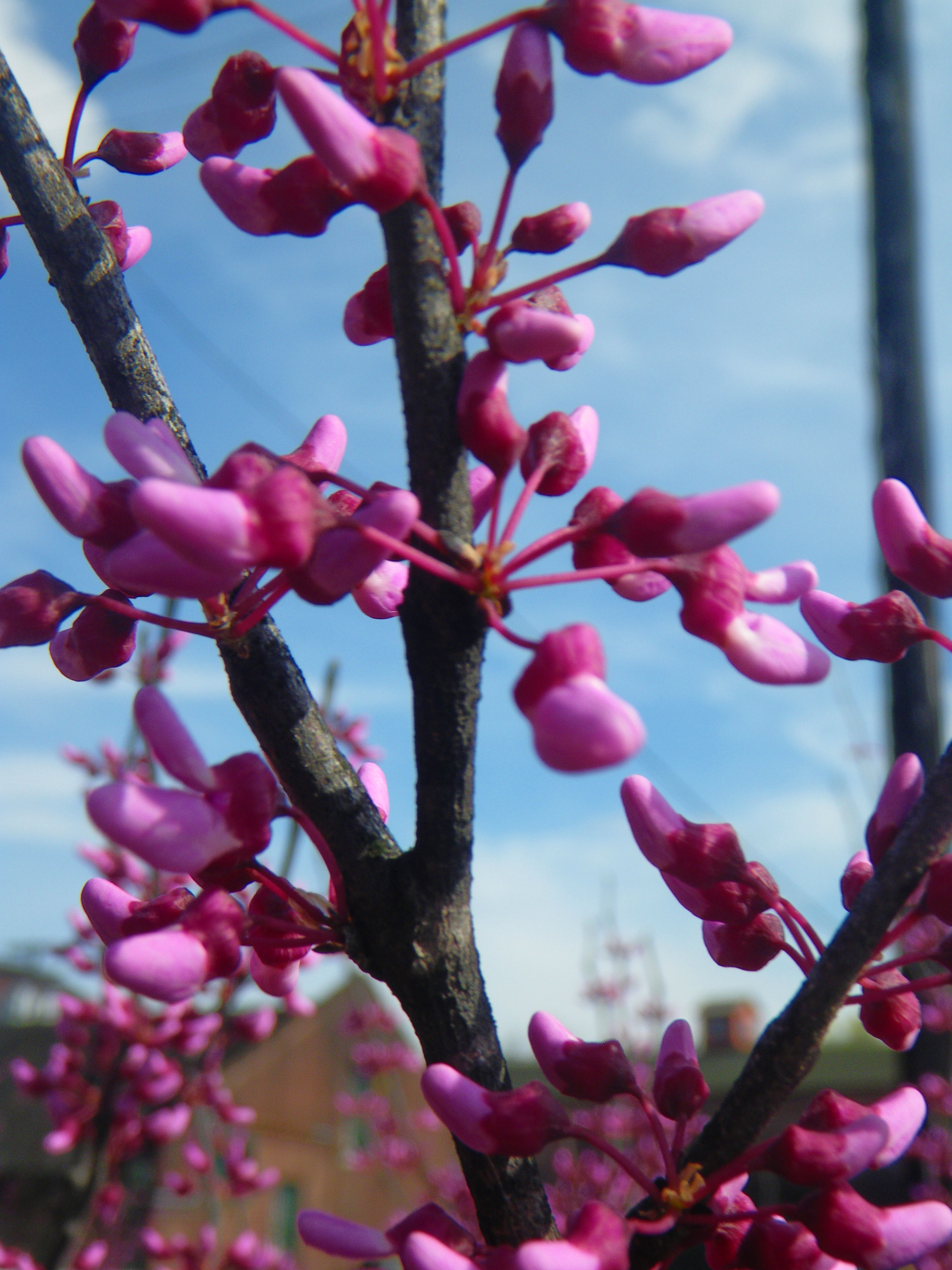
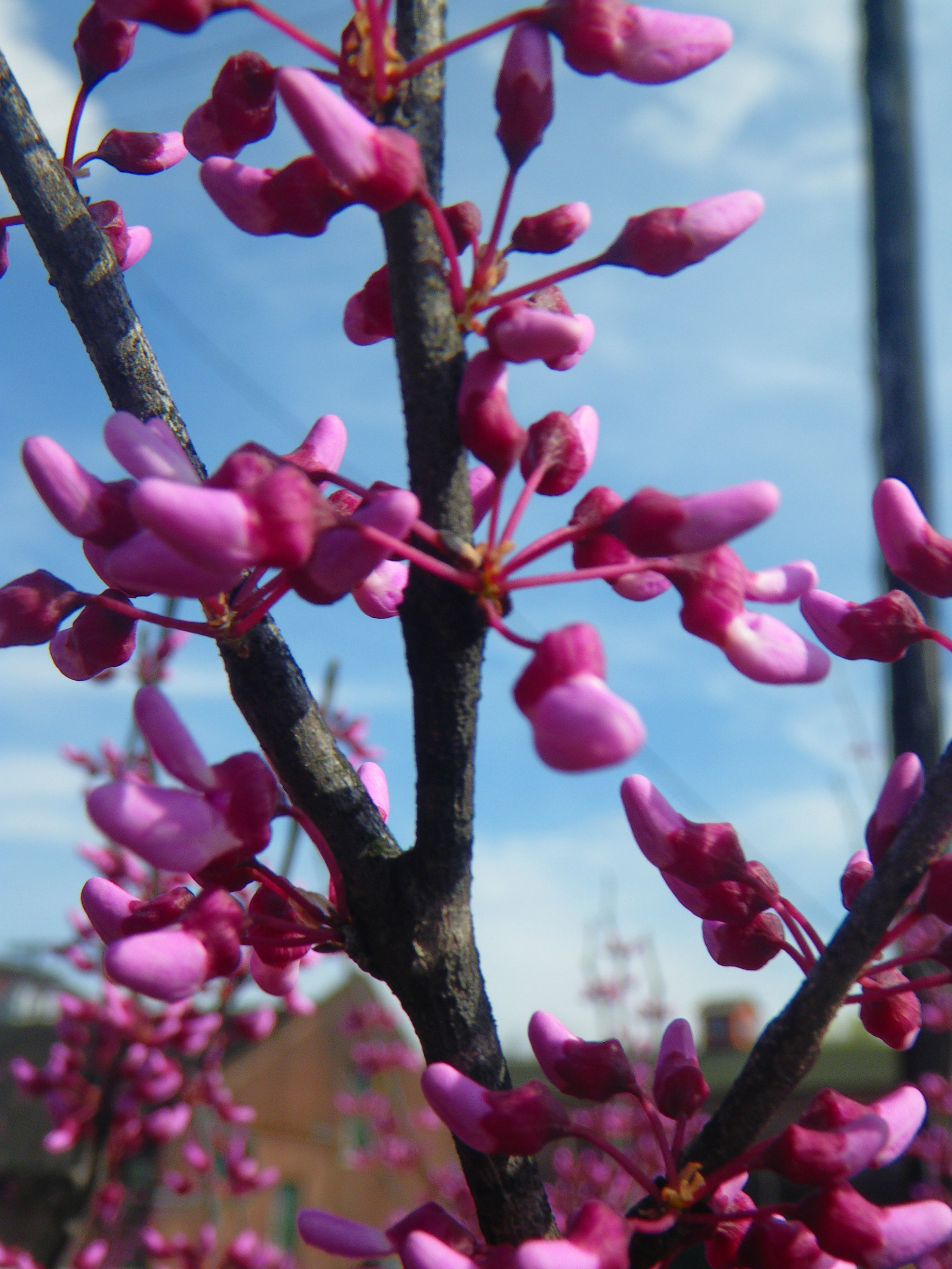
Redbud with blackened stemsRedbud with blackened stems

Redbud with blackened stems

By far the most interesting thing we learned was that trees, shrubs and buildings near a distillery become blackened by the airborne off gassing. When we were told that prohibition agents used this fact to search for hidden backwoods stills, we came up with a theory that the barns of Kentucky were painted black to disguise illegal distilleries, though we couldn’t find anyone who thought this was true. Disappointingly none of the distillery folks seemed to know the actual reason for this blackening. Baudoinia compniacensis, is a black sac fungus that prefers habitat with broad temperature and humidity shifts such as are produced by distilleries, but it especially thrives on the airborne ethanol. They are apparently harmless to the trees and structures that they coat in vast black colonies. Maybe the bourbon producers think that fungus is bad PR for their industry. But I think that the truth of these little alcohol loving microorganisms is more interesting than telling us that the trees are drunk.

Bourbon Country

Kentucky surely deserved more time. On the back roads that Squatch prefers every curve was a picture postcard of the greenest grass a Nevada boy ever saw and striking black barns each with a unique quilt pattern mounted upon its upper eave and matching black fences curving across the rolling hillsides enclosing well bred horses. We had to start making our way towards Virginia and Washington D.C. but we did manage to make the most of a short visit.

Rachael at Raven Run Preserve - Photo by Tim Giller

Rachael at Raven Run Preserve – Photo by Tim Giller

Throughout this well manicured countryside are pockets of preserved native habitat more or less intact. As in many places, our forbearers managed to bring uninvited plant and animal guests some of whom aggressively overcrowd the locals. This is how we found ourselves joining a wonderful group on a Sierra Club outing to hack, pull and lop back as much invasive honeysuckle as we could in Raven Run Nature Preserve on the outskirts of Lexington. Like much of the region this is not primeval wilderness, people homesteaded here and worked the land to make a living. But that was an era when Americans had a generally lighter hand leaving plenty of native ecosystem to be nourished by folks like those we got to share the better part of a beautiful spring day working with.

Yeast vat -Photo by Tim Giller

Yeast vat -Photo by Tim Giller

To be fair there was another compelling reason to visit Kentucky, our mutual fondness of Bourbon. Some friends might say I have more than a casual interest in whiskey, but there was a bit of ecology to research as we discovered by touring a couple distilleries. Contrary to popular wisdom, bourbon does not need be made in Kentucky, anywhere in the U.S. qualifies but limestone rich aquifers such as you find in Kentucky are necessary. When one guide told of how the distillery shuts down for a couple months during the summer because the cooling river waters get too warm, I decided not to interrupt his polished monologue to ask if he was worried that climate change might give them more months of warm river water. We also learned that fermenting vats and ageing barrels are made with specific woods chosen for the characteristics they impart to the bourbon. Sourcing of these can be challenging, as some of these woods are getting hard to come by due to over harvesting. However, even though an aging barrel can only be used once for bourbon these valuable barrels have a number of secondary uses such as wine, beer and scotch making, and repurposing as furniture and other products. The spent grains are also passed on as livestock feed.

Redbud with blackened stems

Redbud with blackened stems

By far the most interesting thing we learned was that trees, shrubs and buildings near a distillery become blackened by the airborne off gassing. When we were told that prohibition agents used this fact to search for hidden backwoods stills, we came up with a theory that the barns of Kentucky were painted black to disguise illegal distilleries, though we couldn’t find anyone who thought this was true. Disappointingly none of the distillery folks seemed to know the actual reason for this blackening. Baudoinia compniacensis, is a black sac fungus that prefers habitat with broad temperature and humidity shifts such as are produced by distilleries, but it especially thrives on the airborne ethanol. They are apparently harmless to the trees and structures that they coat in vast black colonies. Maybe the bourbon producers think that fungus is bad PR for their industry. But I think that the truth of these little alcohol loving microorganisms is more interesting than telling us that the trees are drunk.

Mountain Folks

James was a fountain of knowledge, an unsolicited fountain but fascinating just the same. And maybe more like an oscillating lawn sprinkler with no obvious shut off valve, a new topic beginning before the previous thought had been finished. I caught him sizing us up as we were walking into the small town thrift store where he was apparently employed, although he spent the better part of 45 minutes talking to us once we were cornered between the over-starched linens, thumb-worn romance novels and water damaged gospel albums. We discovered that James is a true naturalist in his own right. He originally took us to be Appalachian thru-hikers. Months of living in Lil’ Squatch must give us an outdoorsy look. What followed was a staccato primer on the natural history of Southern Appalachia around this corner of Tennessee, Georgia and North Carolina beginning with a quick karate chop description of the river drainages around where we had camped the two previous nights and ending with his interpretations of local Cherokee legends. We were finally able to leave once his exasperated co-workers pulled him away, but not before his very pregnant girlfriend showed up and a was able to show us an indecipherable photo from her flip-phone of what we were told was an amazing waterfall. Though the conversation was decidedly one sided I really appreciated his knowledge and enthusiasm. I think he was relishing the opportunity to share because he was working off a one year ban from the National Forest, though we couldn’t understand if it was for poaching fish, harvesting ginseng out season or for threatening a fellow camper with a bucket containing two live and very venomous copperhead snakes.
People have deep connection with these mountains and rivers. We had another opportunity to learn this the next day when by chance we were able to join a volunteer river clean up along the Hiawassee. Organized in part by Trout Unlimited, we found a group of folks who knew the local waters thoroughly. We learned which rivers had good populations of native fish, and which ones were favored by non-native stocked fish that can thrive in the colder waters below the many dams in the watershed. Kayaking is also incredibly popular in Eastern Tennessee and a few of our cohorts told us of how several dammed rivers have become such popular whitewater destinations that compromises have been made in flow timing in order to benefit these users. The Tennessee Valley Authority (TVA) was also a sponsor of the volunteer event. This agency is the builder of these dams, beginning in the 1930s, to bring electricity and flood control to an impoverished region. A side effect was the substantial alteration of a large amount of river habitat. Over the years some efforts have been successful to mitigate the damage but the fact is most of the dams remain, though many are nearing the end of the functional lifetime as silt builds up behind them.

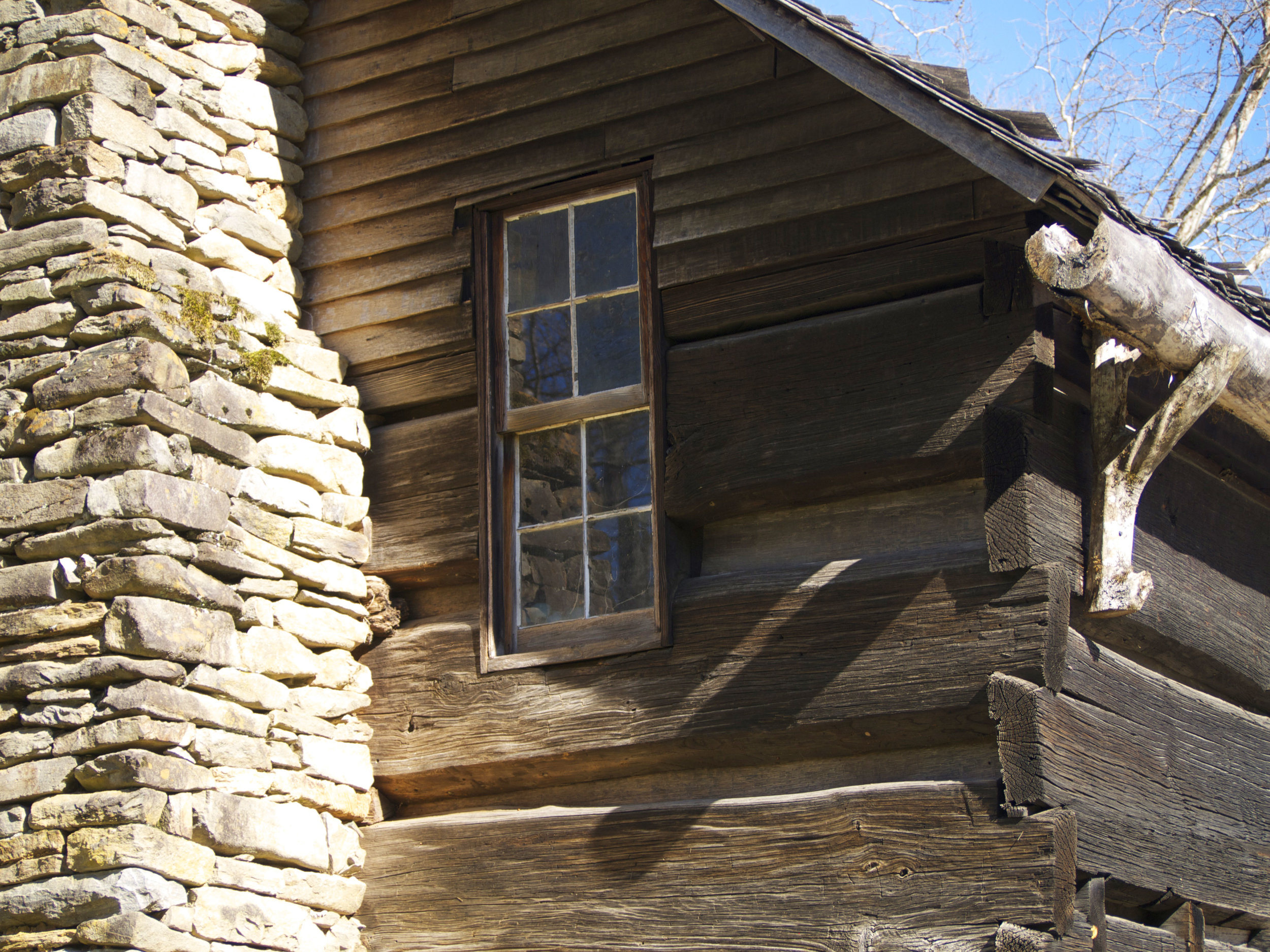
Settler Home - Photo by Tim GillerSettler Home - Photo by Tim Giller

Settler Home – Photo by Tim Giller

Eager to have our own first hand experience of this place we made our way to Great Smokey Mountain National Park. As the biggest chunk of preserved Appalachia it also preserves much of the human story of the region. The Eastern band of Cherokee still maintains a presence here despite their bitter and unfair removal along the Trail of Tears. Homesteaders also made a home here and were also compelled to leave as the park was formed; many of their historical homes and other structures have been preserved as visitor attractions. Today the human story appears to be throngs of automobiles. The Smokies are the most visited National Park in the country and the vast majority of those visitors see it from only a car window after working their way through a dense gauntlet of tourist trap attractions just outside the boundaries. Clearly this was no way to find some connection to this landscape so we planned out a 4-day backcountry hike into the heart of the mountains.

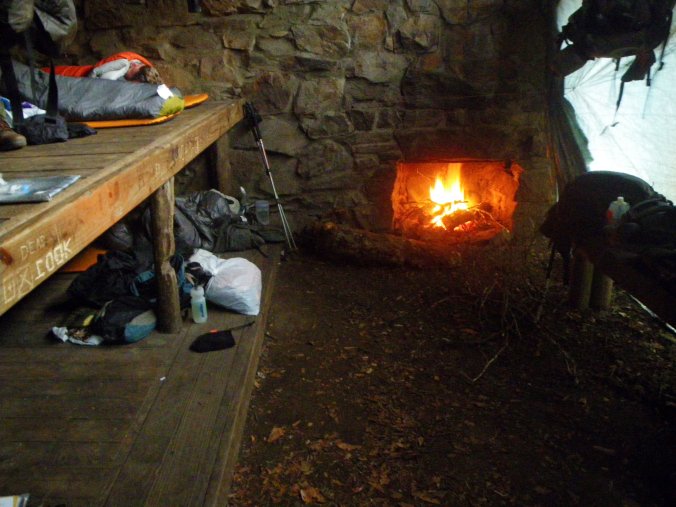
Silers Bald AT Shelter - Photo by Tim GillerSilers Bald AT Shelter - Photo by Tim Giller

Silers Bald AT Shelter – Photo by Tim Giller

Up there we encountered a whole new culture that has staked a claim on these mountains. We found ourselves in the middle of the peak season of Appalachian Trail thru-hikers and had the pleasure of spending a windy and frosty night in one of the highest trail shelters on the route. The 2200 mile trail from Georgia to Maine reaches it’s highest point just up the trail from where we walked and each year more and more people attempt to hike the entire trail in one go. Along the route volunteers have built and maintain a series of wooden and stone shelters for hikers to sleep in with ten or more people squeezing into them each night during the high season. These become nightly social gathering spots where stories and information are exchanged and new hiking partners and friendships are made, folks only going by their trail names such as “Black and Blue”, “Bean-Counter” or “Proudfoot”. When we realized we’d be staying along the trail on Easter morning we ducked into town to get candy before heading out. As Rachael passed out treats to grateful thru-hikers I decided her trail name would be “Easter Bummy”.
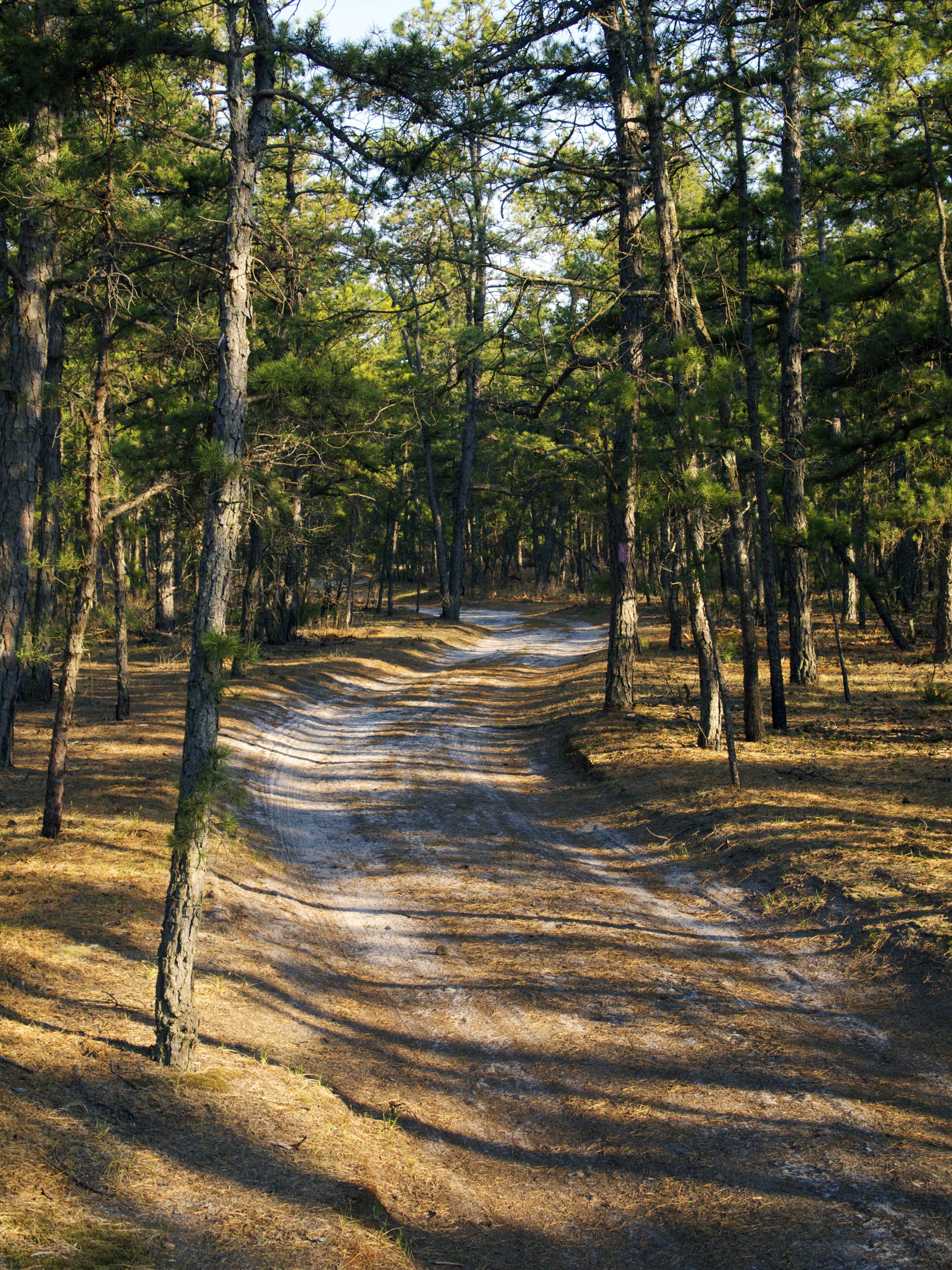
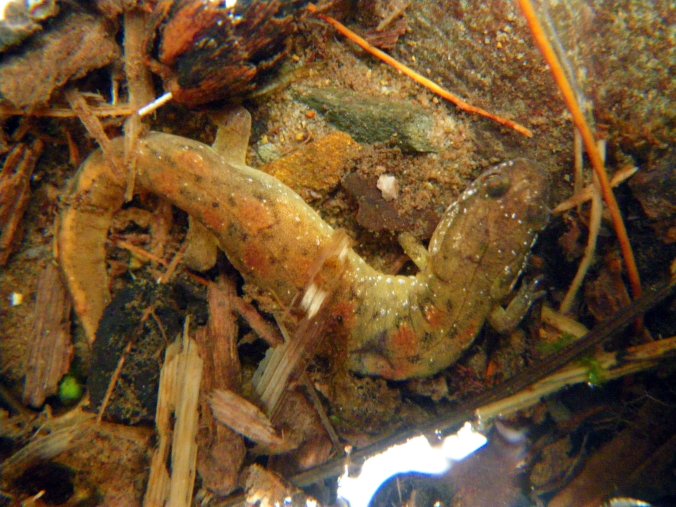
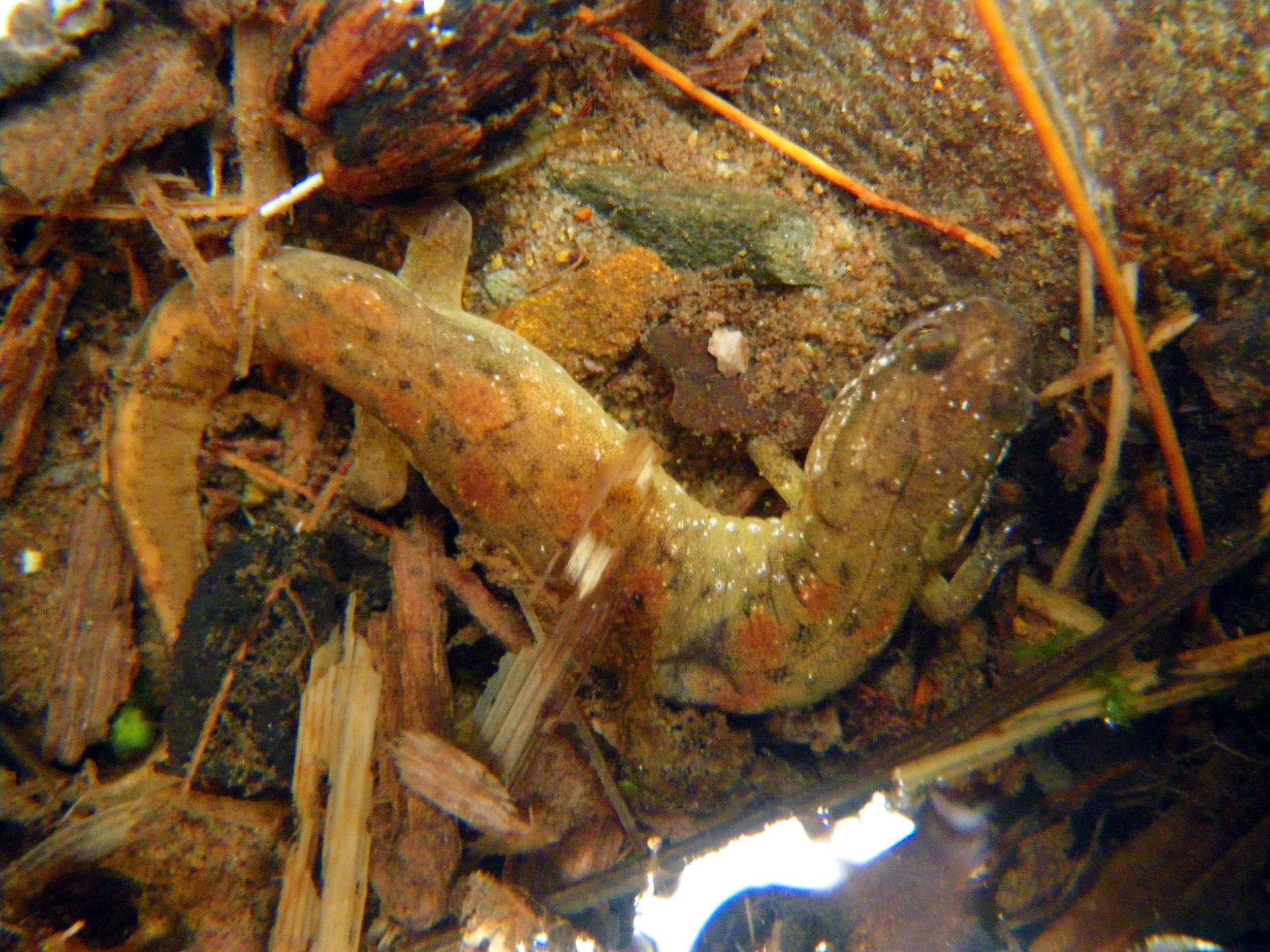
Salamander - Photo by Tim GillerSalamander - Photo by Tim Giller

Salamander – Photo by Tim Giller

Most of our time though was spent away from the crowd of this busy trail. I was extremely grateful to have the time to get back into the valleys and ridges of the backcountry because my desire for taking this hike was to get a closer look at the nature of these mountains. This wasn’t as easy as I had expected. My first point of entry in a new landscape is generally to get a lay of the land, to see the shape of its contours and get my bearings. Even in early spring with few leaves in the forest to obscure my view it is rare to have the open vistas of my western ranges. I found myself craning my neck, struggling to make out peaks, looking for rocky outcrops to use as landmarks, but it was all indistinct hills covered with a thick and indistinguishable uniformity of trees. What I learned was that to see this landscape you need to look into it, to look more closely and see the incredible diversity of trees, fungus, lichens, mosses, and insects, to flip over a few rocks looking for salamanders, to open my ears to the variety of birdsong emanating from hidden spots back in the endless tangle of branches, to immerse myself in the remarkably clear and cold waters of the countless streams. It has been these little creatures and processes that have kept this landscape humming, despite all the comings and goings of humans over the millennia, indifferent to our foibles though unfortunately not immune to them.